
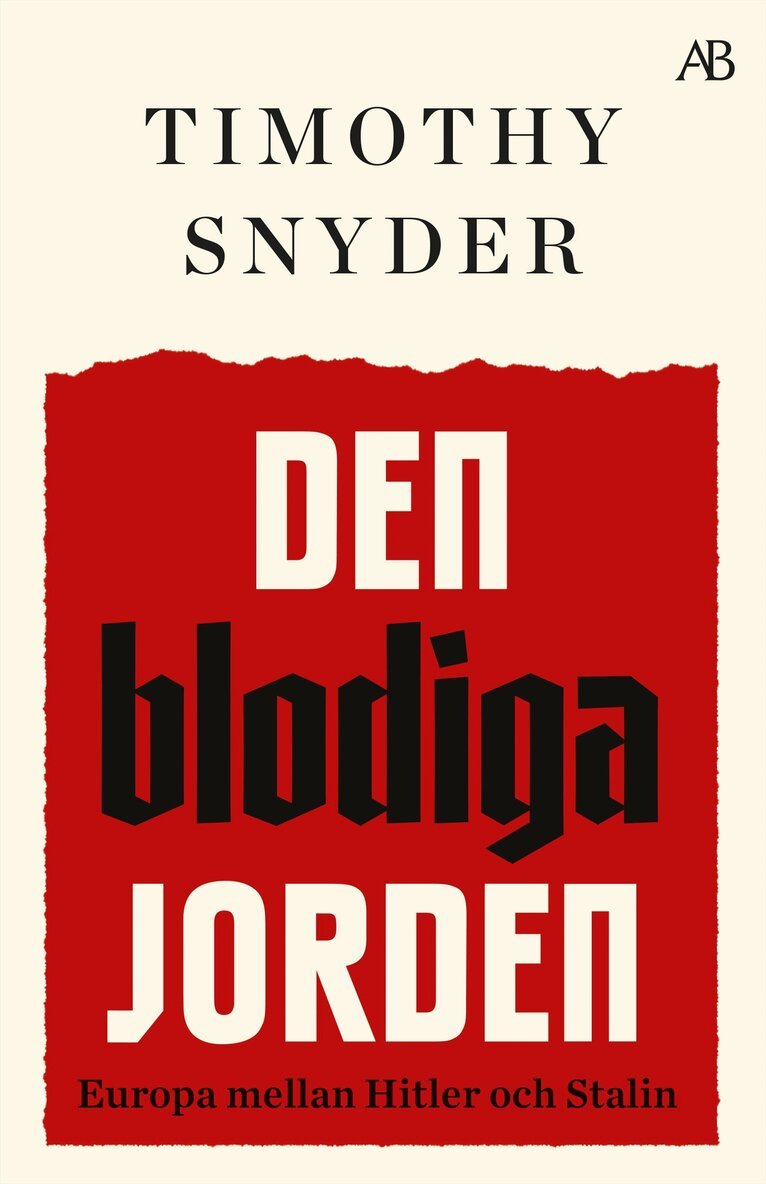
Vi hittar inte den utgåva du söker efter, kanske funkar den här lika bra?
Bloodlands
THE book to help you understand today’s Eastern Europe
Häftad, Engelska, 2011
141 kr
Skickas . Fri frakt över 249 kr.
Fler format och utgåvor
Beskrivning
A powerful and revelatory history book about the bloodlands - the lands that lie between Stalin's Russia and Hitler's Germany - where 14 million people were killed during the years 1933 - 1944.In the middle of Europe, in the middle of the twentieth century, the Nazi and Soviet regimes murdered fourteen million people in the bloodlands between Berlin and Moscow. In a twelve-year-period, in these killing fields - today's Ukraine, Belarus, Poland, Western Russia and the eastern Baltic coast - an average of more than one million citizens were slaughtered every year, as a result of deliberate policies unrelated to combat.In this book Timothy Snyder offers a ground-breaking investigation into the motives and methods of Stalin and Hitler and, using scholarly literature and primary sources, pays special attention to the testimony of the victims, including the letters home, the notes flung from trains, the diaries on corpses. The result is a brilliantly researched, profoundly humane, authoritative and original book that forces us to re-examine one of the greatest tragedies in European history and re-think our past.
Produktinformation
Utforska kategorier
Mer om författaren
Recensioner i media
Innehållsförteckning
Betyg & recensioner
4.7/5
Betyg & recensioner
4.7/5
Hoppa över listan
Mer från samma författare
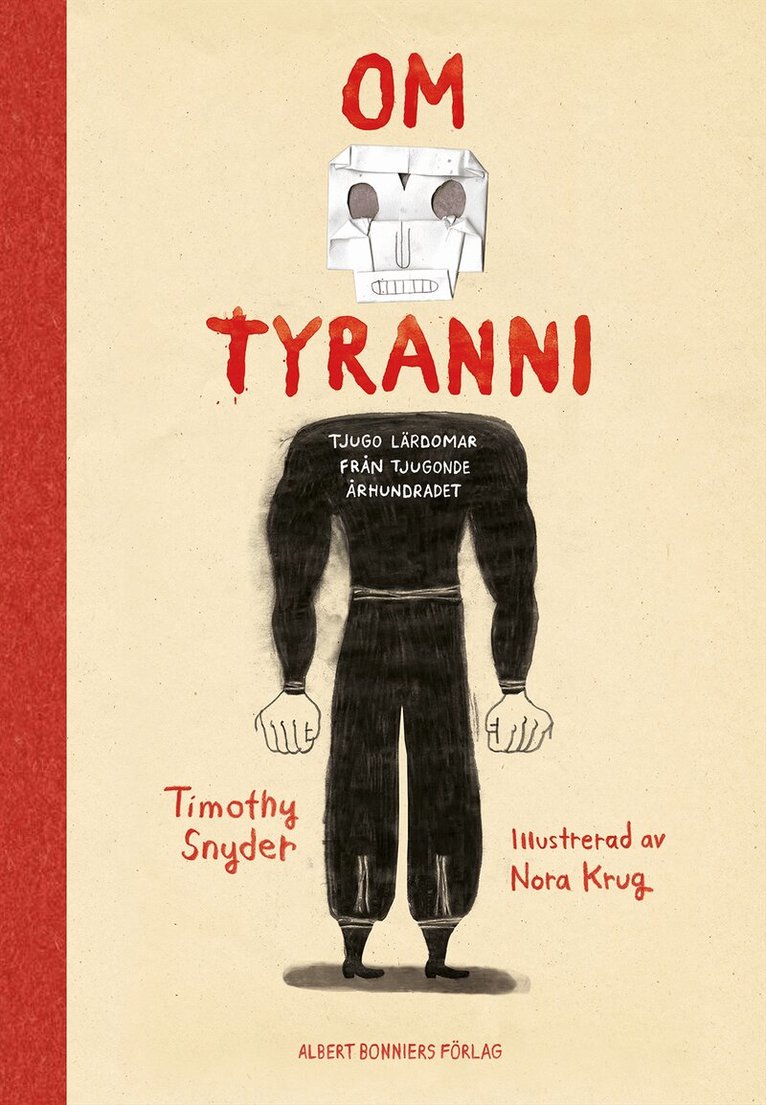
Om tyranni : tjugo lärdomar från det tjugonde århundradet (grafisk utgåva)
Timothy Snyder
Inbunden, 2022
255 kr
Hoppa över listan
Du kanske också är intresserad av
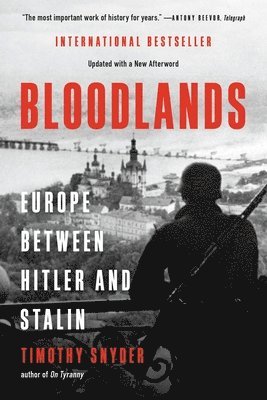
Konsten att skriva en fotnot - Vetenskapliga formalia för humanister
Anna Götlind, Magnus Linnarsson
Häftad, 2025
289 kr
- 4 för 3
Del 12