Kundrecensioner
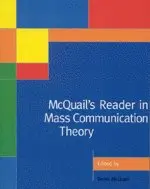
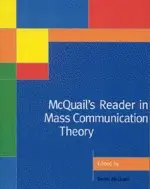
Bli först att betygsätta och recensera boken McQuail's Mass Communication Theory - du kan vinna 200 kr varje månad i tävlingen "Månadens recension".
Fler böcker inom
- Häftad (paperback)
- Språk: Engelska
- Antal sidor: 632
- Utg.datum: 2010-02-18
- Upplaga: 6 Rev ed
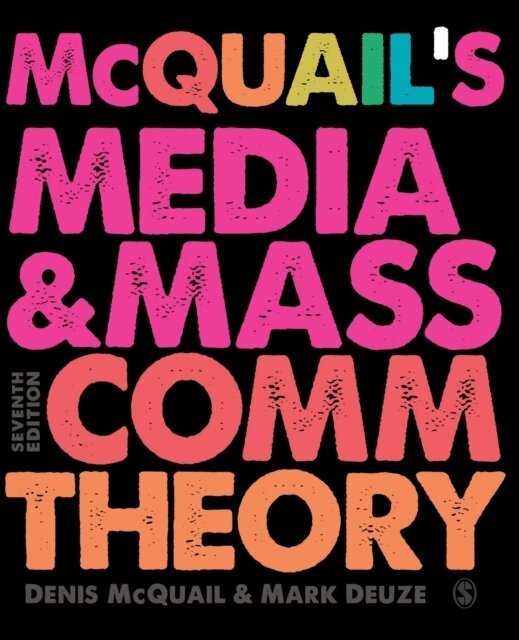
- Förlag: SAGE Publications Ltd
- Illustrationer: illustrations
- Dimensioner: 222 x 184 x 38 mm
- Vikt: 1111 g
- Antal komponenter: 1
- ISBN: 9781849202923
Fler böcker av Denis McQuail
Audience AnalysisDenis McQuail
Häftad
423:-
|
Communication Theory and ResearchDenis McQuail
Häftad
268:-
|
Communication Models for the Study of Mass Communica...Denis McQuail
Häftad
539:-
|
CommunicationsDenis McQuail
Häftad
299:-
|
Recensioner i media
Over successive editions, Denis McQuail has pulled off the trick of expanding the scope of his analysis and integrating new research in a rapidly changing field. Hats off to him once again for making such enormous amounts of material so user-friendly
Philip Schlesinger
University of Glasgow
Denis McQuail's Mass Communication Theory is not just a seminal text in the study of media and society - it is a benchmark for understanding and appreciating the long and winding road people and their media have taken to get us here. Denis McQuail offers the best roadmap available to navigate our times, a roadmap that stands the test of time
Mark Deuze
Indiana University and Leiden University
This is a unique work tested by time and generations of students around the world - North, South, East and West
Kaarle Nordenstreng
University of Tampere
(SAGE Publications)
Bloggat om McQuail's Mass Communication Theory
Innehållsförteckning
PART ONE: PRELIMINARIES Introduction The Rise of the Media PART TWO: THEORIES Concepts and Models for Mass Communication Theory of Media and Theory of Society Mass Communication and Culture New Media - New Theory? Normative Theory of Media and Society PART THREE: STRUCTURES Media Structure and Performance: Principles and Accountability Media Economics and Governance Global Mass Communication PART FOUR: ORGANIZATIONS The Media Organization: Pressures and Demands The Production of Media Culture PART FIVE: CONTENT Media Content: Issues, Concepts and Methods of Analysis Media Genres and Texts PART SIX: AUDIENCES Audience Theory and Research Traditions Audience Formation and Experience PART SEVEN: EFFECTS Processes and Models of Media Effects Social-Cultural Effects News, Public Opinion and Political Communication EPILOGUE The Future of Mass Communication
(SAGE Publications)