Translating for the European Union Institutions
336 kr
Tillfälligt slut
Fler format och utgåvor
Beskrivning
The institutions of the European Union employ hundreds of translators. Why? What do they do? What sort of translation problems do they have to tackle? Has the language policy of the European Union been affected by the recent inclusion of new Member States?This book answers all those questions. Written by three experienced translators from the European Commission, it aims to help general readers, translation students and freelance translators to understand the European Union institutions and their work. Although it deals with written rather than spoken translation, much of the information it gives will be of interest to interpreters too.This second edition has been updated to reflect the new composition of the EU and changes to recruitment procedures.
Produktinformation
- Utgivningsdatum:2001-12-01
- Mått:174 x 246 x undefined mm
- Vikt:453 g
- Format:Häftad
- Språk:Engelska
- Serie:Translation Practices Explained
- Antal sidor:162
- Förlag:St Jerome Publishing
- ISBN:9781900650489
Utforska kategorier
Innehållsförteckning

- Chapter 1 – Why we translateMultilingualism: the principleEquality before the lawCitizenship of the UnionLegal basis of multilingualismLanguage versions or translations?Three common myths about multilingualism Exercises for studentsChapter 2 – The EU institutions: their roles and their translation servicesHow the EU institutions interactThe European CouncilThe European ParliamentThe Council of the European UnionThe European CommissionThe Court of Justice of the European UnionThe European Court of AuditorsThe European Central BankThe European OmbudsmanThe European Data Protection SupervisorFinancial bodies The European Investment Bank The European Investment Fund Advisory bodies The Economic and Social CommitteeThe Committee of the Regions Joint Services of the Economic and Social Committee and the Committee of the RegionsInterinstitutional bodies European External Action service (EEAS) Publications Office of the European UnionEuropean Personnel Selection Office (EPSO) EurostatEuropean Administrative School AgenciesCommon Security and Defence Policy Agencies Police and judicial cooperation in criminal matters Other policy areas (‘Community’ agencies)Executive agenciesEURATOM agencies and bodies 28European Institute of Innovation and Technology (EIT) 28The Translation CentreAn afterthoughtExercises for studentsChapter 3 – How to get inWorking in-house for the EU institutionsRecruitmentEPSO recruitment competitions for permanent translatorsCompetition in two phases General conditions of eligibility for permanent translatorsSuccess rates in recent translators’ competitionsNon-permanent staff: Temporary translators and contract agentsWorking for the EU institutions as a freelance translator‘Calls for tender’ and ‘calls for expressions of interest’ Calls for tender – more detailsFreelance translation in practice: the steps involvedRapid post-editing by freelance post-editorsWorking for the EU institutions as a trainee (intern)Paid and unpaid traineeshipsCooperation with universities training translatorsVisits to the EU institutionsEuropean Master’s in Translation (EMT)Visiting translator scheme (VTS) A final idea: translators as guinea pigsExercises for studentsChapter 4 – What we translateTreatiesLegislation involving several institutionsThe preparatory stagesLegislation issued by a single institutionPolitical scrutinyJudicial scrutinyPublic scrutiny and administrationInformation for the public"We never translate alone!"A footnote: Language rangeExercises for studentsChapter 5 – ProblemsUntranslatabilityNon-transferability of conceptsSupranational concepts and EurospeakSlogans and puns – mission impossibleCrossing cultural barriersTranslating for in-house readersTranslating for readers outside the EU institutionsTranslating for ... who knows?Quality of originals and the effect on translationsDrafting by non-native speakersCollective draftingNew drafting guidelines for legislation, clear writing campaignsInterinstitutional Agreement on the quality of legal drafting Fight the FOG campaignCitizens’ summariesClear Writing campaignEditing of originalsInterference Interference between languagesInterference between registersInterference by non-translatorsDeadlines Exercises for studentsChapter 6 – What the job involvesDay-to-dayOrganisation of workInteraction with clientsTranslation tools and aids used in the EU institutionsInputting translationsOnline teamworkResearchFull-text databases and document collectionsTranslation memoriesMachine translationIn-house trainingOn-the-job trainingLanguage trainingSubject trainingJob prospects for in-house translatorsCareer developmentTeleworkingAlternatives to translationThe futureInterinstitutional cooperationDecentralised translationExercises for studentsChapter 7 – EU enlargement and its impact on translationEnlargement: translation facts and figuresDefending multilingualismEnlargement datesPre-accession and post-accession needsTranslation of the acquis communautaire (EU legislation in force)Revising the translations of primary and secondary legislationIn-house preparation for enlargementRecruitmentA virtual accession: Newland joins the EUTranslation of the acquis into NewlishTranslation out of Newlish: training of in-house staffTranslation into Newlish: training of future translators in NewlandTranslation into Newlish: recruitment to the EU institutionsPublic reactions in Newland to EU translationsExercises for studentsChapter 8 – Translator profilesAngelika Vaasa, translator at the European ParliamentJosé Cuenda Guijarro, translator at the Council of the European UnionWanda Vrbata-Gr?plowska, Polish translator and terminologist at the European CommissionDavid Monkcom, editor and former translator at the European CommissionSimon Bartolo, translator in the Web Translation Unit at the European CommissionSimona Pe?nik Krži?, Slovenian translator at the European Court of AuditorsAnnex 1The Treaties The Constitutional Treaty and the Treaty of LisbonAnnex 2A brief guide to European Union legislation1. Types of instrument2. The anatomy of an instrument
Hoppa över listan


Mer från samma serie
Project-Based Approach to Translation Technology
Rosemary Mitchell-Schuitevoerder
Inbunden, 2020
2 222 kr
Patient-Centred Translation and Communication
Vicent Montalt-Resurrecció, Isabel García-Izquierdo, Ana Muñoz-Miquel
Inbunden, 2024
2 061 kr
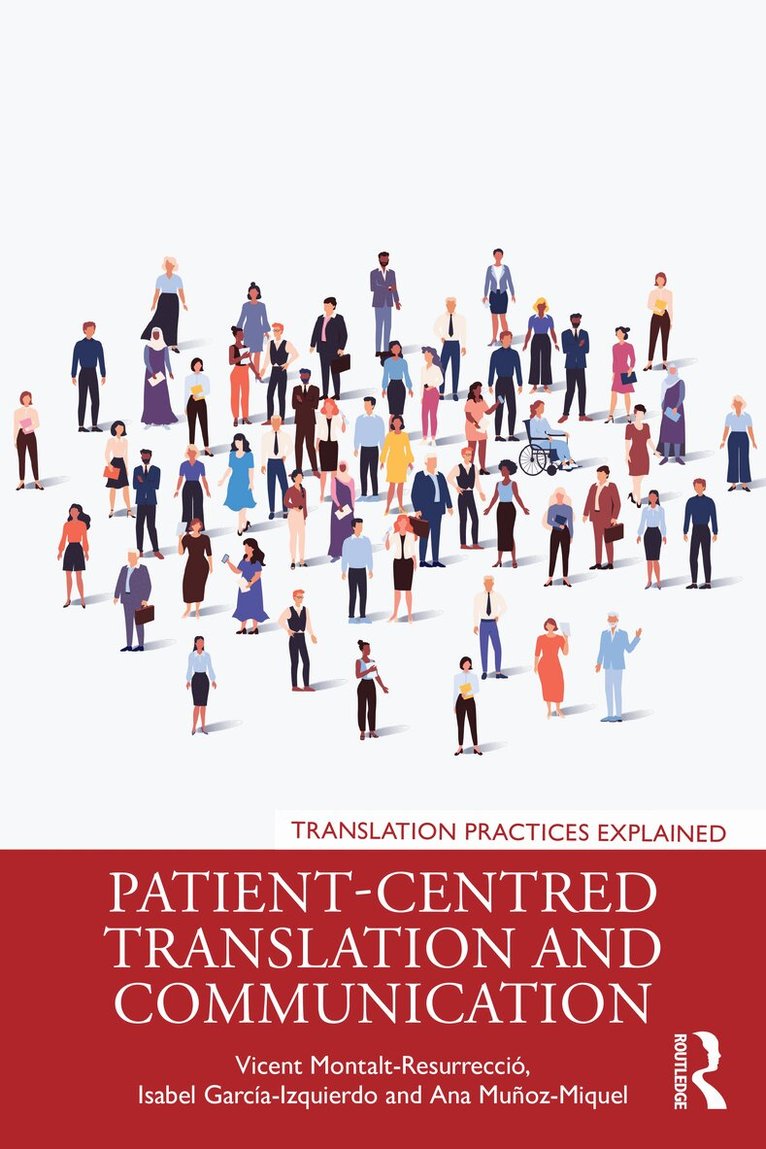
Patient-Centred Translation and Communication
Vicent Montalt-Resurrecció, Isabel García-Izquierdo, Ana Muñoz-Miquel
Häftad, 2024
560 kr
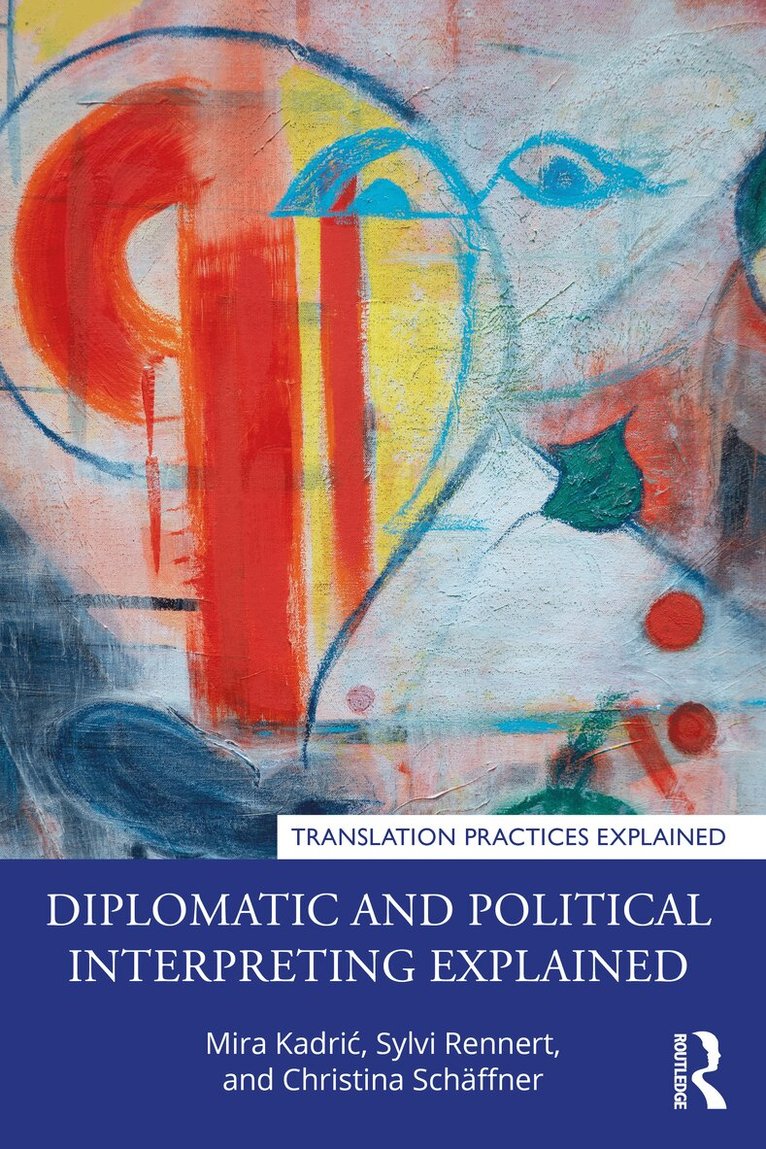
Diplomatic and Political Interpreting Explained
Mira Kadrić, Sylvi Rennert, Christina Schäffner
Häftad, 2021
562 kr
Diplomatic and Political Interpreting Explained
Mira Kadrić, Sylvi Rennert, Christina Schäffner
Inbunden, 2021
2 157 kr
Indirect Translation Explained
Hanna Pięta, Rita Bueno Maia, Ester Torres-Simón
Inbunden, 2022
2 222 kr
Hoppa över listan








Du kanske också är intresserad av
Translating for the European Union Institutions
Emma Wagner, Svend Bech, Jesús Martínez, Dorothy Kelly
Häftad, 2014
607 kr
Translating for the European Union Institutions
Emma Wagner, Svend Bech, Jesús Martínez, Dorothy Kelly
Inbunden, 2016
2 222 kr
- -30%
- -30%
- -22%
Del 3
- 4 för 3
Del 8
- 4 för 3
Del 1
- Signerad!
- Nyhet
Del 2
- 4 för 3
Del 2