
Albert Hofmann – författare
Visar alla böcker från författaren Albert Hofmann. Handla med fri frakt och snabb leverans.
21 produkter
21 produkter
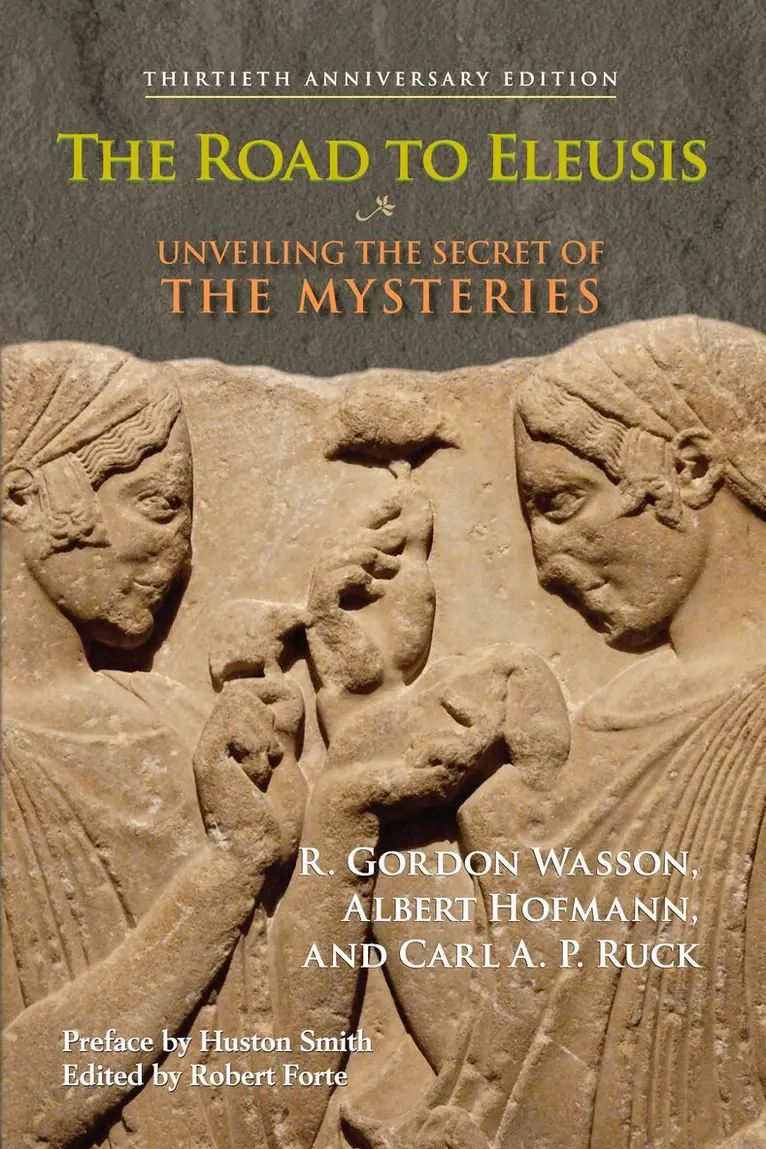
Häftad, Engelska, 2008
199 kr
Skickas inom 7-10 vardagar
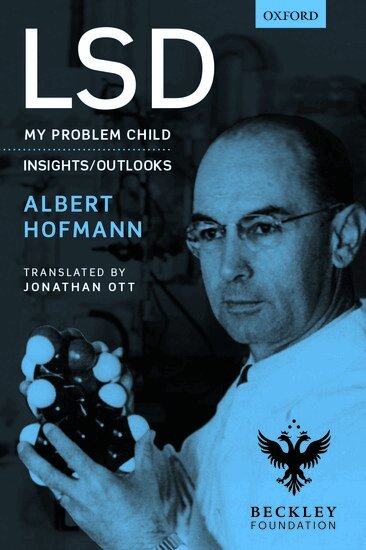
Häftad, Engelska, 2018
351 kr
Skickas inom 5-8 vardagar
Albert Hofmann, who died in 2008 aged 102, first synthesized lysergic acid diethylamide (LSD) in 1938, but the results of animal tests were so unremarkable that the chemical was abandoned. Driven by intuition, he synthesized it again in 1943, and serendipitously noticed its profound effects on himself. Although his work produced other important drugs, including methergine, hydergine and dihydroergotamine, it was LSD that shaped his career.After his discovery of LSD's properties, Hofmann spent years researching sacred plants. He succeeded in isolating and synthesizing the active compounds in the Psilocybe mexicana mushroom, which he named psilocybin and psilocin. During the 60s, Hofmann struck up friendships with personalities such as Aldous Huxley, Gordon Wasson, and Timothy Leary. He continued to work at Sandoz until 1971 when he retired as Director of Research for the Department of Natural Products. He subsequently served as a member of the Nobel Prize Committee, and was nominated by Time magazine as one of the most influential figures of the 20th century.In 2007, Albert Hofmann asked Amanda Feilding if she could publish his Problem Child, and shortly before his death he approved a new and updated translation of his autobiography (first published by McGraw Hill in 1979). It appears here for the first time in print.
Del 20 - Cambridge Monographs on Particle Physics, Nuclear Physics and Cosmology
The Physics of Synchrotron Radiation
Häftad, Engelska, 2007
786 kr
Skickas inom 7-10 vardagar
This book explains the underlying physics of synchrotron radiation and derives its main properties. It is divided into four parts. The first covers the general case of the electromagnetic fields created by an accelerated relativistic charge. The second part concentrates on the radiation emitted by a charge moving on a circular trajectory. The third looks at undulator radiation, covering plane weak undulators, strong undulators and other more general undulators. The final part deals with applications and investigates the optics of synchrotron radiation dominated by diffraction due to the small opening angle. It also includes a description of electron storage rings as radiation sources and the effect of the emitted radiation on the electron beam. This book provides a valuable reference for scientists and engineers in the field of accelerators, and all users of synchrotron radiation.
Del 20 - Cambridge Monographs on Particle Physics, Nuclear Physics and Cosmology
The Physics of Synchrotron Radiation
Inbunden, Engelska, 2004
2 109 kr
Skickas inom 7-10 vardagar
This book explains the underlying physics of synchrotron radiation and derives its main properties. It is divided into four parts. The first covers the general case of the electromagnetic fields created by an accelerated relativistic charge. The second part concentrates on the radiation emitted by a charge moving on a circular trajectory. The third looks at undulator radiation, covering plane weak undulators, strong undulators and other more general undulators. The final part deals with applications and investigates the optics of synchrotron radiation dominated by diffraction due to the small opening angle. It also includes a description of electron storage rings as radiation sources and the effect of the emitted radiation on the electron beam. This book provides a valuable reference for scientists and engineers in the field of accelerators, and all users of synchrotron radiation.
Häftad, Engelska, 2001
347 kr
Skickas inom 3-6 vardagar
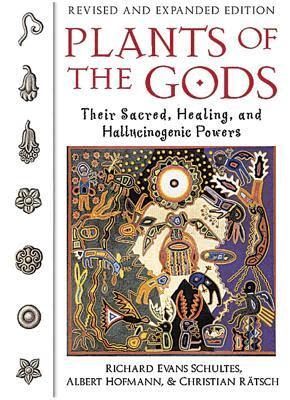
Three scientific titans join forces to completely revise the classic text on the ritual uses of psychoactive plants. They provide a fascinating testimony of these ""plants of the gods,"" tracing their uses throughout the world and their significance in shaping culture and history. In the traditions of every culture, plants have been highly valued for their nourishing, healing, and transformative properties. The most powerful of those plants, which are known to transport the human mind into other dimensions of consciousness, have always been regarded as sacred. The authors detail the uses of hallucinogens in sacred shamanic rites while providing lucid explanations of the biochemistry of these plants and the cultural prayers, songs, and dances associated with them. The text is lavishly illustrated with 400 rare photographs of plants, people, ceremonies, and art related to the ritual use of the world's sacred psychoactive flora.

Häftad, Engelska, 1988
333 kr
Skickas inom 3-6 vardagar
Häftad, Engelska, 2017
237 kr
Skickas inom 3-6 vardagar

Inbunden, Tyska, 2023
392 kr
Skickas inom 5-8 vardagar

Häftad, Tyska, 2023
281 kr
Skickas inom 5-8 vardagar
Häftad, Engelska, 2013
152 kr
Skickas
Best known as the first person to synthesize, ingest, and discover the psychedelic effects of LSD, Albert Hofmann was more than just a chemist. A pioneer in the field of visionary plant research, he was one of the first people to suggest the use of entheogens for psychological healing and spiritual growth. His insights into the consciousness-expanding effects of psychedelics as well as human nature, the psyche, and the nature of reality earned him a reputation as a mystical scientist and visionary philosopher. This book--Hofmann’s last work before his death in 2008 at the age of 102--offers the acclaimed scientist’s personal experiences and thoughts on chemistry, the natural sciences, mind-altering drugs, the soul, and the search for happiness and meaning in life. Hofmann explains different methods of pharmaceutical research based on traditional plant medicine and discusses psilocybin, the active compound in psychedelic mushrooms that he discovered. He examines the psychological role of psychoactives, their therapeutic potential, and their use in easing the life-to-death transition. Sharing a different side of the father of LSD, one known only to his friends and close colleagues, this book also includes the poetry of this mystical prophet of psychedelic science.
Inbunden, Tyska
158 kr
Skickas inom 3-6 vardagar

Häftad, Tyska
194 kr
Skickas inom 3-6 vardagar

Häftad, Tyska, 2025
1 185 kr
Skickas inom 5-8 vardagar

Inbunden, Tyska, 2025
1 478 kr
Skickas inom 5-8 vardagar
Inbunden, Tyska, 2015
262 kr
Skickas inom 3-6 vardagar

Häftad, Tyska, 2021
1 196 kr
Skickas inom 5-8 vardagar

Inbunden, Tyska, 2021
1 478 kr
Skickas inom 5-8 vardagar

Häftad, Tyska, 2021
1 185 kr
Skickas inom 5-8 vardagar

Inbunden, Tyska, 2021
1 478 kr
Skickas inom 5-8 vardagar

Del 7 - edition.epilog.de
elektrische Hoch- und Untergrundbahn in Berlin
Häftad, Tyska, 2022
256 kr
Skickas inom 5-8 vardagar
Häftad, Engelska, 2023
277 kr
Skickas inom 5-8 vardagar
The masterpiece we have all been waiting for in this classic text from the 60s, Ergot Alkaloids comes to life in the English translation of Albert Hofmann's historic encyclopedia of Ergot Alkaloids and their derivatives.This title is a detailed account of chemical compounds and pharmacological investigation into the potential of magical plants. Starting with the botany and cultivation of the ergot mushroom, Hofmann takes us through the historical elaboration of the fungus including the poisoning epidemic of ergot and its early medical uses all the way to the use of psilocybin as a "magical drug". With a detailed timeline, we explore the growth of the pharmaceutical-chemical investigation from 1816 to 1961 with a total synthesis of ergotamine including tables of chemical structures and the role of lysergic acid, d-lysergic acid and diethylamide in experimental psychiatry gaining increasing importance in psychotherapy as a medical aid. Hofmann brings an observational account of these plants and their ceremonial and healing purposes still used by indigenous peoples such as the "Peyotl" cactus, "Teonanactl" the sacred mushroom of the Aztecs and "Ololiuqui" the seeds of bindweed plants.With representations of over 30 chemical structures and pharmaceutical analysis, Hofmann introduces the next generation of scientific knowledge into the world of hallucinogenic plants and special subgroups of psychotropic drugs which he calls phantastica, hallucinogens, psychotomimetic, psychedelica, psychodysleptics and more.