
David T Zabecki – författare
Visar alla böcker från författaren David T Zabecki. Handla med fri frakt och snabb leverans.
17 produkter
17 produkter
Häftad, Engelska, 2017
586 kr
Skickas inom 3-6 vardagar
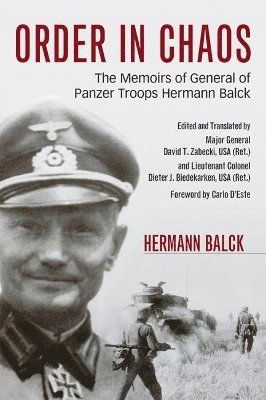
German general Hermann Balck (1897--1982) was considered to be one of World War II's greatest battlefield commanders. His brilliantly fought battles were masterpieces of tactical agility, mobile counterattack, and the technique of Auftragstaktik, or "mission command." However, because he declined to participate in the U.S. Army's military history debriefing program, today he is known only to serious students of the war.Drawing heavily on his meticulously kept wartime journals, Balck discusses his childhood and his career through the First and Second World Wars. His memoir details the command decision-making process as well as operations on the ground during crucial battles, including the Battle of the Marne in World War I and his incredible victories against a larger and better-equipped Soviet army at the Chir River in World War II. Balck also offers observations on Germany's greatest generals, such as Erich Ludendorff and Heinz Guderian, and shares his thoughts on international relations, domestic politics, and Germany's place in history. Available in English for the first time in an expertly edited and annotated edition, this important book provides essential information about the German military during a critical era in modern history.
Inbunden, Engelska, 2015
1 189 kr
Tillfälligt slut
German general Hermann Balck (1897--1982) was considered to be one of World War II's greatest battlefield commanders. His brilliantly fought battles were masterpieces of tactical agility, mobile counterattack, and the technique of Auftragstaktik, or "mission command." However, because he declined to participate in the U.S. Army's military history debriefing program, today he is known only to serious students of the war.Drawing heavily on his meticulously kept wartime journals, Balck discusses his childhood and his career through the First and Second World Wars. His memoir details the command decision-making process as well as operations on the ground during crucial battles, including the Battle of the Marne in World War I and his incredible victories against a larger and better-equipped Soviet army at the Chir River in World War II. Balck also offers observations on Germany's greatest generals, such as Erich Ludendorff and Heinz Guderian, and shares his thoughts on international relations, domestic politics, and Germany's place in history. Available in English for the first time in an expertly edited and annotated edition, this important book provides essential information about the German military during a critical era in modern history.
Inbunden, Engelska, 2018
337 kr
Skickas inom 11-20 vardagar
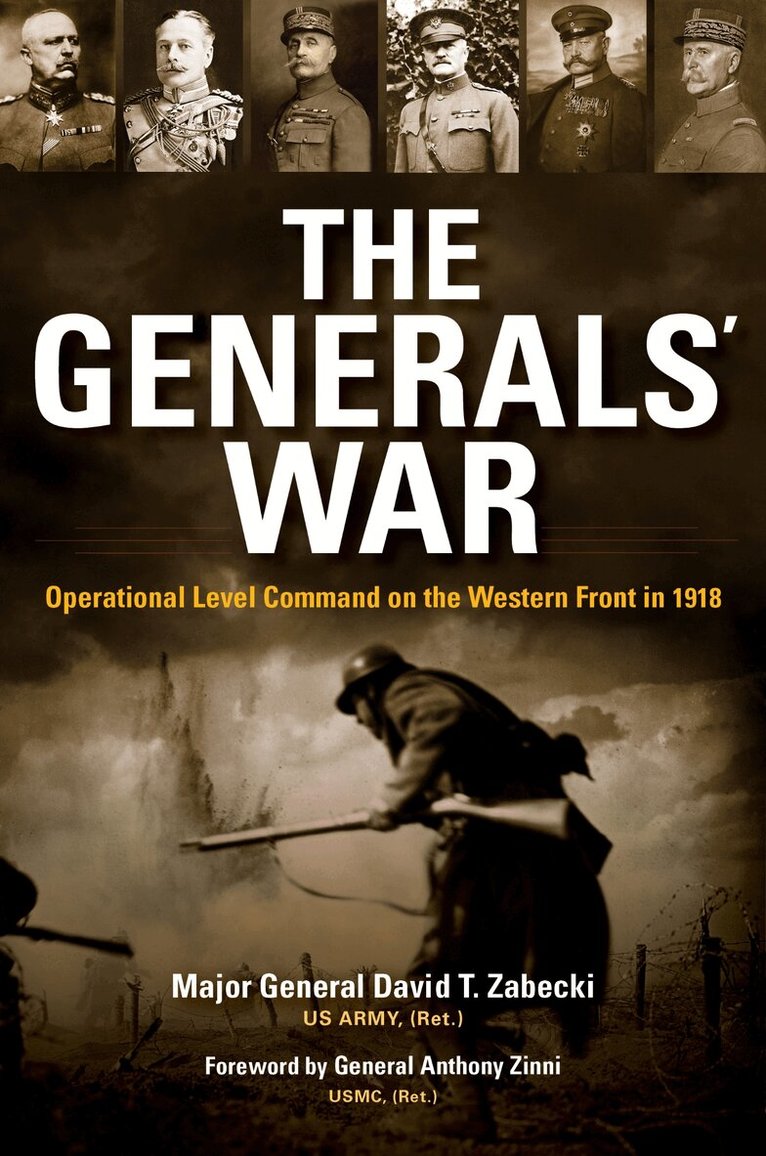
Known as the War to End all Wars and the Great War, World War I introduced new forms of mass destruction and modern technological warfare. When the Bolsheviks pulled Russia out of the war in late 1917, the Germans turned their offensive efforts to the Western Front in an attempt to win the war in 1918. But as fresh American troops entered Europe, the strategic scales tipped against Germany.Much of how World War I played out turned on the plans and decisions of the senior-most German and Allied commanders. The Generals' War explores the military strategies of those generals during the last year of the Great War. These six very different men included Germany's Field Marshal Paul von Hindenburg and General Erich Ludendorff; France's Marshals Ferdinand Foch and Philippe Pétain; Great Britain's Field Marshal Sir Douglas Haig; and the United States' General John Pershing. Although history remembers none of them as great captains, these six officers determined for better or worse how World War I was fought on the battlefields of the Western Front between November 1917 and November 1918.The Generals' War is a landmark exploration of the generalship that shaped the very framework of modern warfare as we know it today and provides a comprehensive and detailed analysis on the senior commanders of the Great War.
Inbunden, Engelska, 1994
1 473 kr
Skickas inom 3-6 vardagar
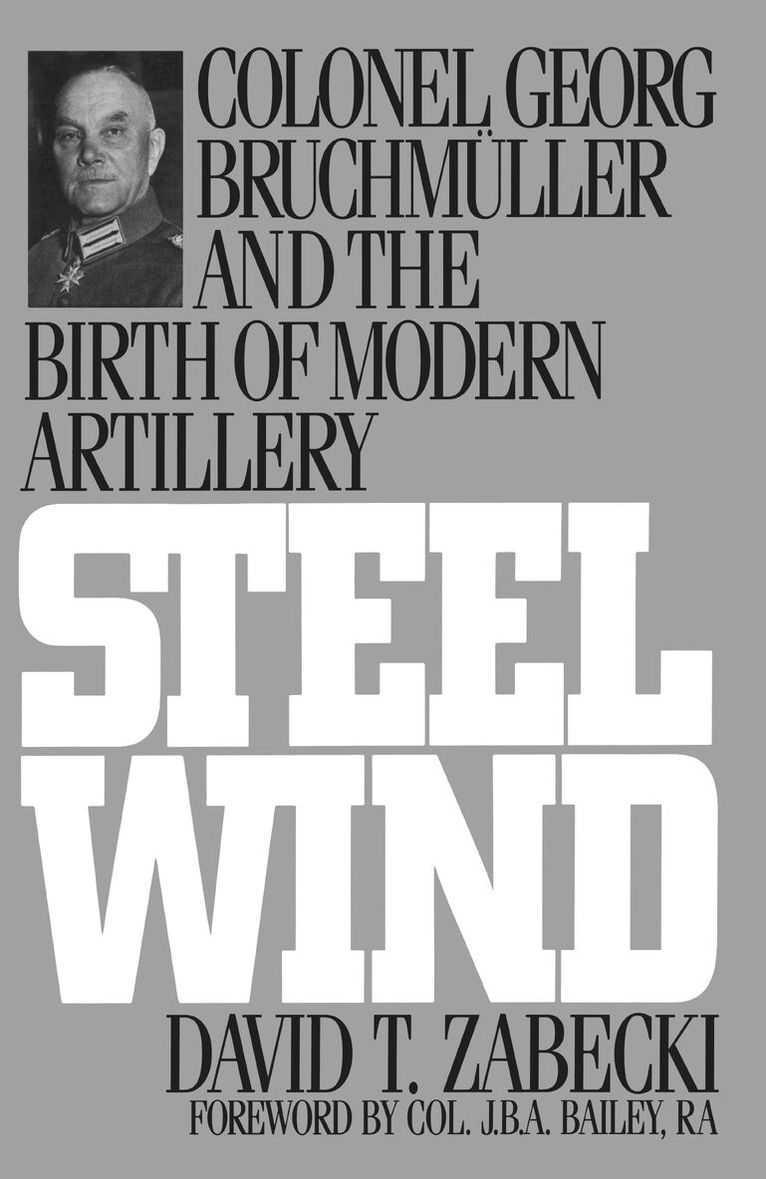
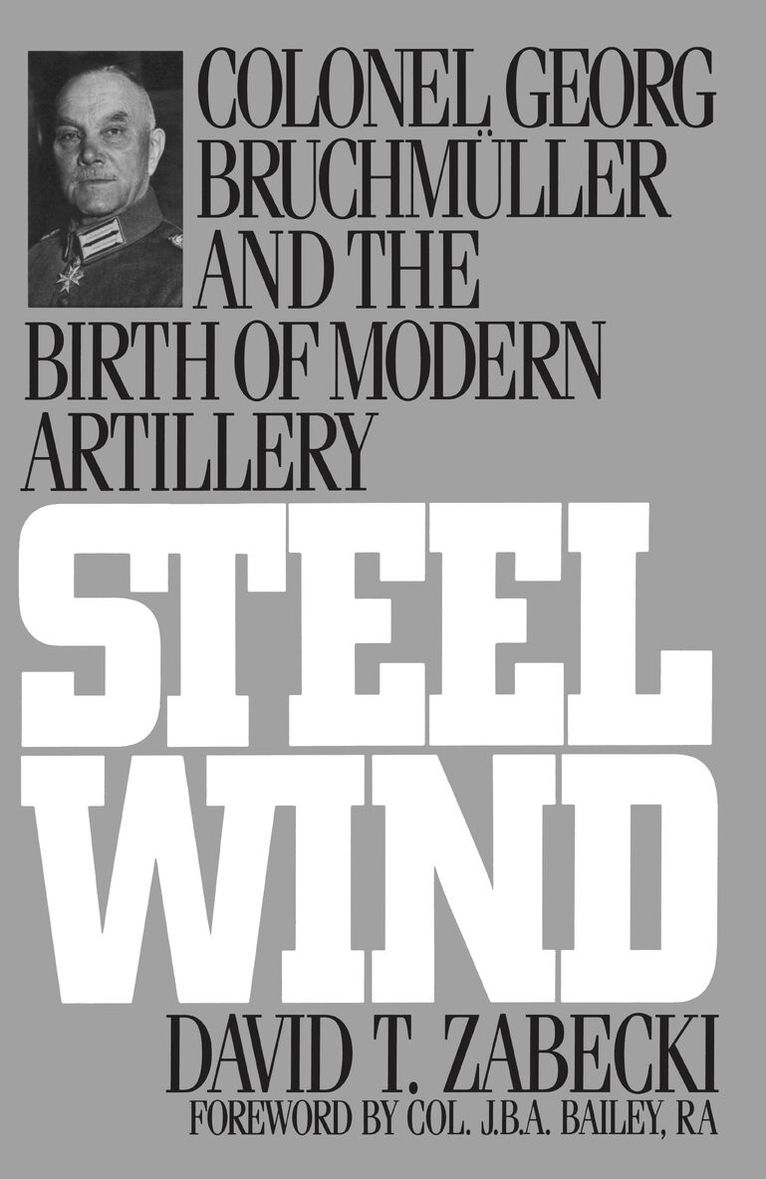
Steel Wind is a piece of historical detective work that explains how Colonel Georg Bruchmuller, an obscure German artillery officer recalled from retirement, played a pivotal role in the revolution of offensive tactics that took place in 1917-18. Ironically, the methods developed by Bruchmuller ultimately were rejected by the German Army of World War II, but they were taken up and applied with a vengeance by the emerging Red Army. The Soviets further developed Bruchmuller's principles and incorporated them into their doctrine, where they remain to this day. Through Soviet doctrine, they have become fundamental to the practice of many other armies. Bruchmuller's influence in shaping the former Soviet Army has also been mirrored in the shape of those armies designed to oppose it.
Häftad, Engelska, 1994
508 kr
Skickas inom 10-15 vardagar
Steel Wind is a piece of historical detective work that explains how Colonel Georg Bruchmuller, an obscure German artillery officer recalled from retirement, played a pivotal role in the revolution of offensive tactics that took place in 1917-18. Ironically, the methods developed by Bruchmuller ultimately were rejected by the German Army of World War II, but they were taken up and applied with a vengeance by the emerging Red Army. The Soviets further developed Bruchmuller's principles and incorporated them into their doctrine, where they remain to this day. Through Soviet doctrine, they have become fundamental to the practice of many other armies. Bruchmuller's influence in shaping the former Soviet Army has also been mirrored in the shape of those armies designed to oppose it.

Inbunden, Engelska, 2006
2 696 kr
Skickas inom 10-15 vardagar
This is the first study of the Ludendorff Offensives of 1918 based extensively on key German records presumed to be lost forever after Potsdam was bombed in 1944. In 1997, David T. Zabecki discovered translated copies of these files in a collection of old instructional material at the U.S. Army Command and General Staff College at Fort Leavenworth, Kansas. He presents his findings here for the first time, with a thorough review of the surviving original operational plans and orders, to offer a wealth of fresh insights to the German Offensives of 1918. David T. Zabecki clearly demonstrates how the German failure to exploit the vulnerabilities in the BEF’s rail system led to the failure of the first two offensives, and how inadequacies in the German rail system determined the outcome of the last three offensives. This is a window into the mind of the German General Staff of World War I, with thorough analysis of the German planning and decision making processes during the execution of battles. This is also the first study in English or in German to analyze the specifics of the aborted Operation HAGEN plan. This is also the first study of the 1918 Offensives to focus on the ‘operational level of war’ and on the body of military activity known as ‘the operational art’, rather than on the conventional tactical or strategic levels.This book will be of great interest to all students of World War I, the German Army and of strategic studies and military theory in general.

Häftad, Engelska, 2009
701 kr
Skickas inom 10-15 vardagar
This is the first study of the Ludendorff Offensives of 1918 based extensively on key German records presumed to be lost forever after Potsdam was bombed in 1944. In 1997, David T. Zabecki discovered translated copies of these files in a collection of old instructional material at the U.S. Army Command and General Staff College at Fort Leavenworth, Kansas. He presents his findings here for the first time, with a thorough review of the surviving original operational plans and orders, to offer a wealth of fresh insights to the German Offensives of 1918. David T. Zabecki clearly demonstrates how the German failure to exploit the vulnerabilities in the BEF’s rail system led to the failure of the first two offensives, and how inadequacies in the German rail system determined the outcome of the last three offensives. This is a window into the mind of the German General Staff of World War I, with thorough analysis of the German planning and decision making processes during the execution of battles. This is also the first study in English or in German to analyze the specifics of the aborted Operation HAGEN plan. This is also the first study of the 1918 Offensives to focus on the ‘operational level of war’ and on the body of military activity known as ‘the operational art’, rather than on the conventional tactical or strategic levels.This book will be of great interest to all students of World War I, the German Army and of strategic studies and military theory in general.
Inbunden, Engelska, 2012
570 kr
Skickas inom 3-6 vardagar
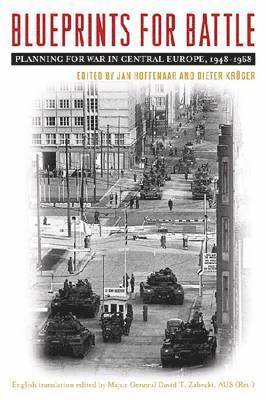
While scholarship abounds on the diplomatic and security aspects of the Cold War, very little attention has been paid to military planning at the operational level. In Blueprints for Battle, experts from Russia, the United States, and Europe address this dearth by closely examining the military planning of NATO and Warsaw Pact member nations from the end of World War II to the beginning of détente. Informed by material from recently opened archives, this collection investigates the perceptions and actions of the rival coalitions, exploring the challenges presented by nuclear technology, examining how military commanders' perceptions changed from the 1950s to the 1960s, and discussing logistical coordination among allied states. The result is a detailed study that offers much-needed new perspectives on the military aspects of the early Cold War.
Inbunden, Engelska, 2012
570 kr
Skickas inom 3-6 vardagar
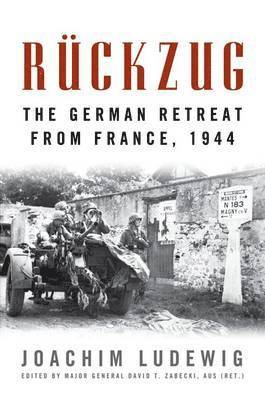
The Allied invasion of Normandy on June 6, 1944, marked a critical turning point in the European theater of World War II. The massive landing on France's coast had been meticulously planned for three years, and the Allies anticipated a quick and decisive defeat of the German forces. Many of the planners were surprised, however, by the length of time it ultimately took to defeat the Germans.While much has been written about D-day, very little has been written about the crucial period from August to September, immediately after the invasion. In Rückzug, Joachim Ludewig draws on military records from both sides to show that a quick defeat of the Germans was hindered by excessive caution and a lack of strategic boldness on the part of the Allies, as well as by the Germans' tactical skill and energy. This intriguing study, translated from German, not only examines a significant and often overlooked phase of the war, but also offers a valuable account of the conflict from the perspective of the German forces.
Inbunden, Engelska, 2017
804 kr
Skickas inom 3-6 vardagar
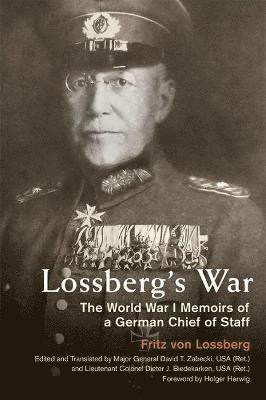
General Fritz von Lossberg (1868--1942) directed virtually all the major German defensive battles on the Western Front during the First World War. Hailed as "the Lion of the Defensive," he was an extremely influential military tactician and, unlike many other operations officers of his era, was quick to grasp the changes wrought by technology.Now available for the first time in English, Lossberg's memoir explains how he developed, tested, and implemented his central principles -- flexibility, decentralized control, and counterattack -- which were based on a need to adapt to shifting conditions on the battlefield. Lossberg first put his theory of elastic defense combined with defense-in-depth into practice during the Battle of Arras (April--May 1917), where it succeeded. At the Battle of Passchendaele (June--November 1917), his achievements on the field proved the feasibility of his strategy of employing a thinly manned front line that minimized the number of soldiers exposed to artillery fire. Lossberg's tactical modernizations have become essential components of army doctrine, and Lossberg's War: The World War I Memoirs of A German Chief of Staff will take readers inside the mind of one of the most significant military innovators of the twentieth century.
Häftad, Engelska, 2017
500 kr
Skickas inom 3-6 vardagar
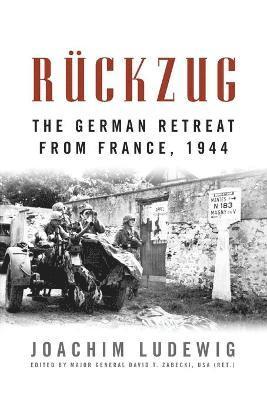
The Allied invasion of Normandy on June 6, 1944, marked a critical turning point in the European theater of World War II. The massive landing on France's coast had been meticulously planned for three years, and the Allies anticipated a quick and decisive defeat of the German forces. Many of the planners were surprised, however, by the length of time it ultimately took to defeat the Germans.While much has been written about D-day, very little has been written about the crucial period from August to September, immediately after the invasion. In Rückzug, Joachim Ludewig draws on military records from both sides to show that a quick defeat of the Germans was hindered by excessive caution and a lack of strategic boldness on the part of the Allies, as well as by the Germans' tactical skill and energy. This intriguing study, translated from German, not only examines a significant and often overlooked phase of the war, but also offers a valuable account of the conflict from the perspective of the German forces.
7 851 kr
Skickas inom 10-15 vardagar
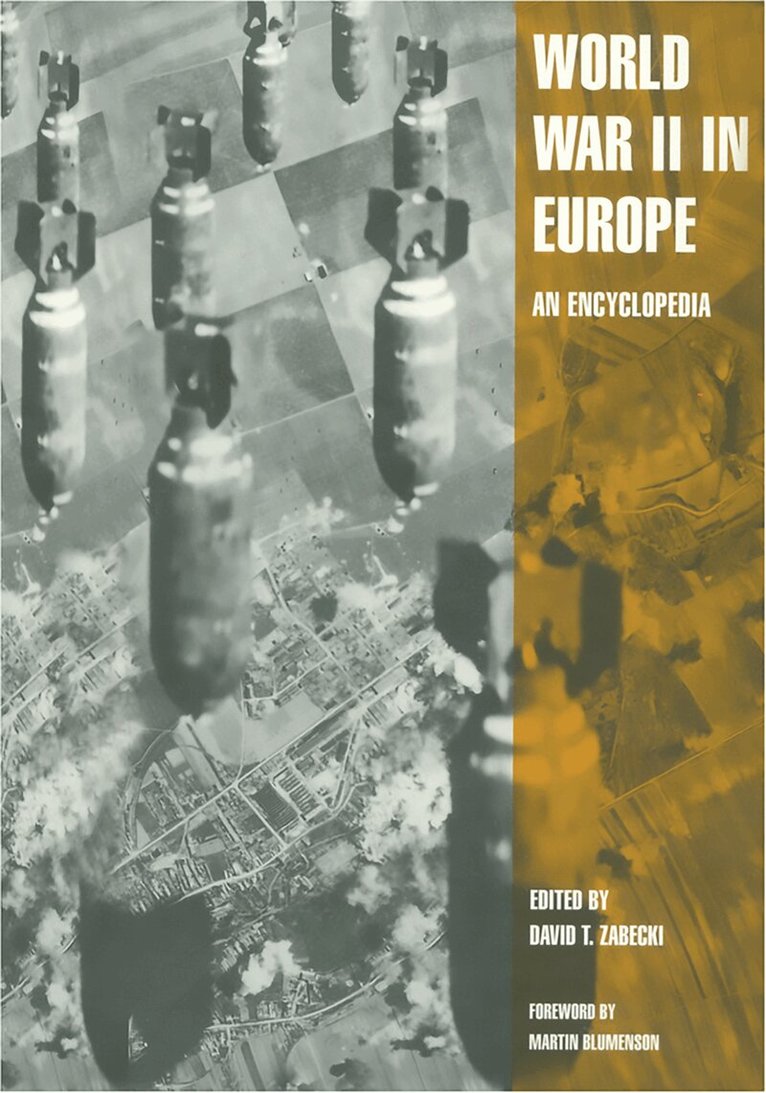
World War II defined the 20th century and shaped many events, from the decolonization of Africa to the rise and fall of the Berlin Wall. This encyclopedia offers a focused overview of this complex and volatile era, the circumstances that led up to war, the underlying causes, its unfolding and consequences. Organized for quick and precise access More than 1300 entries by 150 experts are arranged in six sections for easy reference and consultation. All the key ideas, events, actions, weapons, individuals, and organizations that played vital roles in the war are covered, from the Axis Pact to the Arab League, from the OSS to the Africa Korps, from the Chetniks to the Jedburghs, from the battle of Kursk to Operation Mincemeat, from Bill Donovan to Otto Skorzeny, from Gestapo to SMERSH, from Georgi Zhukov to Jean Leclerc, from the 88 gun to the Norden Bombsight. Covers important neglected subjects The Encyclopedia puts special emphasis on the often-neglected operations in Eastern Europe and Russia. A key section inspects and rates all the major weapons, with handy tables for easy comparison. And in recognition of the first large-scale participation of women in the war, the volume thoroughly documents their individual and unit contributions to the Allied effort. Finally, the encyclopedia discusses battlefield realties that explain, for example, why the airborne drops at Normandy succeeded and the ones at Arnheim failed. A bibliography, glossary, maps, photographs, and weapons and data tables enhance the coverage. Also includes 16 maps.
Inbunden, Engelska, 2019
1 191 kr
Skickas inom 10-15 vardagar
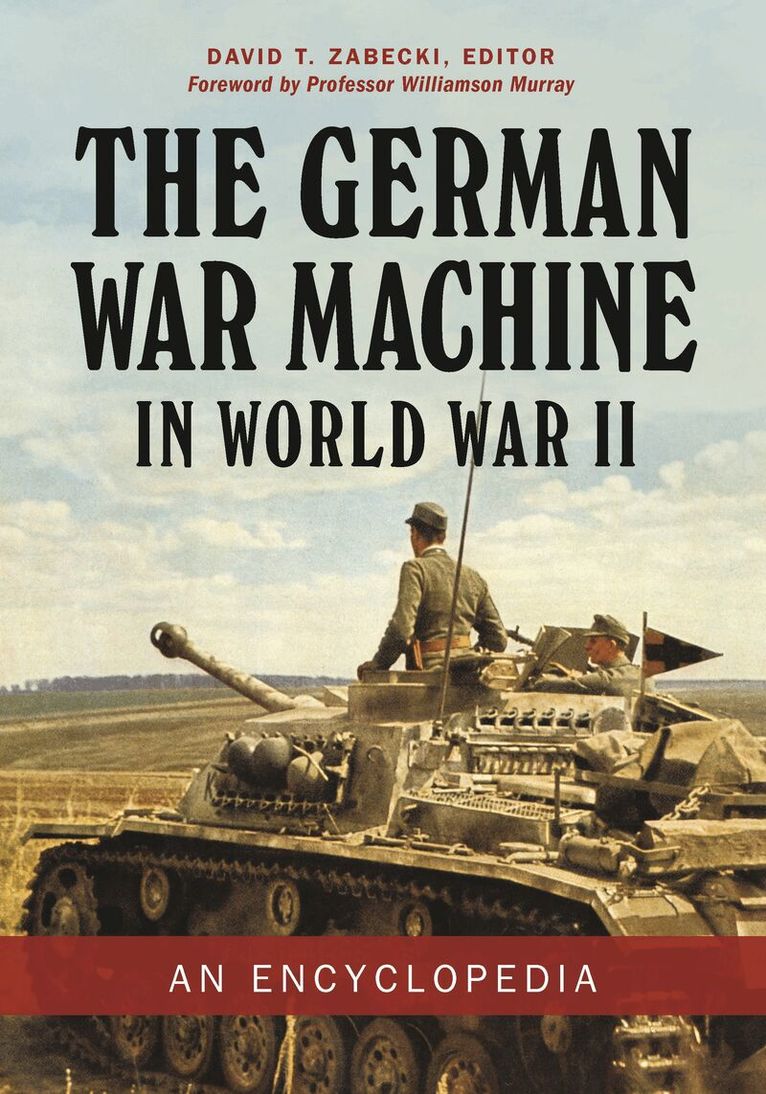
This invaluable resource offers students a comprehensive overview of the German war machine that overran much of Europe during World War II, with close to 300 entries on a variety of topics and a number of key primary source documents.This book provides everything the reader needs to know about the German war machine that developed into the potent armed force under Adolf Hitler. This expansive encyclopedia covers the period of the German Third Reich, from January 1933 to the end of World War II in Europe, in May 1945. Dozens of entries on key battles and military campaigns, military and political leaders, military and intelligence organizations, and social and political topics that shaped German military conduct during World War II are followed by an illuminating epilogue that outlines why Germany lost World War II.A documents section includes more than a dozen fascinating primary sources on such significant events as the Tripartite Pact among Germany, Italy, and Japan; the Battle of Stalingrad; the Normandy Invasion; the Ardennes Offensive; and Germany's surrender. In addition, six appendices provide detailed information on a variety of topics such as German aces, military commanders, and military medals and decorations. The book ends with a chronology and a bibliography of print resources.
Häftad, Engelska, 2021
284 kr
Skickas inom 5-8 vardagar
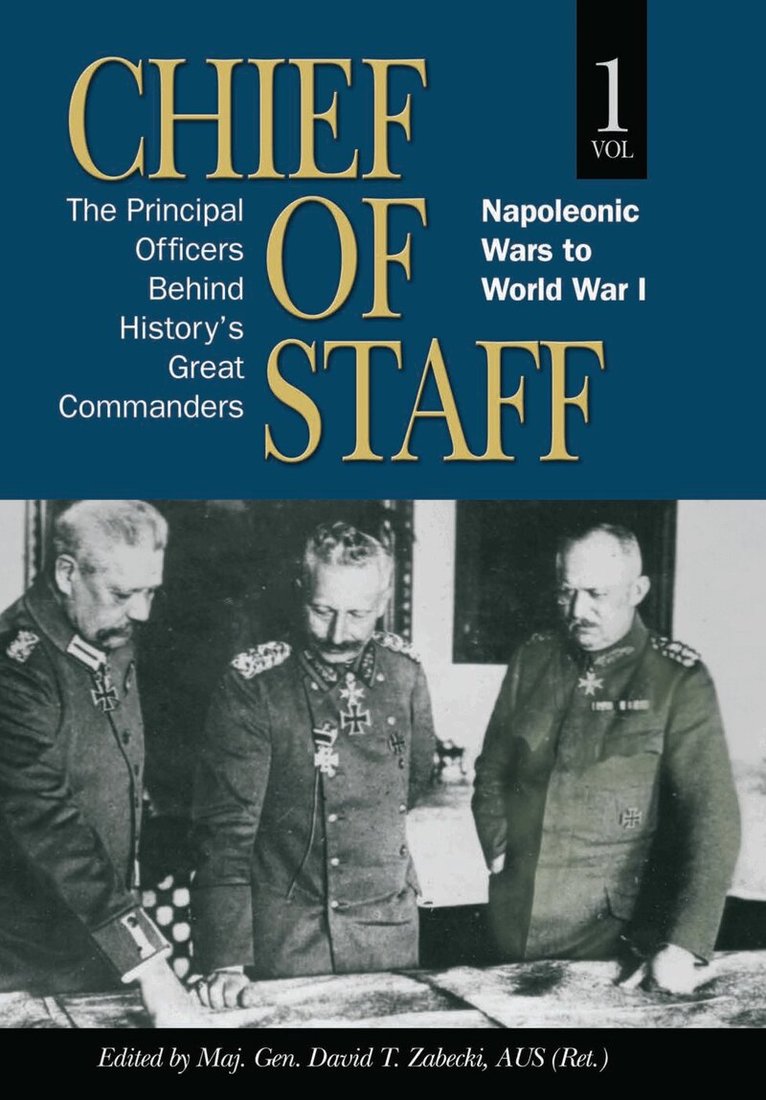
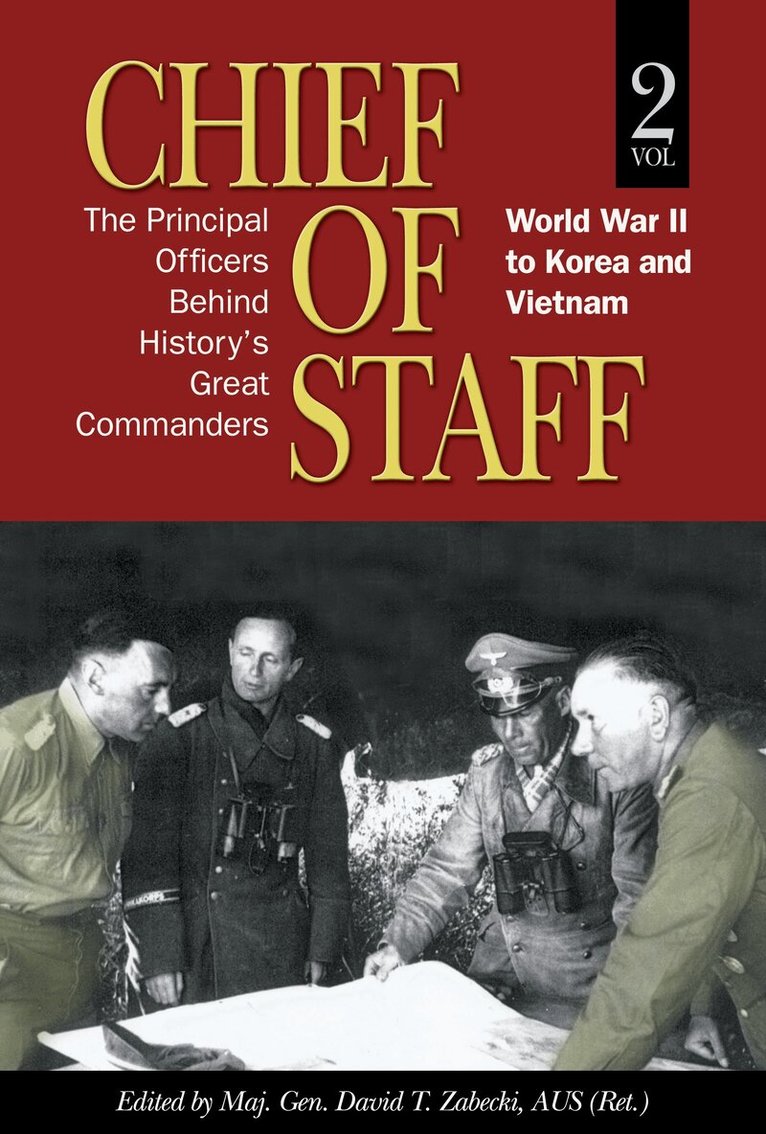
The two-volume Chief of Staff examines the history, development, and role of the military duty position of the chief of staff. Many books have studied history's great commanders and the art of command. None have focused exclusively on the chief of staff --that key staff officer responsible for translating the ideas of the commander into practical plans that common soldiers can execute successfully on the battlefield. In some cases, it is almost impossible to think of certain great commanders without also thinking of their chief of staff. Napoleon's chief of staff Berthier and Eisenhower's chief of staff Bedell Smith are two examples that are profiled in this work. Zabecki and his collaborators examine the history, development, and role of the chief of staff primarily through profiles of the most important practitioners of the art. These books are published in cooperation with the Association of the United States Army.
Häftad, Engelska, 2021
284 kr
Skickas inom 5-8 vardagar
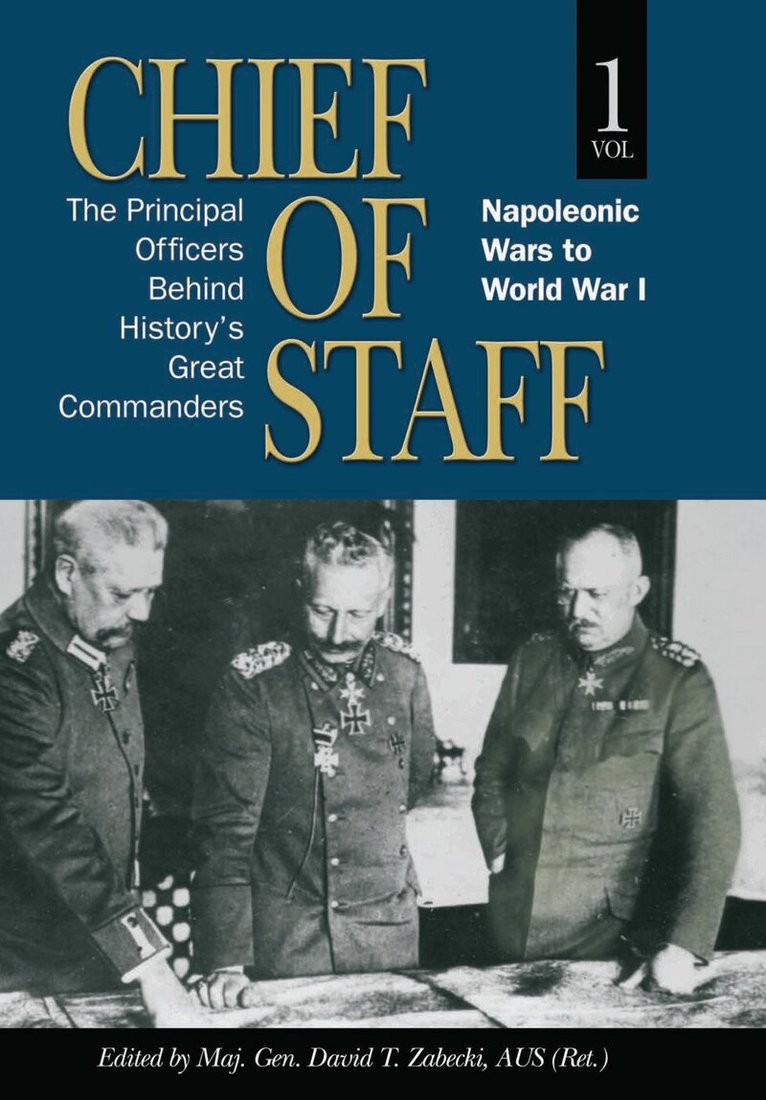
The two-volume Chief of Staff examines the history, development, and role of the military duty position of the chief of staff. Many books have studied history's great commanders and the art of command. None have focused exclusively on the chief of staff --that key staff officer responsible for translating the ideas of the commander into practical plans that common soldiers can execute successfully on the battlefield. In some cases, it is almost impossible to think of certain great commanders without also thinking of their chief of staff. Napoleon's chief of staff Berthier and Eisenhower's chief of staff Bedell Smith are two examples that are profiled in this work. Zabecki and his collaborators examine the history, development, and role of the chief of staff primarily through profiles of the most important practitioners of the art. These books are published in cooperation with the Association of the United States Army.
Inbunden, Engelska, 2021
320 kr
Skickas inom 5-8 vardagar
The two-volume Chief of Staff examines the history, development, and role of the military duty position of the chief of staff. Many books have studied history's great commanders and the art of command. None have focused exclusively on the chief of staff --that key staff officer responsible for translating the ideas of the commander into practical plans that common soldiers can execute successfully on the battlefield. In some cases, it is almost impossible to think of certain great commanders without also thinking of their chief of staff. Napoleon's chief of staff Berthier and Eisenhower's chief of staff Bedell Smith are two examples that are profiled in this work. Zabecki and his collaborators examine the history, development, and role of the chief of staff primarily through profiles of the most important practitioners of the art. These books are published in cooperation with the Association of the United States Army.
Häftad, Engelska, 2020
199 kr
Tillfälligt slut