
Keith Kenney – författare
Visar alla böcker från författaren Keith Kenney. Handla med fri frakt och snabb leverans.
4 produkter
4 produkter
Inbunden, Engelska, 2008
2 157 kr
Skickas inom 10-15 vardagar
Visual Communication Research Designs provides a step-by-step guide for designing research involving visuals relevant to communications media. This volume explains the process from conceptualization to research questions, instrumentation, analysis, and reliability and validity checks. It also addresses the lack of sufficient methods to answer theoretical questions attending visual communication. This resource has been developed in response to the circumstance in which, in many cases, the methodologies used for verbal and textual communications are inappropriate or ineffective when applied or adapted for the study of visual communications. Additionally, research articles from ethnography, action research, rhetoric, semiotics, psychology, cultural studies, and critical theory often do not use examples appropriate to visual communication readers. To address these issues, this book explains in clear and straightforward language key research designs, including new methodologies, that are appropriate for scholars and students conducting visual communication research. Organized into three parts -- production, analysis, and effects of visuals – this research text provides guidance in using, interpreting and measuring the effects of visual images.It addresses such topics as: producing photographs and video that can be used as research data; interpreting images that already exist; measuring the effects of visuals and to understand their use by different groups. Ethical issues are included, as well as a discussion of the advantages and limitations of each method. "War stories" are provided by experienced researchers, who discuss a particular research project and explain pitfalls to avoid, as well as what to do when problems occur.The primary audiences are scholars, researchers, and students conducting research on motion pictures, video, television, photographs, illustrations, graphics, typography, political cartoons, comic books, animation, and other media with a visual component. Individuals will use this text whenever they need to conduct research that involves visuals in the media. The book will be a required text for advanced courses in visual culture, seminars on visual communication research, and other research methods courses integrating a visual component.
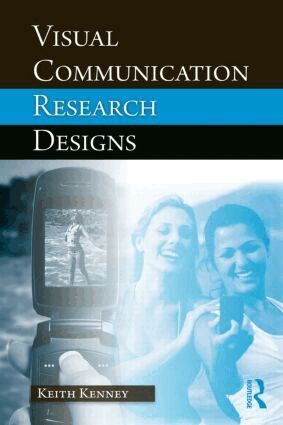
Häftad, Engelska, 2008
784 kr
Skickas inom 10-15 vardagar
Visual Communication Research Designs provides a step-by-step guide for designing research involving visuals relevant to communications media. This volume explains the process from conceptualization to research questions, instrumentation, analysis, and reliability and validity checks. It also addresses the lack of sufficient methods to answer theoretical questions attending visual communication. This resource has been developed in response to the circumstance in which, in many cases, the methodologies used for verbal and textual communications are inappropriate or ineffective when applied or adapted for the study of visual communications. Additionally, research articles from ethnography, action research, rhetoric, semiotics, psychology, cultural studies, and critical theory often do not use examples appropriate to visual communication readers. To address these issues, this book explains in clear and straightforward language key research designs, including new methodologies, that are appropriate for scholars and students conducting visual communication research. Organized into three parts -- production, analysis, and effects of visuals – this research text provides guidance in using, interpreting and measuring the effects of visual images.It addresses such topics as: producing photographs and video that can be used as research data; interpreting images that already exist; measuring the effects of visuals and to understand their use by different groups. Ethical issues are included, as well as a discussion of the advantages and limitations of each method. "War stories" are provided by experienced researchers, who discuss a particular research project and explain pitfalls to avoid, as well as what to do when problems occur.The primary audiences are scholars, researchers, and students conducting research on motion pictures, video, television, photographs, illustrations, graphics, typography, political cartoons, comic books, animation, and other media with a visual component. Individuals will use this text whenever they need to conduct research that involves visuals in the media. The book will be a required text for advanced courses in visual culture, seminars on visual communication research, and other research methods courses integrating a visual component.
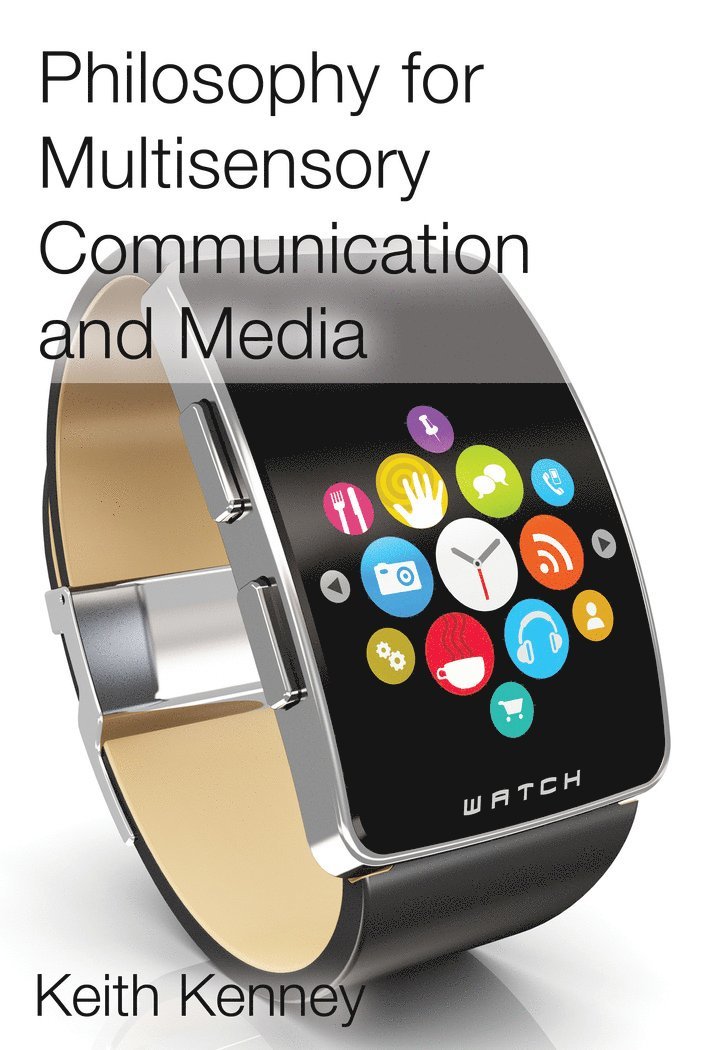
Häftad, Engelska, 2016
635 kr
Skickas inom 5-8 vardagar
Multisensory media – hybrid media that engage more than the auditory and visual senses – is beginning to change the way that we communicate. While hardware and software for capturing and emitting different types of sensory data are still being developed, this book lays a theoretical foundation for their use. Drawing upon the ideas of philosophers who write about sensory perception as well as each of the senses, Keith Kenney explains the issues that communication and media scholars will need to investigate as we begin to exchange haptic, olfactory, and even gustatory messages.Scholars interested in communication theory, media theory, and multimodality will discover new ideas by current philosophers, while scholars of sensory studies will learn how their field can be extended to communication and media. Designers of multisensory experiences, such as videogame developers, will find practical suggestions for creating richer and more meaningful experiences. A dozen sidebars apply philosophical ideas to common experiences so that the text can be used in advanced undergraduate and postgraduate courses.
Inbunden, Engelska, 2016
860 kr
Tillfälligt slut
Multisensory media – hybrid media that engage more than the auditory and visual senses – is beginning to change the way that we communicate. While hardware and software for capturing and emitting different types of sensory data are still being developed, this book lays a theoretical foundation for their use. Drawing upon the ideas of philosophers who write about sensory perception as well as each of the senses, Keith Kenney explains the issues that communication and media scholars will need to investigate as we begin to exchange haptic, olfactory, and even gustatory messages.Scholars interested in communication theory, media theory, and multimodality will discover new ideas by current philosophers, while scholars of sensory studies will learn how their field can be extended to communication and media. Designers of multisensory experiences, such as videogame developers, will find practical suggestions for creating richer and more meaningful experiences. A dozen sidebars apply philosophical ideas to common experiences so that the text can be used in advanced undergraduate and postgraduate courses.