
L. T. C. Rolt – författare
Visar alla böcker från författaren L. T. C. Rolt. Handla med fri frakt och snabb leverans.
12 produkter
12 produkter
Häftad, Engelska, 2026
133 kr
Kommande
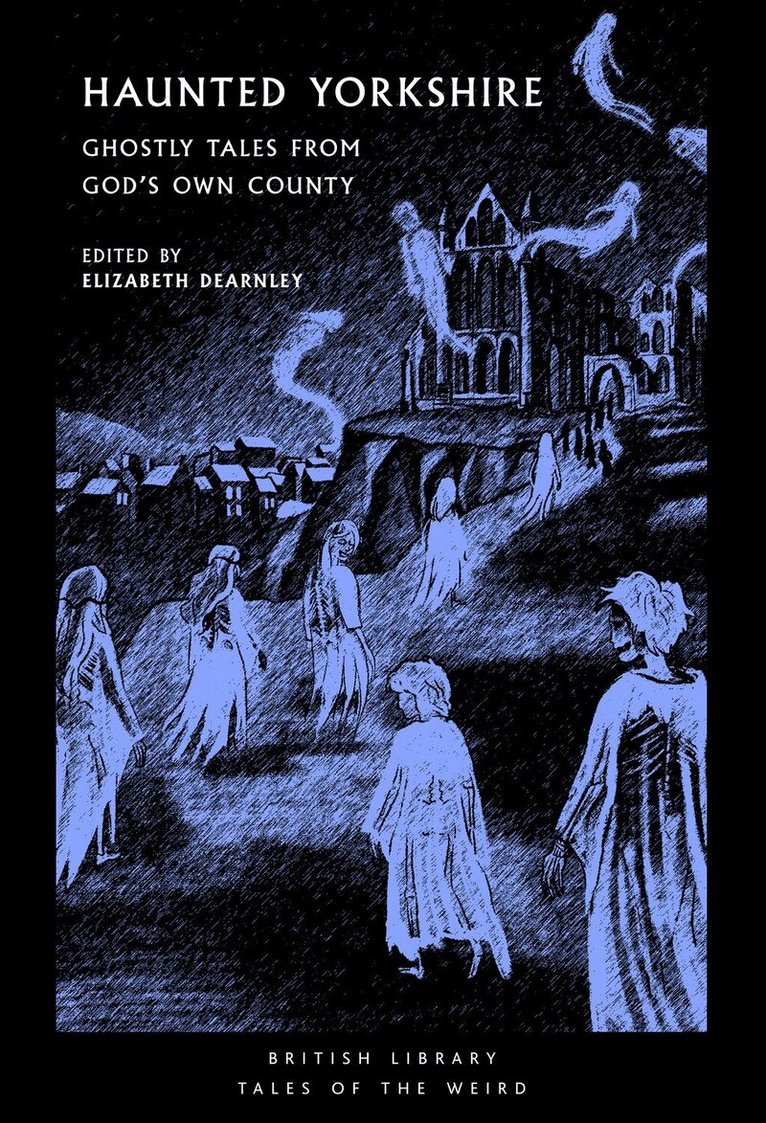
Beams were dancing on the waters of the Skirfare; the moonlight falling on the hills formed them into fantastic shapes... With a slight indescribable kind of fear I bent my steps homewards.Along with its great swathes of natural moorland beauty and cities steeped in folklore and history, Yorkshire has a rich literary heritage, populated by innumerable phantoms, faeries and witches, as well as local legends like the bargest (a death-heralding ghost-dog). Gathering the greatest stories of the weird and uncanny set among the breathtaking Dales, rugged coast and bustling towns of God's Own County, Elizabeth Dearnley presents a new collection of chilling tales, with fresh research exploring examples of Yorkshire's uniquely haunting influence on horror literature, such as Whitby Abbey's role in the creation of Bram Stoker's Dracula.
Häftad, Engelska, 2006
126 kr
Skickas inom 7-10 vardagar
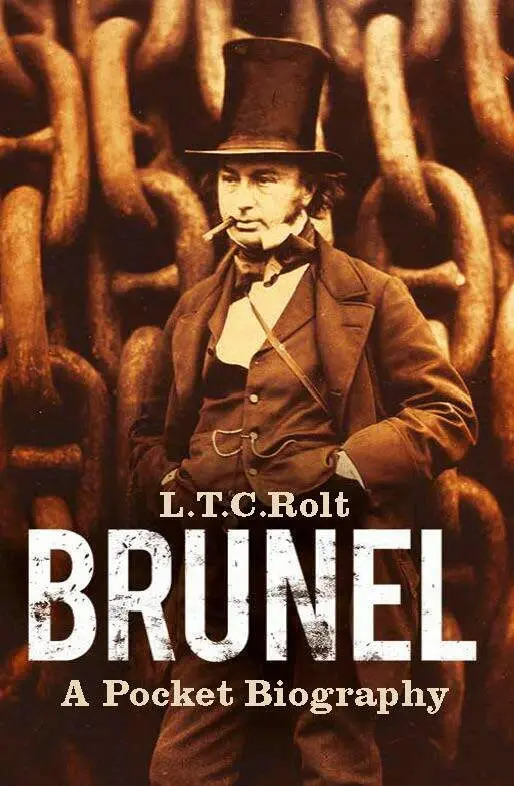
At 19, Isambard Kingdom Brunel was in charge, under his father, of an engineering work that is the wonder of Europe: the Thames tunnel, completed in 1843. This book traces Brunel's life and career, the man of immense energy who came to dominate civil engineering in the 19th century and whose legacy can still be seen nearly two centuries later. L.T.C. Rolt was one of the first narrative historians, an industrial pioneer and preservationist. During his life he was fundamental in establishing and promoting canals, waterways and railways. He was one of the first people in modern Britain to draw attention to the value of our canals as a means of transport and a source of pleasure. As well as his interest in canals he also turned his attention to neglcted railways and set up the first organisation to save and run a railway with a mainly volunteer workforce.
Häftad, Engelska, 2010
211 kr
Skickas
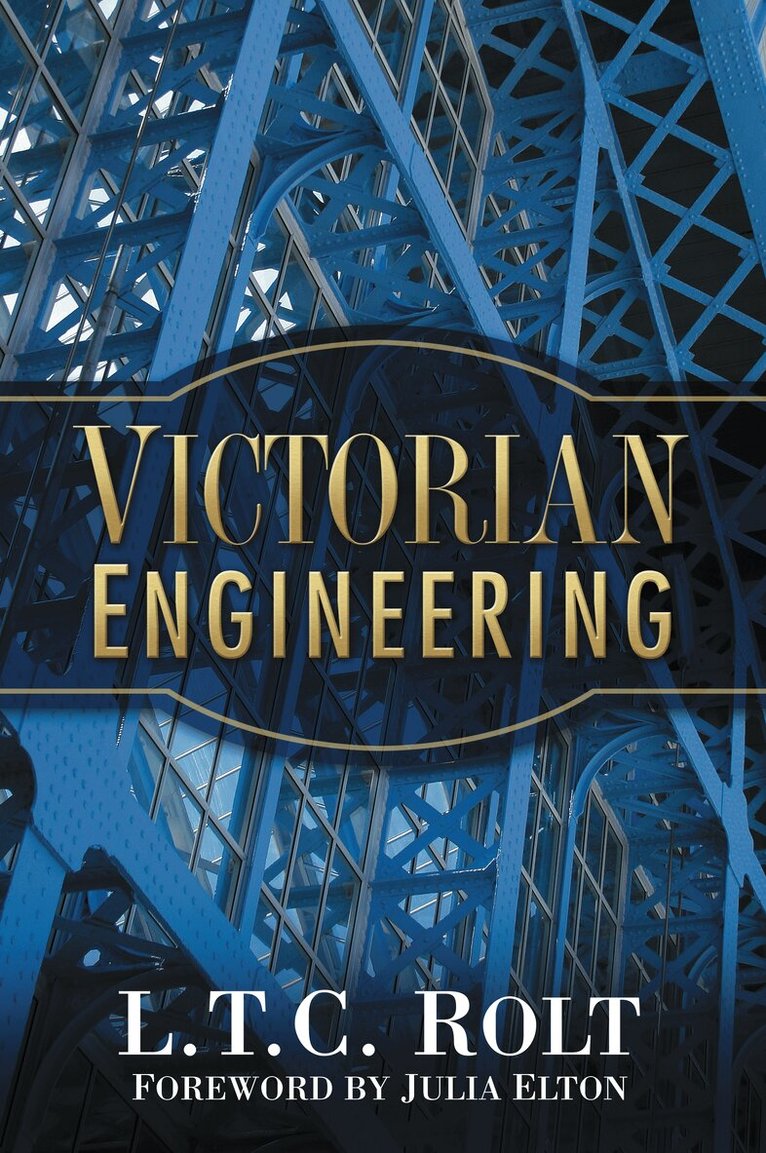
L T C Rolt was an engineer and pioneer of industrial history; in this book he combined these two passions to give us a fascinating account of the men who 'made' Britain. From Brunel to Telford, he takes us on a journey from the first railway tracks being laid down to bridges spanning hitherto unimagined lengths, through to the 'invention' and mastery of the gas and electricity, which we take for granted today. The Victorians were at the forefront of modern technology in their time, but often came to see it as a blight on their landscape and struggled to adapt to the fast pace of this new industrial era.In this book, Rolt not only examines the creations that made Britain's empire great, but also how the age of optimism turned to one of disillusionment with many of our inventors finding fame and fortune abroad. This unrivalled insight into our industrial heritage is compulsory reading for anyone wanting to appreciate the foundations on which our modern lives were built.
Häftad, Engelska, 2014
197 kr
Skickas
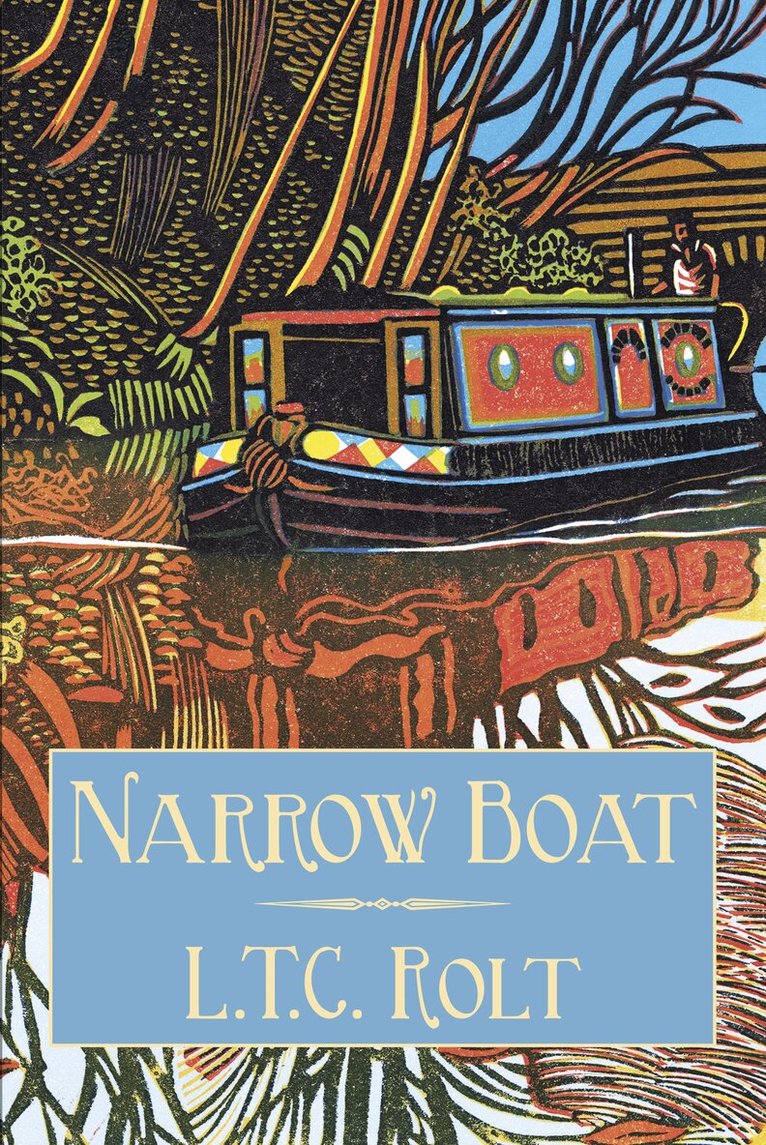
First published in 1944, and now reissued with new black-and-white illustrations and a foreword by Jo Bell, Canal Laureate, this book has become a classic on its subject, and may be said to have started a revival of interest in the English waterways. It was on a spring day in 1939 that L.T.C. Rolt first stepped aboard Cressy. This engaging book tells the story of how he and his wife adapted and fitted out the boat as a home, and recreates the journey of some 400 miles that they made along the network of waterways in the Midlands. It recalls the boatmen and their craft, and celebrates the then seemingly timeless nature of the English countryside through which they passed. As Sir Compton Mackenzie wrote, ‘it is an elegy of classic restraint unmarred by any trace of sentiment’ for a way of life and a rural landscape that have now all but disappeared.
Häftad, Engelska, 2017
178 kr
Skickas
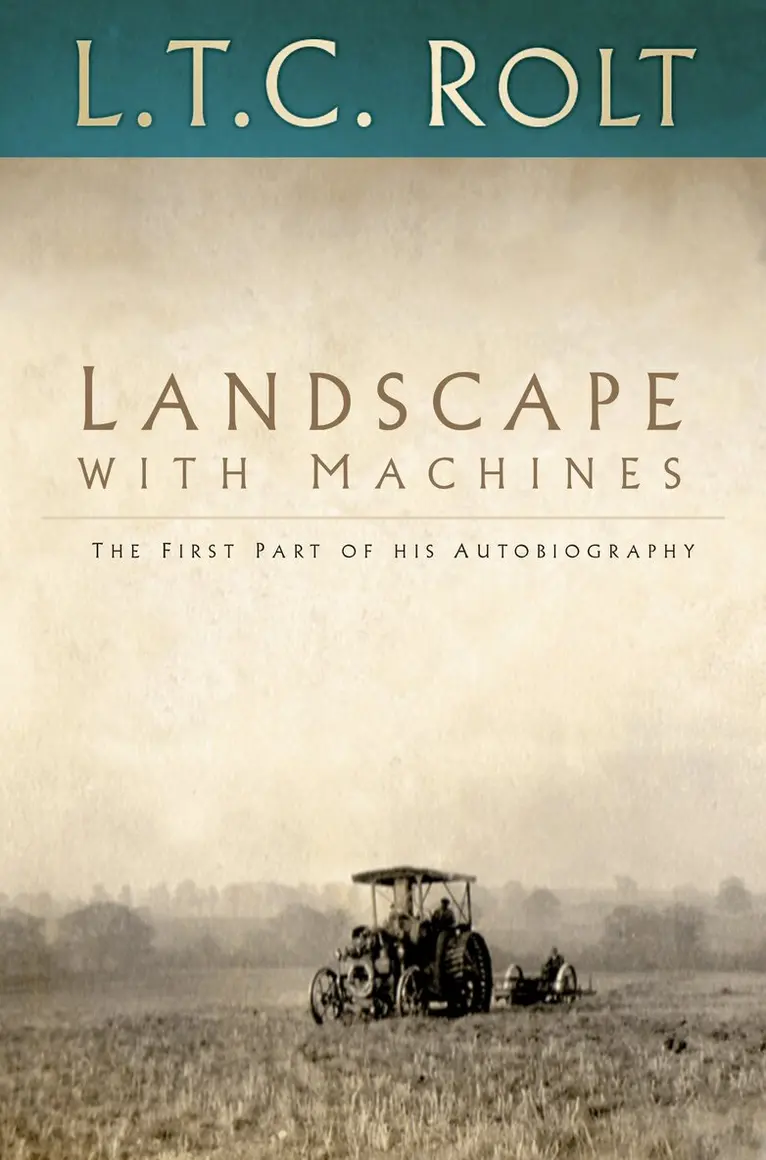
L.T.C. Rolt’s fame was born from his unique ability to produce works of literature from subject matter seemingly ill suited to such treatment – engineering, canals, railways, steam engines, agricultural machinery, vintage cars – such as in his classic biographies of Brunel, Telford, Trevithick and the Stephensons, and in his superbly written volumes of autobiography. In this, the first part of his autobiography, Rolt tells of his childhood in Chester, on the Welsh border near Hay-on-Wye and in Gloucestershire; of an engineering apprenticeship and career which took him from a farm in the Vale of Evesham to a locomotive works in Stoke-on-Trent and from Dursley to the Wiltshire Downs until he finally settled in a Hampshire village, running a garage which specialised in veteran and vintage cars. Imbued with the author’s love of England and his intense feeling for the beauties of the English countryside, the book reveals a landscape populated not only be men, but by machines: steam-ploughing engines, steam wagons, steam locomotives, canal boats and a variety of unusual motor cars. This vividly told tale of rural England sets the stage of a life that was to be consumed by preserving the best the country had to offer in landscape and the technology of a now bygone age.
Häftad, Engelska, 2017
179 kr
Skickas
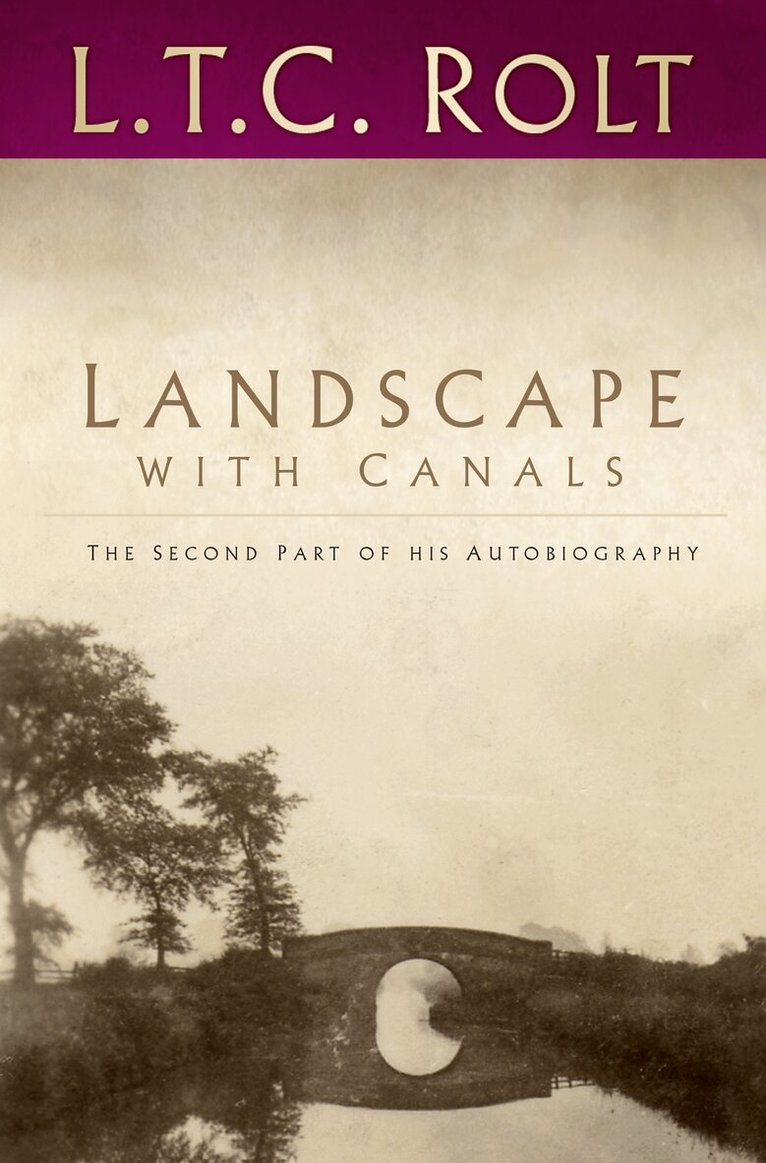
L.T.C. Rolt’s fame was born from his unique ability to produce works of literature from subject matter seemingly ill suited to such treatment – engineering, canals, railways, steam engines, agricultural machinery, vintage cars – such as in his classic biographies of Brunel, Telford, Trevithick and the Stephensons, and in his superbly written volumes of autobiography. In Landscape with Machines Rolt told the story of his youth and his subsequent training as an engineer. That book ended with the fulfilment of his dream to convert the narrow boat Cressy into a floating home in which he could travel the then neglected waterways of England and, he hoped, earn his living as a writer. Landscape with Canals takes up the story at this point. It tells of voyages through the secret green water-lanes of England and Wales, and of the beginning of his writing career with the publication of his celebrated first book, Narrow Boat. The underlying theme of Landscape with Machines was the conflict between Rolt’s love for the English landscape and his life-long fascination with machines. In this sequel the same conflict is apparent yet we see how it was at least partly resolved. This is the testament of a man who has given literary shape to the history of the Industrial Revolution and who had a unique gift for imparting to others his knowledge, his enthusiasm and his love of life.
Häftad, Engelska, 2009
191 kr
Skickas
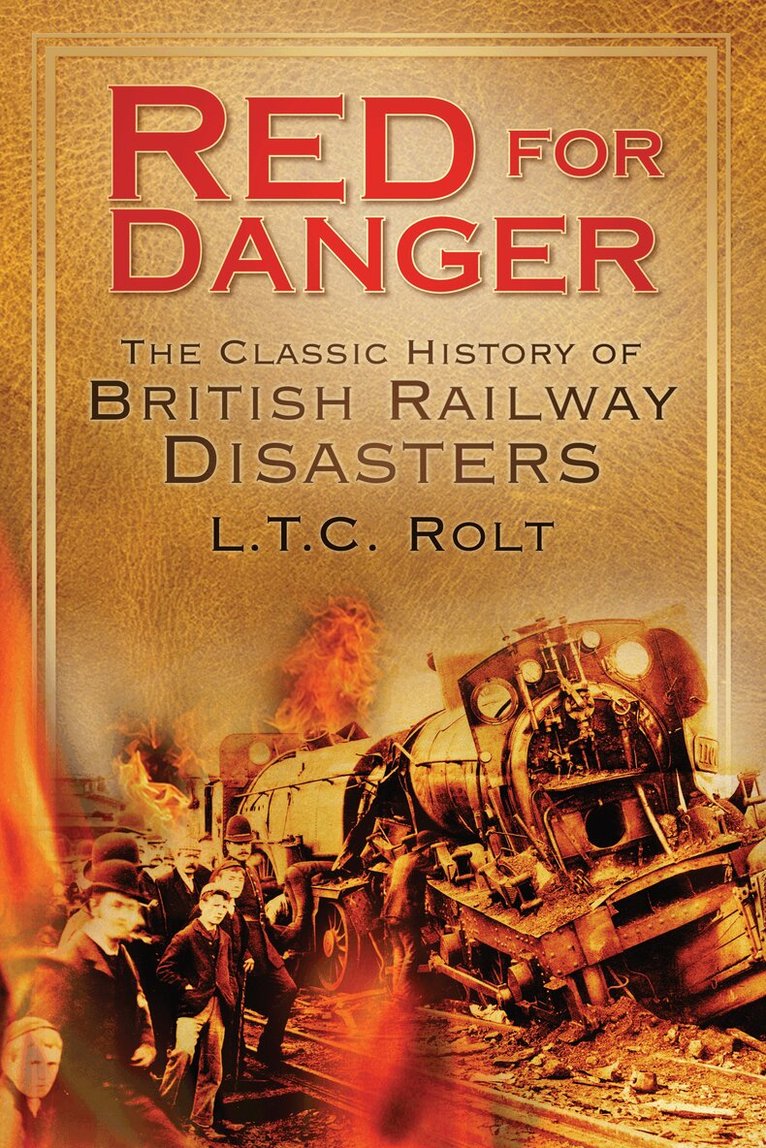
Railway disasters are almost always the result of human fallibility – a single mistake by an engine-driver, guard or signalman, or some lack of communication between them – and it is in the short distance between the trivial error and its terrible consequence that the drama of the railway accident lies. First published in 1955, and the result of Rolt’s careful investigation and study of the verbatim reports and findings by H. M. Inspectorate of Railways, this book was the first work to record the history of railway disasters, and it remains the classic account. It covers every major accident on British railways between 1840 and 1957 which resulted in a change in railway working practice, and reveals the evolution of safety devices and methods which came to make the British railway carriage one of the safest modes of transport in the world.
Häftad, Engelska, 2010
168 kr
Skickas
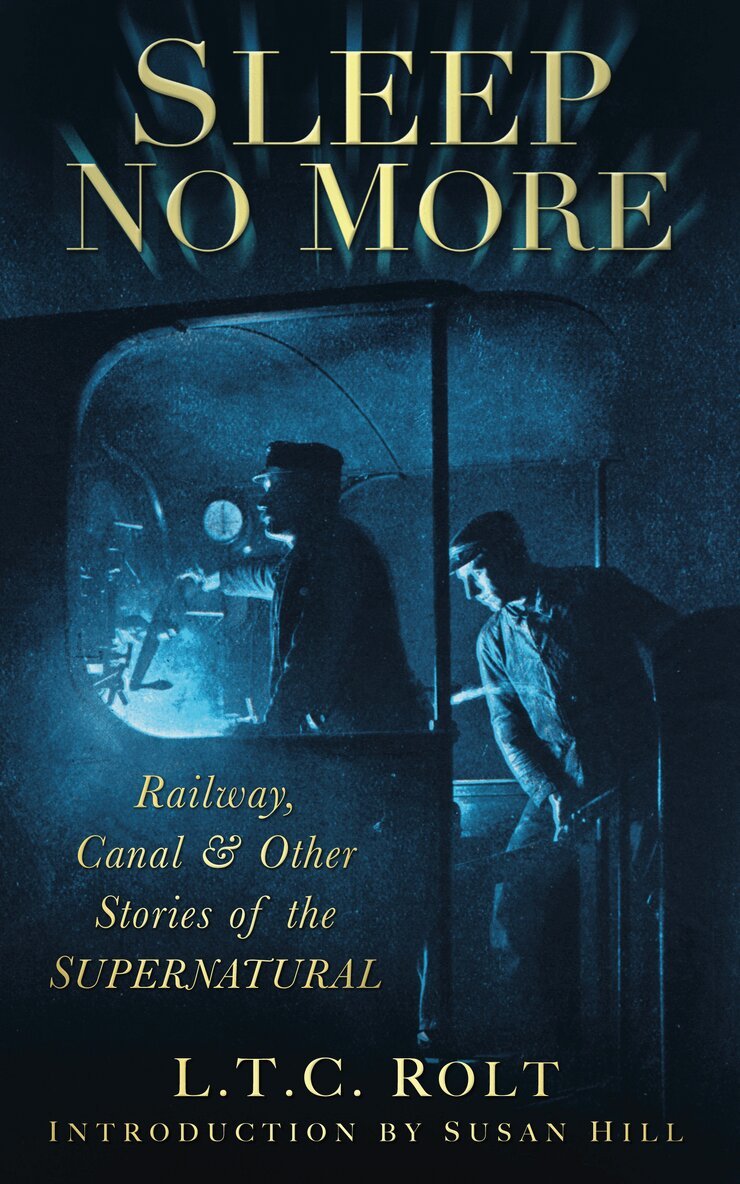
This powerful collection of stories of the supernatural combines L.T.C. Rolt's writing talent with his unparalleled knowledge of Britain's industrial heritage to produce tales of real mystery and imagination. This haunting anthology takes the reader on a journey from Cornwall to Wales and from the hill country of Shropshire to the west coast of Ireland. 'The House of Vengeance', set in the Black Mountains of South Wales, tells what happens when a walker becomes lost and disorientated as the mist falls, while in 'The Gartside Fell Disaster' an old railwayman recounts the terrible night when the 'Mountaineer' came to grief. Alongside these are twelve other tales of elemental fears and strange and inexplicable happenings. First published in 1948, this enduring collection will appeal to all those who, like Tom Rolt, are passionate about the backdrop of our industrial landscape and will delight and terrify anyone who loves a good old-fashioned ghost story.
Häftad, Engelska, 2010
155 kr
Skickas
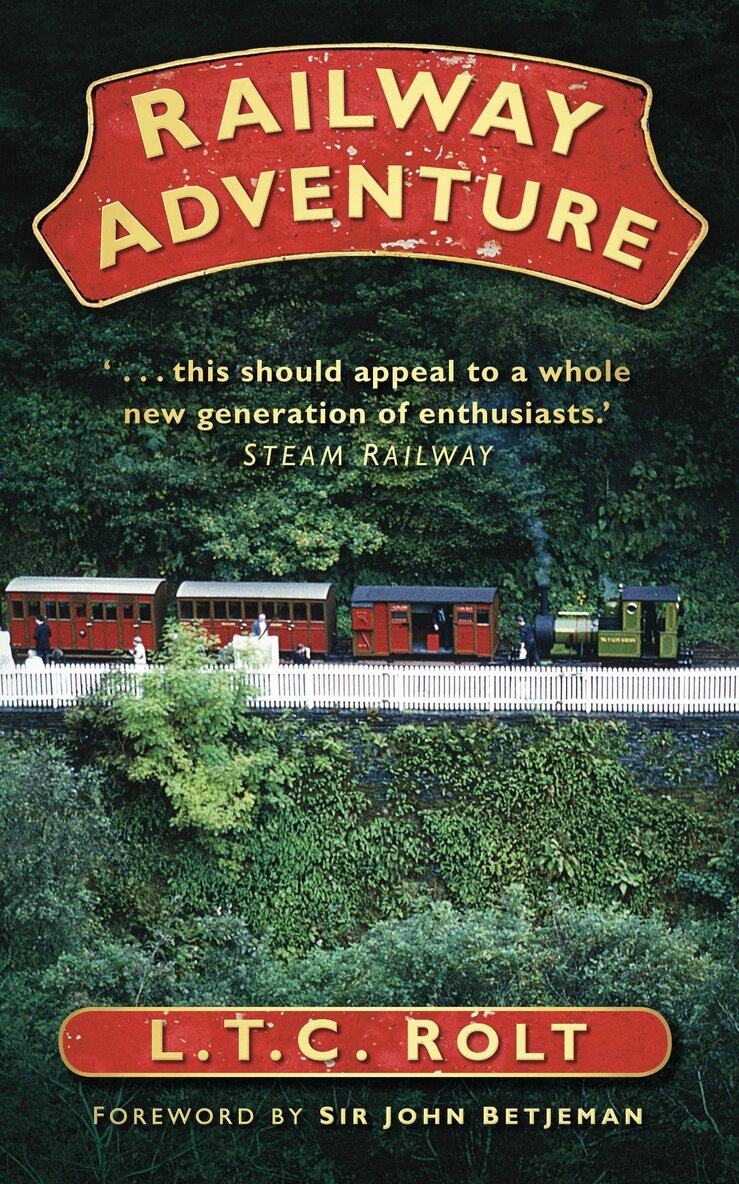
L T C Rolt was one of a small group of amateur railwaymen who made their dream of running their own railway come true. His vivid and often amusing account of this unique achievement is a record of individual enterprise and creative effort as refreshing as it is rare. Established by Act of Parliament in 1865 and unaffected by mergers and nationalisation, the Talyllyn Railway has been serving a remote and beautiful valley in the Merioneth mountains ever since. In 1950, the line was threatened with closure, and it was at that moment that the amateurs came to the rescue. It is now the oldest surviving railway of its kind in the world. This book is delightful reading for both railway devotees and lovers of the Welsh countryside, which is so beautifully described here.
Häftad, Engelska, 2010
152 kr
Tillfälligt slut
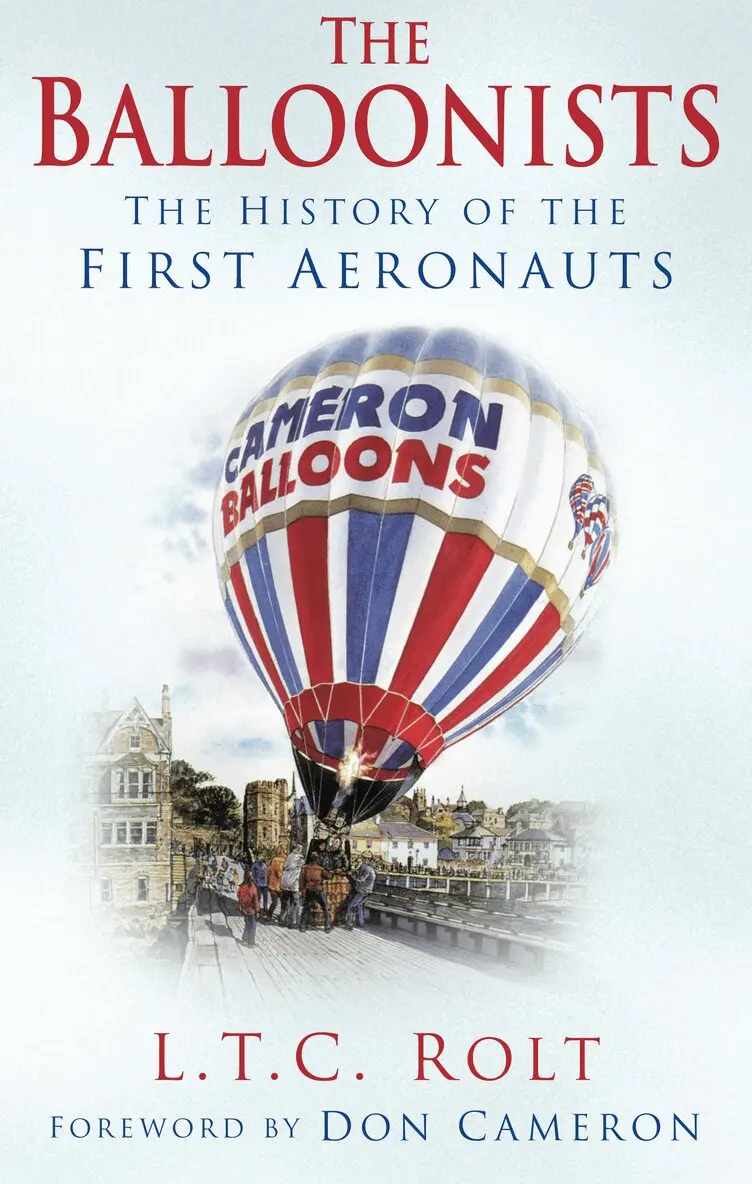
In 1783 the Montgolfier brothers made history with the first hot-air balloon flight, and so began the era of flight and man's love affair with the skies. In this book, LTC Rolt (the pioneer of industrial history) takes us on a journey through the history of ballooning. sprinkled with lively extracts from journals, and drawing from contemporary accounts, The Balloonists follows the exploits of these early pioneers of flight: Rozier, Lunardi, Blanchard and Samuel King, who constructed possibly the largest balloon ever made. This complete history of balloons and the intrepid men and women who flew in them recounts stories of the first flights to 1903, when the Wright Brothers heavier-than-air flight at Kittyhawk changed the history of aviation forever. This book will delight everyone who has enjoyed watching balloons float tranquilly through the skies on a summer's evening.
Häftad, Engelska, 2017
195 kr
Tillfälligt slut
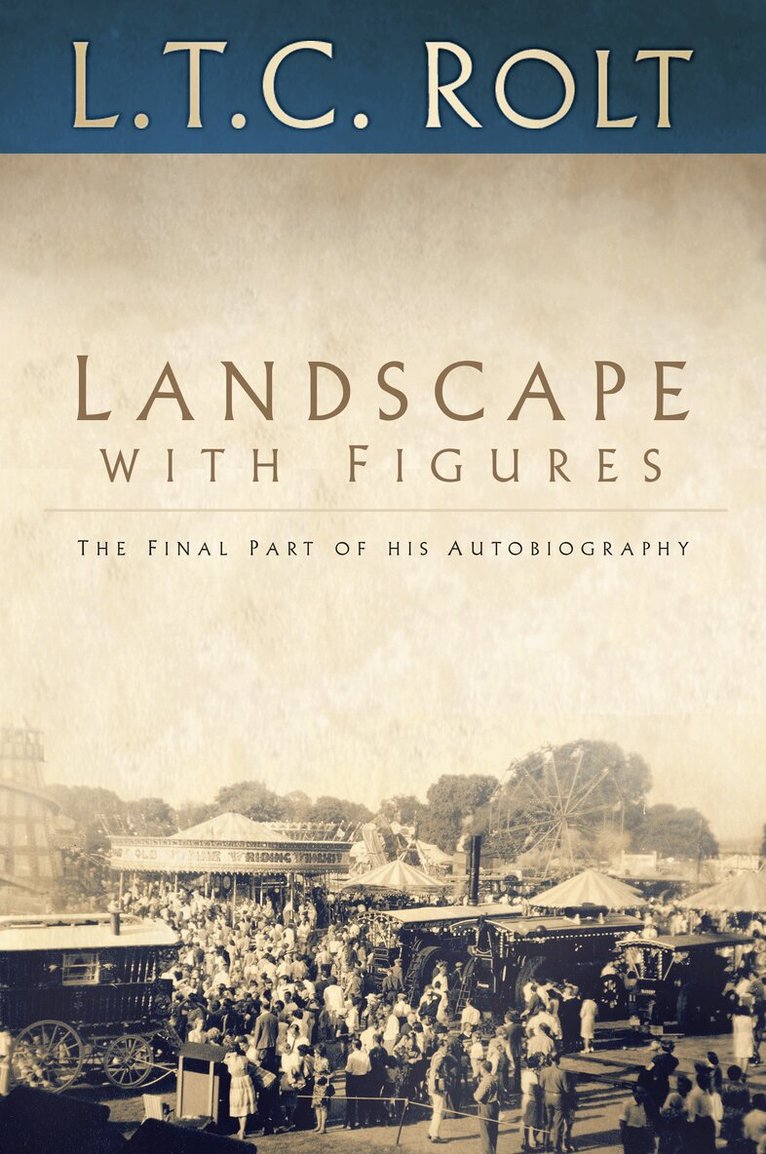
L.T.C. Rolt’s fame was born from his unique ability to produce works of literature from subject matter seemingly ill suited to such treatment – engineering, canals, railways, steam engines, agricultural machinery, vintage cars – such as in his classic biographies of Brunel, Telford, Trevithick and the Stephensons, and in his superbly written volumes of autobiography. In the first volume of Rolt’s stunning autobiography, Landscape with Machines, the focus was on his younger days, from childhood to trainee engineer, and his ambition to explore the inland waterways of England in his converted narrow boat Cressy. Landscape with Canals, the second volume, described Rolt’s meanderings through those water-lanes of England and Wales, combining his love for the English countryside with his life-long fascination with machines. In this book, written during the last years of his life, Rolt continues his intriguing and often diverse life story. He gives an account of the early days of the Talyllyn Railway Company and Preservation Society, describes his involvement in vintage and veteran car rallies, and vividly recreates his travels on the Tralee–Dingle Light Railway in remote West Kerry. Intermingled with these are his struggles to become a writer of repute. This final volume, published posthumously, completes a trilogy that is a fitting tribute to the man who, through his appreciation of the ‘aesthetics of technology’, could be said to have given a literary shape to the Industrial Revolution.
Häftad, Engelska, 2016
150 kr
Tillfälligt slut
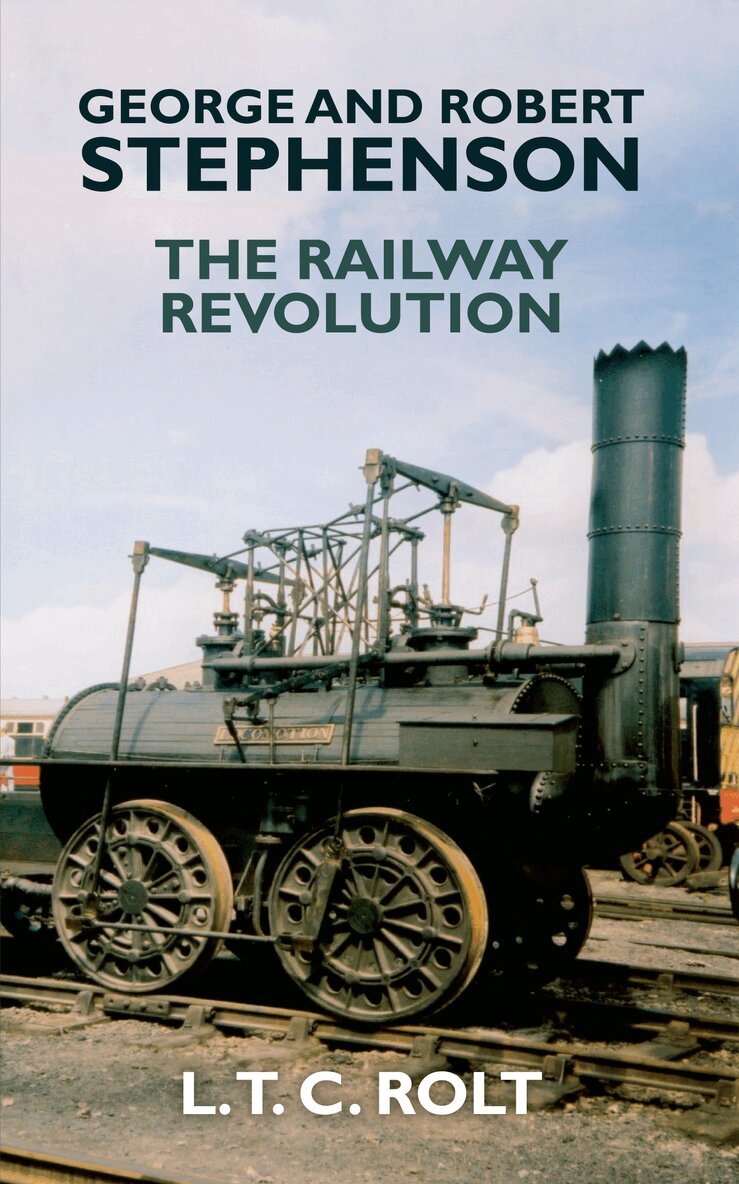
The railways were the most revolutionary innovation of Victorian times.They carried Britain into the modern age with dramatic speed, transforming the pace and style of everyday life. We owe them to two men who, father and son, can lay claim to be the most important engineers of their time, George and Robert Stephenson. In this excellent biography L. T. C. Rolt, author of Brunel and Thomas Telford, assesses their life and their work.‘This biography is a work of distinction in both the historical and social sense. It is written by one who adds engineering knowledge to biographical skill.’ E. W. Martin in the Listener‘Mr Rolt is a master of correct terminology and can even turn it to literary advantage where, under another hand, it would cumber context with jargon. This gift, coupled with his own practical knowledge of mechanical and civil engineering, has enabled the author to produce yet another contribution to English history, which would have been quite beyond the power of the academic historian.’ Edmund Vale in the Observer