
Matthew Calarco – författare
1 487 kr
Skickas inom 3-6 vardagar
199 kr
Skickas inom 5-8 vardagar
968 kr
Skickas inom 5-8 vardagar
535 kr
Skickas inom 3-6 vardagar
968 kr
Skickas inom 5-8 vardagar
247 kr
Skickas inom 5-8 vardagar
830 kr
Skickas inom 10-15 vardagar
1 195 kr
Skickas inom 10-15 vardagar
290 kr
Skickas inom 10-15 vardagar
193 kr
Skickas inom 5-8 vardagar
533 kr
Skickas inom 10-15 vardagar
230 kr
Skickas inom 7-10 vardagar
983 kr
Skickas inom 7-10 vardagar
1 421 kr
Skickas inom 5-8 vardagar
- Nyhet
456 kr
Skickas inom 5-8 vardagar
1 056 kr
Skickas inom 10-15 vardagar
539 kr
Skickas inom 10-15 vardagar

625 kr
Skickas inom 5-8 vardagar
1 522 kr
Skickas inom 10-15 vardagar
1 393 kr
Tillfälligt slut
377 kr
Tillfälligt slut
510 kr
Tillfälligt slut
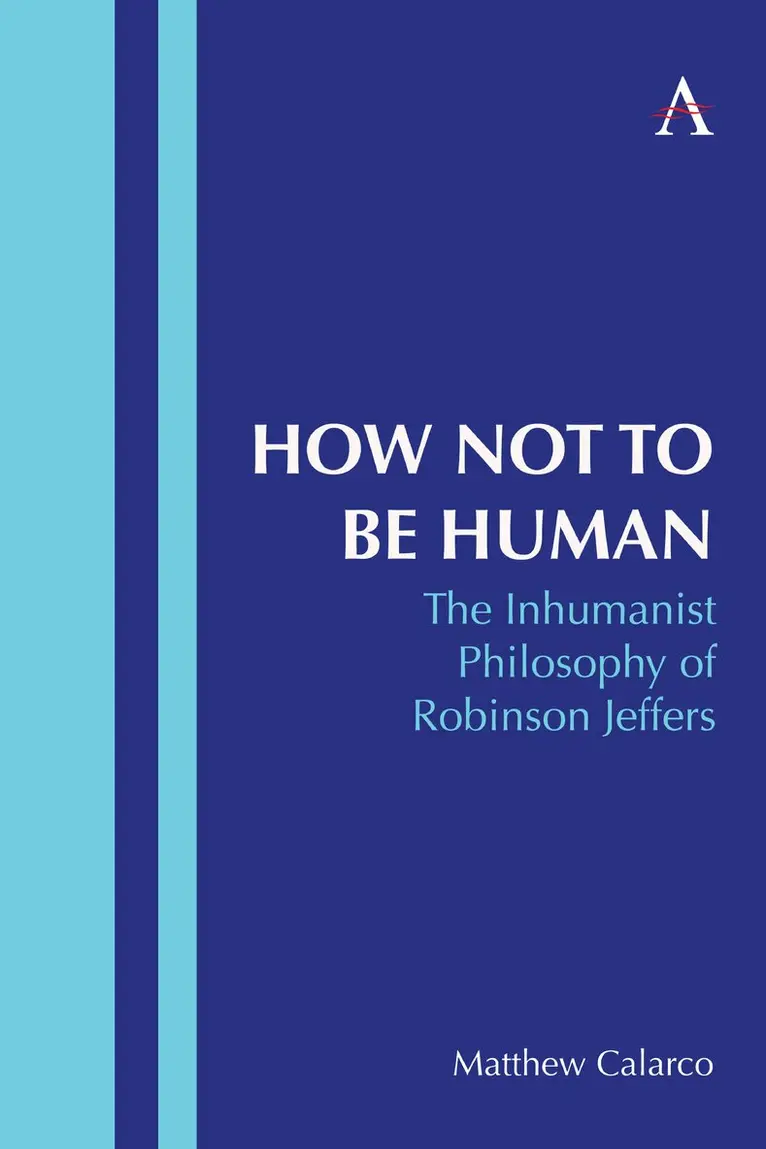
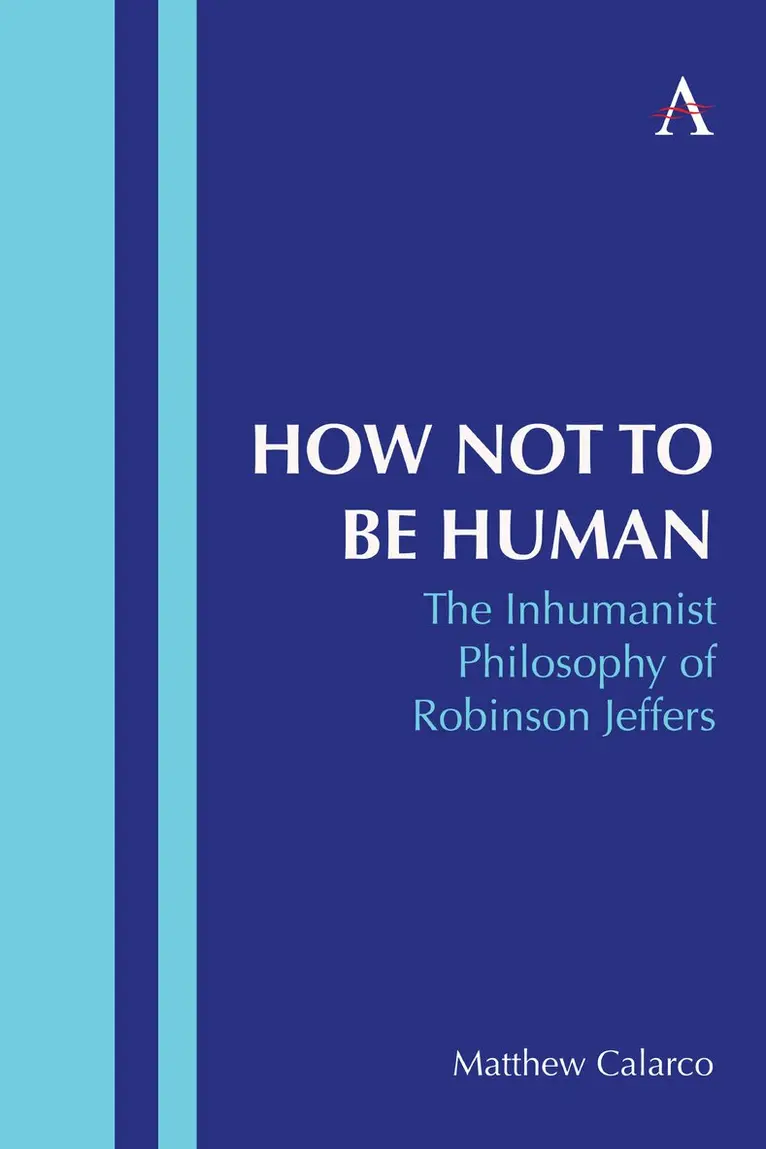
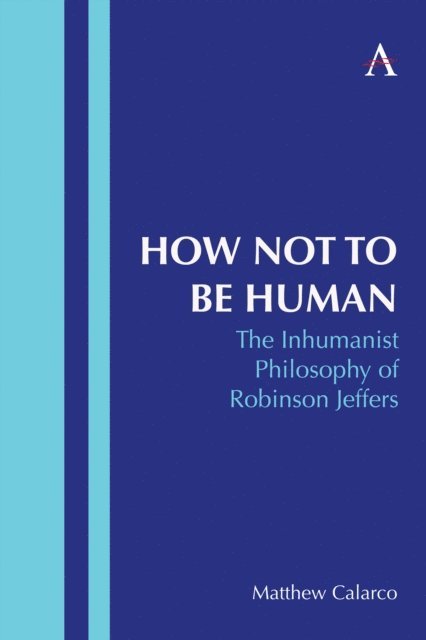
Current debates in the environmental humanities, animal studies, and related fields increasingly revolve around this question: What to do with “the human”? Is the human a category worth preserving? Should it be replaced with the post-human? Should marginalized and minoritarian groups advocate for a universal humanism? What is the relationship between humanism and anthropocentrism? Is a genuinely non-anthropocentric mode of thinking and living possible for human beings? This book argues that the writings of twentieth-century poet Robinson Jeffers offer twenty-first-century readers a number of crucial insights concerning such questions and timely advice about how not to be human. For Jeffers, our tendency to turn inward on ourselves and to indulge in human narcissism is at the heart of the social, economic, and existential ills that plague modern societies. As a remedy, Jeffers recommends turning ourselves outward—beyond the self and beyond the human—and learning to affirm and even love the inhuman cosmos in all of its terrible beauty. In the process, Jeffers helps us find our way back to ourselves, but this time no longer as “human” in the traditional sense but as plain members of the inhuman world.
510 kr
Tillfälligt slut
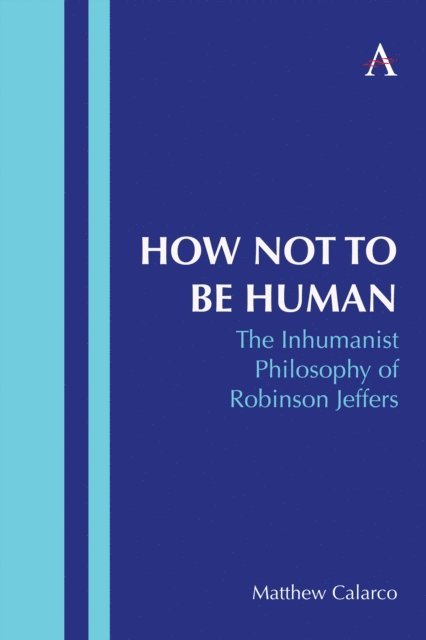
Current debates in the environmental humanities, animal studies, and related fields increasingly revolve around this question: What to do with “the human”? Is the human a category worth preserving? Should it be replaced with the post-human? Should marginalized and minoritarian groups advocate for a universal humanism? What is the relationship between humanism and anthropocentrism? Is a genuinely non-anthropocentric mode of thinking and living possible for human beings? This book argues that the writings of twentieth-century poet Robinson Jeffers offer twenty-first-century readers a number of crucial insights concerning such questions and timely advice about how not to be human. For Jeffers, our tendency to turn inward on ourselves and to indulge in human narcissism is at the heart of the social, economic, and existential ills that plague modern societies. As a remedy, Jeffers recommends turning ourselves outward—beyond the self and beyond the human—and learning to affirm and even love the inhuman cosmos in all of its terrible beauty. In the process, Jeffers helps us find our way back to ourselves, but this time no longer as “human” in the traditional sense but as plain members of the inhuman world.