
Stephen E. Flynn – författare
Visar alla böcker från författaren Stephen E. Flynn. Handla med fri frakt och snabb leverans.
3 produkter
3 produkter
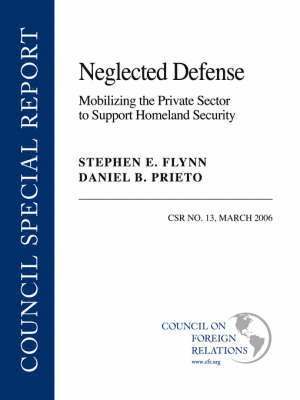
Häftad, Engelska, 2006
144 kr
Skickas inom 5-8 vardagar
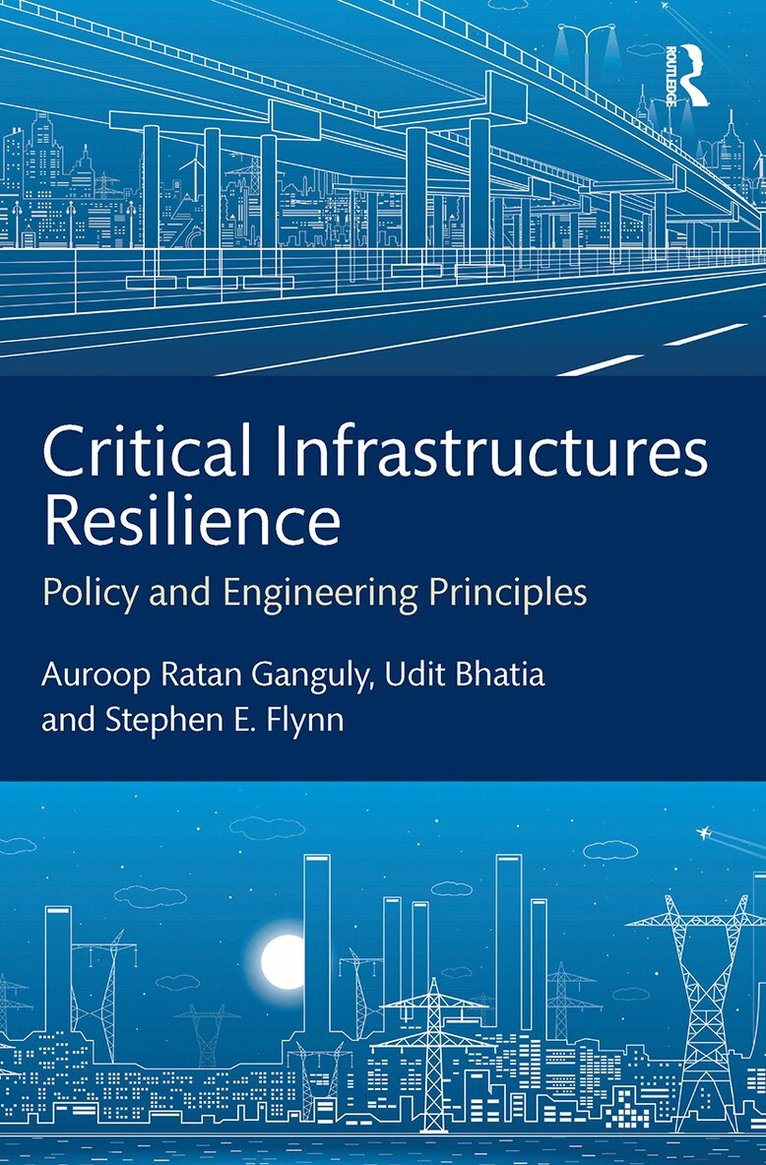
Häftad, Engelska, 2021
506 kr
Skickas inom 10-15 vardagar
This text offers comprehensive and principled, yet practical, guidelines to critical infrastructures resilience. Extreme events and stresses, including those that may be unprecedented but are no longer surprising, have disproportionate effects on critical infrastructures and hence on communities, cities, and megaregions. Critical infrastructures include buildings and bridges, dams, levees, and sea walls, as well as power plants and chemical factories, besides lifeline networks such as multimodal transportation, power grids, communication, and water or wastewater. The growing interconnectedness of natural-built-human systems causes cascading infrastructure failures and necessitates simultaneous recovery. This text explores the new paradigm centered on the concept of resilience by approaching the challenges posed by globalization, climate change, and growing urbanization on critical infrastructures and key resources through the combination of policy and engineering perspectives. It identifies solutions that are scientifically credible, data driven, and sound in engineering principles while concurrently informed by and supportive of social and policy imperatives. Critical Infrastructures Resilience will be of interest to students of engineering and policy.
Inbunden, Engelska, 2018
2 160 kr
Skickas inom 10-15 vardagar
This text offers comprehensive and principled, yet practical, guidelines to critical infrastructures resilience. Extreme events and stresses, including those that may be unprecedented but are no longer surprising, have disproportionate effects on critical infrastructures and hence on communities, cities, and megaregions. Critical infrastructures include buildings and bridges, dams, levees, and sea walls, as well as power plants and chemical factories, besides lifeline networks such as multimodal transportation, power grids, communication, and water or wastewater. The growing interconnectedness of natural-built-human systems causes cascading infrastructure failures and necessitates simultaneous recovery. This text explores the new paradigm centered on the concept of resilience by approaching the challenges posed by globalization, climate change, and growing urbanization on critical infrastructures and key resources through the combination of policy and engineering perspectives. It identifies solutions that are scientifically credible, data driven, and sound in engineering principles while concurrently informed by and supportive of social and policy imperatives. Critical Infrastructures Resilience will be of interest to students of engineering and policy.