
Visar resultat för..."IWA Publishing"
620 produkter
620 produkter
Inbunden, Engelska, 2020
2 116 kr
Skickas
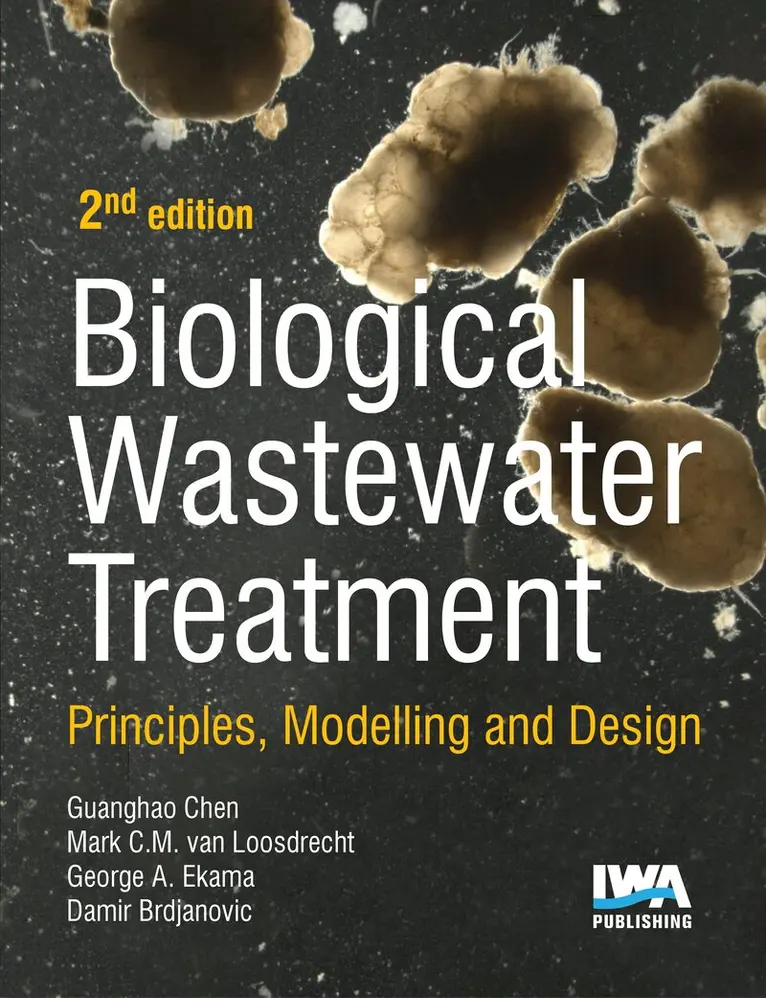
The first edition of this book was published in 2008 and it went on to become IWA Publishing’s bestseller. Clearly there was a need for it because over the twenty years prior to 2008, the knowledge and understanding of wastewater treatment had advanced extensively and moved away from empirically-based approaches to a fundamental first-principles approach based on chemistry, microbiology, physical and bioprocess engineering, mathematics and modelling. However the quantity, complexity and diversity of these new developments was overwhelming for young water professionals, particularly in developing countries without readily available access to advanced-level tertiary education courses in wastewater treatment. For a whole new generation of young scientists and engineers entering the wastewater treatment profession, this book assembled and integrated the postgraduate course material of a dozen or so professors from research groups around the world who have made significant contributions to the advances in wastewater treatment. This material had matured to the degree that it had been codified into mathematical models for simulation with computers. The first edition of the book offered, that upon completion of an in-depth study of its contents, the modern approach of modelling and simulation in wastewater treatment plant design and operation could be embraced with deeper insight, advanced knowledge and greater confidence, be it activated sludge, biological nitrogen and phosphorus removal, secondary settling tanks, or biofilm systems.However, the advances and developments in wastewater treatment have accelerated over the past 12 years since publication of the first edition. While all the chapters of the first edition have been updated to accommodate these advances and developments, some, such as granular sludge, membrane bioreactors, sulphur conversion-based bioprocesses and biofilm reactors which were new in 2008, have matured into new industry approaches and are also now included in this second edition. The target readership of this second edition remains the young water professionals, who will still be active in the field of protecting our precious water resources long after the aging professors who are leading some of these advances have retired. The authors, all still active in the field, are aware that cleaning dirty water has become more complex but that it is even more urgent now than 12 years ago, and offer this second edition to help the young water professionals engage with the scientific and bioprocess engineering principles of wastewater treatment science and technology with deeper insight, advanced knowledge and greater confidence built on stronger competence.
Häftad, Engelska, 2023
937 kr
Skickas
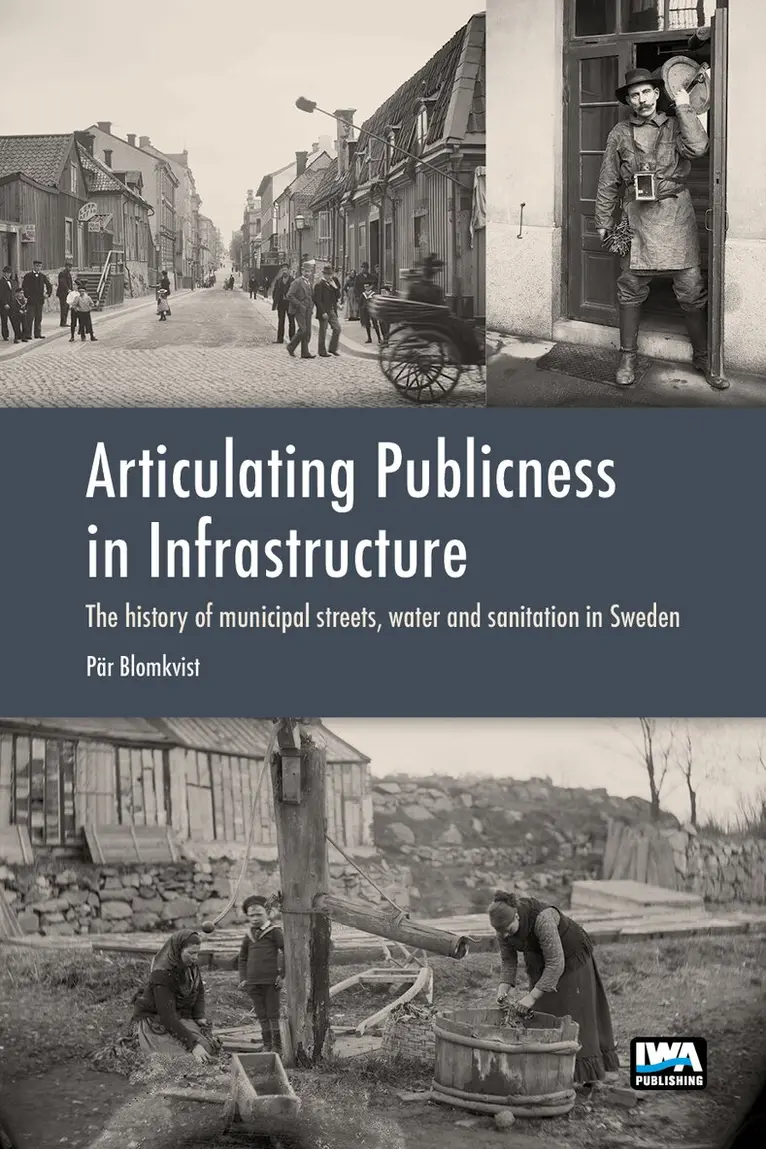
The contribution of this book lies in the historical comparison of infrastructural systems that normally are dealt with separately. The synthesis has been achieved mainly by an extensive literature review of research from a wide range of various fields and by using prime sources to some extent. The comparative and long-term perspective allows similarities and differences to be discovered in the development of arrangements around streets, water, and sanitation. By using the analytical lens of publicness, the author challenges the common belief that these three areas have always been public concerns or obligations. An assumption that relies on the fact that presently they indeed are public infrastructural systems. Furthermore, it is shown that the evolution of municipal streets, water, and sanitation has left a historical legacy which is still affecting the way these infrastructural systems are managed today.
Häftad, Engelska, 2013
1 434 kr
Skickas
This Best Practice Guide on the Control of Iron and Manganese in Water Supply is one of a series produced by the International Water Association’s Specialist Group on Metals and Related Substances in Drinking Water. Iron and manganese are often found in soft upland water sources associated with natural organic matter and are also commonly found in the groundwater abstracted from confined and unconfined aquifers. The presence of iron and manganese in water is one of the most frequent reasons for customers’ complaint due to aesthetic issues (yellow, brown and black or stains on laundry and plumbing fixtures). These two metals can be removed fairly readily by physico-chemical treatment. The municipal treatment systems deployed derive benefit from their larger scale, particularly in relation to control, but the processes used are less suitable for the numerous small supplies that are the most common water supplies throughout Europe, especially in rural areas. One important source of iron in drinking water is from old corroded cast-iron water mains, historically the material used most commonly in supply networks. Replacement and refurbishment is very expensive and the major challenge is how best to prioritize available expenditure. The purpose for this Best Practice Guide on the Control of Iron and Manganese in Water Supply is to give readers the broad view of a problem based on state-of-the-art compilation of the range of scientific, engineering, regulatory and operational issues concerned with the control of iron and manganese in drinking water. The Guide is of interest to water utility practitioners, health agencies and policy makers, as well as students on civil engineering and environmental engineering courses. Authors: Dr Adam Postawa, AGH University of Science and Technology, Faculty of Geology, Geophysics and Environment Protection, Krakow, Poland and Dr Colin R Hayes, University of Swansea, UK, Chair of IWA Specialist Group on Metals and Related Substances in Drinking Water.
Inbunden, Engelska, 2012
1 682 kr
Skickas
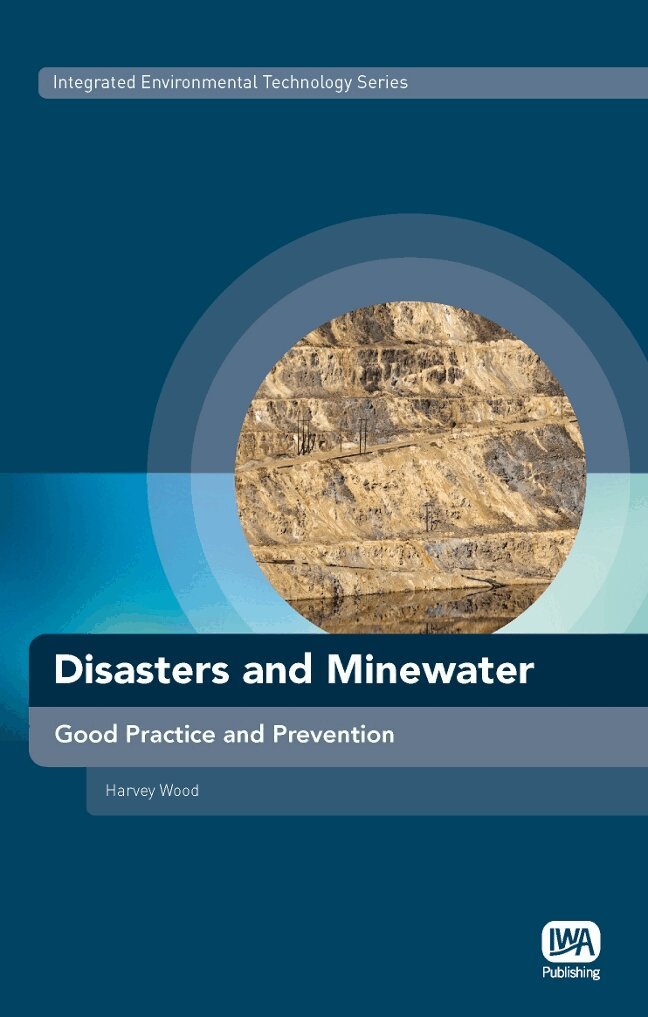
Part of Groundwater Set - Buy all six books and save over 30% on buying separately! Disasters and Minewater: Good Practice and Prevention draws together all of the major minewater catastrophes that have occurred over the last half century. It examines incidents to find useful and positive information of great value that could prevent future disasters. Practical experience provides many lessons in respect of the causes of minewater incidents where lack of adhesion to good practice is principally to blame. Disasters and Minewater: Good Practice and Prevention is of particular interest to students of mining, civil engineering and environmental engineering. It is an invaluable resource for mining engineers, geotechnical engineers, environmental engineers and disaster relief professionals and consultants. Disasters and Minewater is a valuable complement to Minewater Treatment: Technology, Application and Policy by M Brown, B Barley, and H Wood, ISBN: 9781843390046. Author: Harvey Wood, Clean Rivers Trust, UK
Häftad, Engelska, 2012
1 806 kr
Skickas
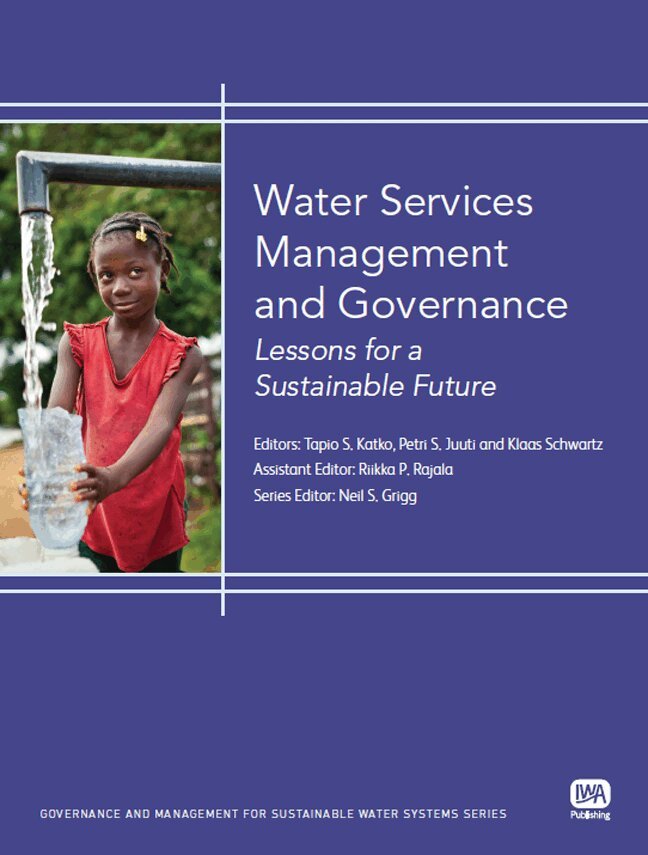
Water Services Management and Governance focuses on water services (water supply, wastewater services) and deals with connections between water resources and services and water resources. It covers water supply mainly in urban communities, sanitation and pollution control and water resources and their linkages to water services. This book is divided in to four key sections relating to governance frameworks, technology and socio-ecological interactions, government and governance, and long terms policies. The chapters analyse the complexity of the water services sector based on a historical analysis of developments within the sector. The underlying conviction is that only by understanding past trends, processes and developments can the current situation in the water services be understood. Only through this understanding can policies for sustainable water services in the future be formulated. The four key sections relate to governance frameworks, technology and socio-ecological interactions, government and governance, and long terms policies. Water Services Management and Governance raises awareness that an understanding of the past is a necessity to explore potential, probable and preferable futures. It is an essential basis for water sector reforms in any country, region or community. The book is written for experts in water utilities, ministries, municipalities, NGOs, donor agencies, private companies and regulators; as well as students and researchers in water policy and governance, and the management of water resources, services and infrastructure. Editors: Dr. Petri S. Juuti is a historian, and Adjunct Professor in the universities of Tampere, Oulu and Turku. Tapio S. Katko, Civil engineer, Adjunct Professor, UNESCO Chairholder in Sustainable Water Services at Tampere University of Technology, Finland. Klaas Schwartz, Senior Lecturer, Urban Water Governance in the Department of Integrated Water Systems and Governance at the UNESCO-IHE Institute for Water Education, Delft, the Netherlands. Assistant Editor: Riikka P. Rajala, Environmental Engineer, Post-Doctoral researcher in University of Tampere, Finland.
Häftad, Engelska, 2011
1 682 kr
Skickas
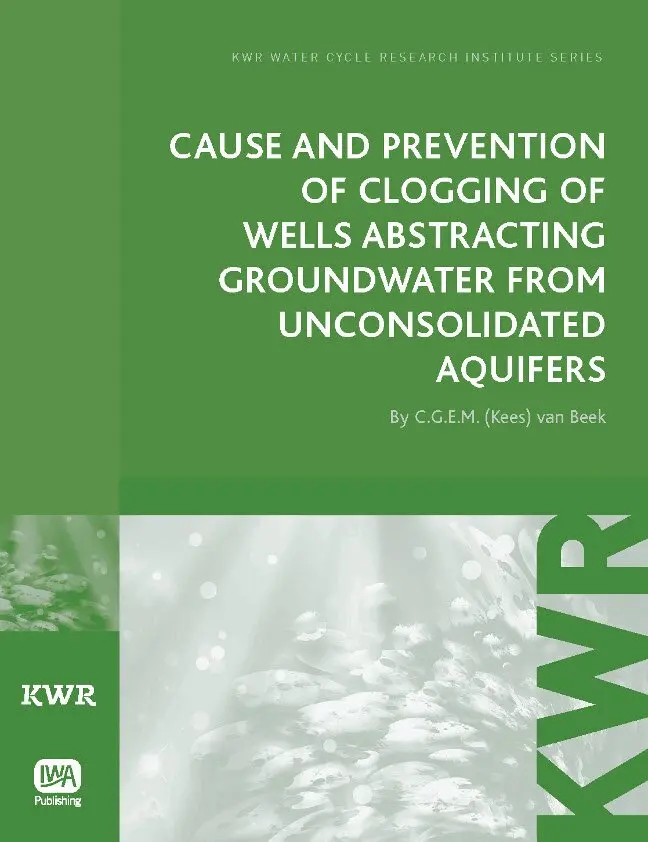
Part of Groundwater Set - Buy all six books and save over 30% on buying separately! Groundwater serves many purposes. It is a source of public and private drinking water, it is utilized as an industrial feedstock and it is used in agriculture for irrigation and cattle watering. The abstraction of groundwater also serves many civil engineering purposes such as structures, construction pit dewatering and remediation of polluted groundwater. Furthermore, groundwater is increasingly used for supply and storage of energy for the cooling and heating of buildings. Many wells abstracting groundwater suffer from impaired performance as a result of clogging by mechanical or biogeochemical processes. This represents a significant economic loss due to volume reductions, cost of well rehabilitations or construction of new wells. Cause and Prevention of Clogging of Wells Abstracting Groundwater from Unconsolidated Aquifers provides a comprehensive description of the various causes and processes associated with well clogging in addition to describing methodologies for diagnosis and prevention.
Häftad, Engelska, 2011
1 697 kr
Skickas
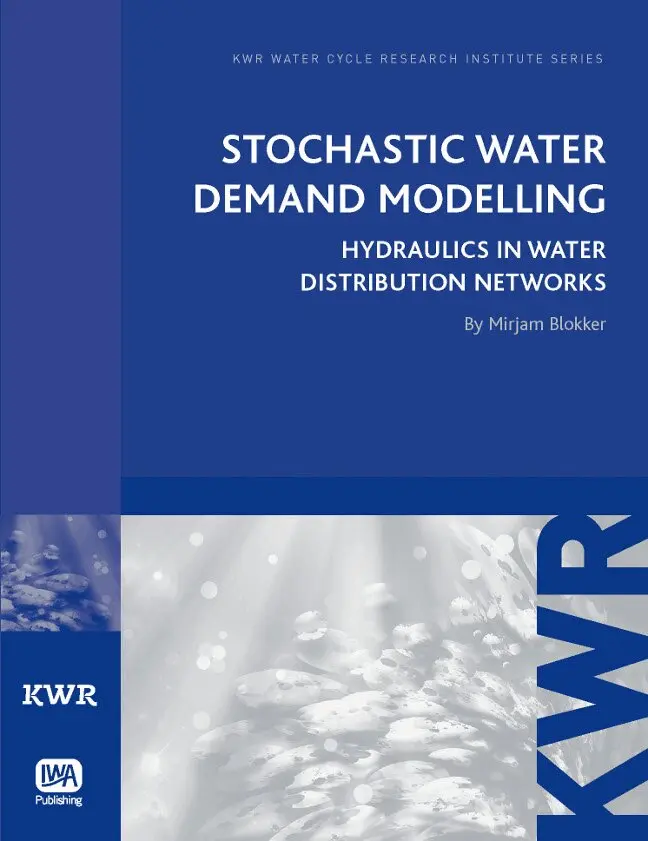
Water quality processes in the drinking water distribution network are strongly influenced by the flow velocity and residence time of the water in the network. In order to understand how the water quality changes in the drinking water distribution network, a good understanding of hydraulics is required. Specifically in the periphery of the network, where customers are connected, the hydraulics can change rapidly. During the night time the water is almost stagnant and the residence time increases. In the morning, when everybody gets up and flushes the toilet and takes a shower, high flow velocities can occur. During the remainder of the day flow velocities are low. The stochastic endues model SIMDEUM was developed to simulate water use on a small time scale (1 s) and small spatial scale (per fixture). SIMDEUM enables a good model of flow velocities, residence times and the connected water quality processes in the water distribution network. Stochastic Water Demand Modelling: Hydraulics in Water Distribution Networks describes the requirements of hydraulics in water quality modelling and provides insight into the development of detailed residential and non-residential water demand models. The book illustrates the use of detailed demand models in water quality models with respect to the variation in residence times and the relation with particle accumulation and resuspension. The models are compared to measurements in several real drinking water distribution networks.
Häftad, Engelska, 2011
1 697 kr
Skickas
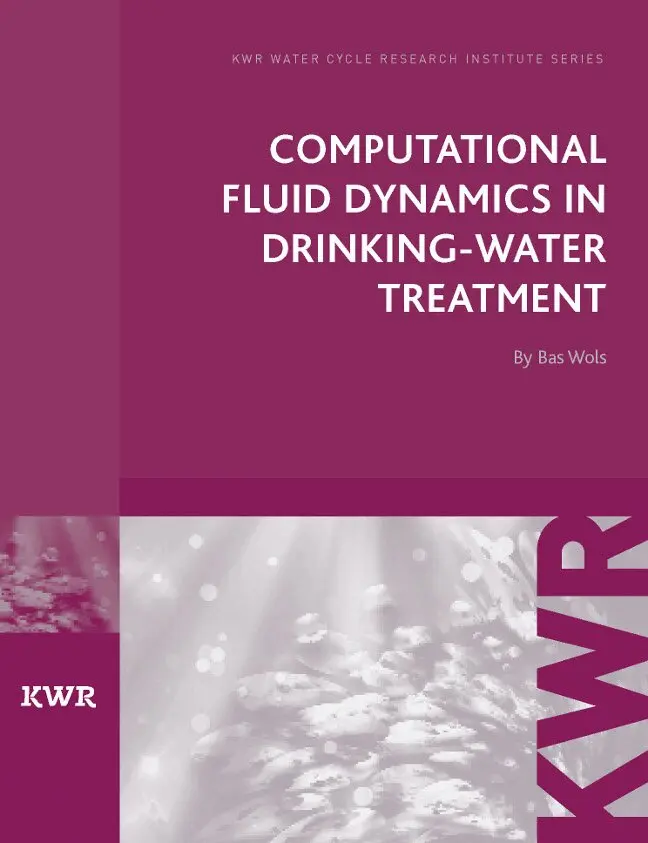
Special Offer: KWR Drinking Water Treatment Set - Buy all five books together and save £119!Computational Fluid Dynamics (CFD) uses advanced numerical models to predict flow, mixing and (bio)-chemical reactions. In drinking water engineering, CFD is increasingly applied to predict the performance of treatment installations and to optimise these installations. A lack of understanding of the hydraulics in drinking water treatment systems has resulted in suboptimal design of installations. The formation of unwanted disinfection-by-products and the energy consumption or use of chemicals is therefore higher than necessary. The aim of this work is to better understand the hydraulic and (bio)-chemical processes in drinking water treatment installations using experimental and numerical techniques. By combining these techniques, CFD modelling is further developed as a tool to evaluate the performance of these installations. This leads to new insights in the applicability of models in ozone and UV systems, and new insights in design concepts of these systems. CFD modelling proves to be a powerful tool to understand the hydrodynamic and (bio)-chemical processes in drinking water systems. If applied properly, accounting for the complex turbulent motions and validated by experiments, this tool leads to a better design of UV reactors, ozone systems and other systems dictated by hydraulics.
Häftad, Engelska, 2011
1 806 kr
Skickas
Part of Metals and Related Substances in Drinking Water Set - buy all five books together to save over 30%! Metals and Related Substances in Drinking Water comprises the proceedings of COST Action 637 - METEAU, held in Kristianstad, Sweden, October 13-15, 2010.This book collates the understanding of the various factors which control metals and related substances in drinking water with an aim to minimize environmental impacts. Metals and Related Substances in Drinking Water: Provides an overview of knowledge on metals and related substances in drinking water. Promotes good practice in controlling metals and related substances in drinking water. Helps to determining the environmental and socio-economic impacts of control measures through public participation Introduces the importance of mineral balance in drinking water especially when choosing treatment methods Shares practitioner experience. The proceedings of this international conference contain many state-of-the-art presentations by leading researchers from across the world. They are of interest to water sector practitioners, regulators, researchers and engineers.
Häftad, Engelska, 2011
1 806 kr
Skickas
This study focuses on sustainability impacts as wastewater treatment plants implement treatment technologies to meet increasingly stringent nutrient limits. The objective is to determine if a point of “diminishing returns” is reached where the sustainability impacts of increased levels of nutrient removal outweigh the benefits of better water quality. Five different hypothetical treatment trains at a nominal 10 mgd flow were developed to meet treatment targets that ranged from cBOD mode (Level 1) to four different nutrient removal targets. The nutrient removal targets ranged from 8 mg N/L; 1 mg P/L (Level 2) to the most stringent at <2 mg N/L; <0.02 mg P/L (Level 5). Given that sustainability is a broad term, the industry-accepted three pillars of sustainability were evaluated and discussed, and particular emphasis was placed on the environmental and economic pillars. The following variables received the most attention: greenhouse gas (GHG) emissions, a water quality surrogate that reflects potential algal growth, capital and operational costs, energy demand, and consumables such as chemicals, gas, diesel, etc. The results from the GHG emissions metric are shown below. Note that biogas cogeneration is represented by negative values as biogas production can be used to offset energy demands. The nitrous oxide (N2O) emissions values are based on the average biological nutrient removal (BNR) and non-BNR plants evaluated in the United States national survey by Ahn et al. (2010b). The error bars represent the data range of the national survey. The GHG emissions results suggest that a point of diminishing return is reached at Level 4 (3 mg N/L; 0.1 mg P/L). The GHG emissions show a steady increase from Levels 1 to 4, followed by a 65% increase when moving from Level 4 to 5. Despite a 70% increase in GHGs, the discharged nutrient load only decreases by 1% by going from Level 4 to 5. The primary contributors to GHG emissions are energy related (aeration, pumping, mixing). The GHG emissions associated with chemical use increases for the more stringent nutrient targets that required chemical treatment in addition to biological nutrient removal. In terms of cost, the total project capital cost increases approximately one-third from $9.3 million to $12.7 million for changing from Level 1 to 2, followed by a more than doubling in cost when changing from Level 1 to 5. Total project capital costs in this report are for a Greenfield plant. The operational cost increase between levels is more pronounced than total project capital cost with more than five-times increase from Level 1 to 5 ($250/MG treated to $1,370/MG treated, respectively). This report focused on in-plant (point source) options for nutrient removal and the implications for cost and sustainability. Other approaches, such as addressing non-point sources, could be added to the assessment. Rather than focusing strictly on point source dischargers and requiring Level 4 or 5 treatments, Level 3 or 4 treatments complimented with best management practices of non-point sources might be a more sustainable approach at achieving comparable water quality.
Häftad, Engelska, 2014
1 822 kr
Skickas
Computational Hydraulics introduces the concept of modeling and the contribution of numerical methods and numerical analysis to modeling. It provides a concise and comprehensive description of the basic hydraulic principles, and the problems addressed by these principles in the aquatic environment. Flow equations, numerical and analytical solutions are included. The necessary steps for building and applying numerical methods in hydraulics comprise the core of the book and this is followed by a report of different example applications of computational hydraulics: river training effects on flood propagation, water quality modelling of lakes and coastal applications. The theory and exercises included in the book promote learning of concepts within academic environments. Sample codes are made available online for purchasers of the book. Computational Hydraulics is intended for under-graduate and graduate students, researchers, members of governmental and non-governmental agencies and professionals involved in management of the water related problems. Author: Ioana Popescu, Hydroinformatics group, UNESCO-IHE Institute for Water Education, Delft , The Netherlands.
Häftad, Engelska, 2012
1 806 kr
Skickas
Detection of Pathogens in Water Using Micro and Nano-Technology aims to promote the uptake of innovative micro and nano-technological approaches towards the development of an integrated, cost-effective nano-biological sensor useful for security and environmental assays. The book describes the concerted efforts of a large European research project and the achievements of additional leading research groups. The reported knowledge and expertise should support in the innovation and integration of often separated unitary processes. Sampling, cell lysis and DNA/RNA extraction, DNA hybridisation detection micro- and nanosensors, microfluidics, together also with computational modelling and risk assessment can be integrated in the framework of the current and evolving European regulations and needs. The development and uptake of molecular methods is revolutionizing the field of waterborne pathogens detection, commonly performed with time-consuming cultural methods. The molecular detection methods are enabling the development of integrated instruments based on biosensor that will ultimately automate the full pathway of the microbiological analysis of water. Editors: Giampaolo Zuccheri, University of Bologna, Italy and Nikolaos Asproulis, Cranfield University, UK
Häftad, Engelska, 2012
1 806 kr
Skickas
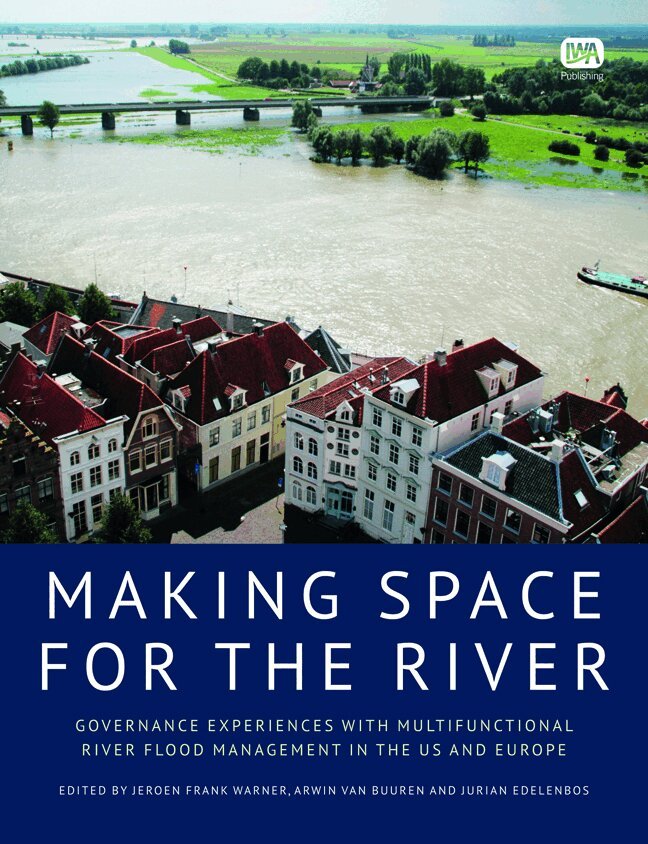
This book examines recent developments in river (flood) management from the viewpoint of Making Space for the River and the resulting challenges for water governance. Different examples from Europe and the United States of America are discussed that aim to ‘green’ rivers, including increasing river discharge for flood management, enhancing natural and landscape values, promoting local or regional economic development, and urban regeneration. Making Space for the River presents not only opportunities and synergies but also risks as it crosses established institutional boundaries and touches on multiple stakeholder interests, which can easily clash. Making Space for the River helps the reader to understand the policy and governance dynamics that lead to these tensions and pays attention to a variety of attempts to organize effective and legitimate governance approaches. The book helps to realize connections between policy domains, problem frames, and goals of different actors at different levels that contribute to decisive and legitimate action. Making Space for the River has an international comparative character that sheds light upon both the country-specific governance dilemmas which relate to specific state traditions and institutional characteristics of national water management, but also uncovers interesting similarities which provide us with building blocks to formulate more generic lessons about the governance of Making Space for the River in different institutional and social contexts. The authors of this book come from a variety of disciplines including public administration, town and country planning, geography and anthropology, and these different disciplines bring multiple ways of knowing and understanding of Making Space for the River programs. The book combines interdisciplinary scientific analyses of Space for the River projects and programs with practical knowing and lessons-drawing. Making Space for the River is written for both practitioners and scholars and students of environmental policy, spatial planning, land use and water management. Editors: Jeroen Warner, Assistant Professor of Disaster Studies, Wageningen University, The Netherlands. Arwin van Buuren, Associate Professor of Public Administration, Erasmus University Rotterdam, The Netherlands. Jurian Edelenbos, Professor of Public Administration, Erasmus University Rotterdam, The Netherlands.
Häftad, Engelska, 2012
1 446 kr
Skickas
Part of Metals and Related Substances in Drinking Water Set - buy all five books together to save over 30%! This Code of Practice is concerned with metal pick-up by drinking water within the water supply chain, particularly from water mains and from domestic and institutional pipe-work systems. The principal metals of interest are copper, iron, and lead, and to a lesser extent nickel and zinc. The emphasis is on cold drinking water at its point of use by consumers. Metals arising from water sources and hot water systems are not considered. The intention is that this Code of Practice establishes an international standard for the control of internal corrosion of water supply systems. It provides a basis for identifying both problems and sustainable solutions in a manner which is sound scientifically and will help operators to achieve due diligence. It provides a template for improving internal corrosion control in countries, cities or towns where this has been neglected or poorly implemented. Internal Corrosion Control of Water Supply Systems is deliberately brief in its presentation of a wide array of complex information, in order to provide direction to practitioners that can be more easily related to their specific circumstances. The book also provides a series of check-lists and criteria to be used in risk assessment. Editor: Dr Colin R Hayes, University of Swansea, UK, Chair of IWA Specialist Group on Metals and Related Substances in Drinking Water.
Inbunden, Engelska, 2013
1 868 kr
Skickas
The rapid development of nanoscience enables a technology revolution that will soon impact virtually every facet of the water sector. Yet, there is still too little understanding of what nanoscience and nanotechnology is, what can it do and whether to fear it or not, even among the educated public as well as scientists and engineers from other disciplines. Despite the numerous books and textbooks available on the subject, there is a gap in the literature that bridges the space between the synthesis (conventional and more greener methods) and use (applications in the drinking water production, wastewater treatment and environmental remediation fields) of nanotechnology on the one hand and its potential environmental implications (fate and transport of nanomaterials, toxicity, Life Cycle Assessments) on the other. Nanotechnology for Water and Wastewater Treatment explores these topics with a broad-based multidisciplinary scope and can be used by engineers and scientists outside the field and by students at both undergraduate and post graduate level.
Inbunden, Engelska, 2019
1 509 kr
Skickas
WaterConsumption, Tariffs and Regulation aims to provide a statistical overviewof water abstraction, consumption, tariffs and data on sewage and wastewatertreatment at an international level. It is mainly based on the statisticalinformation provided by the IWA Specialist Group on Statistics and Economics.Thebook is structured in three main parts. Part I presents tables and figuresrelative to water consumption and sanitation status and focuses on waterabstraction, water delivered, water consumption and the evolution of sewerconnection and wastewater treatment.PartII focuses on the analysis of water tariffs by investigating the structure ofwater tariffs by analysing the importance of the variable and fixed charge. Itpresents drinking water tariffs and illustrates the relationship between tariffsand GDP and also the size of the cities. Finally, charges in wastewater aredealt with country by country.PartIII analyses the main aspects relative to water regulation and describes theimportance of private operators in the management of the water cycle.Information relative to the principles used to fix drinking water prices ispresented with an assessment of access to public water services.
Inbunden, Engelska, 2016
1 806 kr
Skickas
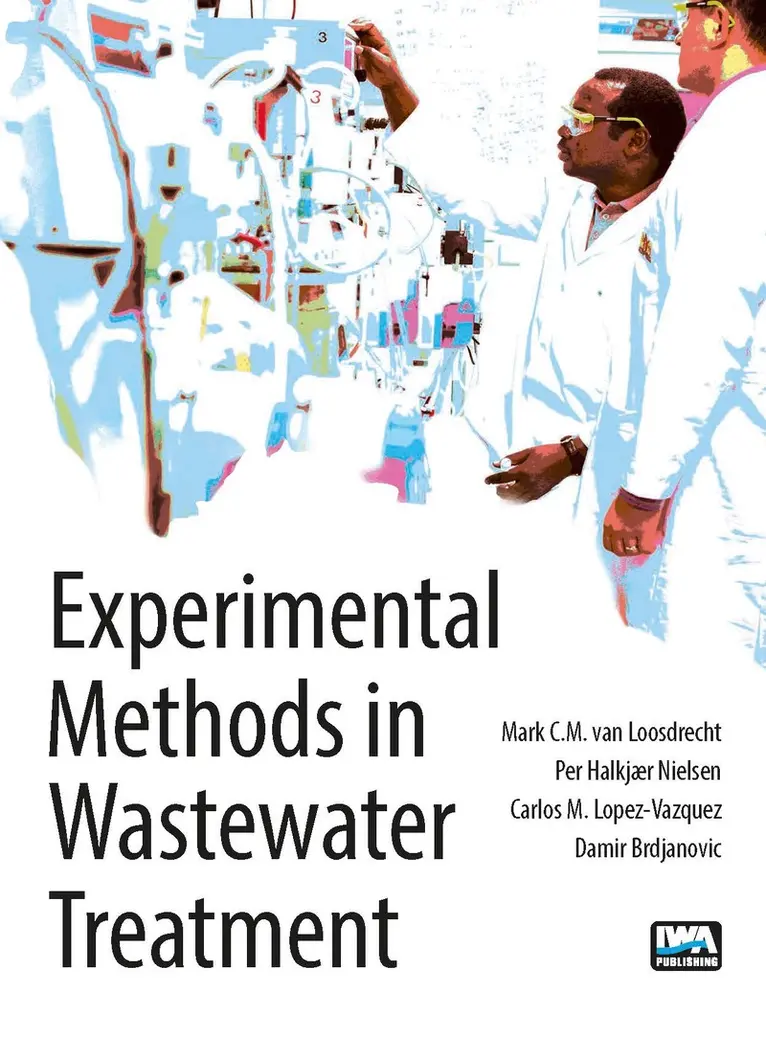
Over the past twenty years, the knowledge and understanding of wastewater treatment has advanced extensively and moved away from empirically based approaches to a fundamentally-based first principles approach embracing chemistry, microbiology, and physical and bioprocess engineering, often involving experimental laboratory work and techniques. Many of these experimental methods and techniques have matured to the degree that they have been accepted as reliable tools in wastewater treatment research and practice. For sector professionals, especially a new generation of young scientists and engineers entering the wastewater treatment profession, the quantity, complexity and diversity of these new developments can be overwhelming, particularly in developing countries where access to advanced level laboratory courses in wastewater treatment is not readily available. In addition, information on innovative experimental methods is scattered across scientific literature and only partially available in the form of textbooks or guidelines. This book seeks to address these deficiencies. It assembles and integrates the innovative experimental methods developed by research groups and practitioners around the world. Experimental Methods in Wastewater Treatment forms part of the internet-based curriculum in wastewater treatment at UNESCO-IHE and, as such, may also be used together with video records of experimental methods performed and narrated by the authors including guidelines on what to do and what not to do. The book is written for undergraduate and postgraduate students, researchers, laboratory staff, plant operators, consultants, and other sector professionals.
Häftad, Engelska, 2014
1 806 kr
Skickas
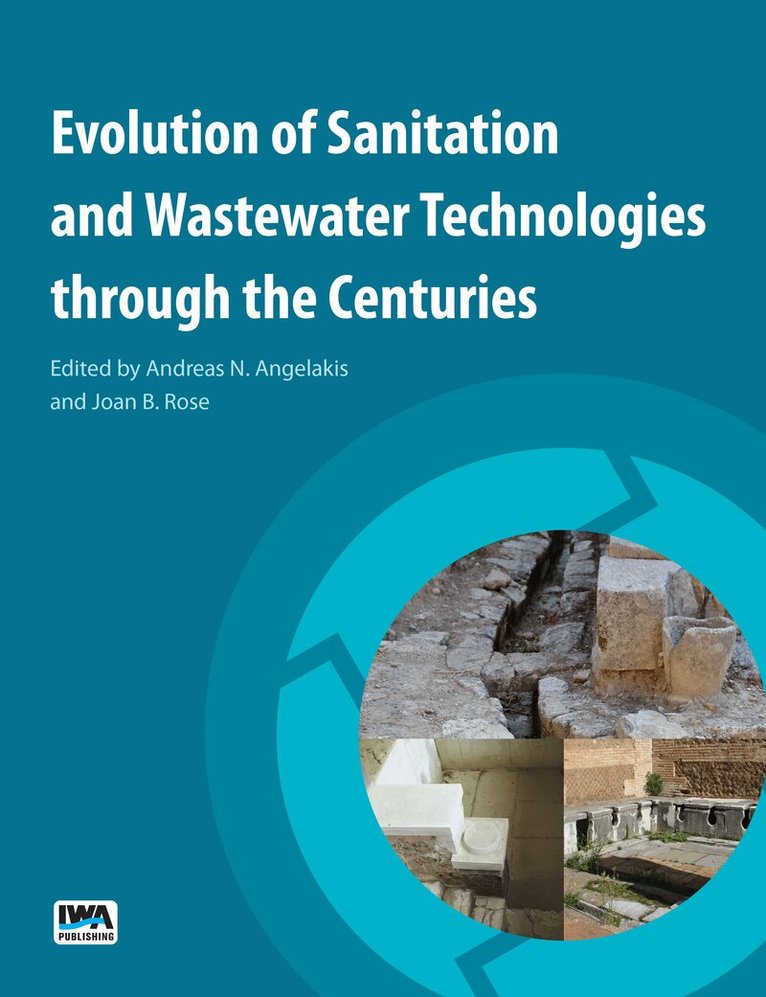
Most of the technological developments relevant to water supply and wastewater date back to more than to five thousand years ago. These developments were driven by the necessity to make efficient use of natural resources, to make civilizations more resistant to destructive natural elements, and to improve the standards of life, both at public and private level. Rapid technological progress in the 20th century created a disregard for past sanitation and wastewater and stormwater technologies that were considered to be far behind the present ones. A great deal of unresolved problems in the developing world related to the wastewater management principles, such as the decentralization of the processes, the durability of the water projects, the cost effectiveness, and sustainability issues, such as protection from floods and droughts were intensified to an unprecedented degree. New problems have arisen such as the contamination of surface and groundwater. Naturally, intensification of unresolved problems has led to the reconsideration of successful past achievements. This retrospective view, based on archaeological, historical, and technical evidence, has shown two things: the similarity of physicochemical and biological principles with the present ones and the advanced level of wastewater engineering and management practices. Evolution of Sanitation and Wastewater Technologies through the Centuries presents and discusses the major achievements in the scientific fields of sanitation and hygienic water use systems throughout the millennia, and compares the water technological developments in several civilizations. It provides valuable insights into ancient wastewater and stormwater management technologies with their apparent characteristics of durability, adaptability to the environment, and sustainability. These technologies are the underpinning of modern achievements in sanitary engineering and wastewater management practices. It is the best proof that “the past is the key for the future”. Evolution of Sanitation and Wastewater Technologies through the Centuries is a textbook for undergraduate and graduate courses of Water Resources, Civil Engineering, Hydraulics, Ancient History, Archaeology, Environmental Management and is also a valuable resource for all researchers in the these fields. Authors: Andreas N. Angelakis, Institute of Iraklion, Iraklion, Greece and Joan B. Rose, Michigan State University, East Lansing, MI, USA
Inbunden, Engelska, 2014
1 806 kr
Skickas
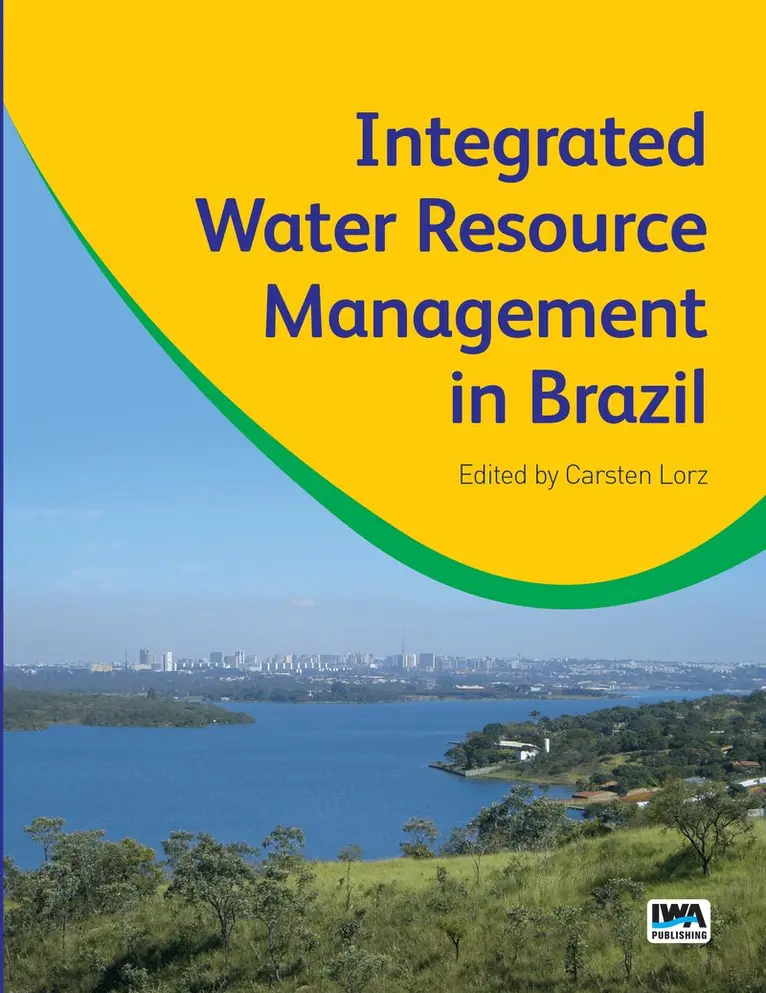
The complex interactions between water resources, land-use change and water technologies are a major issue in many emerging countries of Southern America. Usable water resources are affected by natural conditions, such as, strong seasonal contrasts and high climatic variability, and rapid changes of land use and land cover that is caused by the dramatic expansion of agricultural land and urbanization processes. So far, the effects of the changing climate have had minor effects on water resources. Although regional data is rather scarce, global climate models predict substantial changes of climatic conditions in the future. A further pressure is that demand for water supply and waste water, both in terms of amount and spatial expansion, is increasing rapidly due to higher population densities caused by natural population growth and migration as well as higher per capita consumption. Integrated Water Resource Management in Brazil aims to present the results of the joint project IWAS-AGUA DF which deals with problems, causes and solutions in water supply in scope of integrated water resource management in western Central Brazil. The basic idea of the IWRM approach to be presented is to show how natural conditions and human interference are interacting and how technologies as well as concepts might help to manage such water resource systems in a sustainable way. Authors: Carsten Lorz, Hochschule Weihenstephan-Triesdorf, University of Applied Sciences, Germany, Franz Makeschin, Dresden University of Technology, Germany and Holger Weiss, Center for Environmental Research, Germany
Inbunden, Engelska, 2014
1 806 kr
Skickas
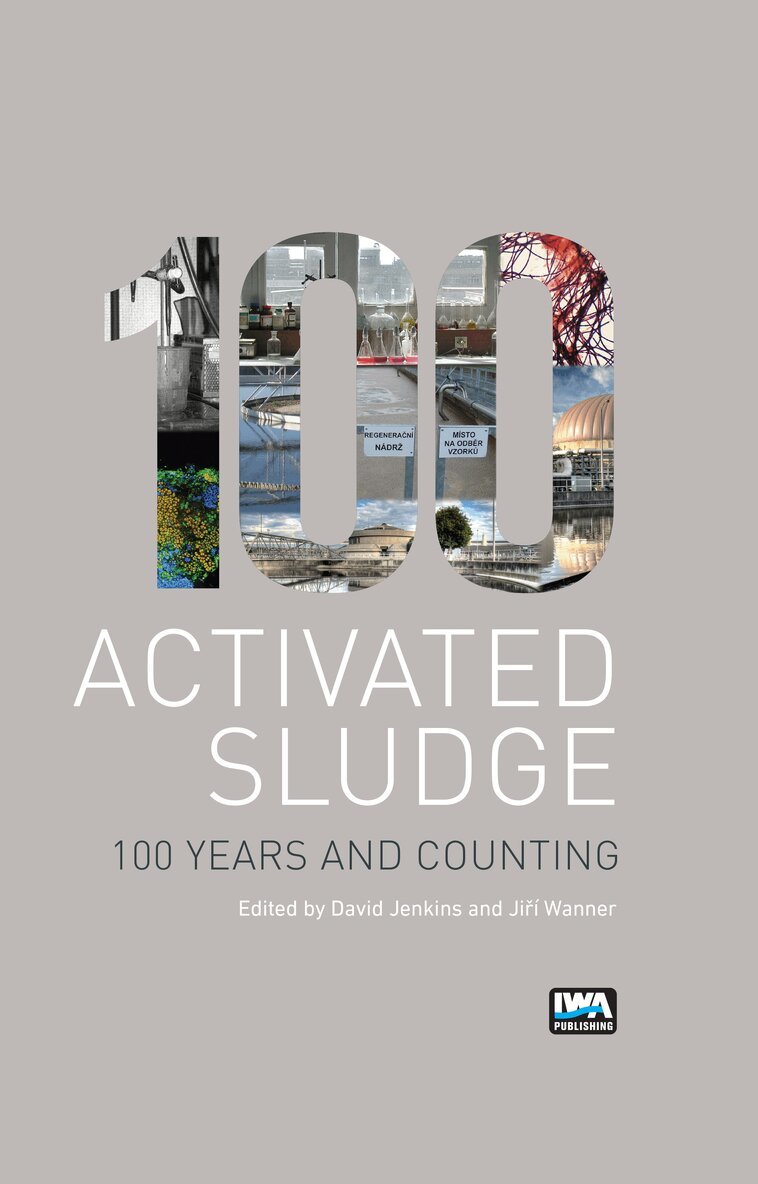
Activated Sludge - 100 Years and Counting covers the current status of all aspects of the activated sludge process and looks forward to its further development in the future. It celebrates 100 years of the Activated Sludge process, from the time that the early developers presented the seminal works that led to its eventual worldwide adoption. The book assembles contributions from renowned world leaders in activated sludge research, development, technology and application. The objective of the book is to summarise the knowledge of all aspects of the activated sludge process and to present and discuss anticipated future developments. The book comprises invited papers that were delivered at the conference "Activated Sludge…100 Years and Counting!", held in Essen, Germany, June 12th to 14th, 2014.Activated Sludge - 100 Years and Counting is of interest to researchers, engineers, designers, operations specialists, and governmental agencies from a wide range of disciplines associated with all aspects of the activated sludge process. Authors: David Jenkins, University of California at Berkeley, USA, Jiri Wanner, Institute of Chemical Technology, Prague, Czech Republic.
Häftad, Engelska, 2015
1 930 kr
Skickas
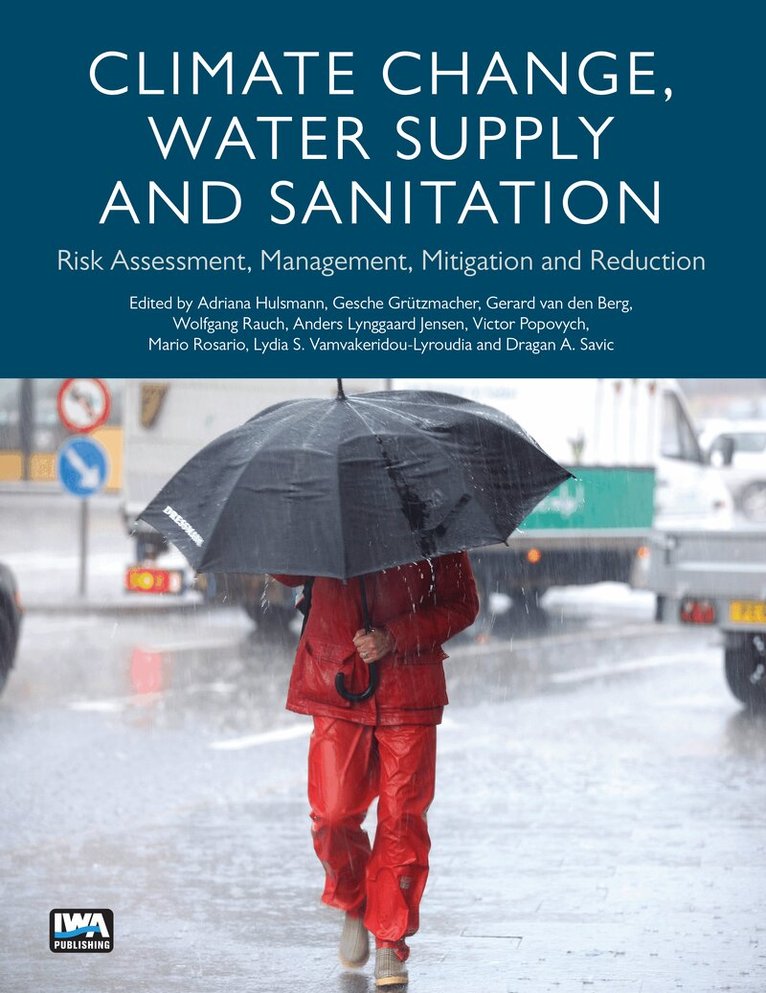
Climate Change, Water Supply and Sanitation: Risk Assessment, Management, Mitigation and Reduction pulls together the final outcomes and recommendations from the PREPARED project that originated from the WSSTP (Water Supply and Sanitation Technology Platform) thematic working group Sustainable Water Management in Urban areas. The PREPARED project confirms and demonstrates the technological preparedness of water supply and sanitation systems of ten cities in Europe and also Melbourne and Seattle to adapt to the expected impacts of climate change. It shows that the water supply and sanitation systems of cities and their catchments can adapt and be resilient to the challenges of climate change; and that the technological, managerial and policy adaptation of these PREPARED cities can be cost effective, carbon efficient and exportable to other urban areas within Europe and the rest of the world. The book: addresses issues related to the management of water, waste water and storm water that are impacted by climate change both in quantitative and qualitative aspects; addresses many of the Pan-European problems and optimises tests and implements adaptive solutions that contribute towards an integrated and coordinated approach; develops adaptation strategies, considering and weighting the mitigation side of solutions to minimise our carbon- and water footprint; improves resilience to deal with the impact of climate change; and contributes to the development of the knowledge base where it concerns the water supply and sanitation sector. Editors: Adriana Hulsmann, KWR Watercycle Research Institute, The Netherlands, Gesche Grützmacher Berliner Wasser Betriebe, Germany, Gerard van den Berg, KWR Watercycle Research Institute, The Netherlands, Wolfgang Rauch, University Innsbruck, Austria, Anders Lynggaard Jensen, DHI Aarhus, Denmark, Victor Popovych, Institute of Agriculture of Crimea, Mario Rosario, Mazzola University of Palermo, Italy. Lydia S. Vamvakeridou-Lyroudia, University of Exeter, UK, Dragan A. Savic, University of Exeter, UK
Inbunden, Engelska, 2015
1 806 kr
Skickas
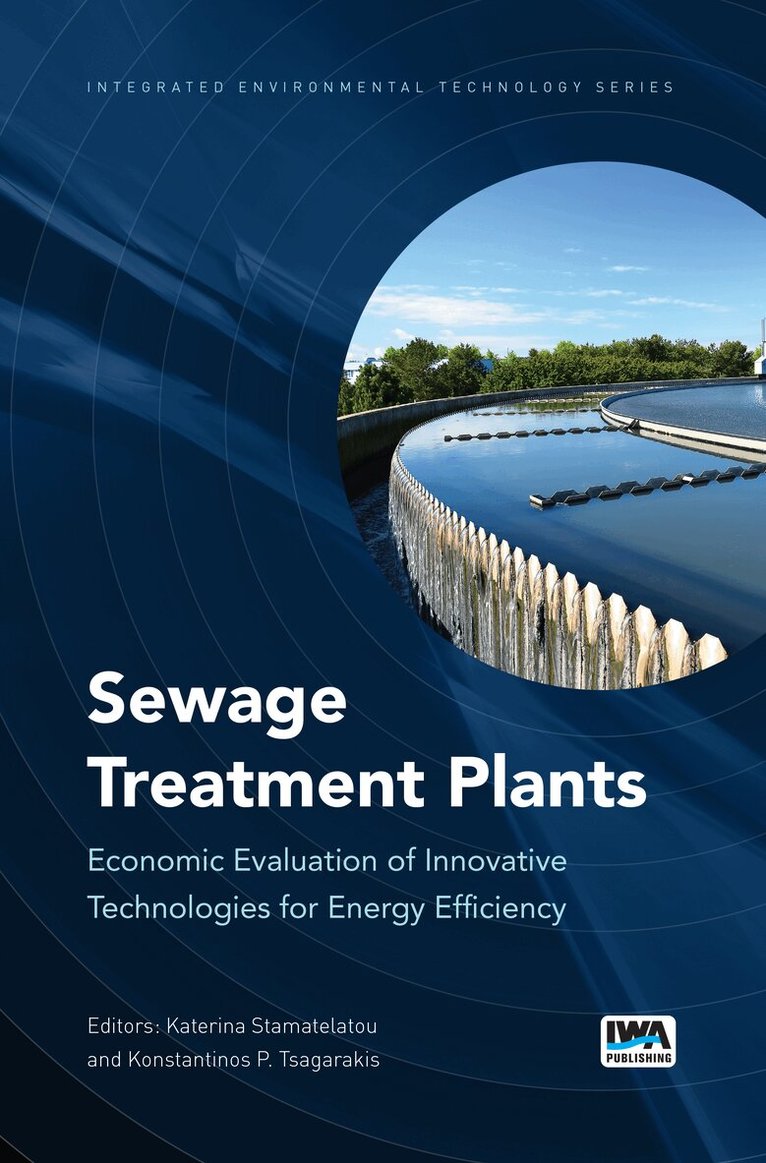
Sewage Treatment Plants: Economic Evaluation of Innovative Technologies for Energy Efficiency aims to show how cost saving can be achieved in sewage treatment plants through implementation of novel, energy efficient technologies or modification of the conventional, energy demanding treatment facilities towards the concept of energy streamlining. The book brings together knowledge from Engineering, Economics, Utility Management and Practice and helps to provide a better understanding of the real economic value with methodologies and practices about innovative energy technologies and policies in sewage treatment plants.
Häftad, Engelska, 2015
1 944 kr
Skickas
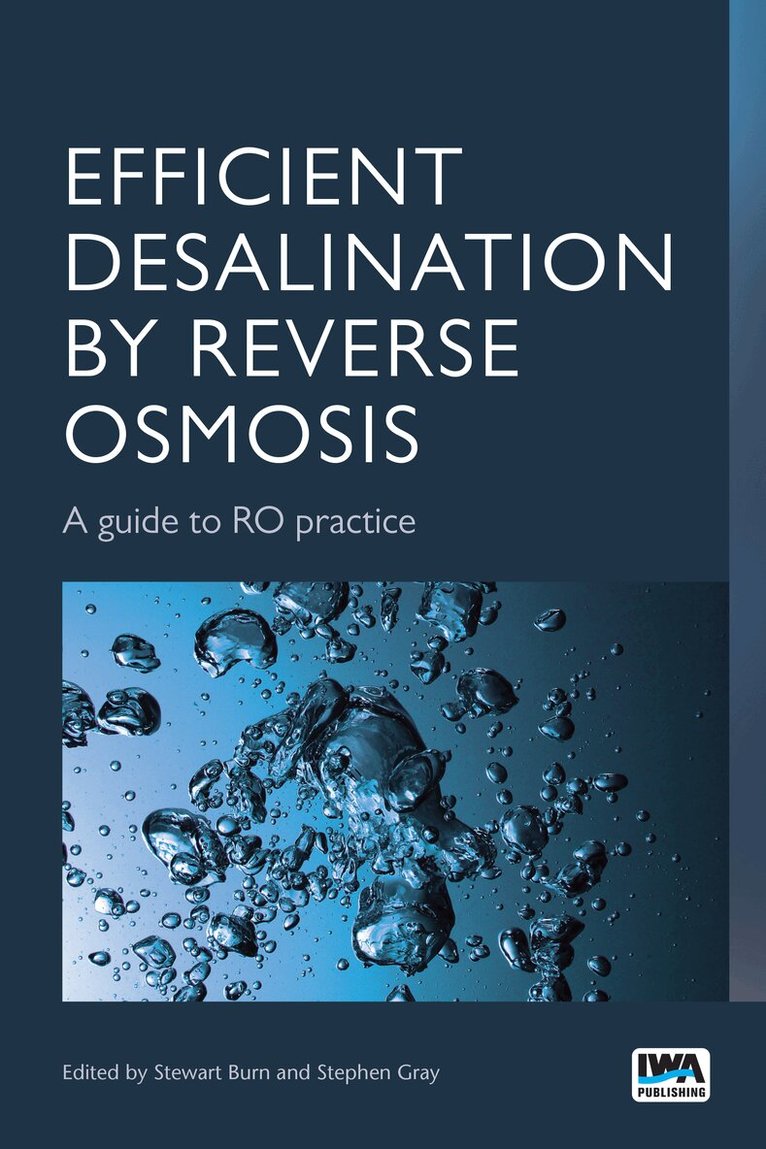
Early applications of desalination were small-scale plants deploying a range of technologies. However with the technological developments in Reverse Osmosis, most new plants use this technology because it has a proven history of use and low energy and capital costs compared with other available desalination technologies. This has led to the recent trend for larger seawater desalination plants in an effort to further reduce costs, and 1000 MLD seawater desalination plants are projected by 2020. Efficient Desalination by Reverse Osmosis recognises that desalination by reverse osmosis has progressed significantly over the last decades and provides an up to date review of the state of the art for the reverse osmosis process. It covers issues that arise from desalination operations, environmental issues and ideas for research that will bring further improvements in this technology. Efficient Desalination by Reverse Osmosis provides a complete guide to best practice from pre-treatment through to project delivery. Editors: Stewart Burn, Visiting Scientist, CSIRO Manufacturing. Adjunct Professor, Institute of Sustainability and Innovation, Victoria University. Adjunct Professor, Department of Civil, Environmental and Chemical Engineering, RMIT University. Stephen Gray, Director, Institute of Sustainability and Innovation, Victoria University.
Häftad, Engelska, 2013
1 806 kr
Skickas
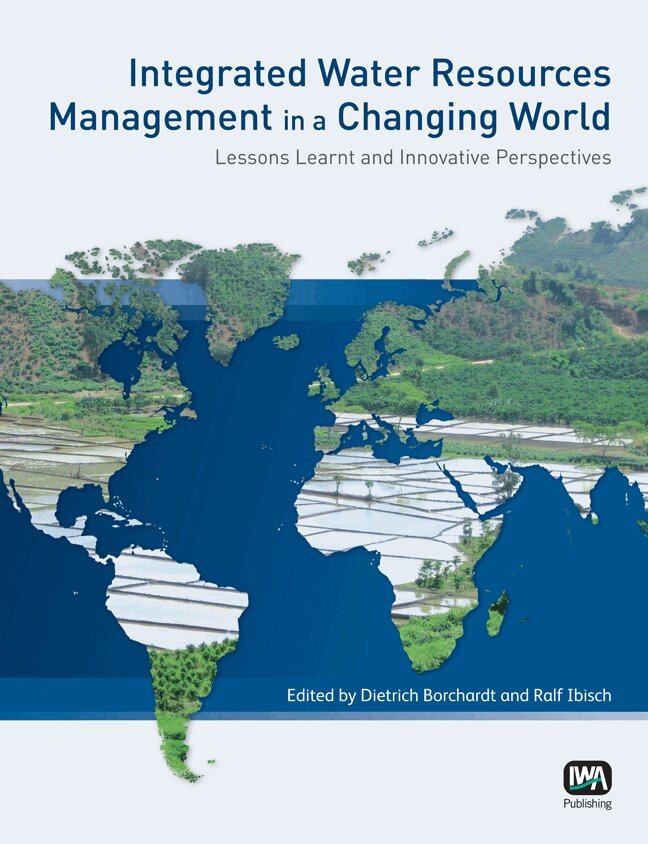
This volume presents a selection of the main contributions made to the international conference on Integrated Water Resources Management (IWRM) entitled ‘Management of Water in a Changing World: Lessons Learnt and Innovative Perspectives’ that was held from 12 to 13 October 2011 in Dresden, Germany. The book summarise the main messages issuing from the conference and contains selected papers which were presented during the conference, either as keynote lectures in plenary sessions or as submitted papers in one of the thematic sessions. The key themes of the book are: Water resources in changing environments Groundwater management Technologies and implementation Water management indicators at different scales Information and decision support systems Water governance: actors and institutions The book provides an overview on important issues concerning the conceptual framework of integrated water resources management (IWRM). All presentations and abstracts and the corresponding PowerPoint presentations as well as a video recording of the panel discussion are available at the conference website http://www.bmbf.iwrm2011.de. Readers are encouraged to complete their review of the conference and its messages by consulting this interesting on-line source of accompanying scientific material.
Häftad, Engelska, 2015
1 806 kr
Skickas
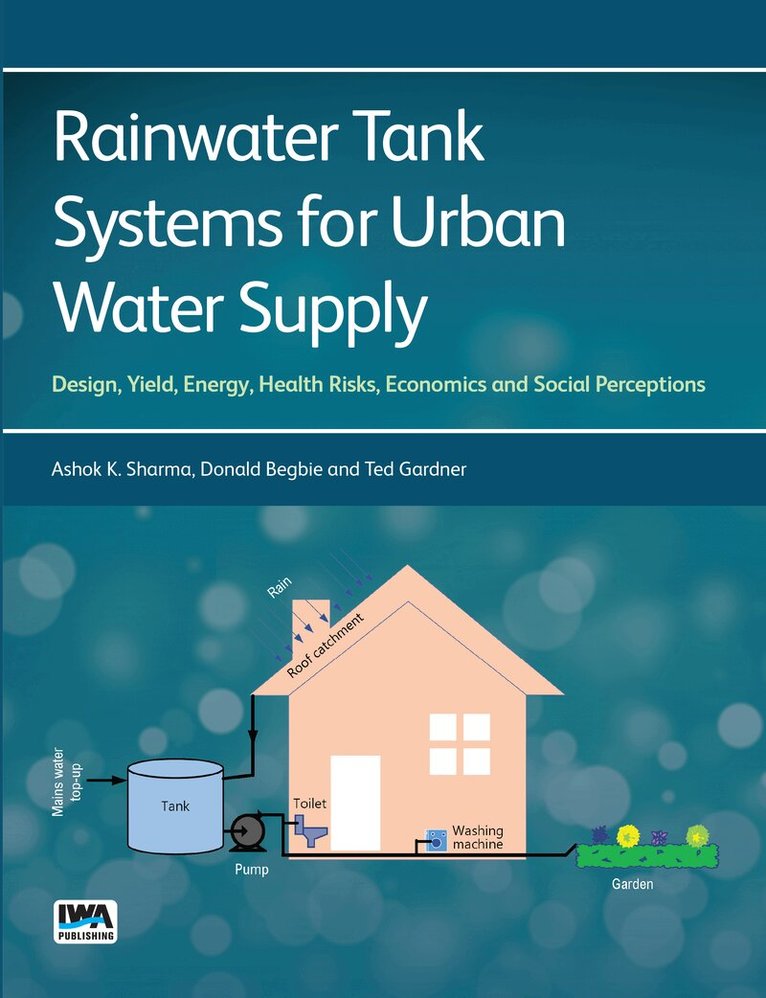
Rainwater tank systems have been widely adopted across the world to provide a safe local source of water in underdeveloped rural areas, a substitution for mains water for non potable end uses in water stressed urban areas, as well as providing flooding control in monsoonal climates such as Korea, or combined sewer systems such as Germany. The importance of these systems in cities has grown, as water managers seek to provide a range of decentralised solutions to supply constraints of current water supply systems, whilst reducing the impact of urban development on the natural environment, and increasing resilience to the impacts of climate change. Rainwater tank systems are now often implemented under integrated urban water management (IUWM) and water sensitive urban design (WSUD) philosophies, which take a holistic view of the urban water cycle. Rainwater Tank Systems for Urban Water Supply is based on a comprehensive, multi-million dollar research program that was undertaken in South East Queensland (SEQ) Australia in response to the Millennium drought when the water supply level in the regions drinking water dams dropped to 17% in July 2007 and the area came close to running out of water. In particular, the book provides insights and detailed analysis of design, modelling, implementation, operation, energy usage, economics, management, health risk, social perceptions and implications for water quality/quantity of roof water runoff. The approaches and methodologies included in Rainwater Tank Systems for Urban Water Supply inform and validate research programs, and provide insights on the expected performance and potential pitfalls of the adoption of rainwater tanks systems including: actual harvested yield and resulting mains water savings, optimal sizing for rainwater storages and roof collection systems, expected water quality and implications for managing public health risks, modelling tools available for decision support, operation and management approaches of a decentralised asset at the household scale and community acceptance. The book is suitable for use at undergraduate and post graduate levels and is of particular interest to water professionals across the globe, who are involved in the strategic water planning for a town, city or a region. It is a valuable resource for developers, civil designers, water planners, architects and plumbers seeking to implement sustainable water servicing approaches for residential, industrial and commercial developments.
Häftad, Engelska, 2014
1 806 kr
Skickas
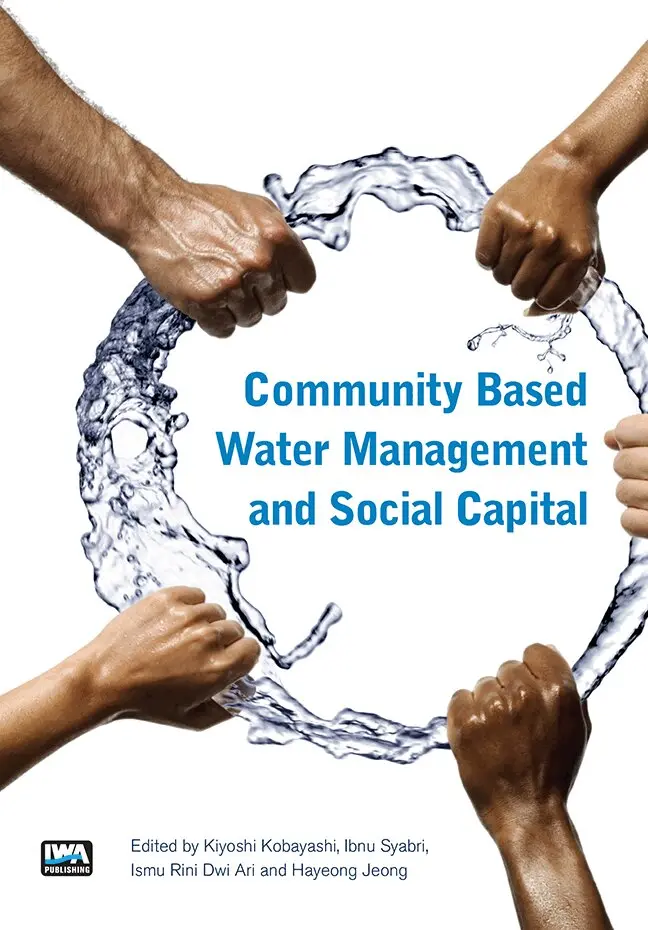
Community Based Water Management and Social Capitalprovides scientific understanding of community based water management and how to secure responsible management to satisfy quality and quantity requirements. It shows how community based water management can be synchronized with public water service, by introducing the most recent field experiments and theoretical studies in economics, social science, engineering, and regional planning which include game theory, microeconomics, econometric, statistics, social network analysis, social choice, and micro finance. Community Based Water Management and Social Capital presents field experiments and theoretical studies in economics, social science, engineering, and regional planning to investigate important questions: what motivates people involve in voluntary water management what is the effect of participatory approach in water management how does social capital work in the voluntary actions what are key factors for effective governance for water management with diverse actors - local people, enterprise, and government; what is necessary for proper water allocation; vi) how to synchronize public water service with community based water management. The book provides students, researchers, practitioners and governments with a comprehensive account of the current situation and perspectives on voluntary water management. It delivers a new scientific understanding on sustainable water management schemes and appropriate institutional social structures to secure inalienable rights to access to water. Author: Kiyoshi Kobayashi, Kyoto University, Japan, Ibnu Syabri Institute of Technology Bandung, Indonesia, Ismu Rini Dwi Ari, Brawijaya University, East Java, Hayeong Jeong, Isabel C Escobar, Andrea Schaefer.
Häftad, Engelska, 2014
1 744 kr
Skickas
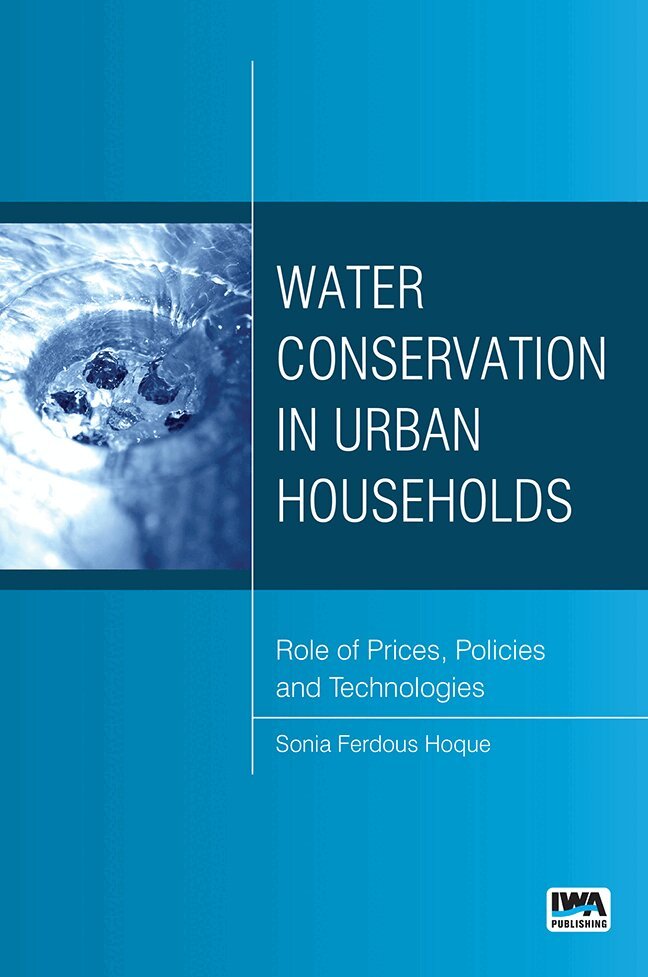
On the one hand, population and economic growth are increasing the demand for water but on the other, environmental consequences of climate change, pollution and over extraction of groundwater are decreasing the worlds supply of fresh water. This makes the availability of water for human use one of the greatest global concerns of this century. Neither levelling growth nor technological innovation can stretch the existing supplies significantly; hence, it is imperative that demand side management techniques such as the use of water efficient fixtures in urban households, appropriate water tariff structure and regulatory policies are used as tools for water conservation. Conservation of water resources is one of the important aspects of ensuring sustainable development of cities and should incorporate environmental, social and economic dimensions. This book highlights the importance of using water efficiently in urban households, in both developed and developing cities. Specifically, the book focuses on: the determinants of water conservation behaviour, including psychological factors such as values, beliefs and attitudes, socio-economic factors such as income, water pricing and policies, environmental factors such as seasonal variations and demographic factors such as household size and age; the role of policies such as mandatory water restrictions, labelling of water saving devices and promotion of public awareness; the role of water and wastewater tariff structures in achieving the goals of revenue generation, affordability, demand management and equity and the design of conservation oriented rate structures; and the role of water saving devices in providing technological solutions to household water conservation. In relation to the above issues, the book provides several detailed case studies of cities to understand the effectiveness of such demand management tools and the lessons learnt. Overall, the book aims to provide a comprehensive overview of the various price and non-price tools that can be used to manage domestic water consumption. Water Conservation in Urban Households is a one-stop repository of information on water conservation for academics, practitioners and policy makers. The text can be used for teaching and research on water demand management as well as for professional reference by water utility officials. In addition, the appendix of the book contains a database of the current domestic water and wastewater tariffs and monthly bills of selected cities, which will be helpful for those willing to conduct research in this field. Author: Sonia Ferdous Hoque, University of Leeds, UK.
Häftad, Engelska, 2014
565 kr
Skickas
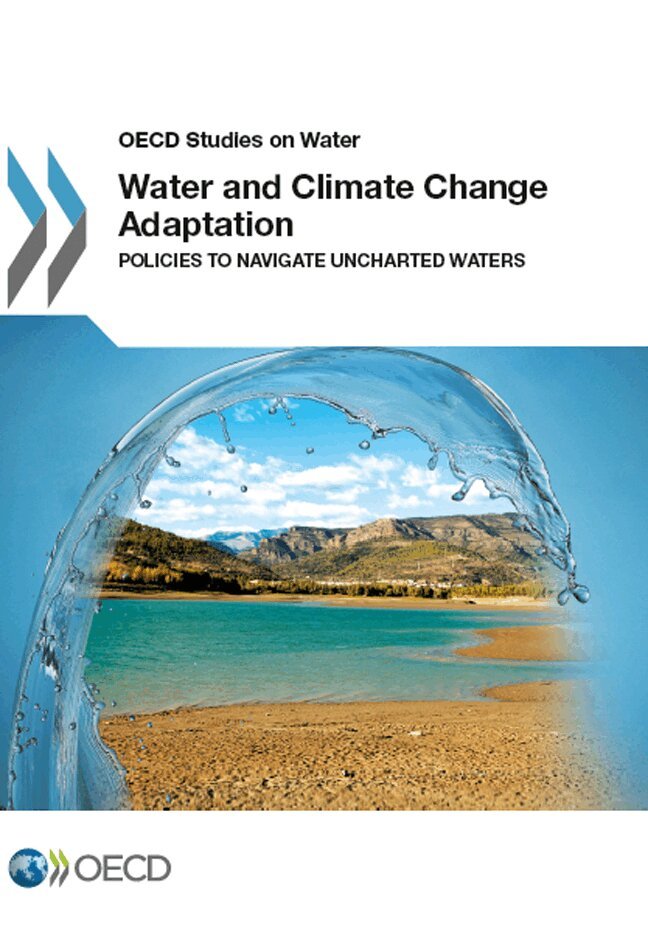
This publication sets out the challenge for freshwater in a changing climate and provides policy guidance on how to navigate this new "waterscape". It examines the range and complexity of possible changes in the water cycle and the challenges of making practical, on-site adaptation decisions for water. It offers policymakers a risk-based framework and guidance to "know", "cap" and "manage" water risks in order to provide flexibility and improve decisions despite the lack of reliable predictions. It draws insights from a stock take of current policy efforts to adapt water systems across all 34 member countries and the European Union, including water-related aspects of National Adaptation Plans and Strategies, specific policy measures, and financing programmes. Finally, the report examines the use of economic instruments to promote adaptation (e.g. insurance schemes, water markets and banks, water pricing), incentives for ‘green’ infrastructure and ecosystem-based approaches, and financing issues.
Häftad, Engelska, 2014
1 061 kr
Skickas
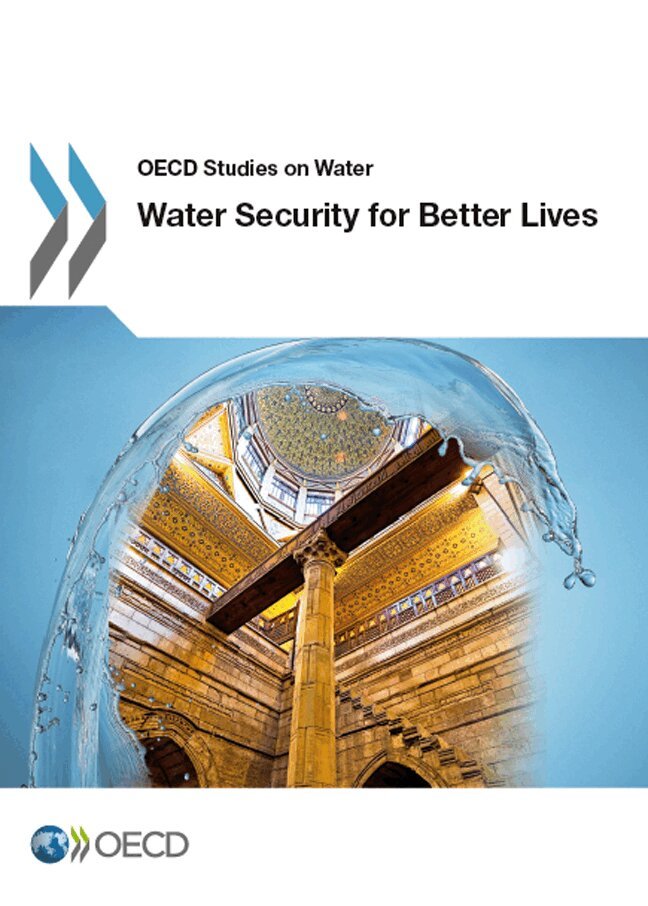
This publication examines the critical issues surrounding water security (water shortage, water excess, inadequate water quality, the resilience of freshwater systems), providing a rationale for a risk-based approach and the management of trade-offs between water and other (sectoral and environmental) policies. The report sets out a three-step process to "know", "target" and "manage" water risks: (1) appraising the risks, (2) judging the tolerability and acceptability of risks and weighing risk-risk trade-offs, and (3) calibrating appropriate responses. The publication provides policy analysis and guidance on the use of market-based instruments and the complex links between water security and other policy objectives, such as food security, energy security, climate mitigation and biodiversity protection.
Del 24 - Scientific and Technical Report Series
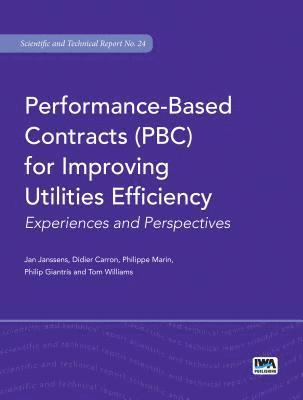
Performance-Based Contracts (PBC) for Improving Utilities Efficiency
Häftad, Engelska, 2018
1 634 kr
Skickas
Scientific and Technical Report No. 24Performance-Based Contracts (PBC) for Improving Utilities Efficiency: Experiences and Perspectives is a compendium of articles written by members of the PBC taskforce. It focuses on new approaches without delegated management to private operator i.e. service contracts, consulting contracts, Alliance approach, public-public partnership. It also mentions new design and generation of more traditional PPPs, (MC, lease, concession), where a larger proportion of performance-based design is being applied.List of Contents:Performance Based Contracts – Setting the scene; PBC and Results Based Financing: the inverse approach; PBC and Energy Efficiency; Internal Performance Contracts: A Case of the National Water and Sewerage Corporation in Uganda; Performance-Based Service Contracts in Navi Mumbai; Financial Comparison of PBCs and Conventional Approach; Tegucigalpa PBC Case Study; Performance Based Contracts – Key Design Issues; NRW Reduction Optimization Framework; How to improve water services performance? Performance Based Contracts (PBC) and Regulatory issues; Peer-to-Peer Partnerships Operational for sustainable water services; Performance Based Contracts in Malawi: Teamwork Works; Performance based affermage contracts; Performance based Contracts, The Aroona Integrated Alliance Experience; Experience from Eastern Europe; NRW Performance Contract – Kingdom of Bahrain; The way forward and perspectives/trends
Letar du efter digitala böcker?
E-böcker och ljudböcker handlar du än så länge på vår tidigare sajt.