
Visar resultat för..."Oxbow Books"
255 produkter
255 produkter
Inbunden, Engelska, 2019
603 kr
Skickas inom 3-6 vardagar
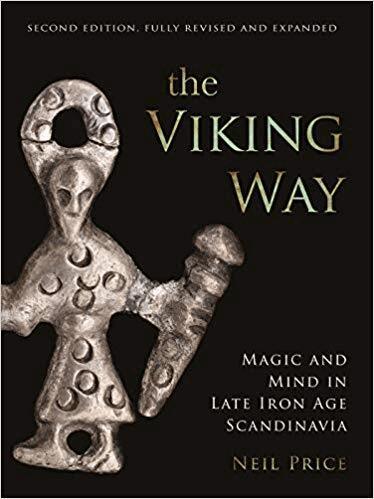
Magic, sorcery and witchcraft are among the most common themes of the great medieval Icelandic sagas and poems, the problematic yet vital sources that provide our primary textual evidence for the Viking Age that they claim to describe. Yet despite the consistency of this picture, surprisingly little archaeological or historical research has been done to explore what this may really have meant to the men and women of the time. This book examines the evidence for Old Norse sorcery, looking at its meaning and function, practice and practitioners, and the complicated constructions of gender and sexual identity with which these were underpinned. Combining strong elements of eroticism and aggression, sorcery appears as a fundamental domain of women's power, linking them with the gods, the dead and the future. Their battle spells and combat rituals complement the men's physical acts of fighting, in a supernatural empowerment of the Viking way of life. What emerges is a fundamentally new image of the world in which the Vikings understood themselves to move, in which magic and its implications permeated every aspect of a society permanently geared for war. In this fully-revised and expanded second edition, Neil Price takes us with him on a tour through the sights and sounds of this undiscovered country, meeting its human and otherworldly inhabitants, including the Sámi with whom the Norse partly shared this mental landscape. On the way we explore Viking notions of the mind and soul, the fluidity of the boundaries that they drew between humans and animals, and the immense variety of their spiritual beliefs. We find magic in the Vikings' bedrooms and on their battlefields, and we meet the sorcerers themselves through their remarkable burials and the tools of their trade. Combining archaeology, history and literary scholarship with extensive studies of Germanic and circumpolar religion, this multi-award-winning book shows us the Vikings as we have never seen them before.
Häftad, Engelska, 2022
363 kr
Skickas
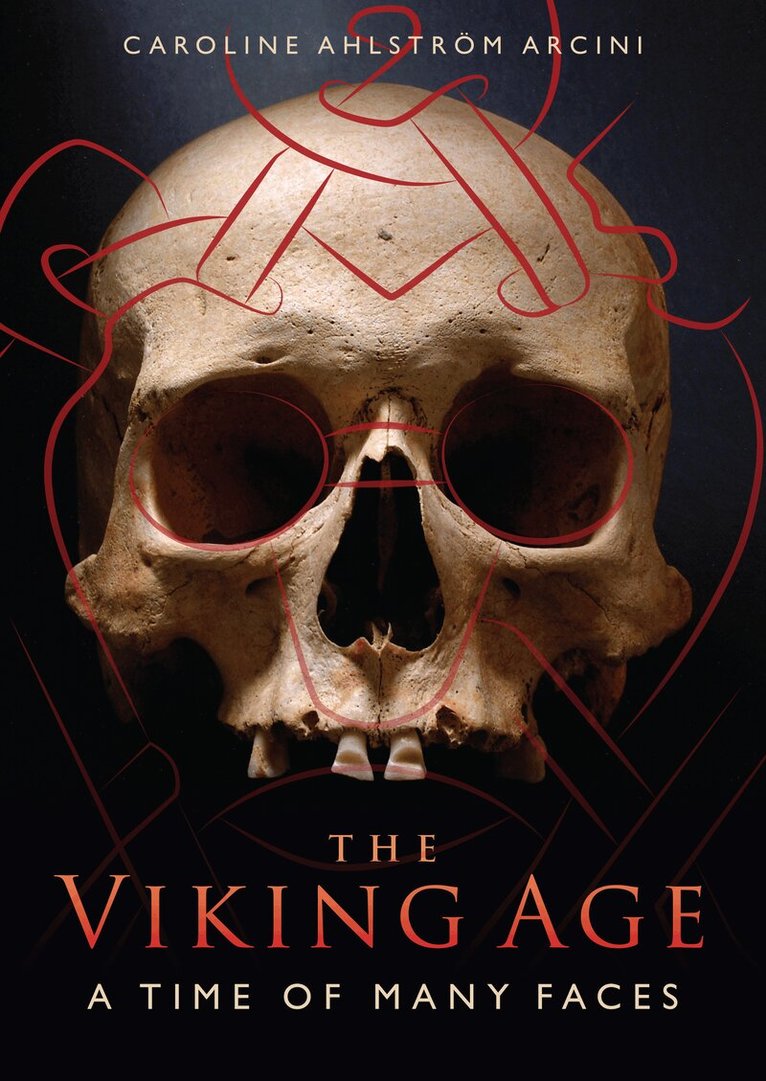
The majority of literature about the Viking period, based on artefacts or written sources, covers battles, kings, chiefs and mercenaries, long distance travel and colonisation, trade, and settlement. Less is said about the life of those that stayed at home, or those that immigrated into Scandinavia, whether voluntarily or by force. This book uses results from the examination of a substantial corpus of Swedish osteological material to discuss aspects of demography and health in the Viking period – those which would have been visible and recognisable in the faces or physical appearances of the individuals concerned. It explores the effects of migration, from the spread of new diseases such as leprosy to patterns of movement and integration of immigrants into society. The skeletal material also allows the study of levels of violence, attitudes towards disablement, and the care provided by Viking communities. An overview of the worldwide phenomenon of modified teeth also gives insight into the practice of deliberate physical embellishment and body modification. The interdisciplinary approach to questions regarding ordinary life presented here will broaden the knowledge about society during the Viking Age. The synthesis of the Swedish unburnt human skeletal remains dated to the Viking age will be a valuable resource for future research, and provides an in-depth view on Viking age society.
Inbunden, Engelska, 2022
475 kr
Skickas
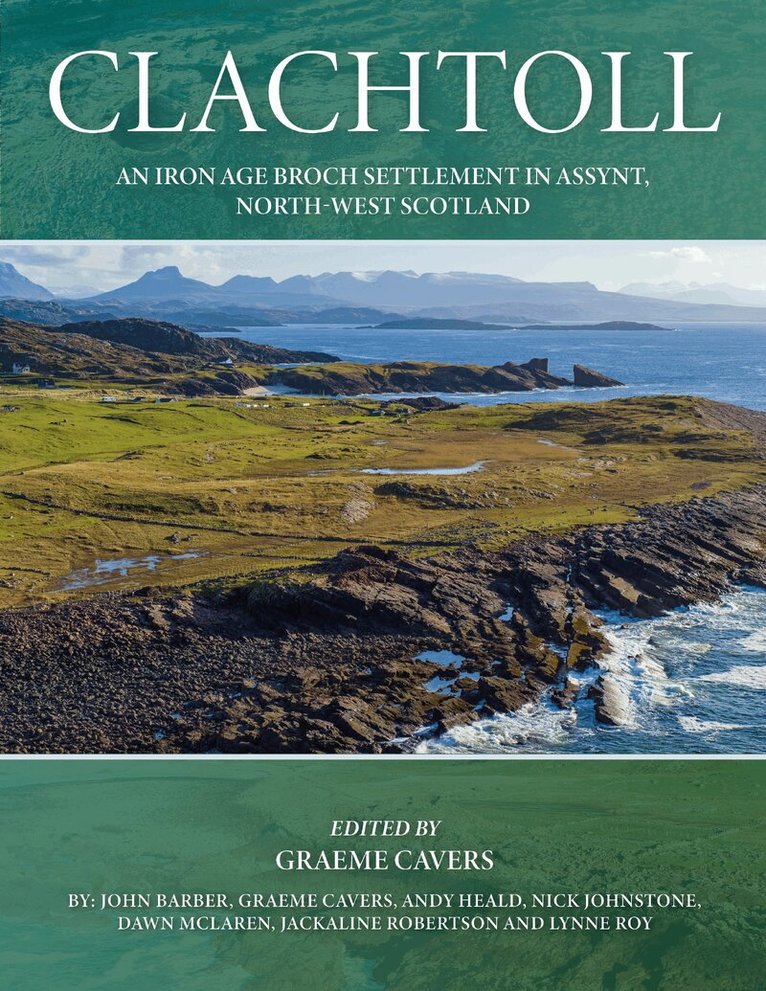
Clachtoll broch is one of the most spectacular Iron Age settlements on the northern mainland of Scotland. When it became clear that the structure was threatened by coastal erosion, community heritage group Historic Assynt launched a major programme of conservation and excavation works designed to secure the vulnerable structure and recover the archaeological evidence of its occupation and use. The resulting excavation provided evidence of a long and complex history of construction and rebuilding, with the final, middle Iron Age occupation phase ending in a catastrophic fire and collapse of the tower by the early years of the first century AD. The internal deposits span perhaps 50 years of the broch’s final occupation and were remarkably well preserved, with no evidence for secondary re-use or disturbance after the fire. As a result, the excavation provides a remarkable snapshot of life in Iron Age Scotland, with an artefact assemblage attesting to daily agricultural life as well as long-range contacts that sets the broch within a wider Atlantic community. Specialist analysis of the artefactual and palaeoenvironmental evidence coupled with detailed analysis of the structure in its local geographical context combine to provide a major new contribution to the archaeology of north-west Scotland, with wider implications for our understanding of late prehistoric society in northern Britain. This report comprises the results of the archaeological investigations at Clachtoll, compiled by a team of archaeologists and specialists from AOC Archaeology Group, and brings together evidence from a range of specialist analyses as well as environmental and landscape investigations.
Häftad, Engelska, 2021
515 kr
Skickas
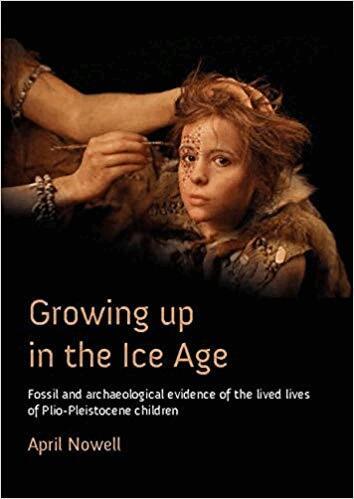
In prehistoric societies children comprised 40-65% of the population, yet by default, our ancestral landscapes are peopled by adults who hunt, gather, fish, knap tools and make art. But these adults were also parents, grandparents, aunts and uncles who had to make space physically, emotionally, intellectually and cognitively for the infants, children and adolescents around them. Growing Up in the Ice Age is a timely and evidence-based look at the lived lives of Paleolithic children and the communities of which they were a part. By rendering these 'invisible' children visible, readers will gain a new understanding of the Paleolithic period as a whole, and in doing so will learn how children have contributed to the biological and cultural entities we are today.
Häftad, Engelska, 2022
482 kr
Skickas
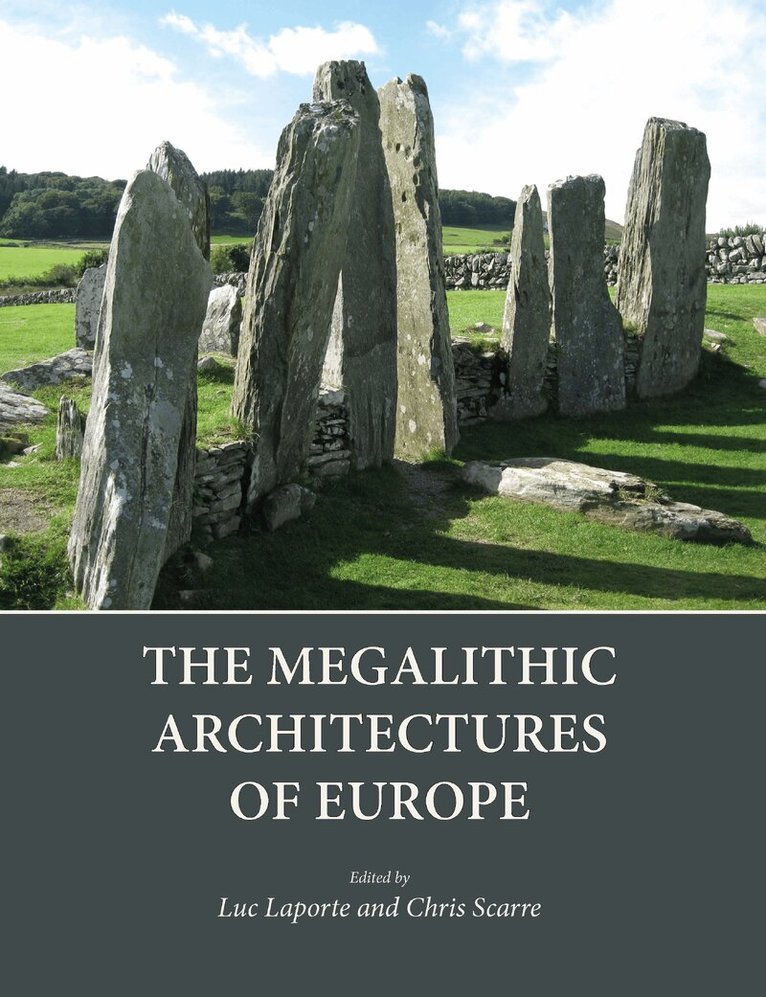
Megalithic monuments are among the most striking remains of the Neolithic period of northern and western Europe and are scattered across landscapes from Pomerania to Portugal. Antiquarians and archaeologists early recognised the family resemblance of the different groups of tombs, attributing them to maritime peoples moving along the western seaways. More recent research sees them rather as the product of established early farming communities in their individual regions. Yet the diversity of the tombs, their chronologies and their varied cultural contexts complicates any straightforward understanding of their origins and distribution. Megalithic Architectures provides new insight by focusing on the construction and design of European megalithic tombs – on the tomb as an architectural project. It shows how much is to be learned from detailed attention to the stages and the techniques through which tombs were built, modified and enlarged, and often intentionally dismantled or decommissioned. The large slabs that were employed, often unshaped, may suggest an opportunistic approach by the Neolithic builders, but this was clearly far from the case. Each building project was unique, and detailed study of individual sites exposes the way in which tombs were built as architectural, social and symbolic undertakings. Alongside the manner in which the materials were used, it reveals a store of knowledge that sometimes differed considerably from one structure to another, even between contemporary monuments within a single region. The volume brings together regional specialists from Scandinavia, Germany, Britain, France, Belgium and Iberia to offer a series of uniquely authoritative studies. Results of recent fieldwork are fully incorporated and much of the material is published here for the first time in English. It provides an invaluable overview of the current state of research on European megalithic tombs.

Inbunden, Engelska, 1966
234 kr
Skickas
Inbunden, Engelska, 2015
1 893 kr
Skickas inom 5-8 vardagar
Inbunden, Engelska, 1983
862 kr
Skickas inom 10-15 vardagar
Häftad, Engelska
252 kr
Skickas inom 3-6 vardagar
Häftad, Engelska, 2015
174 kr
Skickas inom 3-6 vardagar
Inbunden, Engelska, 2014
506 kr
Kommande
The nine papers presented here set out to broaden the recent focus of archaeological evidence for medieval children and childhood and to offer new ways of exploring their lives and experiences. The everyday use of space and changes in the layout of buildings are examined, in order to reveal how these impacted upon the daily practices and tasks of household tasks relating to the upbringing of children. Aspects of work and play are explored: how, archaeologically, we can determine whether, and in what context, children played board and dice games? How we may gain insights into the medieval countryside from the perspective of children and thus begin to understand the processes of reproduction of particular aspects of medieval society and the spaces where children’s activities occurred; and the possible role of children in the medieval pottery industry. Funerary aspects are considered: the burial of infants in early English Christian cemeteries the treatment and disposal of infants and children in the cremation ritual of early Anglo-Saxon England; and childhood, children and mobility in early medieval western Britain, especially Wales. The volume concludes with an exploration of what archaeologists can draw from other disciplines – historians, art historians, folklorists and literary scholars – and the approaches that they take to the study of childhood and thus the enhancement of our knowledge of medieval society in general.
Inbunden, Engelska, 2015
906 kr
Kommande
Seals and their Context in the Middle Ages offers an extensive overview of approaches to and the potential of sigillography, as well as introducing a wider readership to the range, interest and artistry of medieval seals. Seals were used throughout medieval society in a wide range of contexts: royal, governmental, ecclesiastical, legal, in trade and commerce and on an individual and personal level. The fourteen papers presented here, which originate from a conference held in Aberystwyth in April 2012, focus primarily on British material but there is also useful reference to continental Europe. The volume is divided into three sections looking at the history and use of seals as symbols and representations of power and prestige in a variety of institutional, dynastic and individual contexts, their role in law and legal practice, and aspects of their manufacture, sources and artistic attributes. Importantly and distinctively, the volume moves beyond the study of high status seals to consider such themes as the social and economic status of seal-makers, the nature and meaning – including reflections of deliberate wit and boastfulness – of specific motifs employed at various levels of society, and the distribution of seals in relation to the location of, for instance, religious institutions and along major routeways. In so doing, it sets out ways in which sigillography can open new pathways into the study of non-elites and their cultures in medieval society.
Del 1 - Ancient Textiles Series
Ancient Textiles
Production, Crafts and Society
Häftad, Engelska, 2014
610 kr
Skickas inom 3-6 vardagar
An understanding of textiles and the role they played in the past is important for anyone interested in past societies. Textiles served and in fact still do as both functional and symbolic items. The evidence for ancient textiles in Europe is split quite definitely along a north-south divide, with an abundance of actual examples in the north, but precious little in the south, where indirect evidence comes from such things as vase painting and frescoes. This volume brings together these two schools to look in more detail at textiles in the ancient world, and is based on a conference held in Denmark and Sweden in March 2003. Section one, Production and Organisation takes a chronological look through more than four thousand years of history; from Syria in the mid-third millennium BC, to Seventeenth Century Germany. Section two, Crafts and Technology focuses on the relationship between the primary producer (the craftsman) and the secondary receiver (the archaeologist/conservator). The third section, Society, examines the symbolic nature of textiles, and their place within ancient societal groups. Throughout the book emphasis is placed on the universality of textiles, and the importance of information exchange between scholars from different disciplines.
Häftad, Engelska, 2025
523 kr
Skickas inom 3-6 vardagar
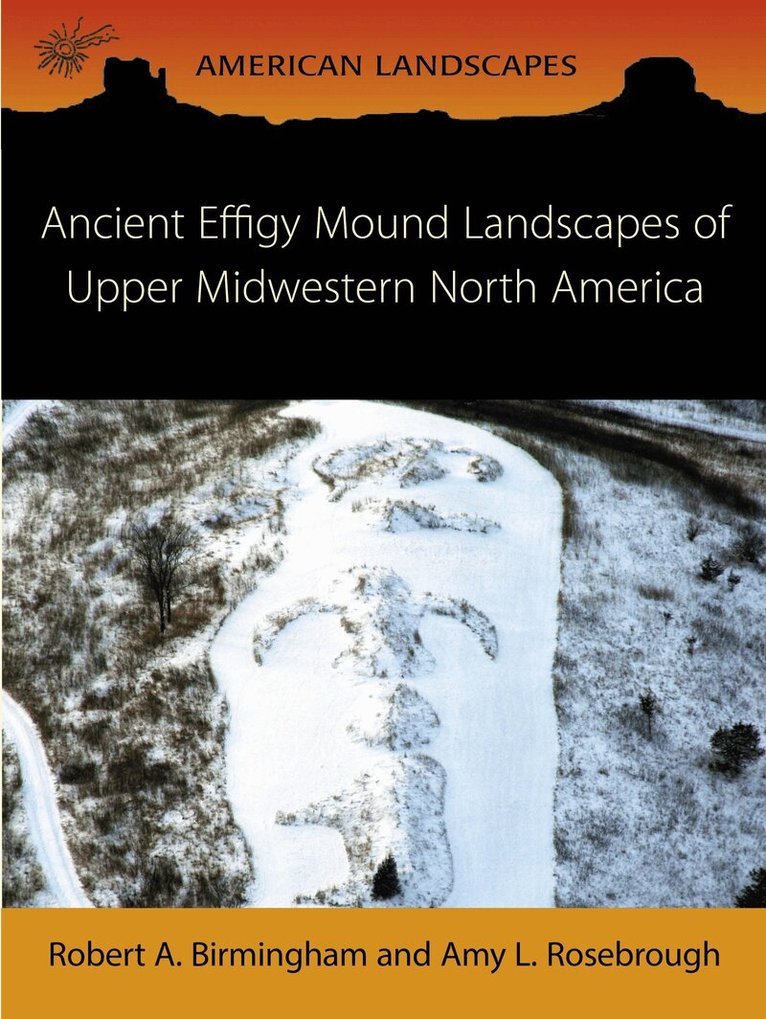
This book provides an overview of the effigy mound phenomenon of the Upper Midwest of North America, centered on southern Wisconsin. Between c. AD 700 and 1100, Late Woodland people of the Upper Midwest used the topography and other natural features to create vast ceremonial landscapes consisting of thousands of earthen mounds sculpted into animals and animal spirits (bears, birds, panthers, snakes, etc.) that mirrored their belief and clan-based social structure and served an important role in mortuary ritual. In so doing, the Late Woodland people created quite visible three-dimensional maps of ancient cosmology and social structures that are similar to the beliefs and social systems of more recent Native people. The effigy landscapes of this region are unique. The authors document the nature of the effigy mound landscapes, describing the use of topography and natural features to create them, and provide the interpretation that these were living landscapes in which ancestral animals and the supernatural were ritually brought back to life in a continuous cycle of death and rebirth of the earth and its people.Subsistence patterns, artifacts, settlement systems, and changes in these through the effigy building era are examined and effigy mound societies are compared and contrasted with preceding and succeeding societies, as well as contemporaneous societies in adjacent regions. Examples are drawn from throughout the effigy mound region. The book is profusely illustrated with high quality historical and modern maps, photographs of effigy mounds including aerials, and LiDAR imagery providing three-dimensional images.
Häftad, Engelska, 2015
421 kr
Skickas inom 3-6 vardagar
Geoarchaeology is a major branch of archaeological science at the interfaces between geology, geography and archaeology, involving the combined study of archaeological, soil and geomorphological records and the recognition of how natural, climatic and human-induced processes alter landscapes. The formation and modification of past soils, and occupation sequences can be examined primarily through the use of soil micromorphological techniques and various physical and geo-chemical techniques. This short text aims to explain some of the basics of geoarchaeological approaches and research design used to tackle the investigation of landscapes and settlement archaeology, and the application of soil micromorphology to archaeological situations. The intention is to present a basic handbook of good practice, with case studies and examples, that any archaeologist or aspiring geoarchaeologist can use.
Häftad, Engelska, 2016
346 kr
Skickas
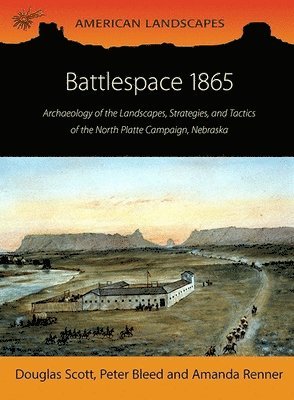
For a period of about week in February 1865, as the Civil War was winding down and Plains Indian communities were reeling in the wake of the Sand Creek massacre, combat swept across the Nebraska panhandle, especially along the Platte River. The fighting that marked this event barely compares to the massive campaigns and terrible carnage that marked the conflict that was taking place in the eastern states but it was a significant event at the opening on the ensuing Indian Wars. Operating on terrain they knew well, Cheyenne warriors and other Native forces encountered the US Cavalry who operated within a modern network of long distance migration and pony express trails and military stations. The North Platte Campaign offers a good basis for the application of landscape approaches to conflict archaeology if only because of its scale. This fighting is both easily approached and fascinatingly encompassed. There were probably far fewer than 1000 fighters involved in those skirmishes, but before, after, and between them, they involved substantial movements of people and of equipment that was similar to the arms and gear in service to other Civil War era combatants. They also seem to have used approaches that were typical of America’s western warfare. Like many of the conflicts of interest to modern observers, the North Platte fights were between cultural different opponents. Archaeological consideration of battlefields such as Rush Creek and Mud Springs, bases, and landscapes associated with this fighting expose how the combat developed and how the opposing forces dealt with the challenges they encountered. This study draws on techniques of battlefield archaeology, focusing on the concept of ‘battlespace’ and the recovery, distribution and analysis of artifacts and weaponry, as well as historical accounts of the participants, LiDAR-informed terrain assessment, and theoretical consideration of the strategic thinking of the combatants. It applies a landscape approach to the archaeological study of war and reveals an overlooked phase of the American Civil War and the opening of the Indian Wars.
Inbunden, Engelska, 2017
940 kr
Skickas
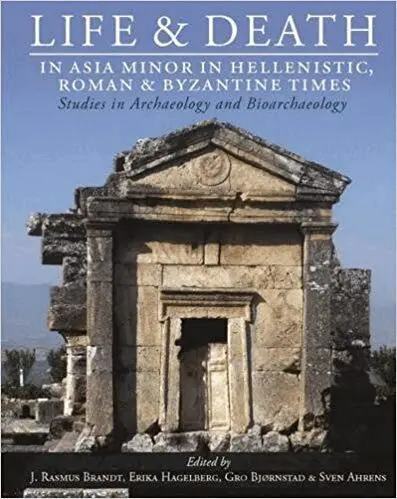
Life and Death in Asia Minor combines contributions in both archaeology and bioarchaeology in Asia Minor in the period ca. 200 BC – AD 1300 for the first time. The archaeology topics are wide-ranging including death and territory, death and landscape perception, death and urban transformations from pagan to Christian topography, changing tomb typologies, funerary costs, family organization, funerary rights, rituals and practices among pagans, Jews, and Christians, inhumation and Early Byzantine cremations and use and reuse of tombs. The bioarchaeology chapters use DNA, isotope and osteological analyses to discuss, both among children and adults, questions such as demography and death rates, pathology and nutrition, body actions, genetics, osteobiography, and mobility patterns and diet. The areas covered in Asia Minor include the sites of Hierapolis, Laodikeia, Aphrodisias, Tlos, Ephesos, Priene, Kyme, Pergamon, Amorion, Gordion, Boğazkale, and Arslantepe. The theoretical and methodological approaches used make it highly relevant for people working in other geographical areas and time periods. Many of the articles could be used as case studies in teaching at schools and universities. An important objective of the publication has been to see how the different types of results emerging from archaeological and natural science studies respectively could be integrated with each other and pose new questions on ancient societies, which were far more complex than historical and social studies of the past often manage to transmit.
Häftad, Engelska, 2016
523 kr
Skickas
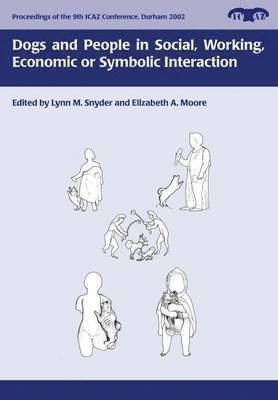
This, the final title to be published from the sessions of the 2002 ICAZ conference, focuses on the role of man's best friend. As worker or companion, the dog has enjoyed a unique relationship with its human master, and the depth and variety of the papers in this fascinating collection is a testament to the interest that this symbiotic arrangement holds for many scholars working in archaeology today. The book covers an eclectic range of subjects, such as considering dogs as animals of sacrifice and animal components of ancient and modern religious ritual and practice; dogs as human companions subject to loving care, visual/symbolic representation, deliberate or accidental breed manipulation; as working dogs; and finally as co-inhabitors of uman dwelling paces and co-consumers of human food resources. While many of the papers in this volume have a predominant focus, they also demonstate that the relationships between humans and dogs are rarely, if ever singular or simple. Instead these relationships are complex, often combining the practical, the ideological and the symbolic.
Häftad, Engelska, 2016
629 kr
Skickas inom 3-6 vardagar
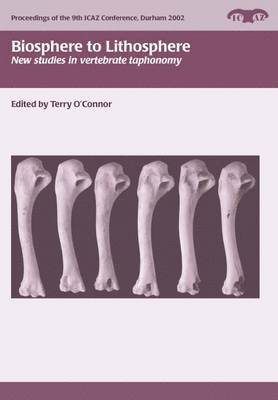
Taphonomic studies are a major methodological advance, the effects of which have been felt throughout archaeology. Zooarchaeologists and archaeobotanists were the first to realise how vital it was to study the entire process of how food enters the archaeological record, and taphonomy brought to a close the era when the study of animal bones and plant remains from archaeological sites were regarded mainly as environmental indicators.This volume is indicative of recent developments in taphonomic studies: hugely diverse research areas are being explored, many of which would have been totally unforeseeable only a quarter of a century ago.
Häftad, Engelska, 2016
223 kr
Skickas
More than quarter of a century ago Richard Bradley published The Passage of Arms. It was conceived as An Archaeological Analysis of Prehistoric Hoards and Votive Deposits, but, as the author concedes, these terms were too narrowly focused for the complex subject of deliberate deposition and the period covered too short. A Geography of Offerings has been written to provoke a reaction from archaeologists and has two main aims. The first is to move this kind of archaeology away from the minute study of ancient objects to a more ambitious analysis of ancient places and landscapes. The second is to recognise that problems of interpretation are not restricted to the pre-Roman period. Mesolithic finds have a place in this discussion, and so do those of the 1st millennium AD. Archaeologists studying individual periods confront with similar problems and the same debates are repeated within separate groups of scholars – but they arrive at different conclusions. Here, the author presents a review that brings these discussions together and extends across the entire sequence. Rather than offer a comprehensive survey, this is an extended essay about the strengths and weaknesses of current thinking regarding specialised deposits, which encompass both sacrificial deposits characterised by large quantities of animal and human bones and other collections which are dominated by finds of stone or metal artefacts. It considers current approaches and theory, the histories of individual artefacts and the landscape and physical context of the of places where they were deposited, the character of materials, the importance of animism and the character of ancient cosmologies.
Häftad, Engelska, 2024
468 kr
Skickas inom 3-6 vardagar
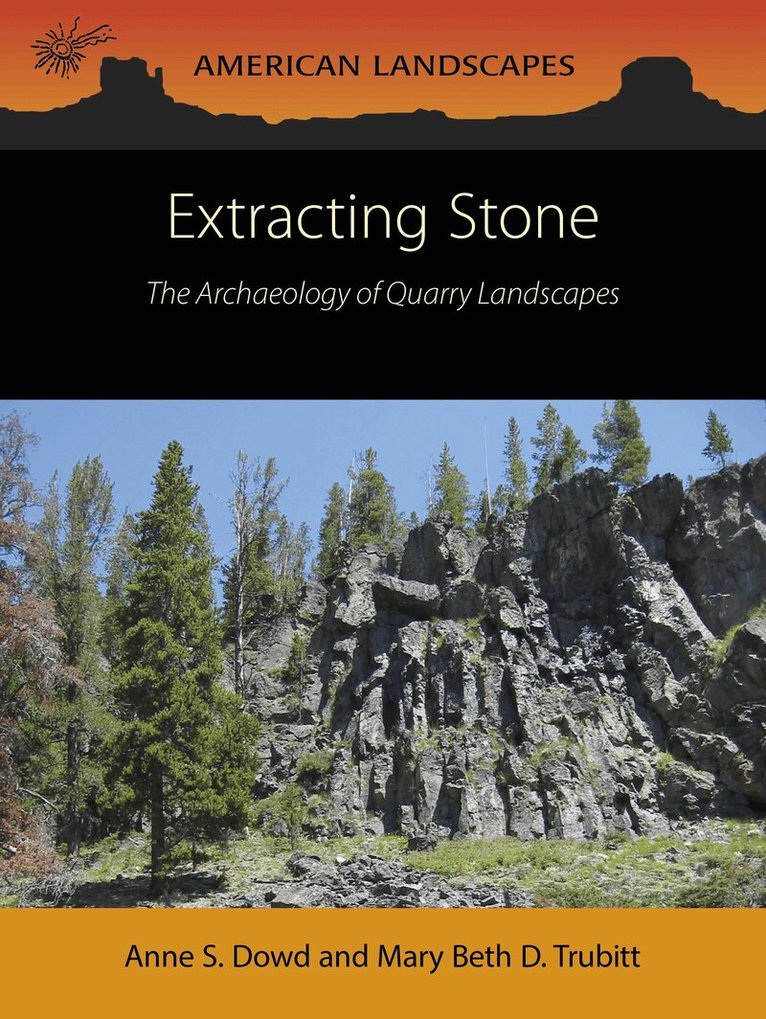
_Extracting Stone_ considers where chert or obsidian were mined and how North American stone quarry landscapes have been identified and studied from the time of pioneer William Henry Holmes (1846–1933) onward. Three especially significant extraction areas are examined in detail: Flint Mine Hill, New York, along the Hudson River; “Spanish Diggings”, Arkansas, in the Ouachita Mountains; and Obsidian Cliff, Wyoming, in the headwaters of the Yellowstone River. The authors compare and contrast extraction scales with artifact distribution or use areas established through precise material characterization techniques to discuss trade and exchange, the emergence of inequalities, resource restriction orcontrol, and the technological systems of which these land- or quarry-scapes formed a part.The chronological periods covered by quarrying activities show that most intensive use took place in the Archaic and Woodland periods, roughly 4000–1000 years ago when denser populations existed, but use began as early as the Paleoindian Period, about 13,000–9000 years ago and, in some cases, continues into the modern day. Recent research into early human population of the continent at sites such as White Sands in Nevada, where human footprints are found in association with those of extinct fauna, may push back these dates another 10,000 years, to 23,000 years ago.Archaeologists are now employing a landscape approach to quarry systems, using new technologies such as Geographic Information System (GIS) computer mapping and Light and RADAR (LiDAR) aerial imaging. The authors demonstrate how sites functioned in a broad synchronic landscape context, which site locations or raw material types were preferred and why, what cultures were responsible for innovative or intensive quarry resource extraction, and how this land use changed over time.An Appendix lists quarry sites that the general public can view.
Inbunden, Engelska, 2017
951 kr
Skickas
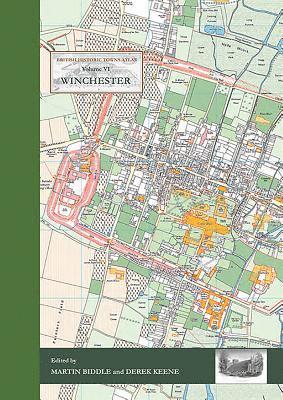
The volume is co-published by the Winchester Excavations Committee and forms Volume 11 of the Winchester Studies series. Following the success of volumes IV (Windsor and Eton) and V (York) in the series of Historic Towns Atlases, the new volume maps and explains the history of Winchester – a city which has played such an important part in English history from Roman times onwards. Combining many full-colour maps with an authoritative but very readable text, the atlas shows how the Roman city of Venta Belgarum became the second-most important city in England for several centuries: a walled town, the seat of kings and an ecclesiastical centre almost unparalleled in the country, before gently declining into a judicial centre and county town. The Atlas is centred on a detailed map of the city at the scale of 1:2500, showing Winchester's historic buildings and structures on a map of the city as it was in 1800. A series of maps show how Winchester was at key points in its history, charting its development and changing shape. The Atlas includes an early OS map, modern maps and historic aerial photographs, as well as colour illustrations, many of which have never been published before. The introduction offers a full history of how and why Winchester developed from prehistoric times onwards, in a series of chapters written by historians but aimed at the general reader. It also includes a comprehensive reference gazetteer listing every place shown on the maps, with a map location, a brief history, and further reading for those interested in finding out more. Like its companion volumes, the maps, text, gazetteer and illustrations are presented in an A3 stiff card binder, and the format allows for maps of different date to be compared side-by-side.
Häftad, Engelska, 2017
488 kr
Skickas
Uroš Matić and Bo Jensen have brought together a team of both young and senior researches from many different countries in this first volume that aims to explore the complex intersection between archaeology, gender and violence. Papers range from theoretical discussions on previous approaches to gender and violence and the ethical necessity to address these questions today, to case studies dealing on gender and violence from prehistoric to early medieval Europe, but also including studies on ancient Egypt, Persia and Peru. The contributors deal both with representations of violence and its gendered background in images and text, and with bioarchaeological evidence for violence and trauma with a gendered background. The volume is rich both in examples and approaches and includes opening and closing chapters by senior scholars in the field assessing the current state of work and addressing the scholarship to continue on the line of this volume.
Inbunden, Engelska, 2017
649 kr
Skickas
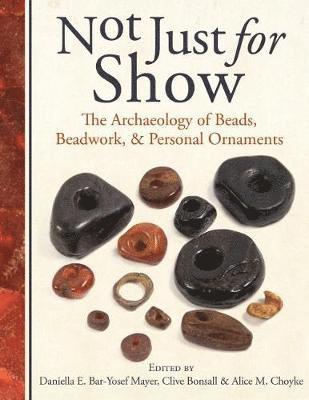
Beads, beadwork, and personal ornaments are made of diverse materials such as shell, bone, stones, minerals, and composite materials. Their exploration from geographical and chronological settings around the world offers a glimpse at some of the cutting edge research within the fast growing field of personal ornaments in humanities’ past. Recent studies are based on a variety of analytical procedures that highlight humankind’s technological advances, exchange networks, mortuary practices, and symbol-laden beliefs. Papers discuss the social narratives behind bead and beadwork manufacture, use and disposal; the way beads work visually, audibly and even tactilely to cue wearers and audience to their social message(s). Understanding the entangled social and technical aspects of beads require a broad spectrum of technical and methodological approaches including the identification of the sources for the raw material of beads. These scientific approaches are also combined in some instances with experimentation to clarify the manner in which beads were produced and used in past societies.
Inbunden, Engelska, 2022
816 kr
Skickas
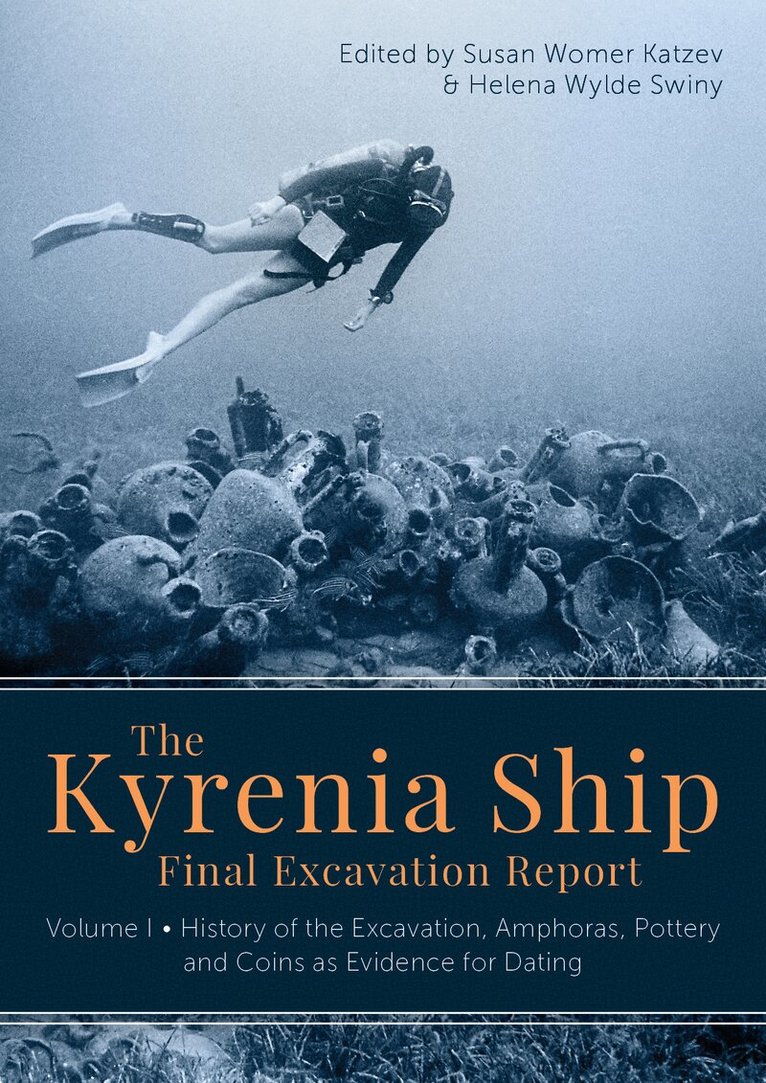
The Kyrenia Ship, a Greek merchantman built around 315 BC, which sank off the north coast of Cyprus was excavated between 1968 and 1972 under the direction of Michael L. Katzev of the University of Pennsylvania and Oberlin College. The importance of this ship lies in the exceptionally well-preserved hull that provided new insights into ancient shipbuilding, as well as the cargo it carried. The hold was stacked with transport amphoras of various types made on Rhodes, with a few examples from Samos, Kos, Knidos and Cyprus (?), supplemented by a consignment of millstones, iron billets and almonds. The cabin pottery from Rhodes also suggests this was the vessel’s home port, a conclusion supported by most of the scientific ceramic analyses. Its trade route included Rhodes, Cyprus and the Levant with perhaps Egypt as a final destination. This volume provides a detailed history of the excavation followed by definitive studies of the amphora cargo and the pottery associated with shipboard life. Some of the amphora stamps suggest that the ship sank between 294 and 291 BC, dates corroborated by the cabin wares. The repetition of four drinking cups (kantharoi), oil containers (gutti), wine measures (olpai), as well as bowls and saucers, suggests that the ship was sailed by a crew of four. Seven bronze coins were recovered, five minted in the name of Alexander the Great and one well-known type of Ptolemy I produced only on Cyprus.
Häftad, Engelska, 2020
341 kr
Skickas
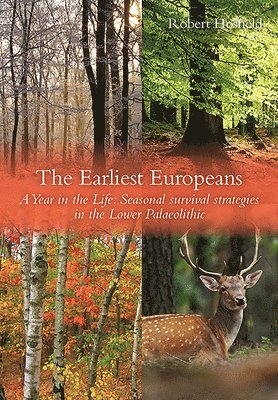
The Earliest Europeans explores a fundamental question: how did Europe’s first hominin occupants cope with the year-round practical challenges of life. To do so, the book adopts a ‘year in the life’ perspective that draws on the increasingly rich and robust archaeological and Quaternary Science records for the European Lower Palaeolithic, combined with insights from modern ethnography and zoological studies. By exploring potential survival strategies and behaviours, Hosfield offers new insights into the character of Europe’s earliest occupations across more than 1 million years, and ultimately asks: what sorts of ‘humans’ were these hominins? The innovative season-by-season structure of the book explores cyclical fluctuations in resources and weather conditions. From the depths of cold winters to the bountiful foods of late summer, it considers the implications of these variations for hominin behaviours. Hosfield draws on a range of supporting examples and evidence from Lower Palaeolithic sites across Europe, spanning technology, palaeoenvironmental reconstructions, hominin life history, and plant and animal food resources. In doing so, The Earliest Europeans highlights both the current and future potential of Europe’s earliest archaeological record.
Häftad, Engelska, 2017
138 kr
Skickas
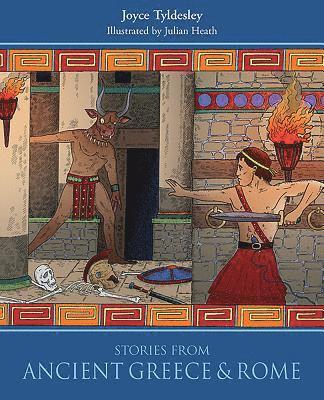
In a companion book to the best-selling Stories from Ancient Egypt, Joyce Tyldesley re-tells some of the most interesting and entertaining myths and legends from the Classical world. These stories tell us how the spider spun the first web, how a simple ball of string defeated the fearsome minotaur, and how Romulus founded the mighty city of Rome. The “this book belongs to” introduction teaches the reader how to write their name using ancient Greek letters, and their age using Roman numerals. Each of the stories includes a question and answer section for enthusiastic young archaeologists. The book is illustrated with imaginative and amusing line-drawings by acclaimed artist and archaeologist Julian Heath. Stories from Ancient Greece and Rome is primarily aimed at children between the ages of 7-11, but it offers an entertaining and informative introduction to the myths of ancient Greece and Rome to readers of all ages.
Inbunden, Engelska, 2025
749 kr
Skickas
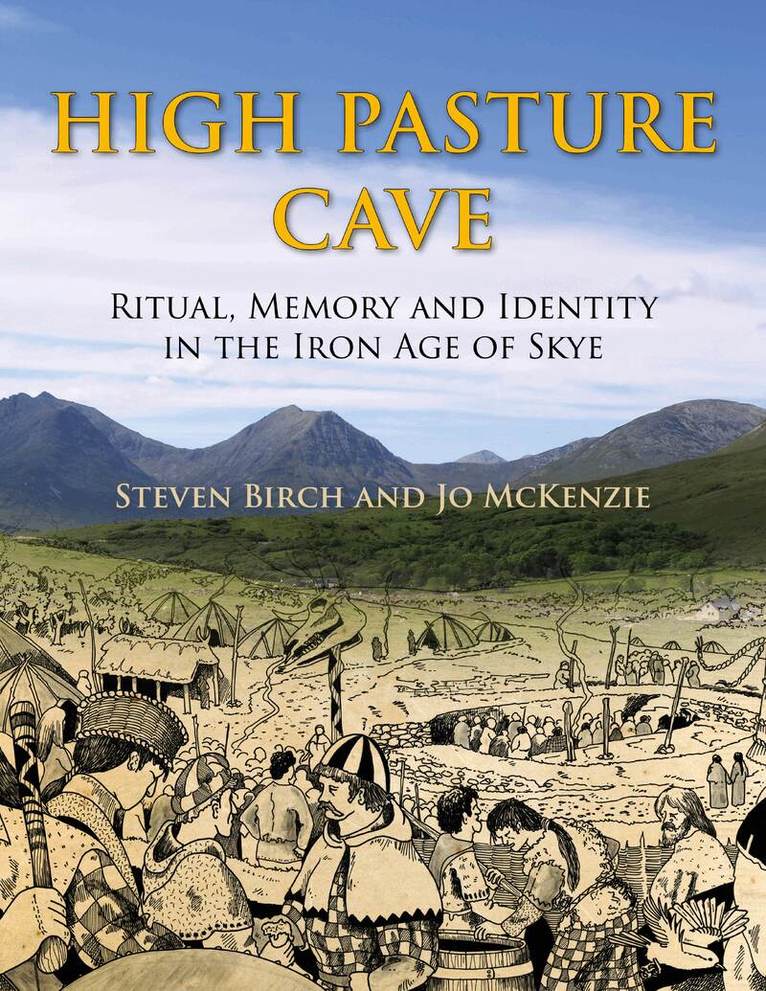
From the first steps taken into the darkness of High Pasture Cave, it was clear that this complex site would challenge current thinking on cave use and function in prehistory, and wider understanding of Iron Age cultural practice and beliefs. Situated in a dramatic location under the slopes of the Cuillin Mountains on Scotland’s Isle of Skye, this cave and its monumentalised environs were a focus for specific and special activities throughout the Iron Age – a venue for spectacular and extensive ceremonies featuring feasts, fire, crafts and the symbolic deposition of a plethora of artefacts and environmental materials, as well as human remains. This volume sets out the results of fieldwork carried out at High Pastures between 2004 and 2010, presents results from the extensive post-excavation analysis, and provides a biography of the High Pasture Cave complex from the early Bronze Age through 900 years of Iron Age activity.Recent research has led to a resurgence of interest in caves, in particular the place of these enigmatic sites in the worldviews of later prehistoric communities. Their investigation in the past has generally attributed a domestic function, comprising temporary homes and shelter for hunter-gatherers, farmers and pastoralists, and as workshops and places of refuge. However, it is now proposed that many caves, including High Pasture, were used for rituals involving the preparation and display of human remains, the deposition of material culture and other types of organic materials. These were clearly performative acts and the recurrent use of caves as the arenas for such performances, tells us much about their role in the cosmology of later prehistoric communities.
Häftad, Engelska, 2019
520 kr
Skickas
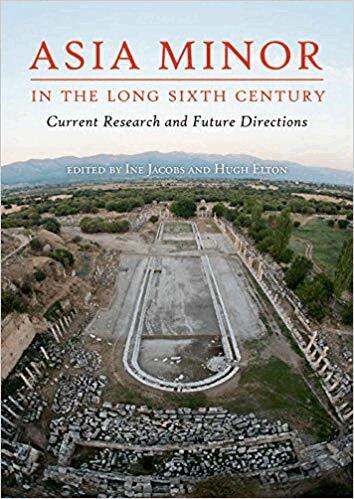
Asia Minor is considered to have been a fairly prosperous region in Late Antiquity. It was rarely disturbed by external invasions and remained largely untouched by the continuous Roman-Persian conflict until very late in the period, was apparently well connected to the flourishing Mediterranean economy and, as the region closest to Constantinople, is assumed to have played an important part in the provisioning of the imperial capital and the imperial armies. When exactly this prosperity came to an end – the late sixth century, the early, middle or even later seventh century – remains a matter of debate. Likewise, the impact of factors such as the dust veil event of 536, the impact of the bubonic plague that made its first appearance in AD 541/542, the costs and consequences of Justinian’s wars, the Persian attacks of the early seventh century and, eventually the Arab incursions of around the middle of the seventh century, remains controversial. This volume explores a series of themes including the physical development of large and small settlements, their financial situation, and the proportion of public and private investment. Imperial, provincial, and local initiatives in city and countryside are compared and the main motivations examined, including civic or personal pride, military incentives and religious stimuli. The evidence presented will be used to form opinions on the impact of the plague on living circumstances in the sixth century and to evaluate the significance of the Justinianic period.
Häftad, Engelska, 2018
588 kr
Skickas inom 3-6 vardagar
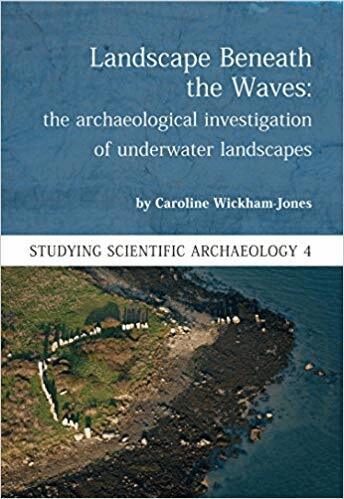
At the end of the last Ice Age, sea level around the world was lower, coastal lands stretched further and the continents were bigger, in some cases landmasses were joined by dry land that has now disappeared beneath the waves. The study of the now submerged landscapes that our ancestors knew represents one of the last barriers for archaeology. Only recently have advances in underwater technology reached the stage where a wealth of procedures is available to explore this lost undersea world. This volume considers the processes behind the rising (and falling) of relative sea-levels and then presents the main techniques available for the study and interpretation of the archaeological remains that have survived inundation.Case studies are used to illustrate particular applications. Finally, a review of projects around the world highlights the varying scale and period of sites concerned. Submerged archaeological sites often include the preservation of fragile materials such as decorated timbers, that shed rare detail on the communities of prehistory; in other cases the features of the landscape context into which they are set can be extraordinarily well-preserved. This is not a book about shipwrecks but about landscapes now lost beneath the waves. It is written for all archaeologists, whether they work on land or at sea, and for all who are interested in the past; it illustrates the shape of the world as it once was and explains why we need to understand it. It offers an easily accessible introduction to the exciting realm of underwater archaeology.
Letar du efter digitala böcker?
E-böcker och ljudböcker handlar du än så länge på vår tidigare sajt.