
Visar resultat för..."Mit"
Sökningen "Mit AbbUKtn-Skizz" gav inga träffar.82 930 produkter
82 930 produkter
Häftad, Engelska, 2025
244 kr
Skickas inom 3-6 vardagar
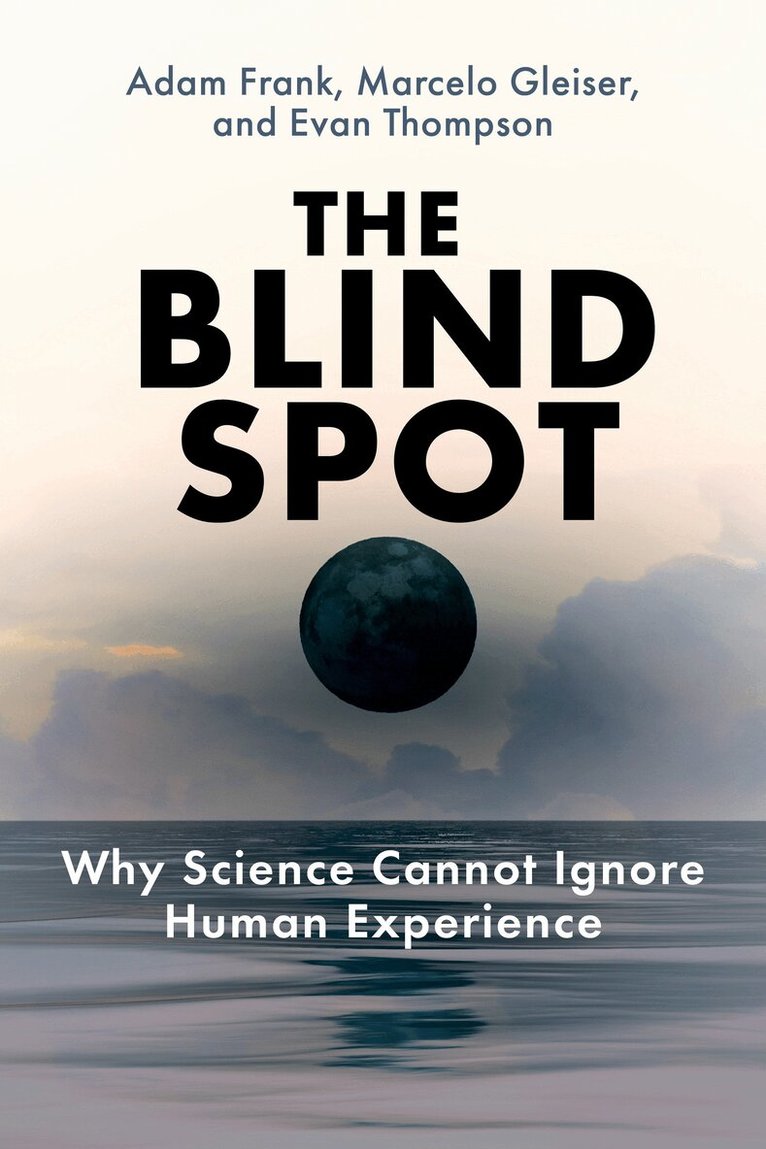
A compelling argument for including the human perspective within science, and for how human experience makes science possible. 'This is by far the best book I've read this year.' Michael Pollan, Professor of the Practice of Non-fiction, Harvard University; #1 New York Times bestselling author. It s tempting to think that science gives us a God s-eye view of reality. But we neglect the place of human experience at our peril. In The Blind Spot, astrophysicist Adam Frank, theoretical physicist Marcelo Gleiser, and philosopher Evan Thompson call for a revolutionary scientific worldview, where science includes rather than ignores or tries not to see humanity s lived experience as an inescapable part of our search for objective truth. The authors present science not as discovering an absolute reality but rather as a highly refined, constantly evolving form of human experience. They urge practitioners to reframe how science works for the sake of our future in the face of the planetary climate crisis and increasing science denialism. Since the dawn of the Enlightenment, humanity has looked to science to tell us who we are, where we come from, and where we re going, but we ve gotten stuck thinking we can know the universe from outside our position in it. When we try to understand reality only through external physical things imagined from this outside position, we lose sight of the necessity of experience. This is the Blind Spot, which the authors show lies behind our scientific conundrums about time and the origin of the universe, quantum physics, life, AI and the mind, consciousness, and Earth as a planetary system. The authors propose an alternative vision: scientific knowledge is a self-correcting narrative made from the world and our experience of it evolving together. To finally 'see' the Blind Spot is to awaken from a delusion of absolute knowledge and to see how reality and experience intertwine. The Blind Spot goes where no science book goes, urging us to create a new scientific culture that views ourselves both as an expression of nature and as a source of nature s self-understanding, so that humanity can flourish in the new millennium.
Häftad, Engelska, 2020
239 kr
Skickas inom 7-10 vardagar
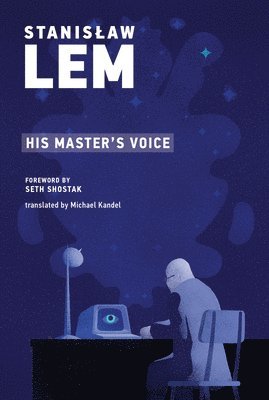
Scientists attempt to decode what may be a message from intelligent beings in outer space.By pure chance, scientists detect a signal from space that may be communication from rational beings. How can people of Earth understand this message, knowing nothing about the senders—even whether or not they exist? Written as the memoir of a mathematician who participates in the government project (code name: His Master's Voice) attempting to decode what seems to be a message from outer space, this classic novel shows scientists grappling with fundamental questions about the nature of reality, the confines of knowledge, the limitations of the human mind, and the ethics of military-sponsored scientific research.
Häftad, Engelska, 1989
791 kr
Skickas inom 5-8 vardagar
Häftad, Engelska, 2025
339 kr
Skickas
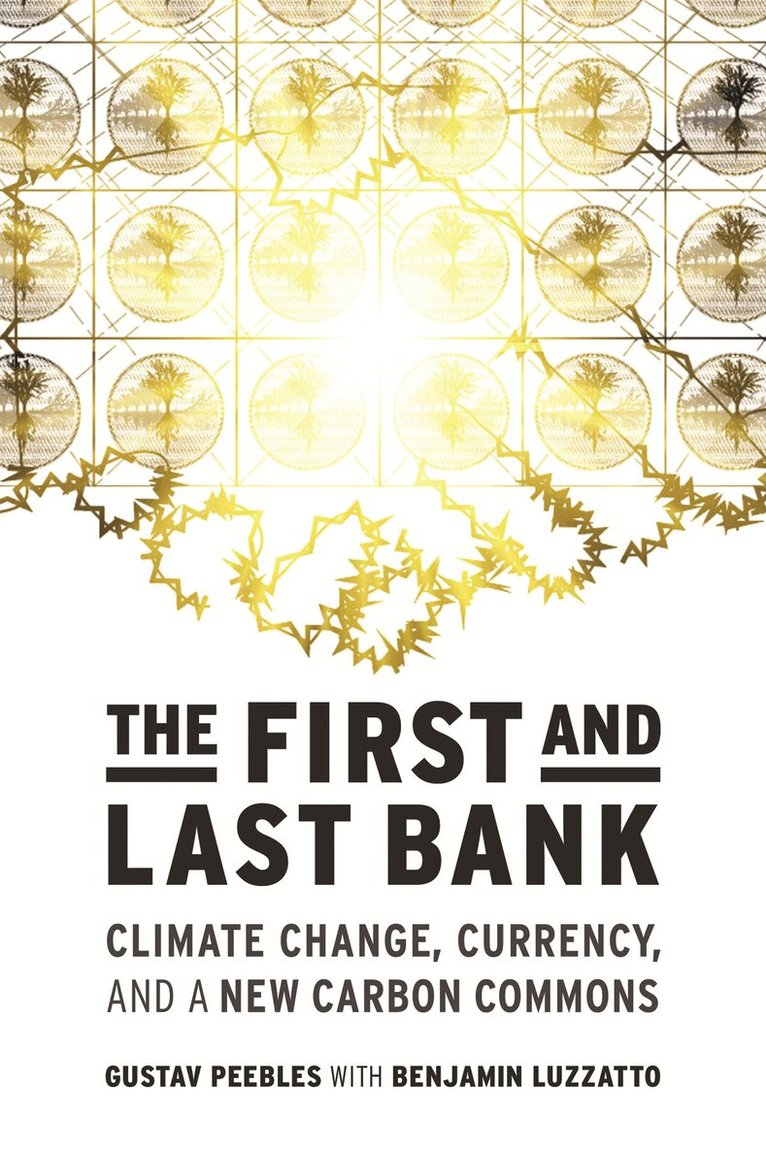
A groundbreaking approach to currency and community that may allow us to seize carbon from the atmosphere and offer a new tool in the fight against climate change. Through the ages, currencies have been based on all manner of objects from tobacco leaves to salt to gold to collateralized debt obligations. The only thing that this odd assortment of objects shares is the communal belief that these objects could harness and direct economic growth that they were, in a sense, fertile. In The First and Last Bank, Gustav Peebles and Ben Luzzato propose that atmospheric carbon could be seen anew as fertile in this same sense. In other words, carbon, rather than loom as waste in our skies, could instead be 'drawn down' to the earth by millions of currency users and the communally owned banks they rely on, where it could serve as a foundation of new biological life. Seeing currency as a powerful tool for collective action, the authors argue that dovetailing developments in digital currencies and the biosequestration of carbon have, together, made a new and radical intervention in the climate battle possible: a nonproprietary currency backed by sequestered carbon. This new currency would be managed via Wikipedia-style open-source policies that privilege sustainability and equity over endless growth and pollution. Because it is backed by sequestered carbon, the use of the currency would draw gaseous carbon out of the atmosphere and push it back into the ground, following the exact same trajectory as gold during the era of the international gold standard. While it is no silver bullet, such a currency would act as a necessary complement to wide-scale mitigation efforts, at the same time engaging ordinary citizens in the fight to reduce the dangerous levels of carbon in our atmosphere.

Häftad, Engelska, 2017
150 kr
An argument that love requires the courage to accept self-negation for the sake of discovering the Other.Byung-Chul Han is one of the most widely read philosophers in Europe today, a member of the new generation of German thinkers that includes Markus Gabriel and Armen Avanessian. In The Agony of Eros, a bestseller in Germany, Han considers the threat to love and desire in today's society. For Han, love requires the courage to accept self-negation for the sake of discovering the Other. In a world of fetishized individualism and technologically mediated social interaction, it is the Other that is eradicated, not the self. In today's increasingly narcissistic society, we have come to look for love and desire within the “inferno of the same.” Han offers a survey of the threats to Eros, drawing on a wide range of sources—Lars von Trier's film Melancholia, Wagner's Tristan und Isolde,Fifty Shades of Grey, Michel Foucault (providing a scathing critique of Foucault's valorization of power), Martin Buber, Hegel, Baudrillard, Flaubert, Barthes, Plato, and others. Han considers the “pornographication” of society, and shows how pornography profanes eros; addresses capitalism's leveling of essential differences; and discusses the politics of eros in today's “burnout society.” To be dead to love, Han argues, is to be dead to thought itself. Concise in its expression but unsparing in its insight, The Agony of Eros is an important and provocative entry in Han's ongoing analysis of contemporary society.This remarkable essay, an intellectual experience of the first order, affords one of the best ways to gain full awareness of and join in one of the most pressing struggles of the day: the defense, that is to say—as Rimbaud desired it—the “reinvention” of love.—from the foreword by Alain Badiou
Häftad, Engelska, 2020
181 kr
Skickas inom 3-6 vardagar
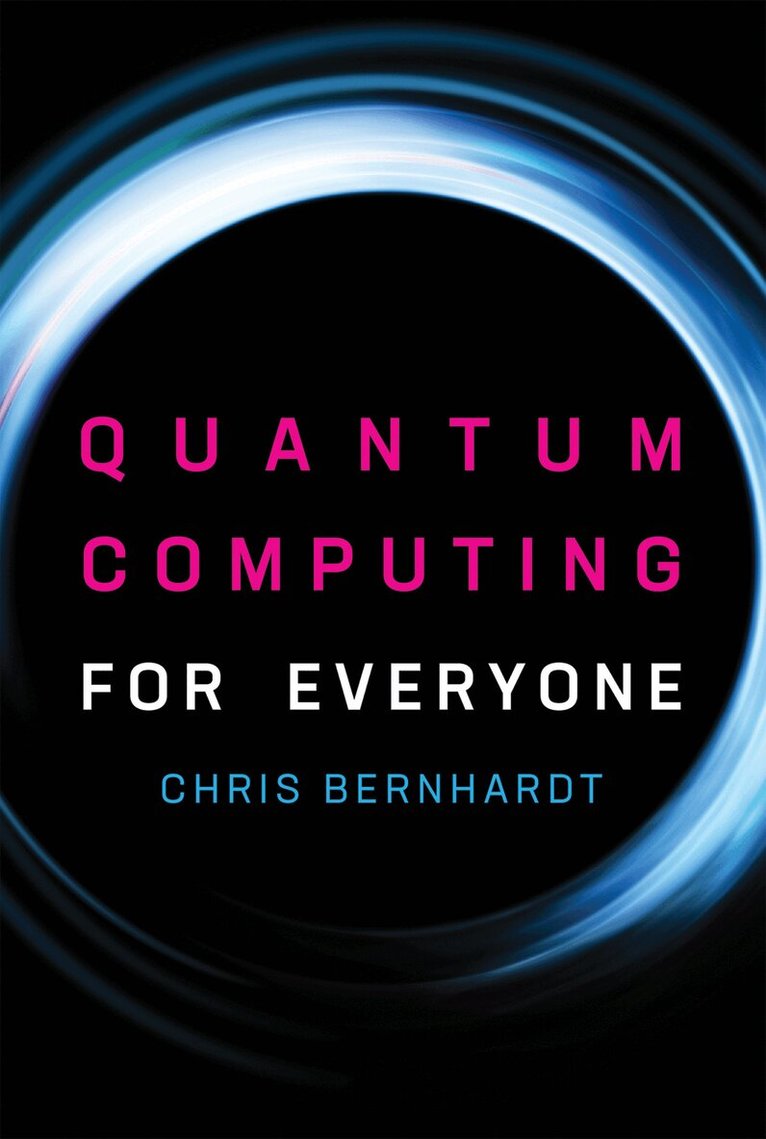
FOR NON-EXPERTS: Get an accessible introduction to quantum computing as a mathematician explains quantum algorithms, quantum entanglement, and more. Quantum computing is a beautiful fusion of quantum physics and computer science! Quantum computing incorporates some of the most stunning ideas from 20th-century physics into an entirely new way of thinking about computation. Here, Chris Bernhardt offers an introduction to quantum computing that is accessible to anyone comfortable with high school mathematics. A mathematician himself, Bernhardt simplifies the mathematics and provides elementary examples that illustrate both how the math works and what it means. He explains for the non-expert: • Quantum bits, or qubits—the basic unit of quantum computing• Quantum entanglement and what it means when qubits are entangled• Quantum cryptography• Classical computing topics like bits, gates, and logic• Quantum gates• Quantum algorithms and their speed• Quantum computers and how they’re built• And more! By the end of the book, readers understand that quantum computing and classical computing are not two distinct disciplines, and that quantum computing is the fundamental form of computing.
Häftad, Engelska, 2023
209 kr
Skickas
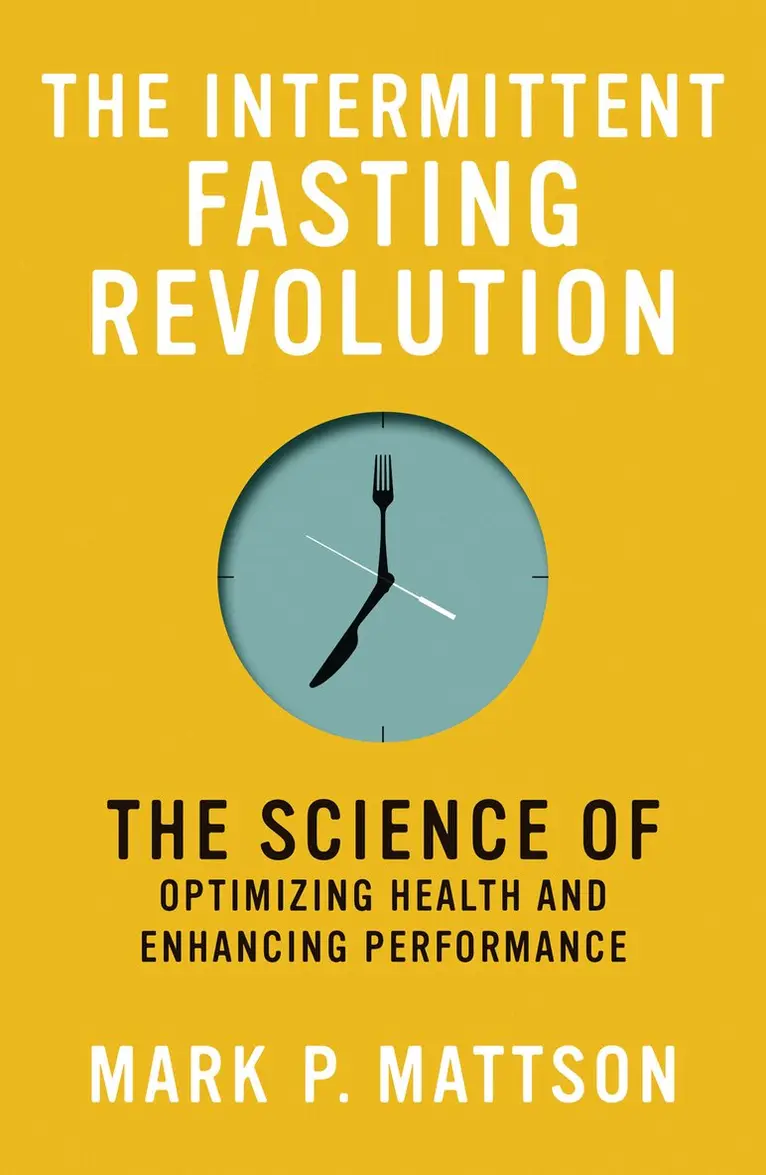
NOT JUST FOR WEIGHT LOSS: A neuroscientist explores the science and history of intermittent fasting, revealing the wide-ranging mental and physical benefits of this time-tested eating pattern.Most of us eat 3 meals a day with a smattering of snacks because we think that’s the normal, healthy way to eat. But when we look at the eating patterns of our distant ancestors, we can see that an intermittent fasting eating pattern is normal—and eating 3 meals a day is not. In The Intermittent Fasting Revolution, prominent neuroscientist Mark Mattson shows that frequent periods of time with little or negligible amounts of food is not only normal but also good for us. He describes the specific ways intermittent fasting can: • Enhance our ability to cope with stress by making cells more resilient• Improve mental and physical performance• Slow aging and reduce the risk of diseases like obesity, Alzheimer’s, and diabetesMattson—whose pioneering research uncovered the ways that the brain responds to fasting and exercise—explains how thriving while fasting became an evolutionary adaptation; it’s not just the latest fad diet for weight loss. He also offers practical advice on adopting an intermittent fasting eating pattern as well as information for parents and physicians.
Häftad, Engelska, 2020
202 kr
Skickas
A space cruiser, in search of its sister ship, encounters beings descended from self-replicating machines.In the grand tradition of H. G. Wells and Jules Verne, Stanislaw Lem's The Invincible tells the story of a space cruiser sent to an obscure planet to determine the fate of a sister spaceship whose communication with Earth has abruptly ceased. Landing on the planet Regis III, navigator Rohan and his crew discover a form of life that has apparently evolved from autonomous, self-replicating machines—perhaps the survivors of a “robot war.” Rohan and his men are forced to confront the classic quandary: what course of action can humanity take once it has reached the limits of its knowledge? In The Invincible, Lem has his characters confront the inexplicable and the bizarre: the problem that lies just beyond analytical reach.
Häftad, Engelska, 2020
204 kr
Skickas
An accessible synthesis of ethical issues raised by artificial intelligence that moves beyond hype and nightmare scenarios to address concrete questions.Artificial intelligence powers Google's search engine, enables Facebook to target advertising, and allows Alexa and Siri to do their jobs. AI is also behind self-driving cars, predictive policing, and autonomous weapons that can kill without human intervention. These and other AI applications raise complex ethical issues that are the subject of ongoing debate. This volume in the MIT Press Essential Knowledge series offers an accessible synthesis of these issues. Written by a philosopher of technology, AI Ethics goes beyond the usual hype and nightmare scenarios to address concrete questions.Mark Coeckelbergh describes influential AI narratives, ranging from Frankenstein's monster to transhumanism and the technological singularity. He surveys relevant philosophical discussions: questions about the fundamental differences between humans and machines and debates over the moral status of AI. He explains the technology of AI, describing different approaches and focusing on machine learning and data science. He offers an overview of important ethical issues, including privacy concerns, responsibility and the delegation of decision making, transparency, and bias as it arises at all stages of data science processes. He also considers the future of work in an AI economy. Finally, he analyzes a range of policy proposals and discusses challenges for policymakers. He argues for ethical practices that embed values in design, translate democratic values into practices and include a vision of the good life and the good society.
Häftad, Engelska, 1988
826 kr
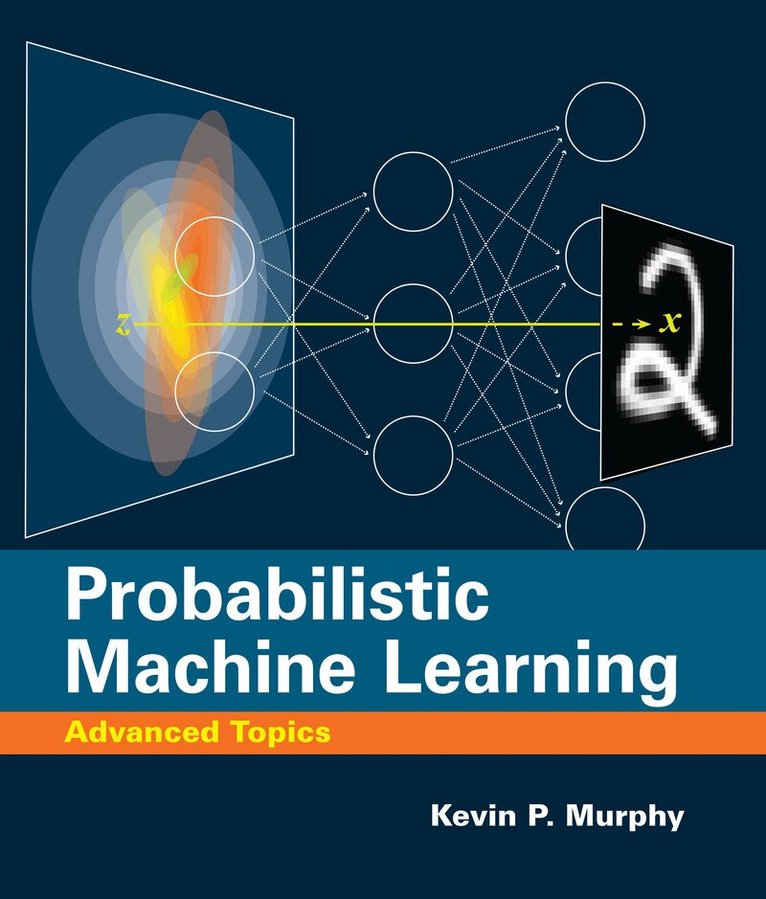
Inbunden, Engelska, 2023
1 674 kr
Skickas
Häftad, Engelska, 2009
379 kr
Skickas inom 5-8 vardagar
Häftad, Engelska, 2016
293 kr
Skickas inom 7-10 vardagar
An exploration of the scientific limits of knowledge that challenges our deep-seated beliefs about our universe, our rationality, and ourselves.Many books explain what is known about the universe. This book investigates what cannot be known. Rather than exploring the amazing facts that science, mathematics, and reason have revealed to us, this work studies what science, mathematics, and reason tell us cannot be revealed. In The Outer Limits of Reason, Noson Yanofsky considers what cannot be predicted, described, or known, and what will never be understood. He discusses the limitations of computers, physics, logic, and our own thought processes.Yanofsky describes simple tasks that would take computers trillions of centuries to complete and other problems that computers can never solve; perfectly formed English sentences that make no sense; different levels of infinity; the bizarre world of the quantum; the relevance of relativity theory; the causes of chaos theory; math problems that cannot be solved by normal means; and statements that are true but cannot be proven. He explains the limitations of our intuitions about the world—our ideas about space, time, and motion, and the complex relationship between the knower and the known.Moving from the concrete to the abstract, from problems of everyday language to straightforward philosophical questions to the formalities of physics and mathematics, Yanofsky demonstrates a myriad of unsolvable problems and paradoxes. Exploring the various limitations of our knowledge, he shows that many of these limitations have a similar pattern and that by investigating these patterns, we can better understand the structure and limitations of reason itself. Yanofsky even attempts to look beyond the borders of reason to see what, if anything, is out there.
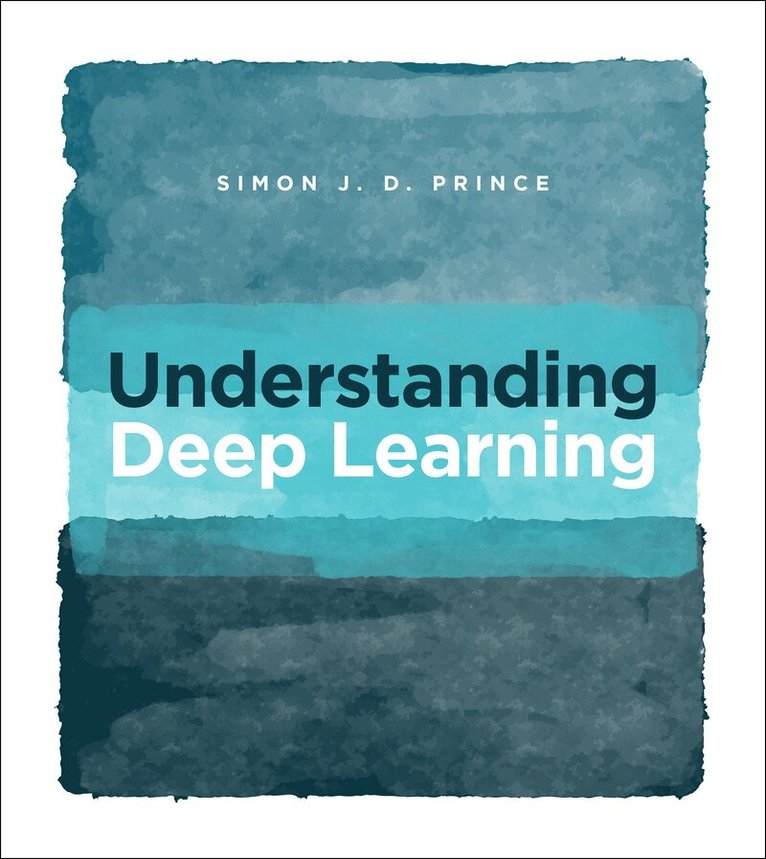
Inbunden, Engelska, 2023
1 184 kr
Skickas
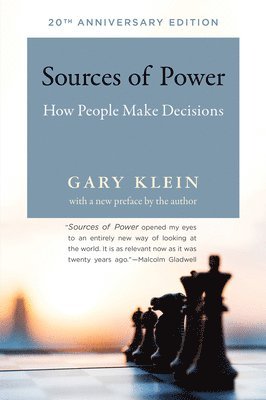
Häftad, Engelska, 2017
287 kr
Skickas
A modern classic about how people really make decisions: drawing on prior experience, using a combination of intuition and analysis.Since its publication twenty years ago, Sources of Power has been enormously influential. The book has sold more than 50,000 copies, has been translated into six languages, has been cited in professional journals that range from Journal of Marketing Research to Journal of Nursing, and is mentioned by Malcolm Gladwell in Blink. Author Gary Klein has collaborated with Nobel laureate Daniel Kahneman and served on a team that redesigned the White House Situation Room to support more effective decision making. The model of decision making Klein proposes in the book has been adopted in fields including law enforcement training and petrochemical plant operation. What is the groundbreaking new way to approach decision making described in this modern classic? We have all seen images of firefighters rescuing people from burning buildings and paramedics treating bombing victims. How do these individuals make the split-second decisions that save lives? Most studies of decision making, based on artificial tasks assigned in laboratory settings, view people as biased and unskilled. Klein proposes a naturalistic approach to decision making, which views people as gaining experience that enables them to use a combination of intuition and analysis to make decisions. To illustrate this approach, Klein tells stories of people—from pilots to chess masters—acting under such real-life constraints as time pressure, high stakes, personal responsibility, and shifting conditions.

266 kr
Skickas inom 3-6 vardagar
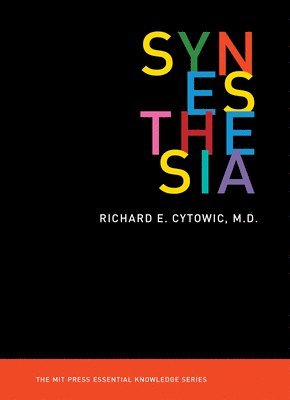
Häftad, Engelska, 2018
184 kr
Skickas
An accessible, concise primer on the neurological trait of synesthesia—vividly felt sensory couplings—by a founder of the field.One in twenty-three people carry the genes for the synesthesia. Not a disorder but a neurological trait—like perfect pitch—synesthesia creates vividly felt cross-sensory couplings. A synesthete might hear a voice and at the same time see it as a color or shape, taste its distinctive flavor, or feel it as a physical touch. In this volume in the MIT Press Essential Knowledge series, Richard Cytowic, the expert who returned synesthesia to mainstream science after decades of oblivion, offers a concise, accessible primer on this fascinating human experience.Cytowic explains that synesthesia's most frequent manifestation is seeing days of the week as colored, followed by sensing letters, numerals, and punctuation marks in different hues even when printed in black. Other manifestations include tasting food in shapes, seeing music in moving colors, and mapping numbers and other sequences spatially. One synesthete declares, "Chocolate smells pink and sparkly"; another invents a dish (chicken, vanilla ice cream, and orange juice concentrate) that tastes intensely blue. Cytowic, who in the 1980s revived scientific interest in synesthesia, sees it now understood as a spectrum, an umbrella term that covers five clusters of outwardly felt couplings that can occur via several pathways. Yet synesthetic or not, each brain uniquely filters what it perceives. Cytowic reminds us that each individual's perspective on the world is thoroughly subjective.
Häftad, Engelska, 2012
502 kr
Skickas inom 5-8 vardagar
Häftad, Engelska, 2000
446 kr
Skickas
Inbunden, Engelska, 2025
369 kr
Skickas
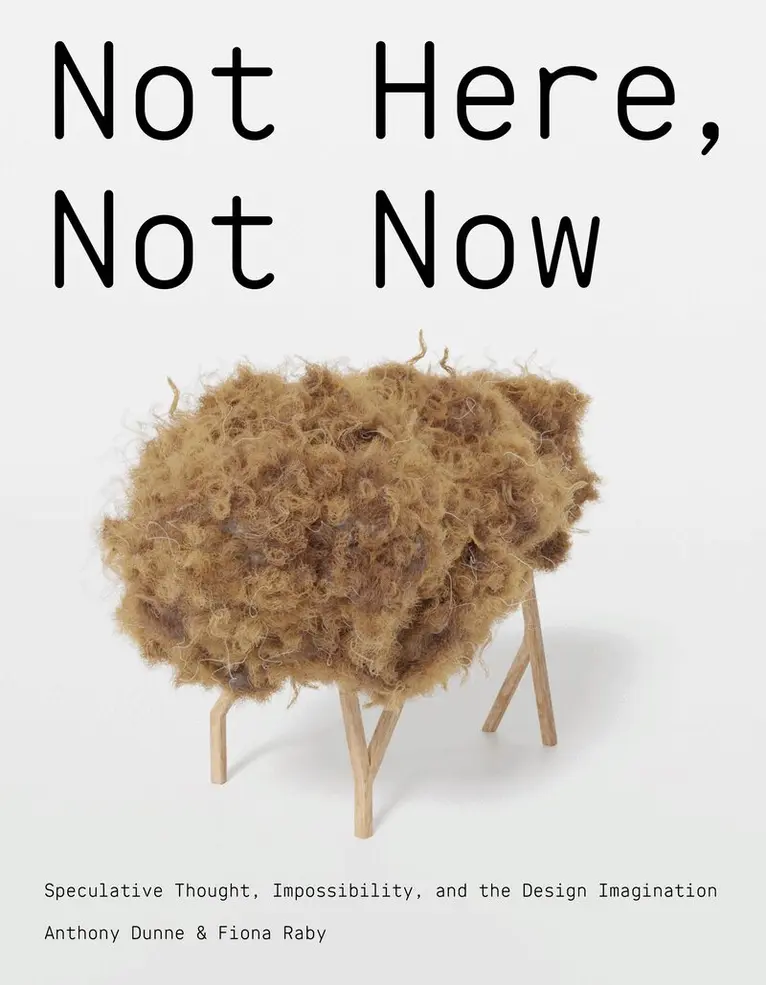
What it means to design at a time when, for many people, the future seems to have become an impossibility. When reality fails us, what can design do? Question design s relationship to reality, as Anthony Dunne and Fiona Raby do, in this exhilarating, yet thoughtful journey to the edges of science, philosophy, and literature to find new ways of thinking about the possible and about the meaning, function, and place of design in that speculative world of 'not here, not now.' A conceptual travelogue of sorts, Not Here, Not Now brings together words, images, and objects that capture, in design form, some of the ideas encountered along the way. Itself a design experiment, the book explores ways to bring these ideas into conversation with objects through imagined archives, libraries, glossaries, taxonomies, lists, tales, and essays. The design responses in Not Here, Not Now to a stone raft, e.g., or a vegetable lamb, swatches of imaginary colors, a pocket universe in the home, objects undergoing space-time collapse are, like the most compelling utopias, impossible by design, aiming instead to nourish the creative, intellectual, and imaginative ground from which new possibilities, still unknown, might begin to emerge.
Häftad, Engelska, 2024
279 kr
Skickas
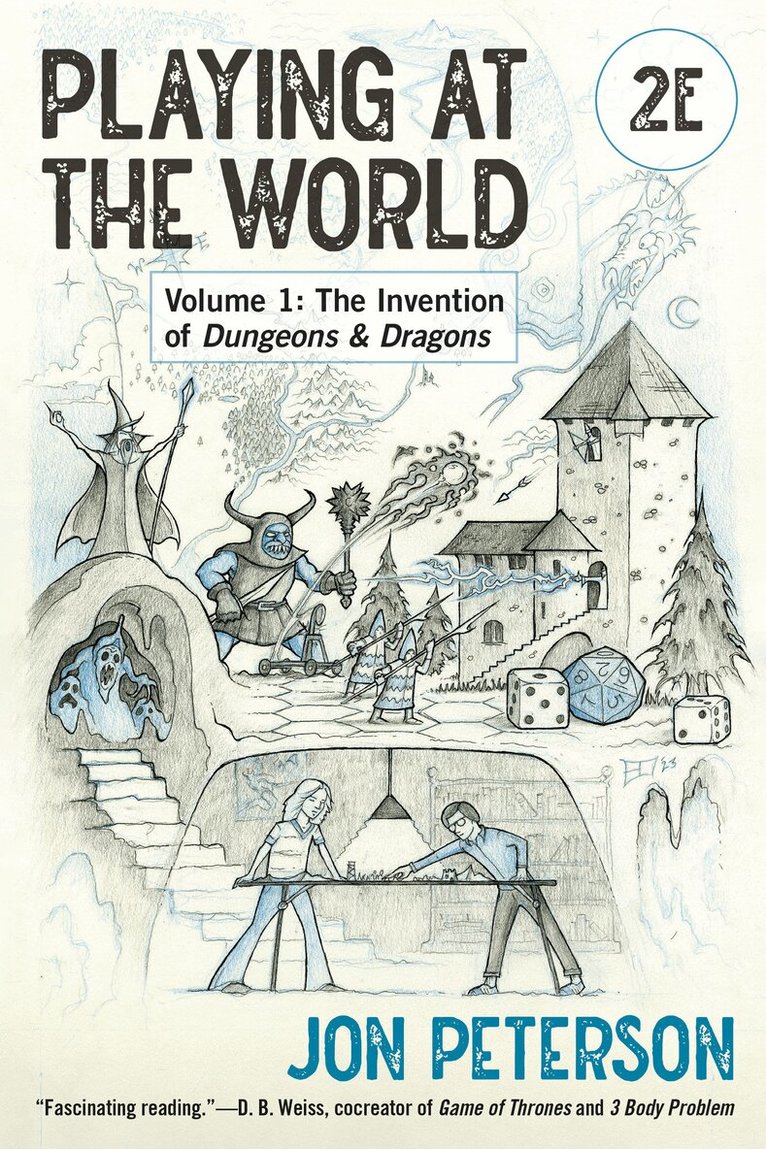
The first volume of two in a new, updated edition of the 2012 book Playing at the World, which charts the vast and complex history of role-playing games. This new edition of Playing at the World is the first of two volumes that update the 720-page original tome of the same name from 2012. This first volume is The Invention of Dungeons & Dragons, which explores the publication of that iconic game. (The second volume is The Three Pillars of Role-Playing Games, a deeper dive into the history of the setting, system, and character of D & D.) In this first volume, Jon Peterson distills the story of how the wargaming clubs and fanzines circulating around the upper Midwest in the 1970s culminated in Gary Gygax and Dave Arneson s seminal role-playing game, D & D. It augments the research of the original editions with new insights into the crucial period in 1972 3 when D & D began to take shape. Drawing from primary sources ranging from eighteenth-century strategists to modern hobbyists, Playing at the World explores the origins of wargames and roleplaying through the history of conflict simulations and the eccentric characters who drove the creation of a signature cultural innovation in the late twentieth century. Filled with unparalleled archival research (from obscure fanzines to letters, drafts, and other ephemera), this new edition of Playing at the World is the ultimate geek s guide to the original RPG. As such, it is an indispensable resource for academics and game fans exploring the origins of the hobby.
Häftad, Engelska, 1964
369 kr
Skickas
Häftad, Engelska, 2014
229 kr
Skickas
Inbunden, Engelska, 2025
253 kr
Skickas inom 3-6 vardagar
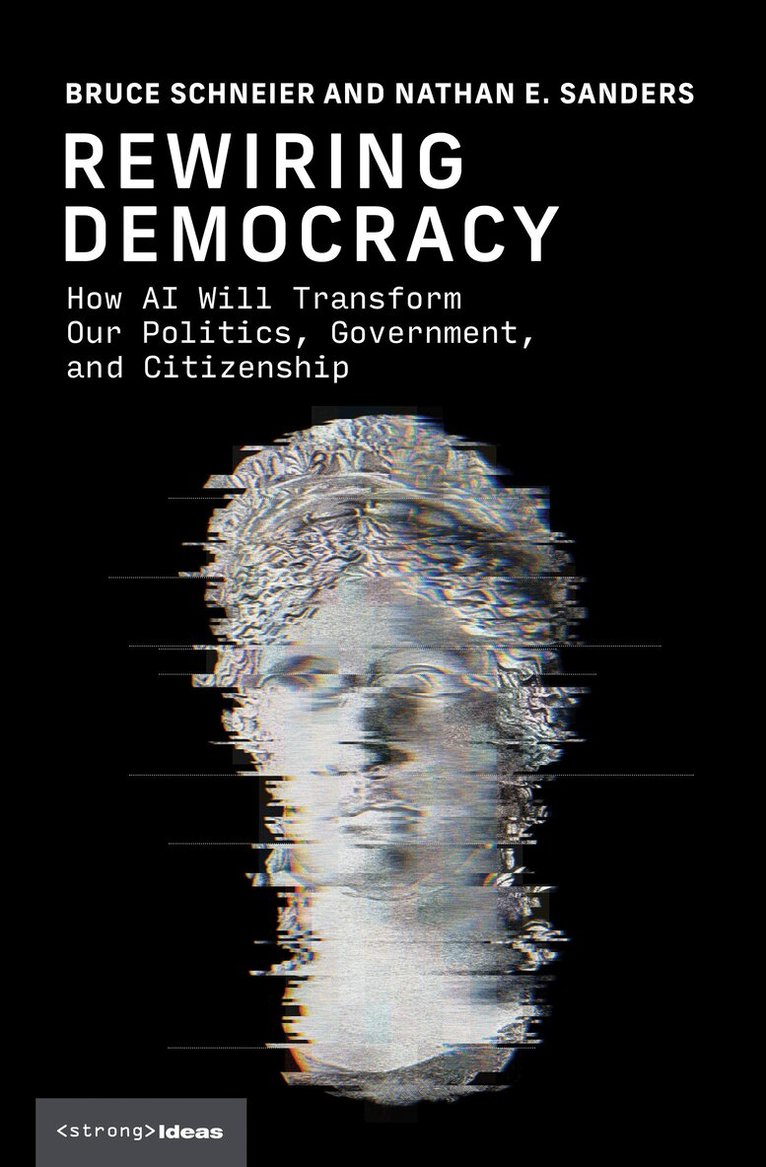
From the New York Times bestselling author of The Hacker's Mind and Data & Goliath, an informative and wide-ranging exploration of how AI will alter every facet of democracy, and how to harness the technology to distribute rather than concentrate power. AI will change democracy. The only question is how. AI s impact on democracy will go far beyond headline-grabbing political deepfakes and automated misinformation. Everywhere it will be used, it will create risks and opportunities to shake up long-standing power structures. In this highly readable and advisedly optimistic book, Rewiring Democracy, security technologist Bruce Schneier and data scientist Nathan Sanders cut through the AI hype and examine the myriad ways that AI could dramatically change every aspect of democracy for both good and ill. The authors describe how the sophistication of AI will fulfill demands from lawmakers for more complex legislation, reducing deference to the executive and altering the balance of power between legislators and administrators. They show how the scalability of AI is enabling civil servants to enforce regulations on corporations used to skirting the rules, which will reshape private-sector behavior. They also explain how both lawyers and judges will leverage the speed of AI, upending how we think about law enforcement, litigation, and dispute resolution. Whether these outcomes enhance or degrade democracy depends on how we shape the development and use of AI technologies. Powerful players in private industry and public life are already using AI to increase their influence, and AIs built by corporations to drive shareholder value aren t designed to deliver the fairness and trust necessary to enhance democratic governance. But, steered in the right direction, the broad scope of an AI-augmented democracy would help citizens build consensus, express their voice, and organize against anti-democratic policies. Democracy is facing new challenges worldwide, and AI will be a part of that. It can inform, empower, and engage citizens. It can also disinform, disempower, and disengage them. The choice is up to us. Schneier and Sanders blaze the path forward, showing us how we can use it to make an AI-infused democracy stronger and more participatory.

266 kr
Skickas inom 3-6 vardagar
Häftad, Engelska, 2025
464 kr
Skickas

Inbunden, Tyska, 2025
244 kr
Skickas inom 3-6 vardagar

Häftad, Tyska, 2023
167 kr
Skickas inom 3-6 vardagar
Häftad, Tyska, 2019
311 kr
Skickas inom 3-6 vardagar
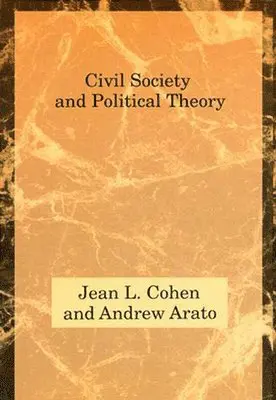
Häftad, Engelska, 1994
1 214 kr
Skickas inom 5-8 vardagar
Letar du efter digitala böcker?
E-böcker och ljudböcker handlar du än så länge på vår tidigare sajt.