
Christopher Budgen – författare
Visar alla böcker från författaren Christopher Budgen. Handla med fri frakt och snabb leverans.
4 produkter
4 produkter
- Nyhet
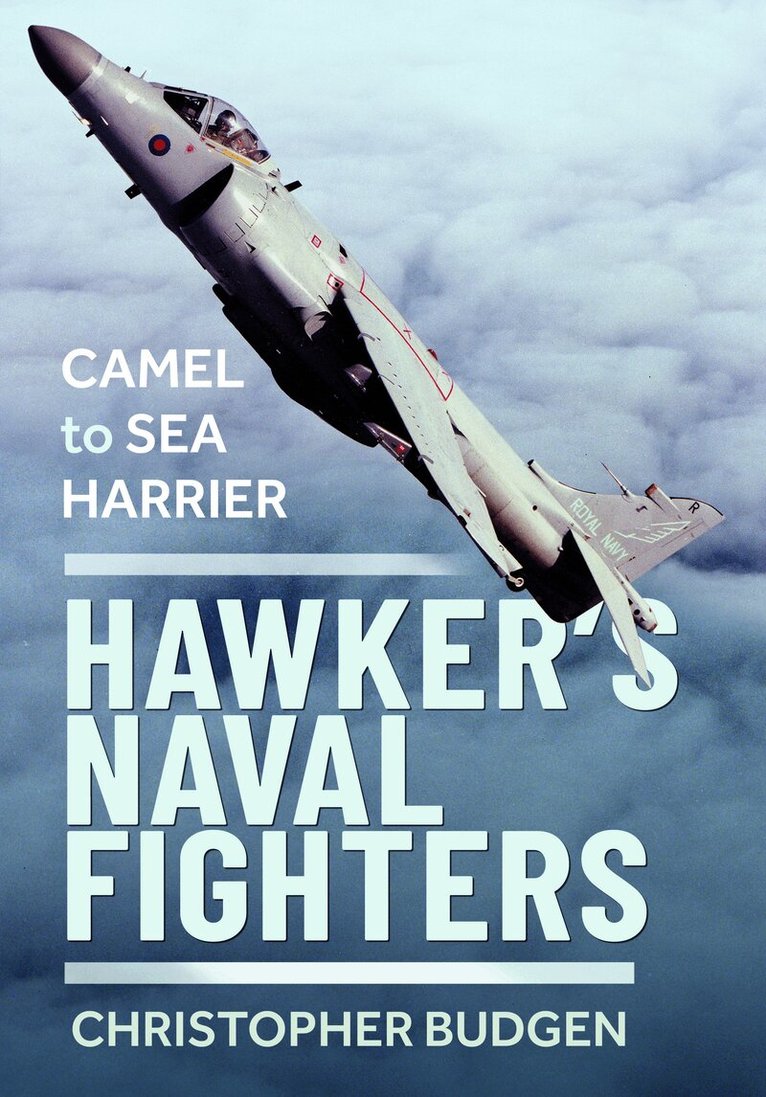
Inbunden, Engelska, 2026
304 kr
Skickas
In 1912, TOM Sopwith transitioned from running a flying school to manufacturing aircraft, leveraging his nautical interests to create designs purchased by Britain’s Royal Navy. The onset of the First World War solidified the Sopwith Aviation Company’s reputation with aircraft like the Sopwith Camel widely used onboard the ships of the day.After the war, cancellations of government orders forced Sopwith Aviation into liquidation, However, a new company, the HG Hawker Engineering Company, was quickly formed, having been named after Sopwith’s test pilot, Harry Hawker. Throughout the 1920s and 1930s, Hawker produced designs that continued to be purchased by the Royal Navy, being used on the early aircraft carriers as well as the larger vessels of the fleet.With the outbreak of the Second World War, the RN’s Fleet Air Arm found itself woefully unprepared for battle, having mainly biplanes and slow monoplanes with which to face the modern German fighters and bombers. As a temporary solution, Hawker adapted the Hurricane into the Sea Hurricane. Hawker later developed advanced piston-engine fighters like the Fury and its naval counterpart, the Sea Fury, which saw action during the Korean War and Suez Crisis in 1956. The Sea Fury was succeeded by Hawker’s first jet, the Sea Hawk, marking the Fleet Air Arm’s transition into the jet age. The Sea Hawk also served the Indian Navy during its conflicts with Pakistan.Hawker’s successful Hunter, although primarily for the RAF, was used by the Royal Navy for land-based operations. Meanwhile, Hawker’s next design, the ground breaking Harrier, was ordered as the Sea Harrier; it saw action during the Falklands War, and, in due course, in the conflict in the former Yugoslavia and in Iraq.From its earliest days then, the Hawker Aircraft Company has supplied winning designs to the Royal Navy and to many navies overseas, a feat that few other companies could match.
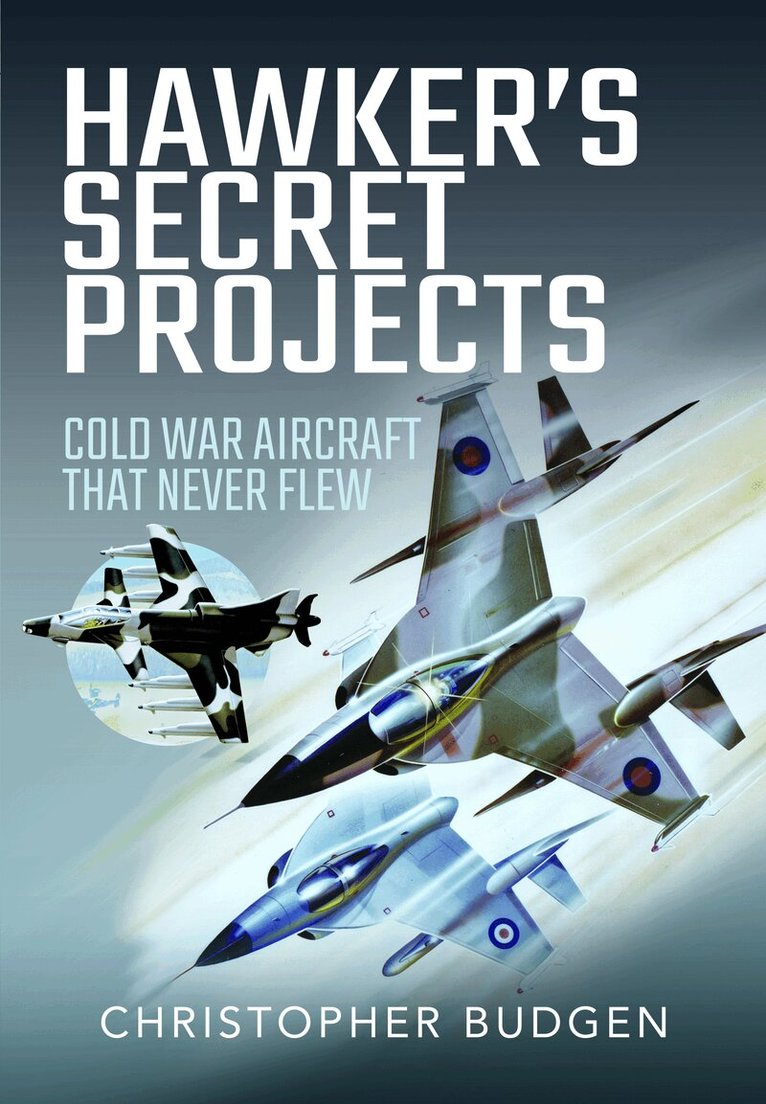
Inbunden, Engelska, 2023
255 kr
Skickas
Hawker Aircraft Ltd at Kingston was arguably the most successful and long-lasting manufacturer of military aircraft in Great Britain and Europe. In its various evolved manifestations – Hawker Aircraft, Hawker Siddeley Aviation, British Aerospace – its output of war winning aircraft, mainly fighters, was unsurpassed. From the Hart and Hurricane through the Hunter, Harrier and Hawk, the company consistently produced aircraft that the UK fighting services wanted. But some designs, for whatever reason, failed to reach flight or were declined by the services.With their sometimes advanced aerodynamics and technology, these aircraft could have had successful service careers but instead were abandoned, their stories failing to reach mainstream consciousness. Having not received their just dues, the present book seeks to redress this omission. The reasons for failure are many and varied, often financial or political, but in each case the reasons behind the failure of the design are examined.In a wide-ranging investigation that documents the origins of Hawker Aircraft Ltd and its famous Project Office, this work, the third in Christopher Budgen’s investigation of the inner workings of Hawker Aircraft, is a fitting tribute to the many who made the company the success it was.
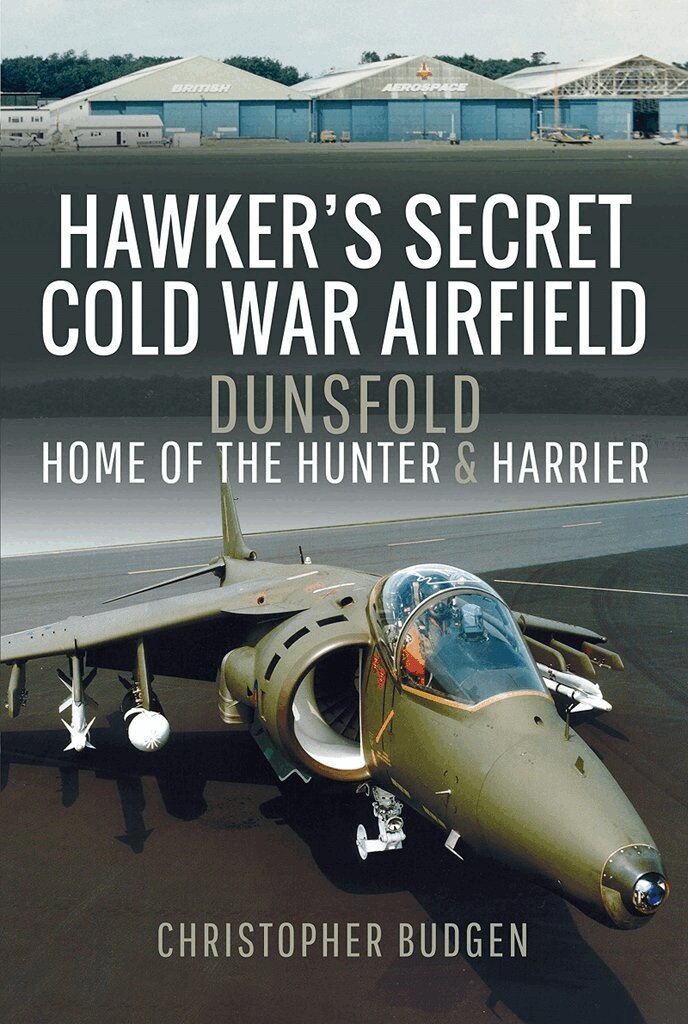
Inbunden, Engelska, 2020
255 kr
Skickas
In 1948, Hawker Aircraft, faced with new jet projects that could not use their existing airfield at Langley, began the process of searching for alternative accommodation for their flight-testing requirements. It would, however, take three hard years before Dunsfold Aerodrome would be made available by a reluctant Air Ministry and the company was able to launch its first jet aircraft design - the Sea Hawk - into series production for the Royal Navy, closely followed by the superlative Hunter. Hawker Aircraft would go on to produce nearly 2,000 Hunters before other projects came to the fore.As Hunter production continued in the late 1950s, the company looked to its successor - the Mach 2 capable air superiority fighter designated P.1121, though this would stall before flight in the wake of serious national financial short-falls. With the loss of its premier project, the company came upon a radical new engine proposal and schemed an aircraft around it capable of vertical take-off and landing. While many decried the proposal, claiming it would never amount to anything, the Harrier would go on to prove the nay-sayers wrong as it came into its own during the Falklands War.Following the Harrier, Hawker Siddeley stepped into the competitive trainer aircraft market with the Hawk for the RAF. After completion of the RAF requirement, Hawk was sold into air arms across the world, including the US Navy, an incredible achievement for a UK design. British Aerospace then brought forth the Harrier GR.5, the UK version of the US AV-8B, a completely upgraded and improved Harrier.One might expect that this prolific output was the result of some massive industrial plant in the Midlands rather than an isolated aerodrome tucked in the rural hinterland of south Surrey. Surrounded for most of its existence by secrecy, due to the nature of its work, Dunsfold has largely escaped the notice of the general public. This work shines a light on the remarkable work carried out there.
Häftad, Engelska, 2026
195 kr
Kommande
In 1948, Hawker Aircraft, faced with new jet projects that could not use their existing airfield at Langley, began the process of searching for alternative accommodation for their flight-testing requirements. It would, however, take three hard years before Dunsfold Aerodrome would be made available by a reluctant Air Ministry and the company was able to launch its first jet aircraft design -the Sea Hawk -into series production for the Royal Navy, closely followed by the superlative Hunter. Hawker Aircraft would go on to produce nearly 2,000 Hunters before other projects came to the fore.As Hunter production continued in the late 1950s, the company looked to its successor -the Mach 2 capable air superiority fighter designated P.1121, though this would stall before flight in the wake of serious national financial short-falls. With the loss of its premier project, the company came upon a radical new engine proposal and schemed an aircraft around it capable of vertical take-off and landing. While many decried the proposal, claiming it would never amount to anything, the Harrier would go on to prove the nay-sayers wrong as it came into its own during the Falklands War.Following the Harrier, Hawker Siddeley stepped into the competitive trainer aircraft market with the Hawk for the RAF. After completion of the RAF requirement, Hawk was sold into air arms across the world, including the US Navy, an incredible achievement for a UK design. British Aerospace then brought forth the Harrier GR.5, the UK version of the US AV-8B, a completely upgraded and improved Harrier.One might expect that this prolific output was the result of some massive industrial plant in the Midlands rather than an isolated aerodrome tucked in the rural hinterland of south Surrey. Surrounded for most of its existence by secrecy, due to the nature of its work, Dunsfold has largely escaped the notice of the general public. This work shines a light on the remarkable work carried out there.