
Navin K. Ambasht – författare
Visar alla böcker från författaren Navin K. Ambasht. Handla med fri frakt och snabb leverans.
4 produkter
4 produkter
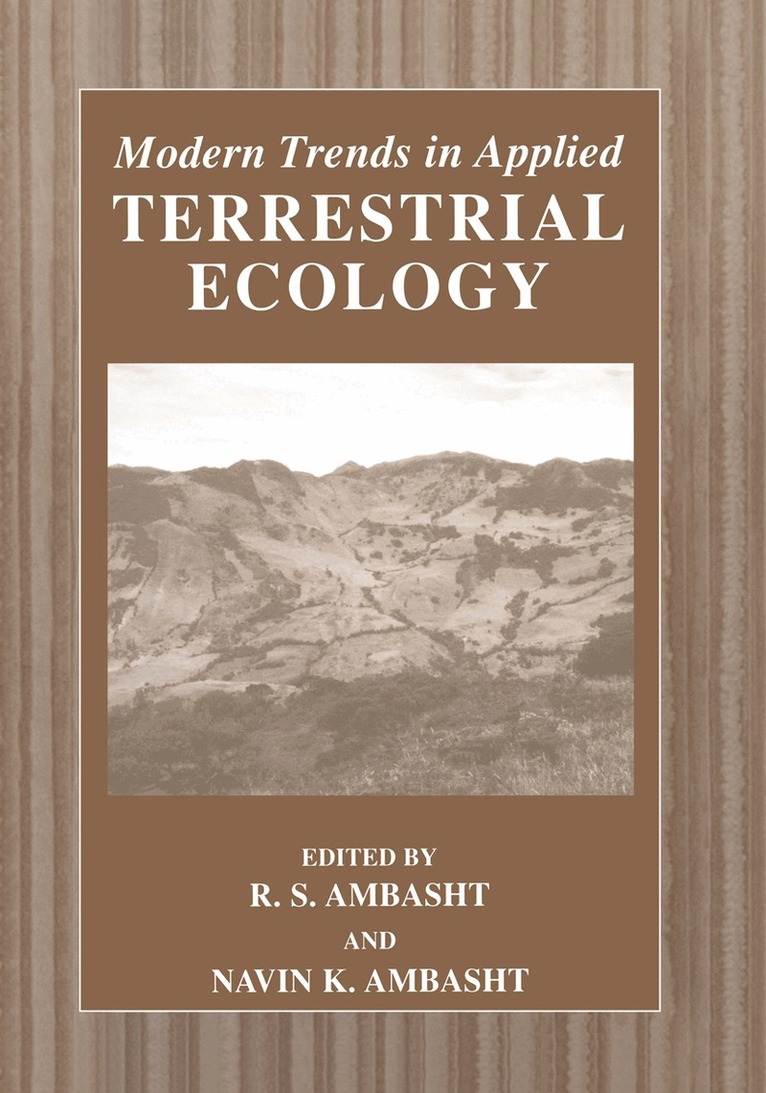
Inbunden, Engelska, 2003
1 602 kr
Skickas inom 10-15 vardagar
This volume brings together some of the foremost leaders in the field of terrestrial ecology. Chapter topics include soil structure and function, economics of biodiversity, crop growth and development, ethnobotany and conservation. The volume should prove useful for professionals and researchers in the field of botany, zoology, ecology, vegetation science, agriculture, forestry and population biology to name a few.
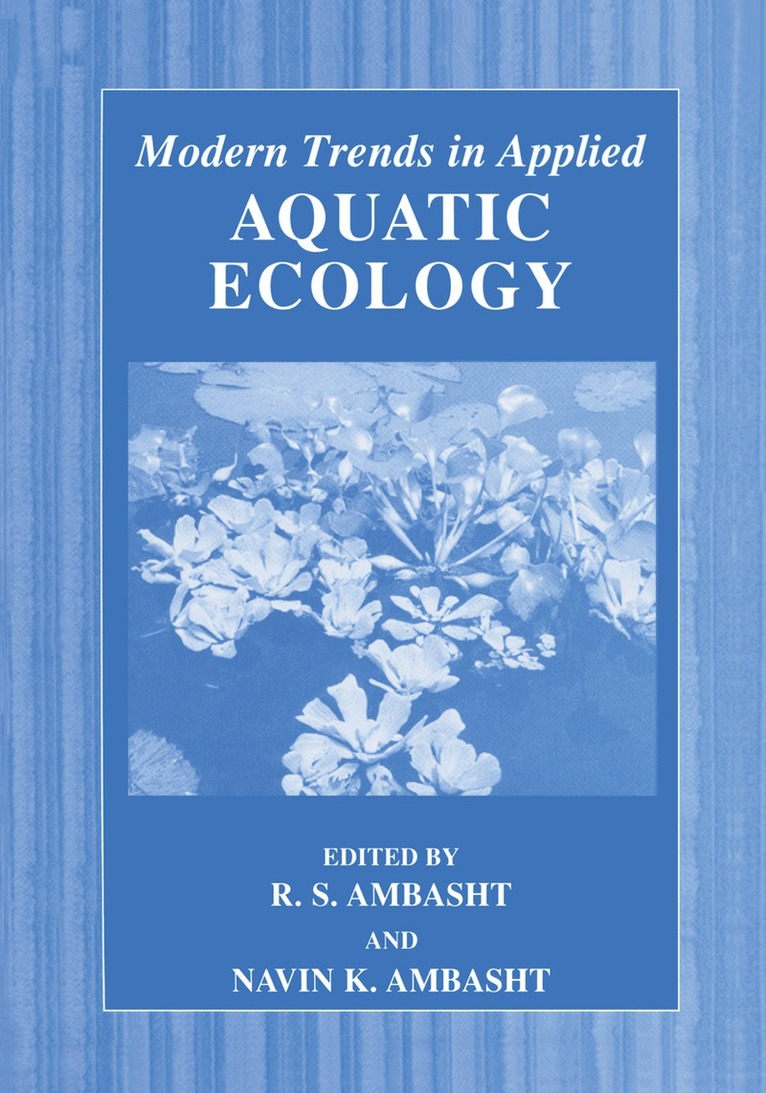
Inbunden, Engelska, 2003
1 602 kr
Skickas inom 10-15 vardagar
This volume brings together some of the foremost leaders in the field of aquatic ecology. Chapter topics include research on management of wetlands, hydrochemical determinism, biomonitoring and bioindicators in aquatic ecosystems, and environmental impacts of dam projects. This volume should be of interest to professionals and researchers in the fields of ecology, hydrology, limnology, and watershed management, to name a few.
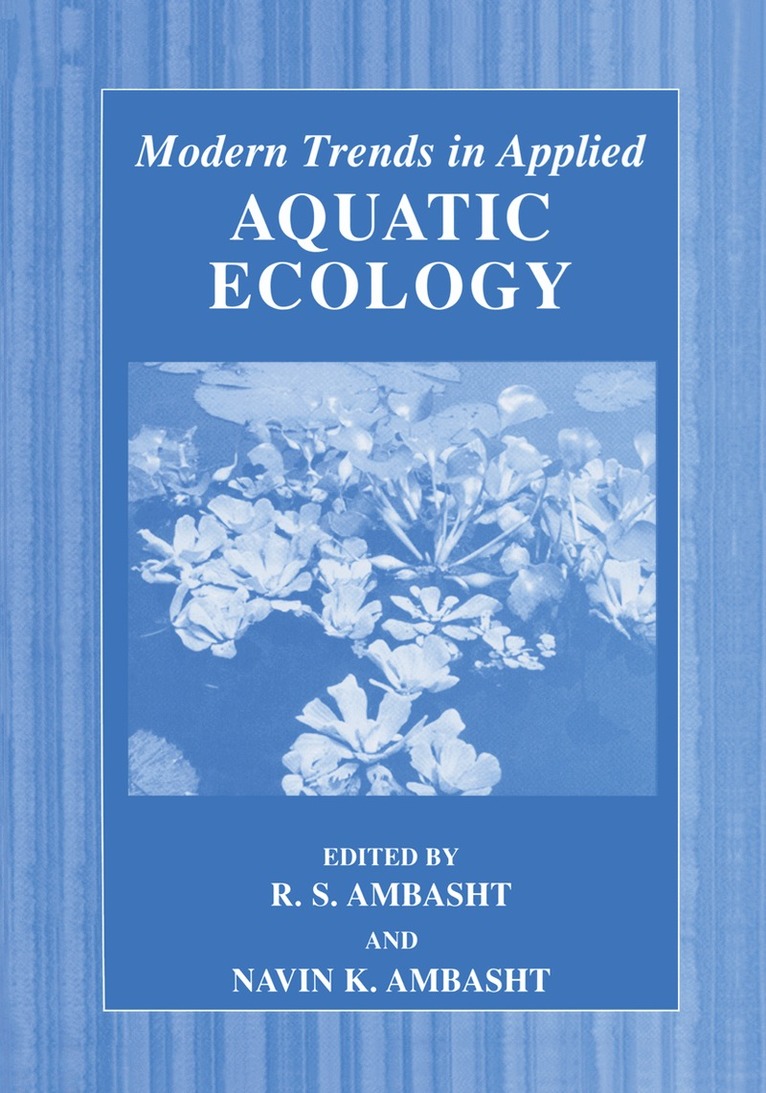
Häftad, Engelska, 2012
1 602 kr
Skickas inom 10-15 vardagar
Over the millennia, from simple hunter-food gatherers, humans developed the art of agriculture, domestication of animals, identification of medicinal plants, devising hunting and fishing techniques, house building, and making clothes.
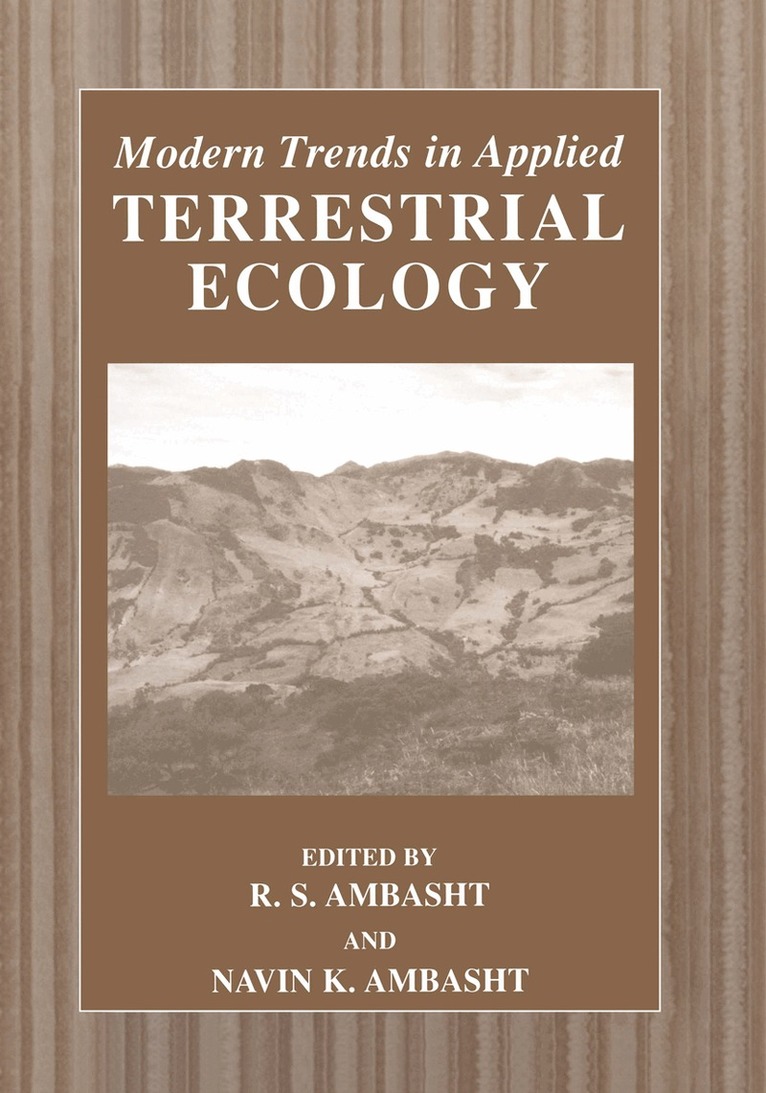
Häftad, Engelska, 2012
1 602 kr
Skickas inom 10-15 vardagar
Ecology and economics have Greek roots in oikos for "household", logos for "study", and nomics for "management". Thus, ecology and economics should have complemented one another for a proper growth and development without destruction, but, unfortunately, rapid industrialization, lure for fast financial gains, and commercialization activities have led to a widespread surge in pollution load, environmental degradation, habitat destruction, rapid loss ofbiodiversity, sudden rise in rate ofextinction ofmany wildlife and wild relatives of domesticated animals and cultivated cereals and other plants, global climate changes creating global rise in temperature, and CO levels and increased ultraviolet B at ground 2 level. Although these threats to human health have led us to look to ecology for their solutions and guidance for sustainable development without destruction, the industrial and technology houses are looking for alternative methods of development and resource use methods. The two global conferences of the United Nations in 1972 and 1992, and international programs of Man and the Biosphere (MAB), International Biological Program (IBP), International Geosphere, Biosphere program (lGBP), and World Conser vation Union (IUCN), of different commissions, United Nations Environmental Program (UNEP) efforts, Ramsar Conventions (for wetlands), and World Wide fund for Nature (WWF) (for nature in general and wildlife in particular) have focused attention of ecologists, naturalists, governments and Non-governmental organizations (NGOs) toward better conservation.