
Som standard sorteras produkter på sökresultat- och kategorisidor efter relevans och popularitet. Du kan välja att sortera produkterna på ett flertal andra sätt.
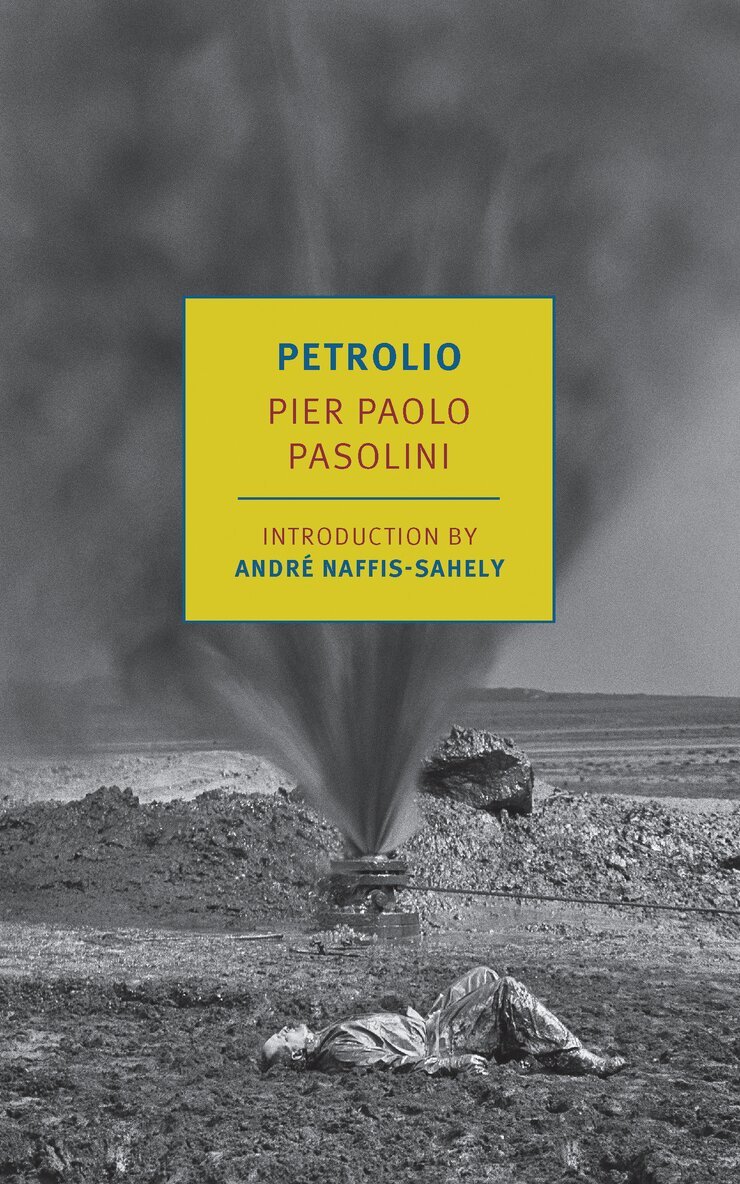
Notorious writer and filmmaker Pier Paolo Pasolini’s final novel—visionary, phenomenally strange, and unfinished at the time of his brutal murder—tells a fragmentary and characteristically provocative story of an oil executive split between the desire to dominate and the desire to be dominated.Seventeen years after Pier Paolo Pasolini’s brutal death, his sprawling, unfinished magnum opus was published in Italy. Petrolio is an extraordinary display of Pasolini’s powers of language and invention. Long suppressed by Pasolini’s family, it received the highest critical acclaim while causing public outrage and political scandal—proving the author’s enduring power to provoke, astonish, and inspire awe.A work in progress at the time of Pasolini’s murder, Petrolio is made up of a series of notes—some extended and polished narrative passages, others cryptic messages from the author to himself that consist of no more than a few words. At the novel’s center is Carlo, an oil executive who undergoes a profound personality split: Carlo 1 is a super-Machiavellian power monger; Carlo 2 lives only to satisfy his perverse and insatiable sexual desires. Carlo also experiences a sexual metamorphosis in which he becomes, at will, female. The story of Carlo is interspersed with revisions of myth—Oedipus, Medea, the Argonauts—and of Dante’s hell.The teller of this story is also dual in nature. There is the author—the external shaper of the novel—who interrupts the text to comment on its mechanics and its meaning. And there is the narrator, whose cynical and seductive perspective comes from within Petrolio’s fictional world.Fragmentary, deliberately self-referential, meta-literary, a devotional exploration of the male libido, an ode to the lust for power and the power of lust and, above all, a wrenching attempt to define the intellectual and his responsibilities, Petrolio is a postmodern masterpiece.
Italian novelist, poet, and filmmaker Pier Paolo Pasolini was brutally killed in Rome in 1975, a macabre end to a career that often explored humanity's capacity for violence and cruelty. Along with the mystery of his murderer's identity, Pasolini left behind a controversial but acclaimed oeuvre as well as a final quartet of beguiling projects that signaled a radical change in his aesthetics and view of reality."The Resurrection of the Body" is an original and compelling interpretation of these final works: the screenplay 'Saint Paul', the scenario for "Porn-Theo-Colossal", the immense and unfinished novel "Petrolio", and his notorious final film, "Salo or the 120 Days of Sodom", a disturbing adaptation of the writings of the Marquis de Sade. Together these works, Armando Maggi contends, reveal Pasolini's obsession with sodomy and its role within his apocalyptic view of Western society. One of the first studies to explore the ramifications of Pasolini's homosexuality, "The Resurrection of the Body" also breaks new ground by putting his work into fruitful conversation with an array of other thinkers such as Freud, Strindberg, Swift, Henri Michaux, and Norman O. Brown.
Som standard sorteras produkter på sökresultat- och kategorisidor efter relevans och popularitet. Du kan välja att sortera produkterna på ett flertal andra sätt.
Notorious writer and filmmaker Pier Paolo Pasolini’s final novel—visionary, phenomenally strange, and unfinished at the time of his brutal murder—tells a fragmentary and characteristically provocative story of an oil executive split between the desire to dominate and the desire to be dominated.Seventeen years after Pier Paolo Pasolini’s brutal death, his sprawling, unfinished magnum opus was published in Italy. Petrolio is an extraordinary display of Pasolini’s powers of language and invention. Long suppressed by Pasolini’s family, it received the highest critical acclaim while causing public outrage and political scandal—proving the author’s enduring power to provoke, astonish, and inspire awe.A work in progress at the time of Pasolini’s murder, Petrolio is made up of a series of notes—some extended and polished narrative passages, others cryptic messages from the author to himself that consist of no more than a few words. At the novel’s center is Carlo, an oil executive who undergoes a profound personality split: Carlo 1 is a super-Machiavellian power monger; Carlo 2 lives only to satisfy his perverse and insatiable sexual desires. Carlo also experiences a sexual metamorphosis in which he becomes, at will, female. The story of Carlo is interspersed with revisions of myth—Oedipus, Medea, the Argonauts—and of Dante’s hell.The teller of this story is also dual in nature. There is the author—the external shaper of the novel—who interrupts the text to comment on its mechanics and its meaning. And there is the narrator, whose cynical and seductive perspective comes from within Petrolio’s fictional world.Fragmentary, deliberately self-referential, meta-literary, a devotional exploration of the male libido, an ode to the lust for power and the power of lust and, above all, a wrenching attempt to define the intellectual and his responsibilities, Petrolio is a postmodern masterpiece.
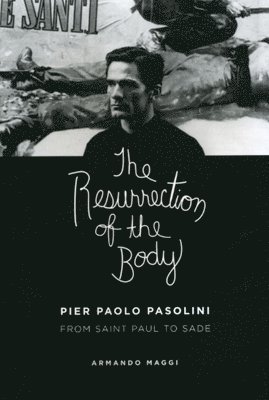
Italian novelist, poet, and filmmaker Pier Paolo Pasolini was brutally killed in Rome in 1975, a macabre end to a career that often explored humanity's capacity for violence and cruelty. Along with the mystery of his murderer's identity, Pasolini left behind a controversial but acclaimed oeuvre as well as a final quartet of beguiling projects that signaled a radical change in his aesthetics and view of reality."The Resurrection of the Body" is an original and compelling interpretation of these final works: the screenplay 'Saint Paul', the scenario for "Porn-Theo-Colossal", the immense and unfinished novel "Petrolio", and his notorious final film, "Salo or the 120 Days of Sodom", a disturbing adaptation of the writings of the Marquis de Sade. Together these works, Armando Maggi contends, reveal Pasolini's obsession with sodomy and its role within his apocalyptic view of Western society. One of the first studies to explore the ramifications of Pasolini's homosexuality, "The Resurrection of the Body" also breaks new ground by putting his work into fruitful conversation with an array of other thinkers such as Freud, Strindberg, Swift, Henri Michaux, and Norman O. Brown.