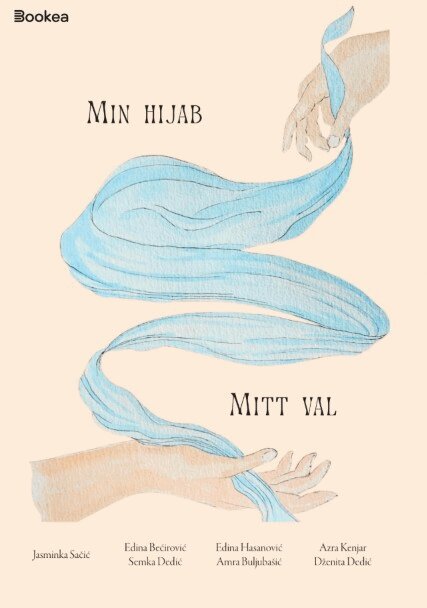
Visar resultat för..."Mitt val"
Sökningen "Mitt val - om Stampen, medierna och en bok som förändrade allt ekerlids" gav inga träffar.234 kr
Skickas inom 5-8 vardagar
119 kr
Läs direkt efter köp
230 kr
Skickas
19 kr
Läs direkt efter köp
1 442 kr
Läs direkt efter köp
1 139 kr
Läs direkt efter köp
1 136 kr
Läs direkt efter köp
54 kr
Läs direkt efter köp
1 513 kr
Läs direkt efter köp
1 491 kr
Skickas inom 7-10 vardagar
2 017 kr
Skickas inom 5-8 vardagar
504 kr
Skickas inom 5-8 vardagar
1 767 kr
Skickas inom 7-10 vardagar
1 733 kr
Skickas inom 7-10 vardagar
2 395 kr
Skickas inom 10-15 vardagar
618 kr
Skickas inom 10-15 vardagar
465 kr
Skickas inom 10-15 vardagar
201 kr
Skickas inom 10-15 vardagar
3 068 kr
Skickas inom 5-8 vardagar
509 kr
Skickas inom 10-15 vardagar
740 kr
Läs direkt efter köp
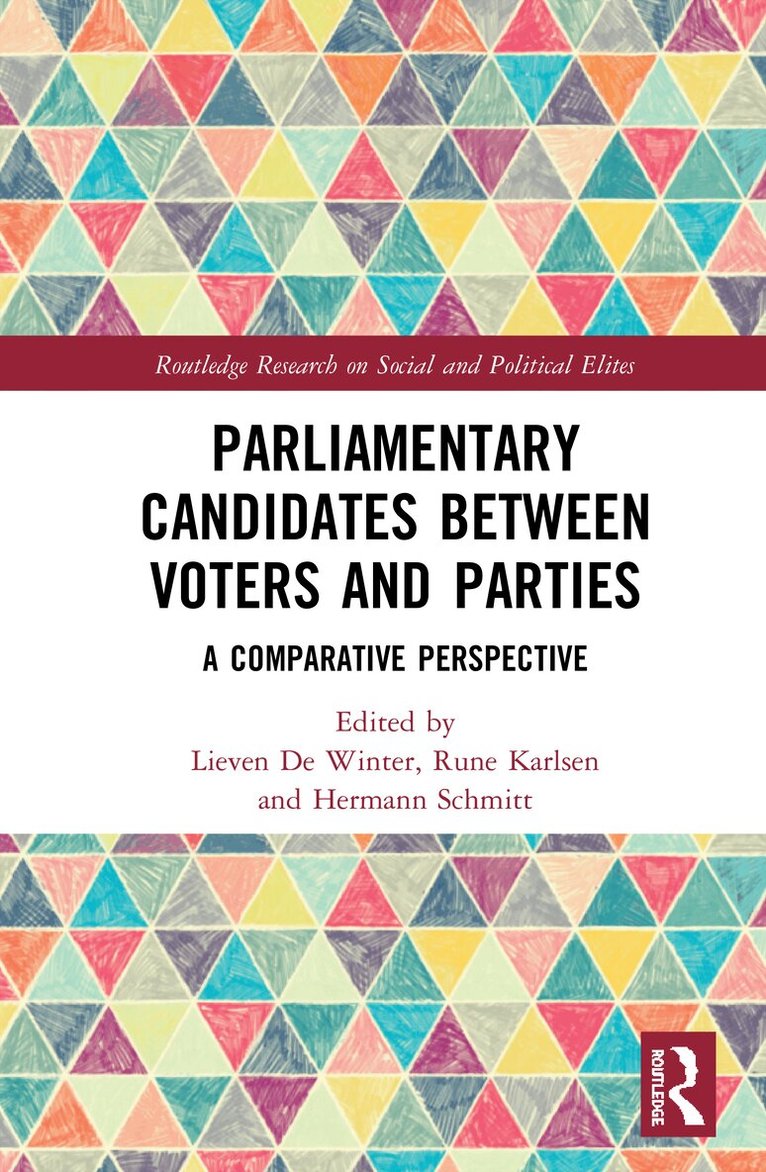
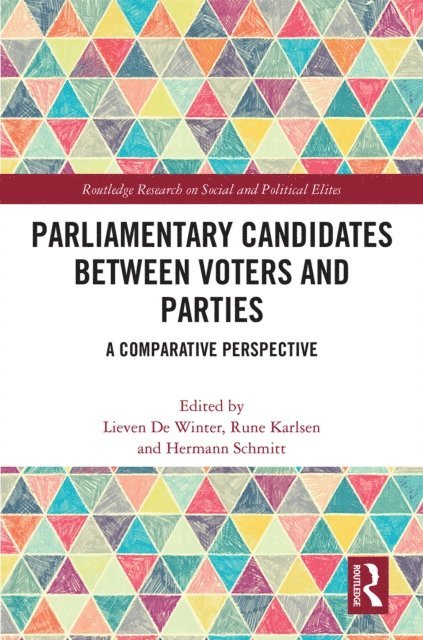
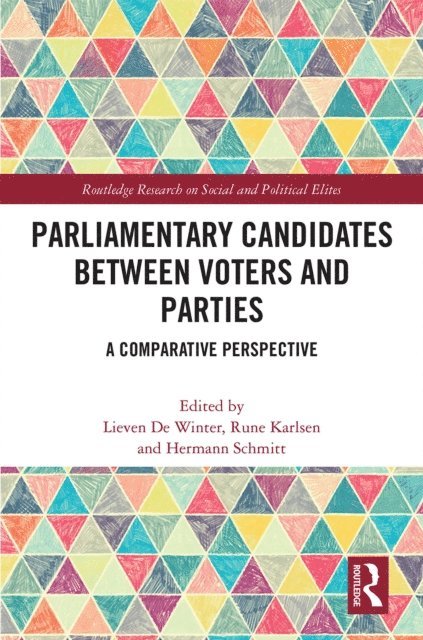
This book offers the first comprehensive, comparative and coherent perspective on parliamentary candidates in contemporary representative democracy.
Based on the unique database of the ‘Comparative Candidate Survey'' project which interrogated parliamentary candidates in more than 30 countries, it fills a significant lacuna by focusing on the thousands of ordinary candidates that participate in national elections. It examines who the candidates are in terms of their socio-demographic background and political career patterns, how they were selected by their parties, what their policy preference are and whether these are congruent to those held by their voters, who they seek to represent and how they intend to do so once elected, and what their visions are on representative democracy and party government. Last but not least, it investigates how they go about reaching out to their potential voters during the election campaign.
This book will be of key interest to scholars and students of political parties and party politics, political elites, political communication, political participation, elections, theories of democracy and representation, legislative studies, voting behaviour and more broadly to European politics, as well as to political and policy professionals throughout Europe.
740 kr
Läs direkt efter köp
This book offers the first comprehensive, comparative and coherent perspective on parliamentary candidates in contemporary representative democracy.
Based on the unique database of the ‘Comparative Candidate Survey'' project which interrogated parliamentary candidates in more than 30 countries, it fills a significant lacuna by focusing on the thousands of ordinary candidates that participate in national elections. It examines who the candidates are in terms of their socio-demographic background and political career patterns, how they were selected by their parties, what their policy preference are and whether these are congruent to those held by their voters, who they seek to represent and how they intend to do so once elected, and what their visions are on representative democracy and party government. Last but not least, it investigates how they go about reaching out to their potential voters during the election campaign.
This book will be of key interest to scholars and students of political parties and party politics, political elites, political communication, political participation, elections, theories of democracy and representation, legislative studies, voting behaviour and more broadly to European politics, as well as to political and policy professionals throughout Europe.
831 kr
Läs direkt efter köp
715 kr
Skickas inom 10-15 vardagar
1 451 kr
Skickas inom 10-15 vardagar
2 395 kr
Skickas inom 10-15 vardagar
858 kr
Läs direkt efter köp
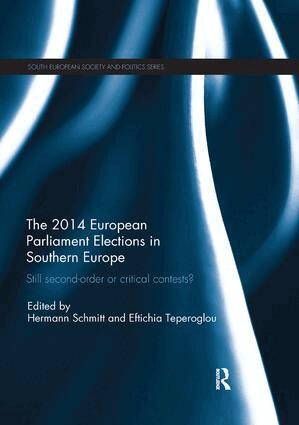
Southern Europe has been the EU region most exposed to the Eurozone sovereign debt crisis with consequences for national party systems and political stability. The 2014 European Parliament elections took place at a crucial time for Europe and Southern European societies more generally. This book analyses the Euroelections in Southern Europe, asking whether these followed the usual pattern of low-stimulus contests or whether the crisis context raised the bar. Country chapters on Italy, Greece, Spain, Portugal, Cyprus and Malta investigate the background of the elections, the electoral campaign and the rise of Euroscepticism. The linkage between governments’ economic performance, the Europhile or Eurosceptic stances of political parties, and their electoral performance are at the core of the analysis in each chapter. The findings reveal that the political and electoral consequences of the economic crisis have not fundamentally challenged the second-order character of the 2014 European Parliament elections in Southern Europe. However, electoral behaviour exhibits some indications of a more critical contest in which the EU divide becomes more significant and polarising in determining voting choices. This book was previously published as a special issue of South European Society and Politics.
858 kr
Läs direkt efter köp
Southern Europe has been the EU region most exposed to the Eurozone sovereign debt crisis with consequences for national party systems and political stability. The 2014 European Parliament elections took place at a crucial time for Europe and Southern European societies more generally. This book analyses the Euroelections in Southern Europe, asking whether these followed the usual pattern of low-stimulus contests or whether the crisis context raised the bar. Country chapters on Italy, Greece, Spain, Portugal, Cyprus and Malta investigate the background of the elections, the electoral campaign and the rise of Euroscepticism. The linkage between governments’ economic performance, the Europhile or Eurosceptic stances of political parties, and their electoral performance are at the core of the analysis in each chapter. The findings reveal that the political and electoral consequences of the economic crisis have not fundamentally challenged the second-order character of the 2014 European Parliament elections in Southern Europe. However, electoral behaviour exhibits some indications of a more critical contest in which the EU divide becomes more significant and polarising in determining voting choices. This book was previously published as a special issue of South European Society and Politics.
236 kr
Läs direkt efter köp
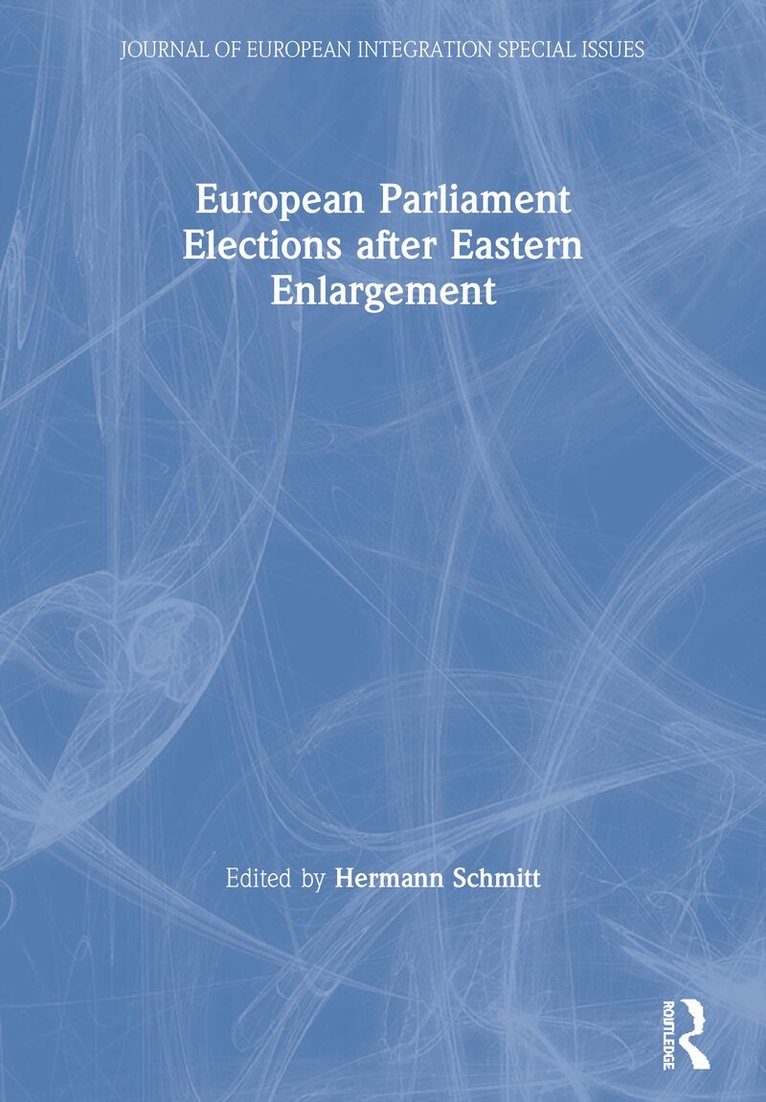
This book reflects on the questions raised by the European Election Study 2004 whose analytical focus was on the legitimacy of EU politics after Eastern enlargement. It also assesses the dynamics and the contents of the campaign, on the determinants of the extremely low turnout in the new countries, and on the reasons of voter choice in West and East.
The book also examines the first European Parliament election after the post-communist countries of Eastern Europe joined the European Union. The central question is: what has changed? Are the voters in the new member countries different and if so, why? Did the Union suffer from a loss of democratic legitimacy after Eastern enlargement?
Each chapter is empirical-analytical; most are based on the post-election surveys of the group that were conducted in all but one of the 25 member countries, others focus on the results of content analyses of news media and party manifestos.
This book was published as a special issue of the Journal of European Integration.
235 kr
Läs direkt efter köp
This book reflects on the questions raised by the European Election Study 2004 whose analytical focus was on the legitimacy of EU politics after Eastern enlargement. It also assesses the dynamics and the contents of the campaign, on the determinants of the extremely low turnout in the new countries, and on the reasons of voter choice in West and East.
The book also examines the first European Parliament election after the post-communist countries of Eastern Europe joined the European Union. The central question is: what has changed? Are the voters in the new member countries different and if so, why? Did the Union suffer from a loss of democratic legitimacy after Eastern enlargement?
Each chapter is empirical-analytical; most are based on the post-election surveys of the group that were conducted in all but one of the 25 member countries, others focus on the results of content analyses of news media and party manifestos.
This book was published as a special issue of the Journal of European Integration.