Elizabeth Sharp – Illustratör
Upptäck titlar med illustrationer av Elizabeth Sharp.
6 produkter
6 produkter
175 kr
Skickas inom 10-15 vardagar
Between November 1942 and May 1945, US Army infantry units fought in eight named campaigns in the Mediterranean Theater.This title follows one soldier from enlistment in 1942, through training in a Replacement Training Center, assignment to the 1st Battalion 133d Regiment, 34th Infantry Division (Red Bull), and into combat. Among the battles covered are Fondouk Pass, Hill 609, Salerno, Monte Cassino, Anzio and the fighting in the Po Valley. A key focus is on the Heavy Weapons Company, which consisted of two machine gun platoons and one mortar platoon.The training and combat roles of the machine gunner's Military Occupational Specialty are discussed in detail.
Del 56 - Warrior
US Infantryman in World War II (3)
European Theater of Operations 1944–45
Häftad, Engelska, 2002
175 kr
Skickas inom 10-15 vardagar
The ETO is seen by many as the major theater of World War II, with more infantry regiments serving there than any other.This title follows one soldier ("Joseph") as he is drafted in February 1941, trains with the 22d Infantry in the United States and then ships to England in January 1944. On D-Day he lands on Utah Beach and in the following months fights through France, Belgium, and into Germany.The problems the common soldier faced between June 1944 and May 1945 are dealt with in particular in this authoritative and moving book.
175 kr
Skickas inom 10-15 vardagar
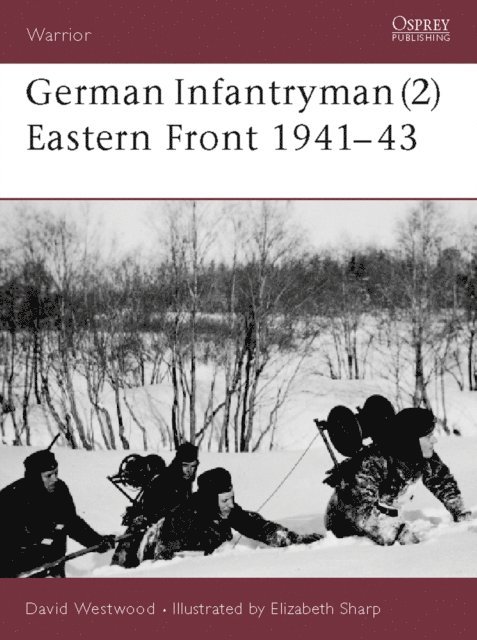
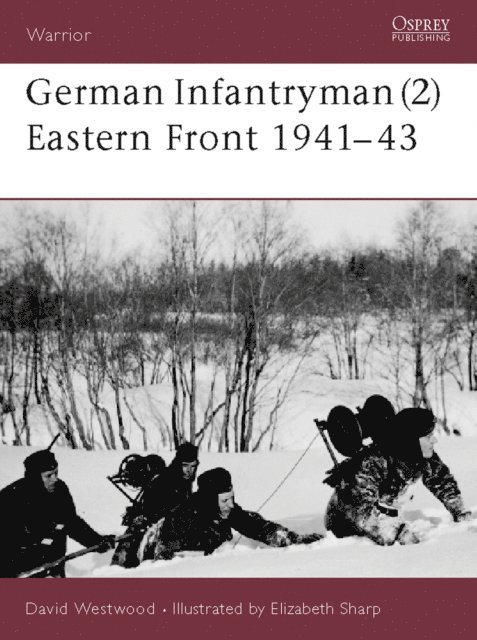
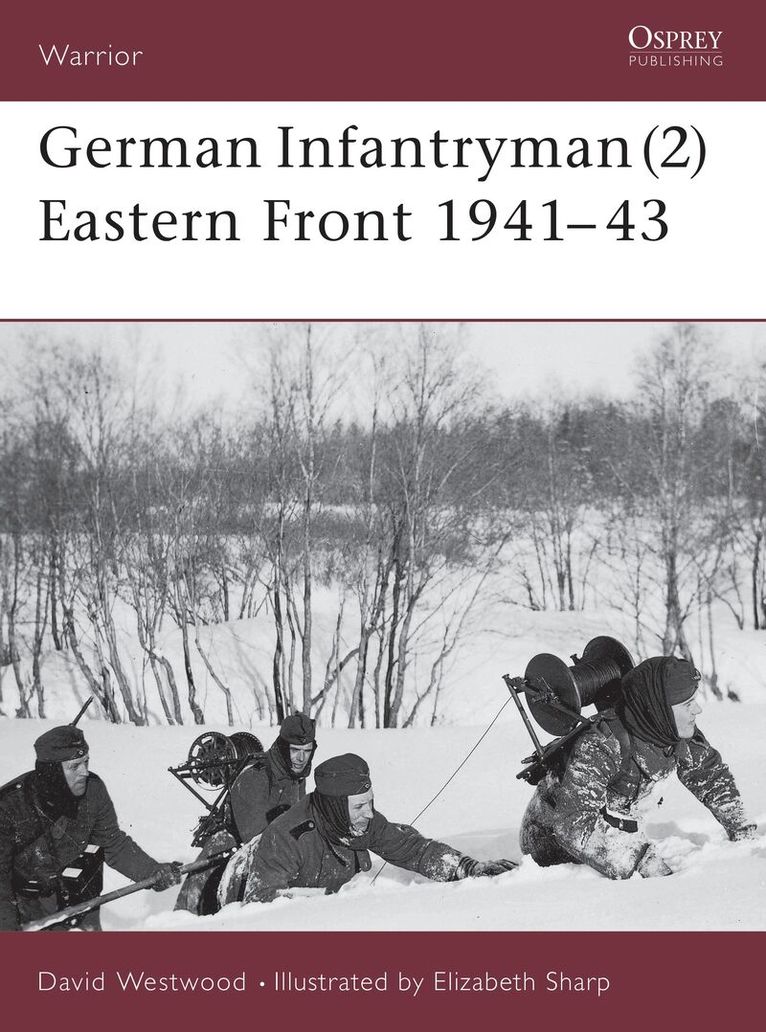
The second volume examining the German infantryman before and during World War 2, focusing on post-1941 training, weapons, equipment, combat experiences and medical care.The 'faceless' German soldier who struggled through bitter fighting up to and including Stalingrad retains his identity both as a human being and as a vital part of the Wehrmacht's order of battle. Containing a full array of previously unpublished photographs taken by German soldiers during the invasion of Russia this book shows in superb detail daily life and duties, the soldiers themselves, and combat action.
175 kr
Skickas inom 10-15 vardagar
Following the Battle of Wounded Knee in 1890, the US Cavalry were called into action again with the declaration of war against Spain in 1898.In the years that followed, cavalrymen saw action in a wide variety of theaters. This title takes a close look at the formation and experiences of the average cavalryman in this fascinating period of change and development, and also considers the cavalry officer corps.Numerous developments in dress, training, equipment, weaponry and tactics are all covered here.
175 kr
Skickas inom 10-15 vardagar
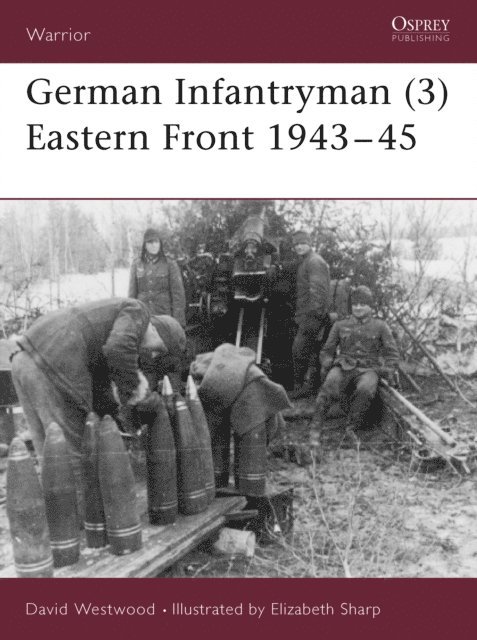
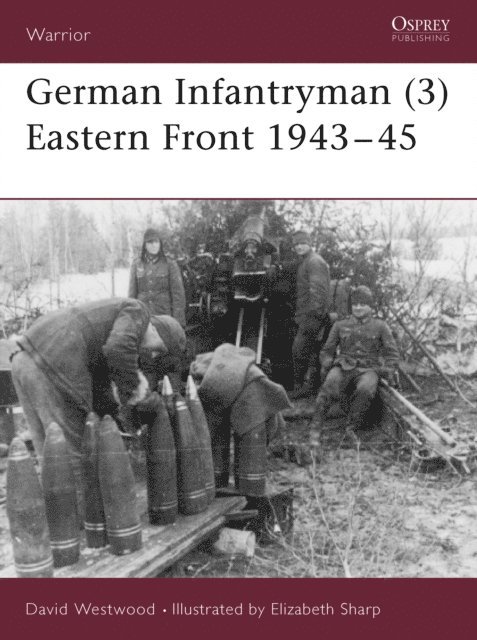
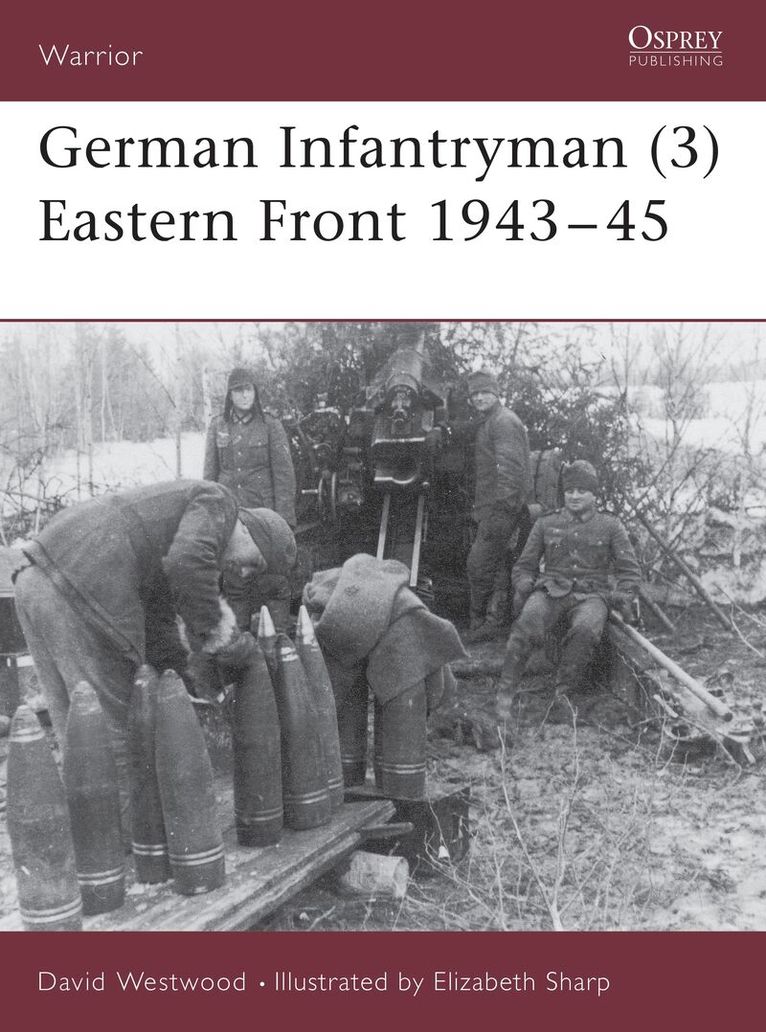
This third volume of a successful mini-series examines the German Infantryman in the latter part of World War II.Despite being constantly in retreat, often short of equipment, sometimes hungry, cold and wet, and the overwhelming numbers of Soviet troops and armour facing him, the German Infantryman’s resistance was always fierce, and although constantly moving back towards Germany, his defensive withdrawals cost the Russians dearly. During this period defensive tactics involved close artillery and tank cooperation, even at small unit level.Containing previously unpublished photographs and poignant first hand accounts, this book explores in superb detail daily life, duties and combat action.
175 kr
Skickas inom 10-15 vardagar
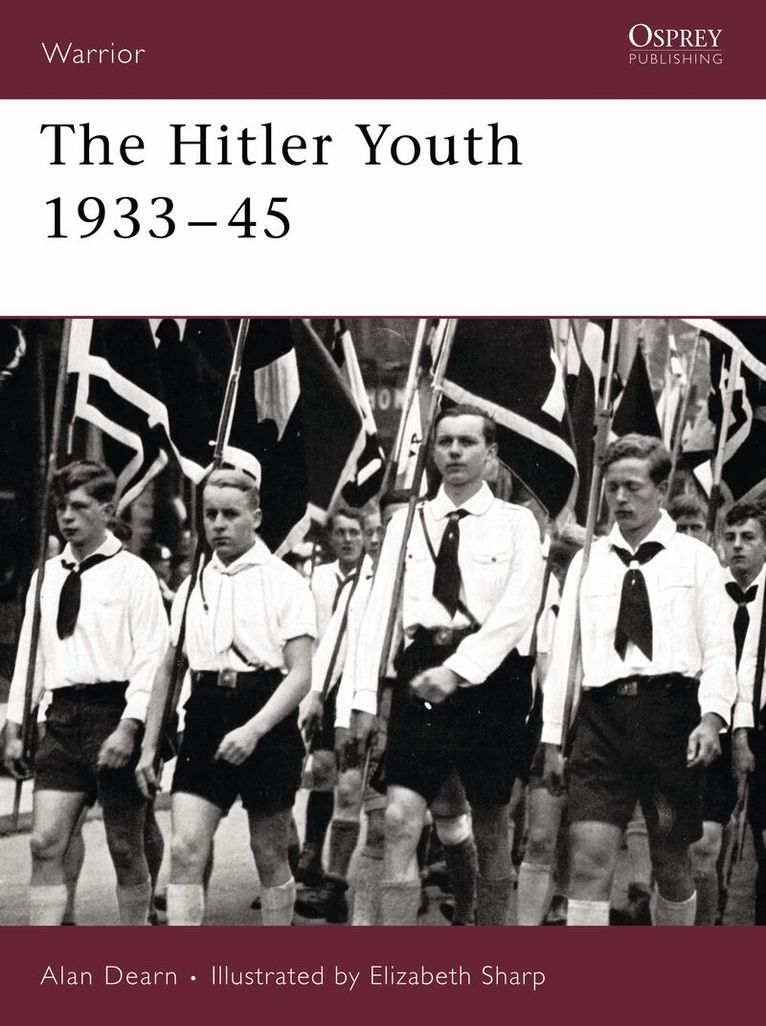
A chilling and modern embodiment of the loss of innocence, the Hitler Youth movement transformed German children into adult Nazis entirely focused on Allied defeat.Despite not being itself a military formation - rather a movement that sought to inculcate Nazi ideology - paramilitary training did however form an important part of this education due to the Nazi veneration of the soldier as the epitome of Germanic manhood. Some members of the Bund Deutscher Mädel, the Hitler Youth organization for girls, even became combatants in the final stages of the war.Covering the range of a child's indoctrination, from ideology to training, this rare exploration of the Nazi culture provides complete insight into the preliminary training of Germany's youth, and how they became directly involved in military service under the pressure of total war.