Sam Embleton – illustratör
Upptäck titlar med illustrationer av Sam Embleton.
8 produkter
8 produkter
187 kr
Skickas inom 10-15 vardagar
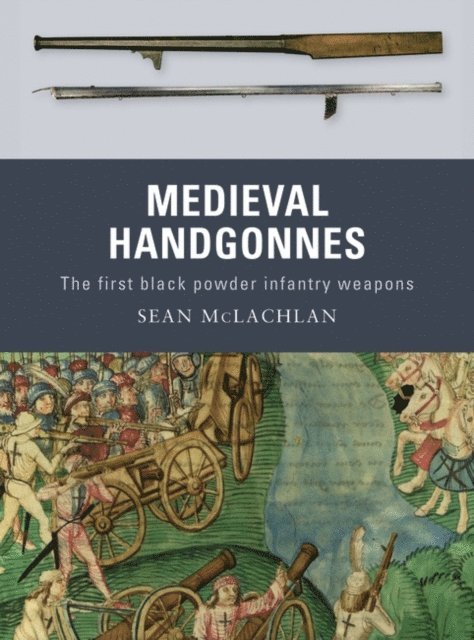
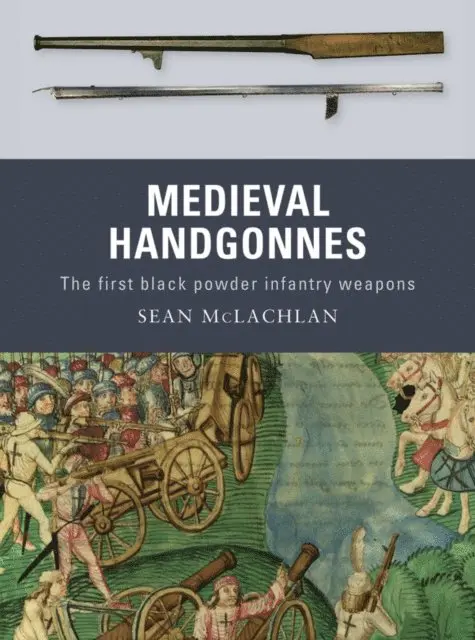
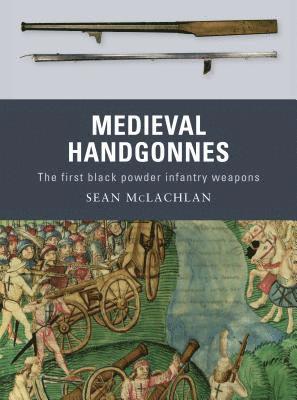
In the early 14th century, a new weapon entered the arsenals of European armies.This first generation of black powder weapons put fear into the heart of the enemy and in 1453 Ottoman cannon succeeded in pummelling the once-impregnable walls of Constantinople. But cannons, which are both slow and cumbersome, were difficult to use and often proved inaccurate.The first handgonnes were the answer. Easily dismissed by later historians as nothing more than crude tubes that shot wildly inaccurate lead balls, more recent research has revealed the true accuracy of the medieval handgonne together with its penetrative power.This volume, complete with detailed illustrations and colour photographs of reconstructed handgonnes, reveals the true history of what could easily have been the most revolutionary weapon in history: a must for medieval enthusiasts and re-enactors.
153 kr
Skickas inom 10-15 vardagar
To celebrate the 450th title in the Men-at-Arms series, this book examines in unprecedented depth the units and the uniforms of a still-controversial army: the many thousands of American colonists who chose to fight for King George during the Revolution.As well as the better-known corps from the Atlantic seaboard, the author covers the units raised for service against the Spanish in the Floridas, the Caribbean islands and Central America. The text is illustrated with portraits, photographs of rare surviving artefacts, and with color reconstructions by Gerry Embleton, the respected expert on 18th century American forces whose work has been exhibited in the Smithsonian Institute.A fascinating overview of a forgotten piece of history, this is the story of the American volunteers for the British cause during the American Revolutionary War.
175 kr
Skickas inom 10-15 vardagar
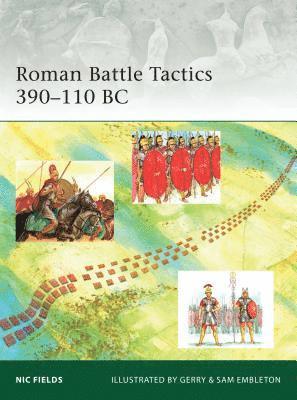
By 390 BC, the Roman army was in need of change, as Greek-style tactics of fighting with a heavy infantry phalanx were proving increasingly outdated.A military revolution was born in the form of the legion, a tool of war better suited to aggressive action. Yet by the end of the 3rd century BC, Rome's prestige was shattered by the genius of Hannibal of Carthage, causing the Romans to revise their battle tactics once more, this time by inventing a whole new kind of soldier.This book reveals these two defining moments in Roman military history and the revolution in battle tactics that they caused, examining how the Roman army eventually became all-conquering and all-powerful.
175 kr
Skickas inom 10-15 vardagar
While the giant armies of the Union and the Confederacy were fighting over cities and strategic strongholds, a large number of warriors from both sides were fighting, smaller, more personal battles.Beginning with the violent struggle known as “Bleeding Kansas” armed bands of irregular fighters began to wage war in every corner of the United States. Many of the names of their commanders have become legendary: William Quantrill, “Bloody Bill” Anderson, and John S Mosby “The Grey Ghost”. To their own people they were heroes; to others they were the first of a new generation of wild west outlaw. Their tactics included robbing banks, kidnapping soldiers & civilians, rustling cattle, and cutting telegraph lines.This book explores the war out of which many of America's future outlaw legends would be born, most notably Cole Younger and Frank and Jesse James.
153 kr
Skickas inom 10-15 vardagar
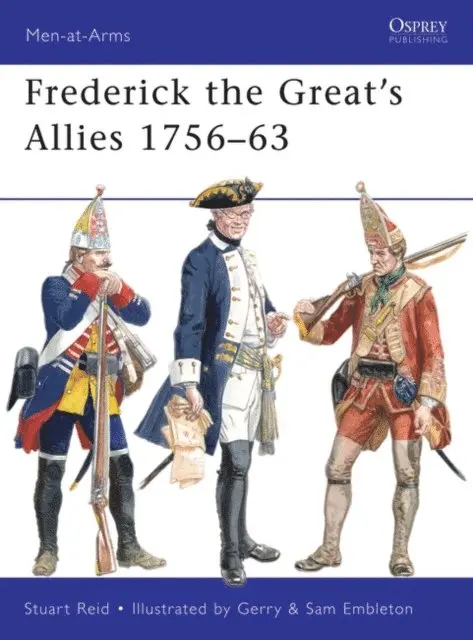
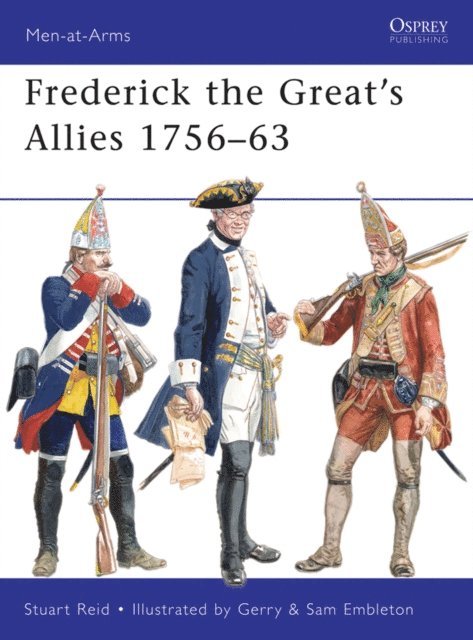
The Seven Years' War in Germany was characterised by an increasing use of 'light' troops in conjunction with regular infantry and cavalry as part of an ongoing evolution in military tactics.This book draws attention to these tactical developments and also provides an analysis of the allied army that fought alongside Frederick the Great in Germany. Composed of troops from the electorate of Hanover and contingents from Hessen-Kassel, Brunswick and Prussia, this force was funded by Britain and led by a Prussian officer, Prince Ferdinand of Brunswick.Later, British troops joined this army as it operated throughout western Germany, and together the allied army won a great victory at the famous battle of Minden in 1759.
175 kr
Skickas inom 10-15 vardagar
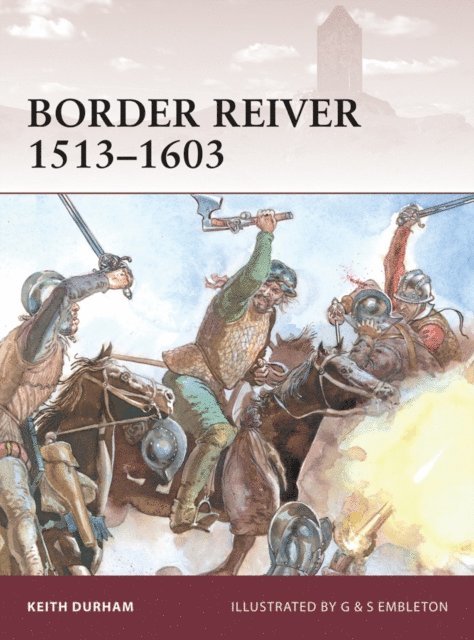
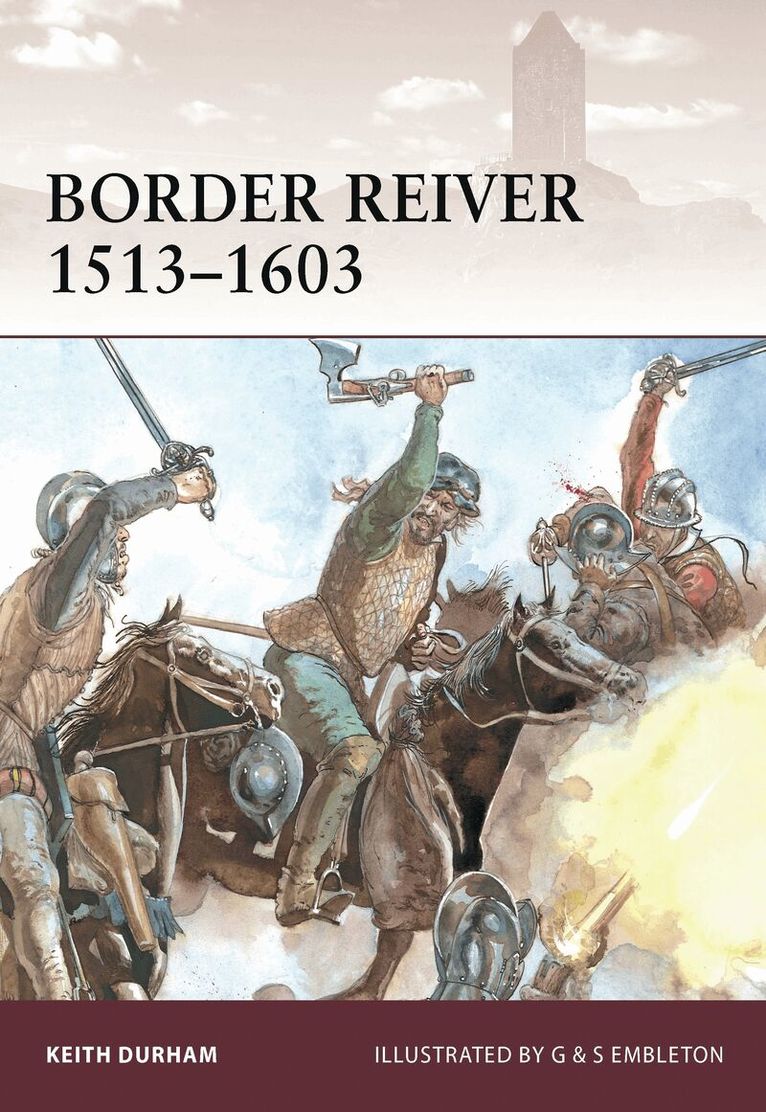
Stretching from the North Sea to the Solway Firth, the Border region has a sharply diverse landscape.It was a battleground for over 300 years as the English and Scottish monarchs encouraged their subjects to conduct raids across their respective borders. This Warrior book details how this narrow strip of land influenced the Borderer's way of life in times of war.Covering every aspect of militant life, from the choice of weapons and armour to the building of fortified houses, this book explores what it must have been like to live life in a late-medieval war zone.
153 kr
Skickas inom 10-15 vardagar
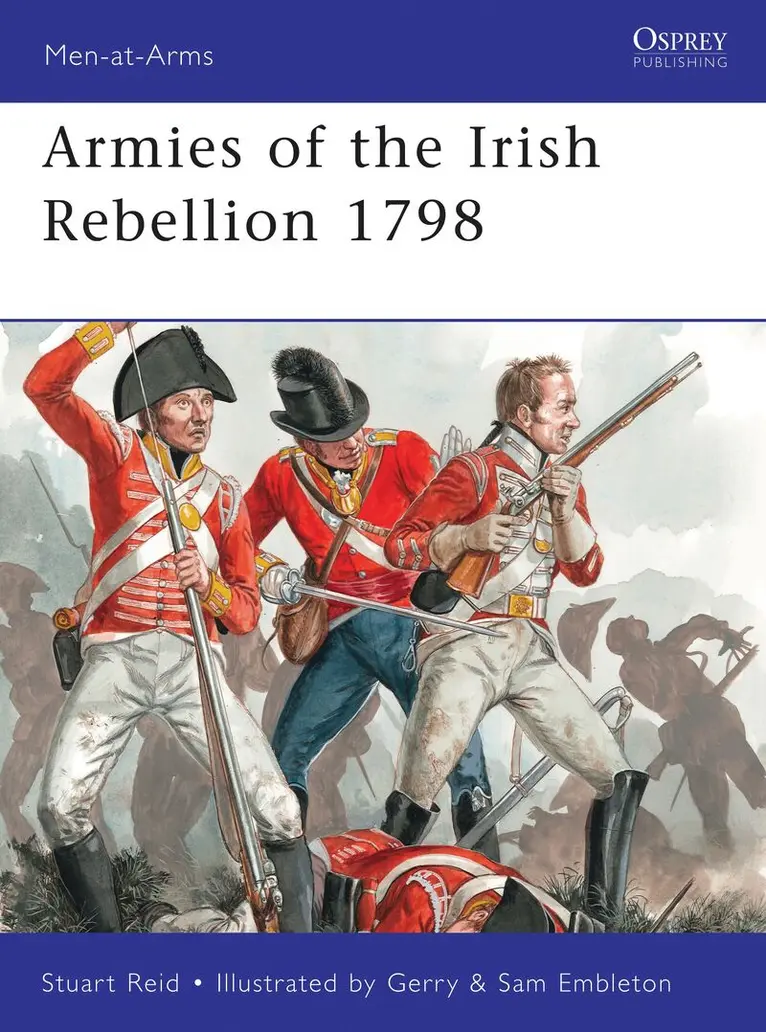
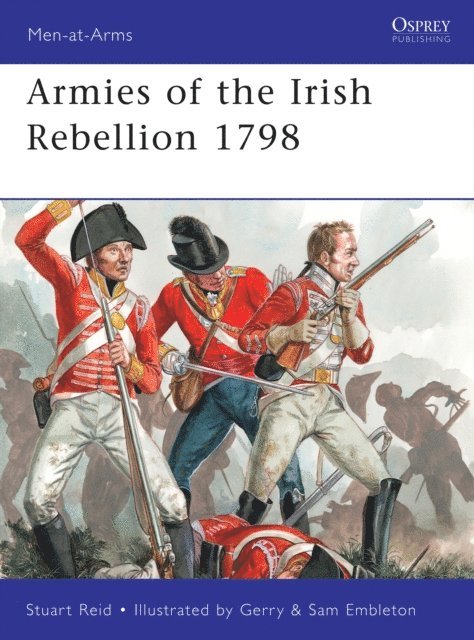
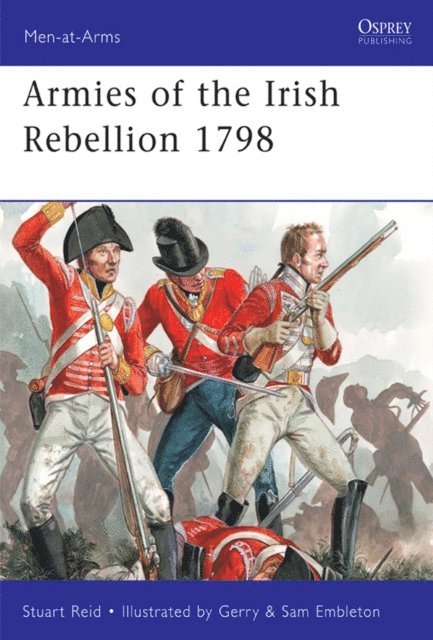
In 1798, the Irish rose up against the corrupt English government run out of Dublin.Joined by both Protestants and Catholics, the rebellion quickly spread across the country. Although the Irish peasantry were armed mostly with pikes, they were able to overwhelm a number of small, isolated British outposts. However, even with the half-hearted assistance of the French, the Irish could not compete with the organized ranks of the British Army when under competent leadership. In a brutal turning of the tide, the Redcoats plowed through the rebels.In just three months, between 15,000 and 30,000 people died, most of them Irish. This book tells the story of this harsh, but fascinating, period of Irish history and covers the organization and uniforms of the forces involved.
153 kr
Skickas inom 10-15 vardagar
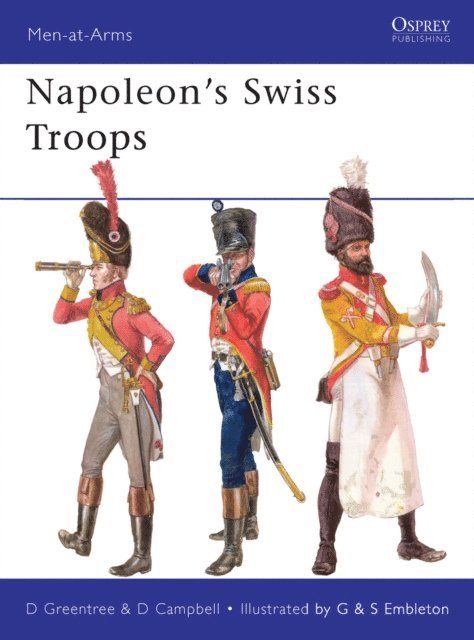
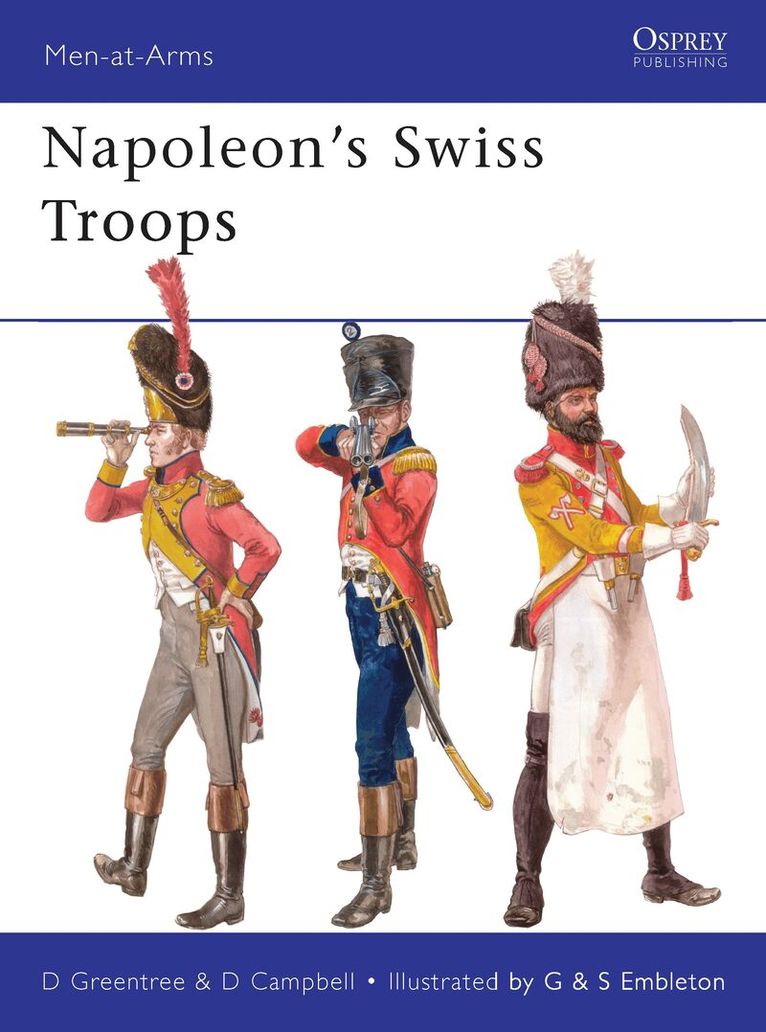
Ever since the 15th century Switzerland had been exporting professional soldiers to serve as mercenaries for foreign monarchies.Napoleon, therefore, was not the first to make full use of the martial qualities of the Swiss and obtained Swiss agreement to expand the recruitment of regiments for service in the French Army. Napoleon would use Swiss troops on the battlefields of Italy and Spain, and in 1812 re-organize the four original regiments into a single division for the invasion of Russia, with each regiment having three full-strength battalions.In November of 1812, meeting up with Napoleon's main force retreating from Moscow at the Berezina River, the Swiss on the west bank guarded the approaches to the pontoon bridges from the Russian attack to the south. Just 1,200 Swiss out of the approximately 8,000 that entered Russia were left to face, along with 8,000 other remnants of other units, the 30,000-strong Russian army. The Swiss held their ground and when their ammunition ran out they charged the Russians with bayonets.This book reveals the proud combat history of the Swiss troops of Napoleon's army as well as the colourful uniforms they wore.