Cultural Heritage, Art and Museums in the Middle East – serie
Visar alla böcker i serien Cultural Heritage, Art and Museums in the Middle East. Handla med fri frakt och snabb leverans.
8 produkter
8 produkter
Inbunden, Engelska, 2020
2 248 kr
Skickas inom 10-15 vardagar
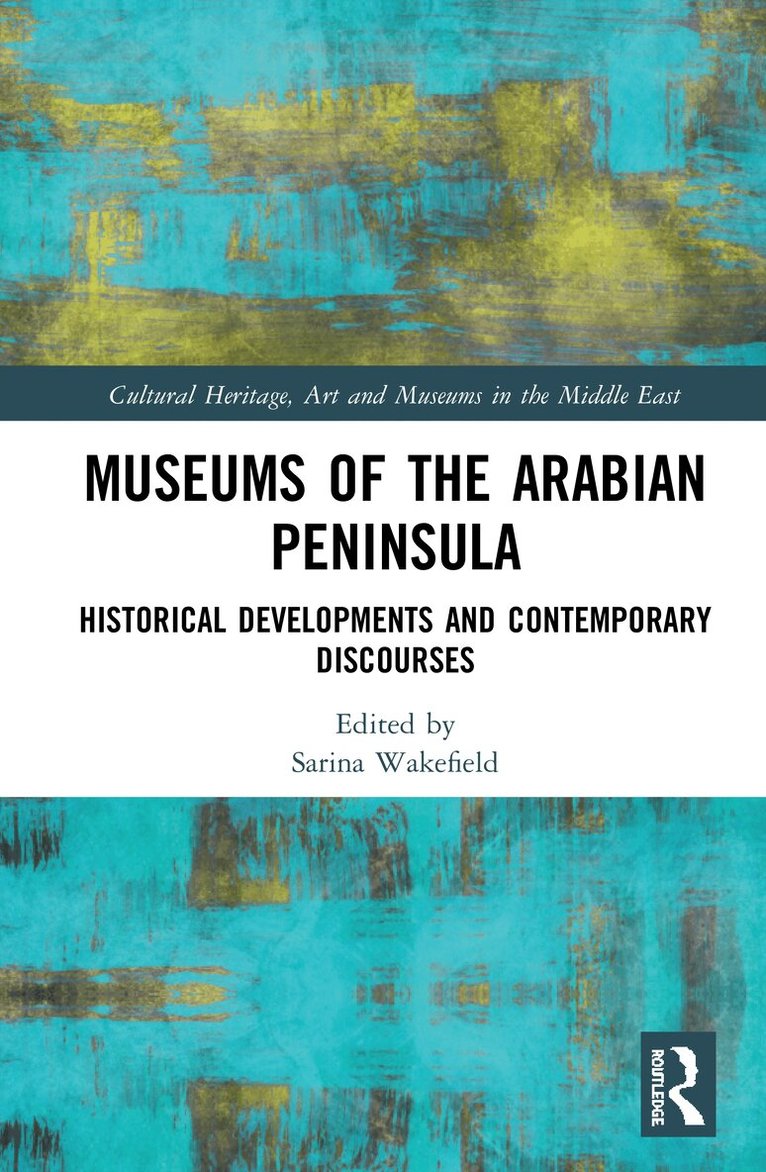
Museums of the Arabian Peninsula offers new insights into the history and development of museums within the region. Recognising and engaging with varied approaches to museum development and practice, the book offers in-depth critical analyses from a range of viewpoints and disciplines. Drawing on regional and international scholarship, the book provides a critical and detailed analysis of museum and heritage institutions in Bahrain, Jordan, Kuwait, Oman, Qatar, Saudi Arabia, the UAE and Yemen. Questioning and engaging with issues related to the institutionalisation of cultural heritage, contributors provide original analyses of current practice and challenges within the region. Considering how these challenges connect to broader issues within the international context, the book offers the opportunity to examine how museums are actively produced and consumed from both the inside and the outside. This critical analysis also enables debates to emerge that question the appropriateness of existing models and methods and provide suggestions for future research and practice. Museums of the Arabian Peninsula offers fresh perspectives that reveal how Gulf museums operate from local, regional and transnational perspectives. The volume will be a key reference point for academics and students working in the fields of museum and heritage studies, anthropology, cultural studies, history, politics and Gulf and Middle East Studies.
Inbunden, Engelska, 2024
2 421 kr
Skickas inom 10-15 vardagar
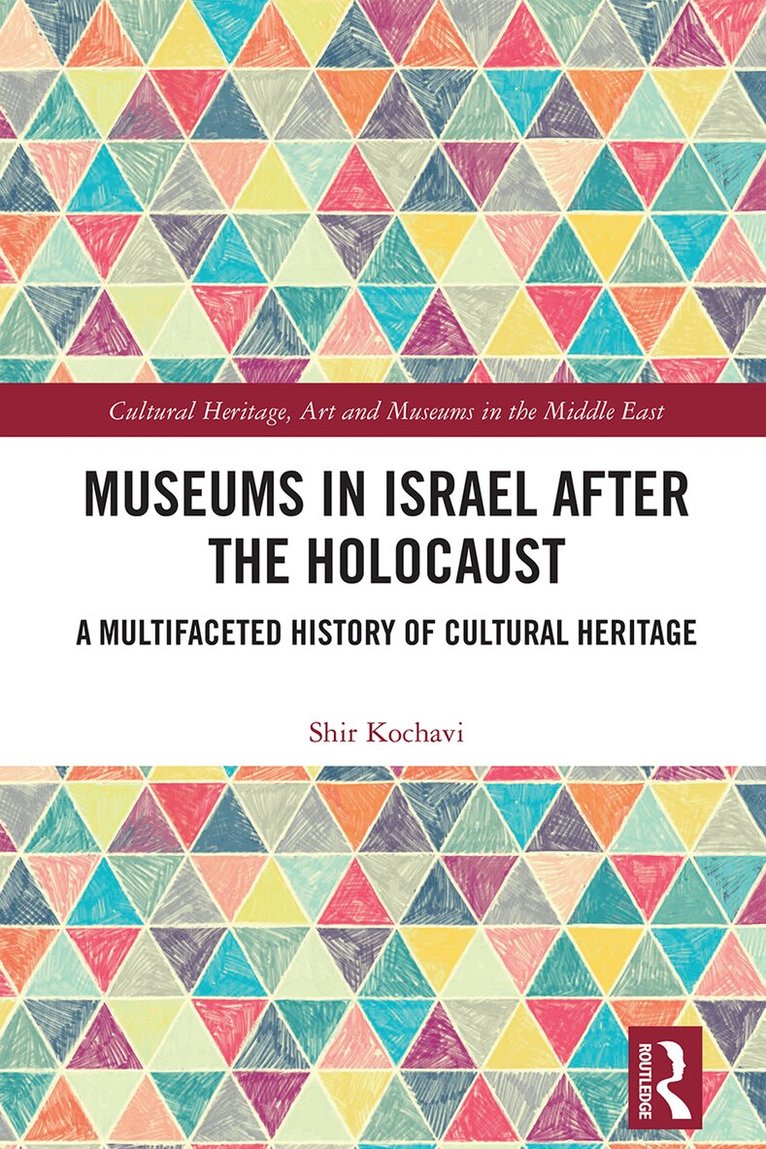
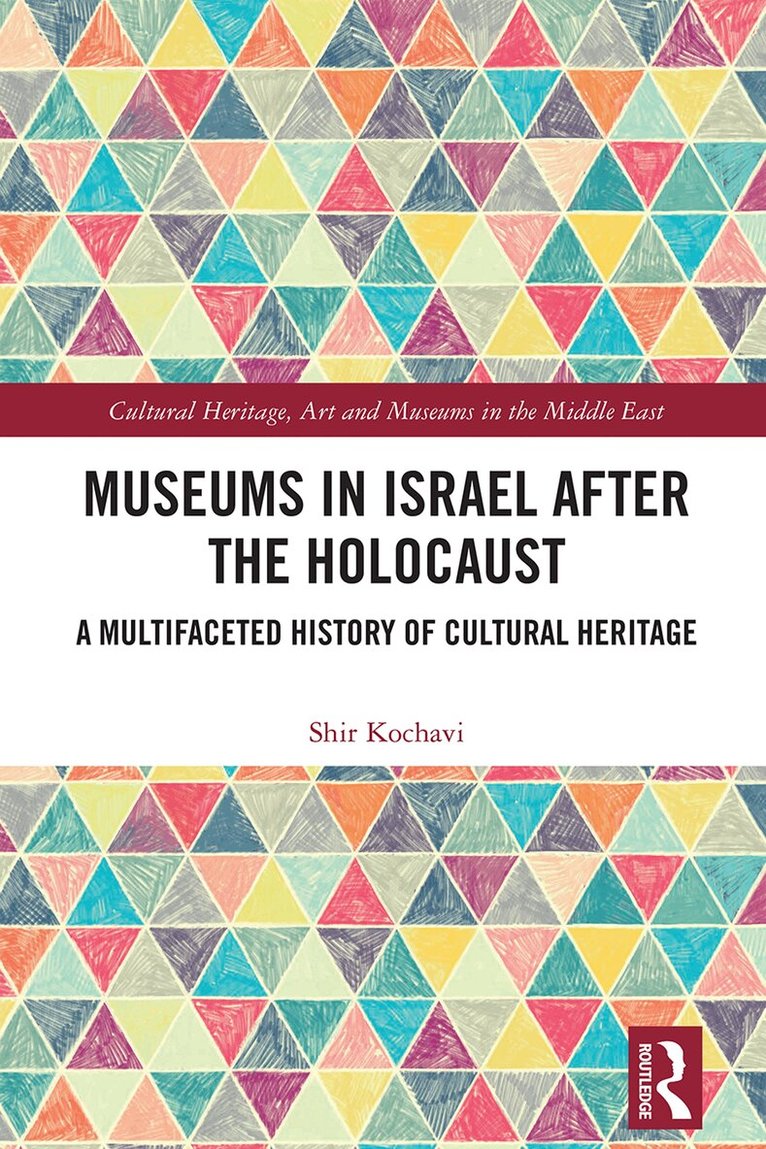
Museums in Israel After the Holocaust explores the influence of the traumatic events of the Holocaust on the formation of a cultural heritage policy during the foundational years of the State of Israel.Based on primary research, the book offers a new understanding of cultural practices after the Second World War, while analyzing the role of key Jewish cultural representatives who shaped museum collections that emerged during this period. The book investigates the ways Israel has dealt with the complicated history of “heirless” Jewish cultural objects and questions of ownership, by providing a detailed examination of the process of allocation of “heirless” Jewish cultural property handled by two American-Jewish organizations: the Jewish Restitution Successor Organization (JRSO) and the Jewish Cultural Reconstruction (JCR) in the immediate years following the Second World War. The book takes a material culture approach, which explores the meanings and values attached to an object over the course of time and during its transition between different owners.Museums in Israel After the Holocaust is essential reading for academics, students, and professionals working on and interested in Holocaust and Israel studies, art history, material culture studies, museum studies, cultural heritage, and Middle Eastern studies.
Häftad, Engelska, 2022
672 kr
Skickas inom 10-15 vardagar
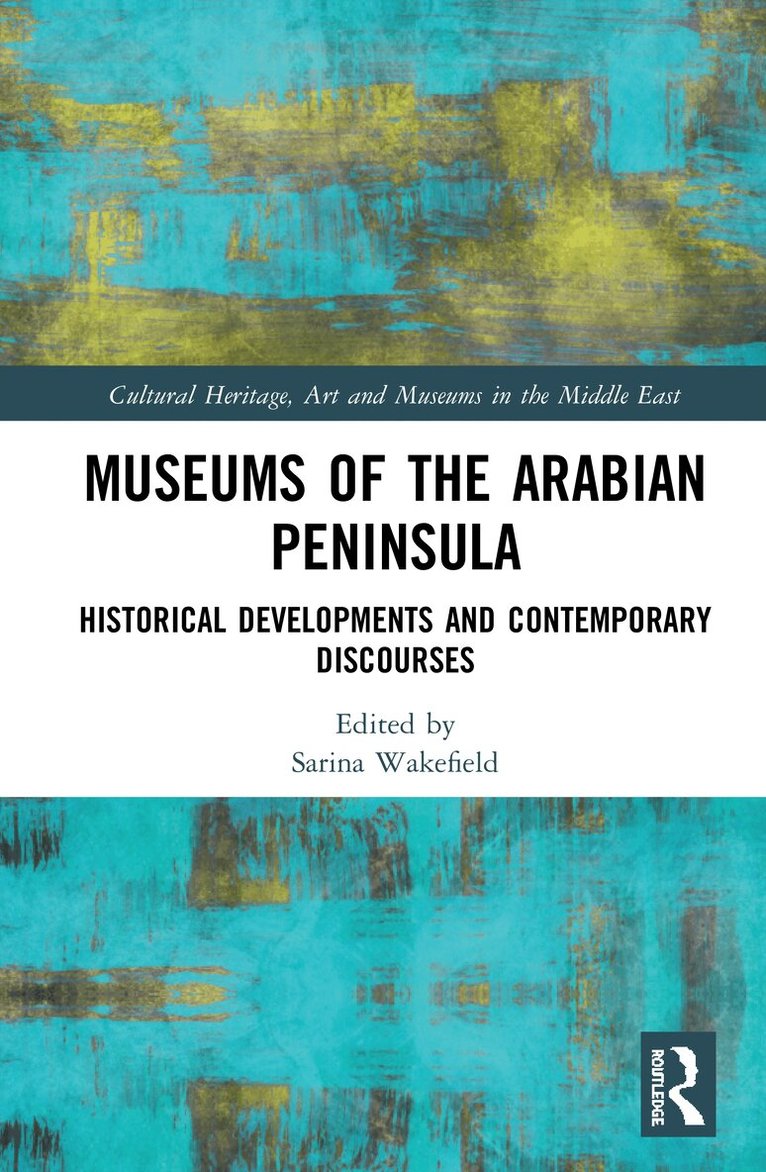
Museums of the Arabian Peninsula offers new insights into the history and development of museums within the region. Recognising and engaging with varied approaches to museum development and practice, the book offers in-depth critical analyses from a range of viewpoints and disciplines. Drawing on regional and international scholarship, the book provides a critical and detailed analysis of museum and heritage institutions in Bahrain, Jordan, Kuwait, Oman, Qatar, Saudi Arabia, the UAE and Yemen. Questioning and engaging with issues related to the institutionalisation of cultural heritage, contributors provide original analyses of current practice and challenges within the region. Considering how these challenges connect to broader issues within the international context, the book offers the opportunity to examine how museums are actively produced and consumed from both the inside and the outside. This critical analysis also enables debates to emerge that question the appropriateness of existing models and methods and provide suggestions for future research and practice. Museums of the Arabian Peninsula offers fresh perspectives that reveal how Gulf museums operate from local, regional and transnational perspectives. The volume will be a key reference point for academics and students working in the fields of museum and heritage studies, anthropology, cultural studies, history, politics and Gulf and Middle East Studies.
Inbunden, Engelska, 2022
748 kr
Skickas inom 10-15 vardagar
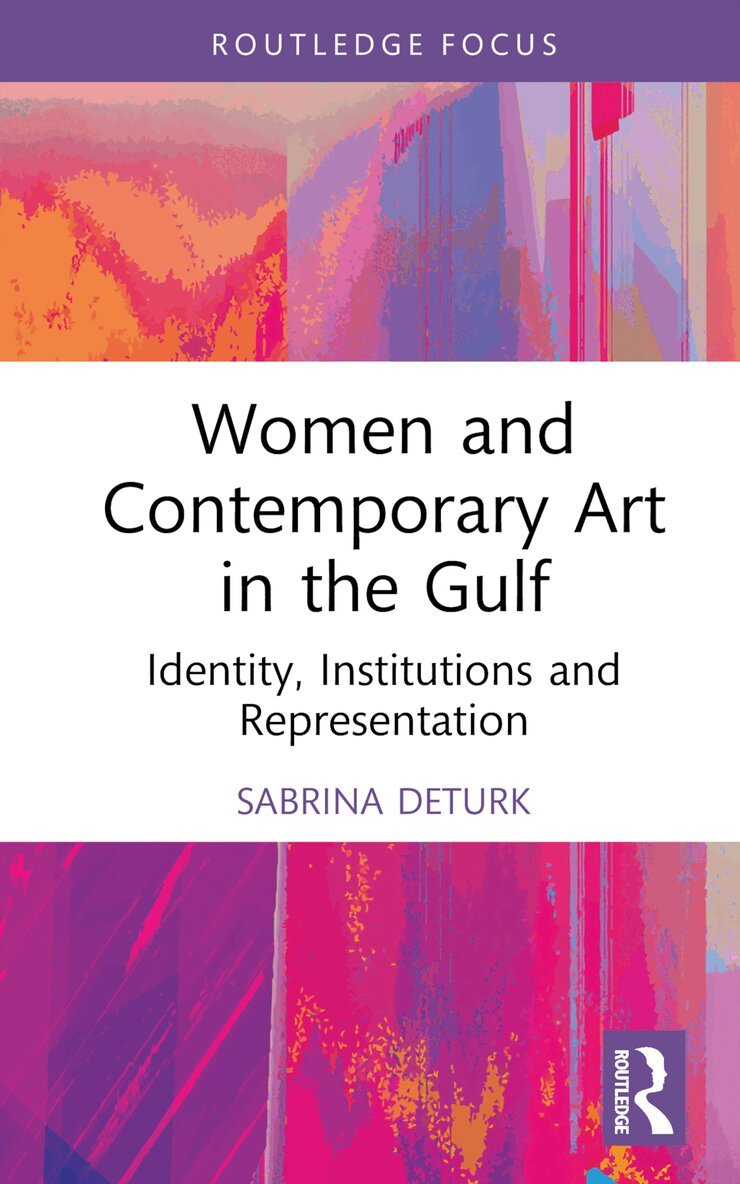
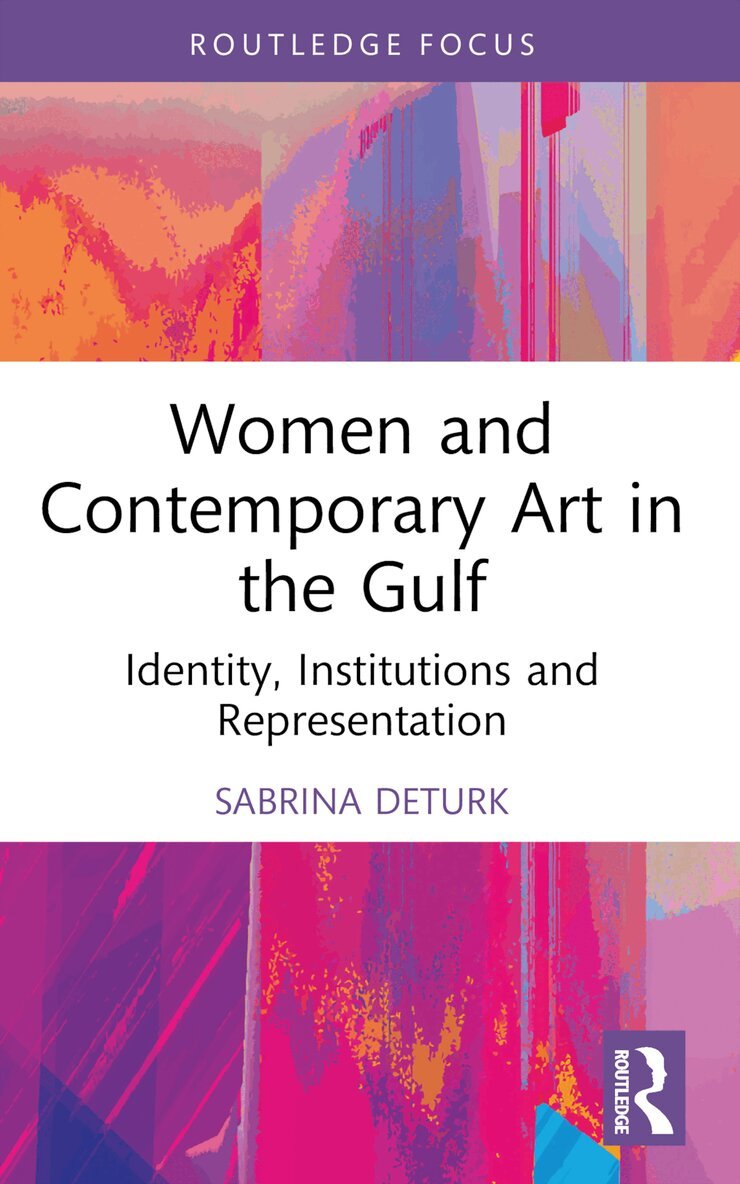
Women and Contemporary Art in the Gulf offers a unique focus on the roles of women in contemporary art, cultural production and arts institutions in the Gulf.Drawing on in-person experiences of the art and sites discussed, as well as research on regional artists and arts institutions, DeTurk argues that the Gulf Cooperation Council (GCC) countries of Bahrain, Kuwait, Oman, Qatar, Saudi Arabia and the United Arab Emirates have been largely excluded from the critical discourse about, and display of, contemporary Middle Eastern art. The book addresses this oversight by providing an examination of the work of several contemporary women artists from the Gulf region. DeTurk also discusses the role of women in museums and cultural institutions in the region, as well as the education systems available to emerging women artists. The discussion and analysis at the heart of the book connect to a range of larger themes, including the visual culture of patriarchy, connection to material culture and heritage, religious beliefs, trade and migration, rapid development, and the need to envision and create a post-oil economy. Women and Contemporary Art in the Gulf, with its examination of the critical role women play in the formation of the cultural landscape of the Gulf, is an important contribution to discourse around the changing role of the GCC. It will be essential reading for scholars and students engaged in the study of art history, visual culture, museums and heritage, and women and gender studies.
Häftad, Engelska, 2024
311 kr
Skickas inom 10-15 vardagar
Women and Contemporary Art in the Gulf offers a unique focus on the roles of women in contemporary art, cultural production and arts institutions in the Gulf.Drawing on in-person experiences of the art and sites discussed, as well as research on regional artists and arts institutions, DeTurk argues that the Gulf Cooperation Council (GCC) countries of Bahrain, Kuwait, Oman, Qatar, Saudi Arabia and the United Arab Emirates have been largely excluded from the critical discourse about, and display of, contemporary Middle Eastern art. The book addresses this oversight by providing an examination of the work of several contemporary women artists from the Gulf region. DeTurk also discusses the role of women in museums and cultural institutions in the region, as well as the education systems available to emerging women artists. The discussion and analysis at the heart of the book connect to a range of larger themes, including the visual culture of patriarchy, connection to material culture and heritage, religious beliefs, trade and migration, rapid development, and the need to envision and create a post-oil economy. Women and Contemporary Art in the Gulf, with its examination of the critical role women play in the formation of the cultural landscape of the Gulf, is an important contribution to discourse around the changing role of the GCC. It will be essential reading for scholars and students engaged in the study of art history, visual culture, museums and heritage, and women and gender studies.
Inbunden, Engelska, 2026
2 375 kr
Kommande
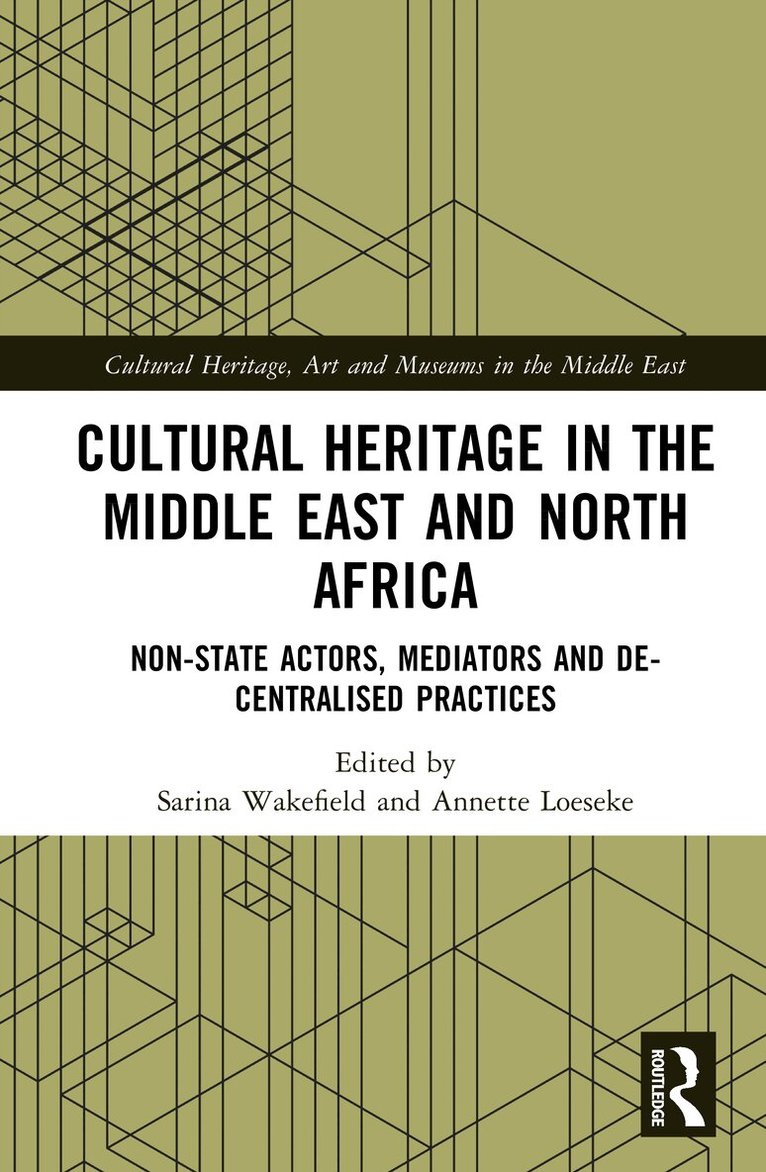
Cultural Heritage in the Middle East and North Africa: Non-state Actors, Mediators and De-centralised Practices explores the politically dynamic, contested and negotiated relationships through which state and non-state actors shape cultural heritage across the MENA region.Moving beyond scholarship that has tended to privilege state institutions and official frameworks, this edited volume foregrounds the central role of non-state actors within increasingly diverse heritage ecosystems.Drawing on case studies from Bahrain, Egypt, Morocco, Saudi Arabia, Syria, Tunisia and the United Arab Emirates, the volume examines how grassroots initiatives, private patrons, art collectors, cultural entrepreneurs and artists complement and reconfigure dominant heritage narratives, and how these practices intersect with broader questions of identity, memory, power and socio-economic change across the region.Situated within broader debates on heritage governance and de-centring methodologies, the volume analyses the tensionsbetween established heritage conventions and locally embedded realities. In doing so, it positions heritage as socially embedded practice shaped through collaboration, dialogue and negotiation among multiple stakeholders, while emphasising the critical role of non-state actors beyond state-sanctioned frameworks.With its focus on non-state actors and complex heritage ecosystems, the volume will be of interest to researchers, academics and students in museum and heritage studies, as well as those working in post-colonial and decolonial scholarship, Middle East and North Africa studies, cultural policy, anthropology, art history and related fields.
Inbunden, Engelska, 2026
2 375 kr
Kommande
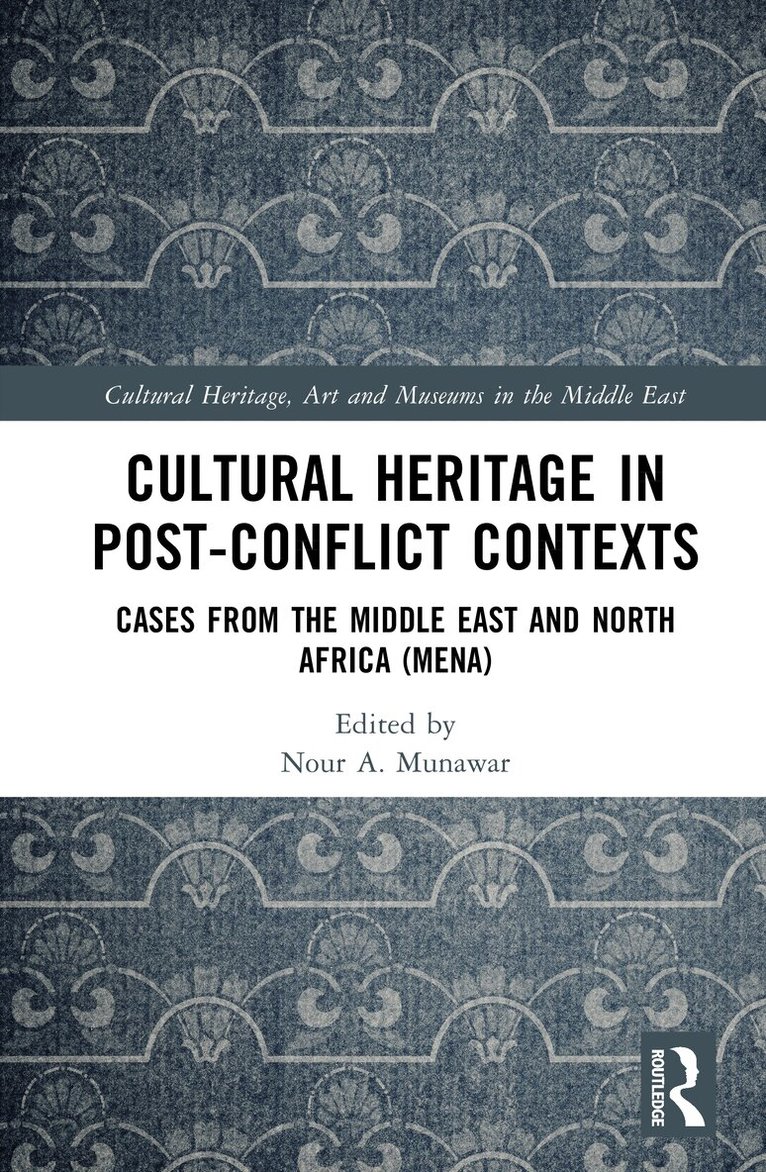
Cultural Heritage in Post-Conflict Contexts confronts the politics and dynamics of cultural heritage in the aftermath of conflict across the Middle East and North Africa (MENA) region, demonstrating that reconstruction is never neutral, recovery is rarely complete, and the past is contested terrain.Drawing on case studies from Palestine, Syria, Libya, Iraq, Iran, and Sudan, contributors interrogate the assumptions that shape post-conflict heritage practice: whose past gets preserved, whose memory is memorialised, and whose communities are consulted — or sidelined — in the process. Chapters examine the affective and therapeutic dimensions of heritage in exile and return; the ethics of reconstruction and digital rebuilding, from Palmyra to al-Raqqa; the role of international actors, from EU policy in Libya to Russian media framing of Syria; and the political weaponisation of heritage evidence itself, including the widespread falsification and erasure of heritage in Palestine. Cultural Heritage in Post□Conflict Contexts challenges the hierarchies inherited from colonial-era heritage frameworks and asks what a decolonial, community-centred practice might look like on the ground.Combining a diverse range of theoretical and empirical perspectives on post-conflict heritage interventions, Cultural Heritage in Post-Conflict Contexts is a critical reckoning with the question that lingers when the dust settles: heritage for whom, and at what cost? The volume appeals for researchers and students in heritage studies, memory studies, museum studies, archaeology, architecture, history, peace and conflict studies, and anthropology.
Häftad, Engelska, 2026
719 kr
Skickas
Museums in Israel After the Holocaust explores the influence of the traumatic events of the Holocaust on the formation of a cultural heritage policy during the foundational years of the State of Israel.Based on primary research, the book offers a new understanding of cultural practices after the Second World War, while analyzing the role of key Jewish cultural representatives who shaped museum collections that emerged during this period. The book investigates the ways Israel has dealt with the complicated history of “heirless” Jewish cultural objects and questions of ownership, by providing a detailed examination of the process of allocation of “heirless” Jewish cultural property handled by two American-Jewish organizations: the Jewish Restitution Successor Organization (JRSO) and the Jewish Cultural Reconstruction (JCR) in the immediate years following the Second World War. The book takes a material culture approach, which explores the meanings and values attached to an object over the course of time and during its transition between different owners.Museums in Israel After the Holocaust is essential reading for academics, students, and professionals working on and interested in Holocaust and Israel studies, art history, material culture studies, museum studies, cultural heritage, and Middle Eastern studies.