Ashgate International Law Series - Böcker
Visar alla böcker i serien Ashgate International Law Series. Handla med fri frakt och snabb leverans.
6 produkter
6 produkter
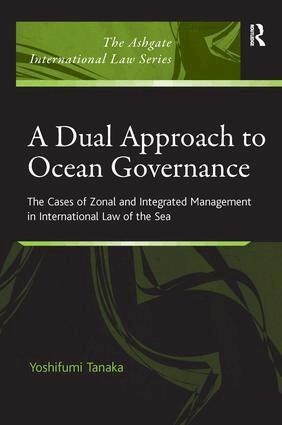
Dual Approach to Ocean Governance
The Cases of Zonal and Integrated Management in International Law of the Sea
Inbunden, Engelska, 2009
2 006 kr
Skickas inom 10-15 vardagar
Taking the North-East Atlantic Ocean as an example of regional practice, this book addresses the dual approach to ocean governance in international law. It examines the interaction between zonal and integrated management approaches and the conservation of marine living resources and marine biological diversity. The study examines the limitations of the traditional zonal approach and suggests new possibilities for conformity between sovereign states, international law and sustainable development.
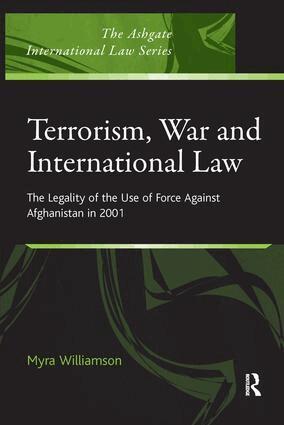
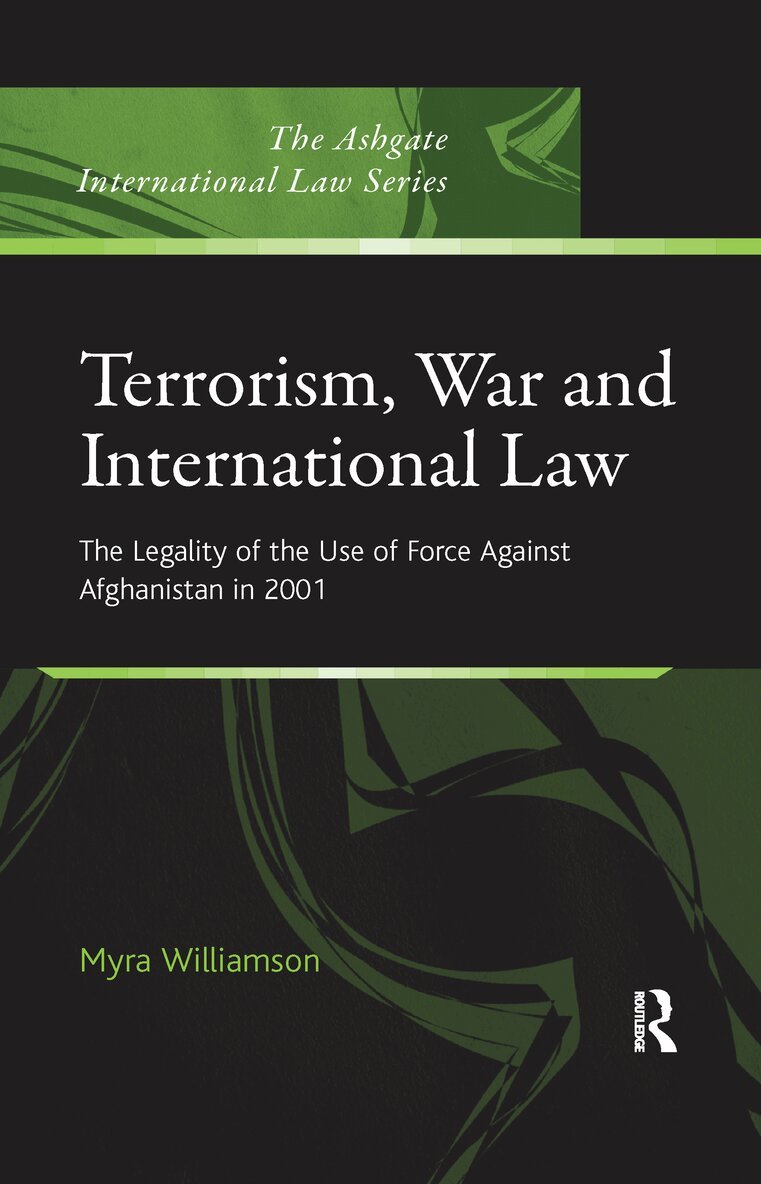
Terrorism, War and International Law
The Legality of the Use of Force Against Afghanistan in 2001
Inbunden, Engelska, 2009
2 006 kr
Skickas inom 10-15 vardagar
This book analyzes the legality of the use of force by the US, the UK and their NATO allies against Afghanistan in 2001. The work challenges the main ground for resorting to force, namely, self-defence under Article 51 of the United Nations' Charter, by examining each element of Article 51 that ought to have been satisfied in order to legitimise the use of force. It also examines the wider context, including comparable Security Council resolutions in historic situations as well as modern instances where force has been used, such as against Iraq in 2003 and against Lebanon in 2006. As well as making the case against the legality of the use of force, the book addresses wider questions such as the meaning of 'terrorism' in international law, the changing nature of conflict in the twentieth and twenty-first centuries including the impact of non-state actors and an overview of terrorism trends as well as the evolution of limitations on the resort to force from the League of Nations through to 2001. The book concludes with some insight into the possible future implications for the use of force by states, particularly when force is purportedly justified on the grounds of self-defence.
456 kr
Skickas inom 10-15 vardagar
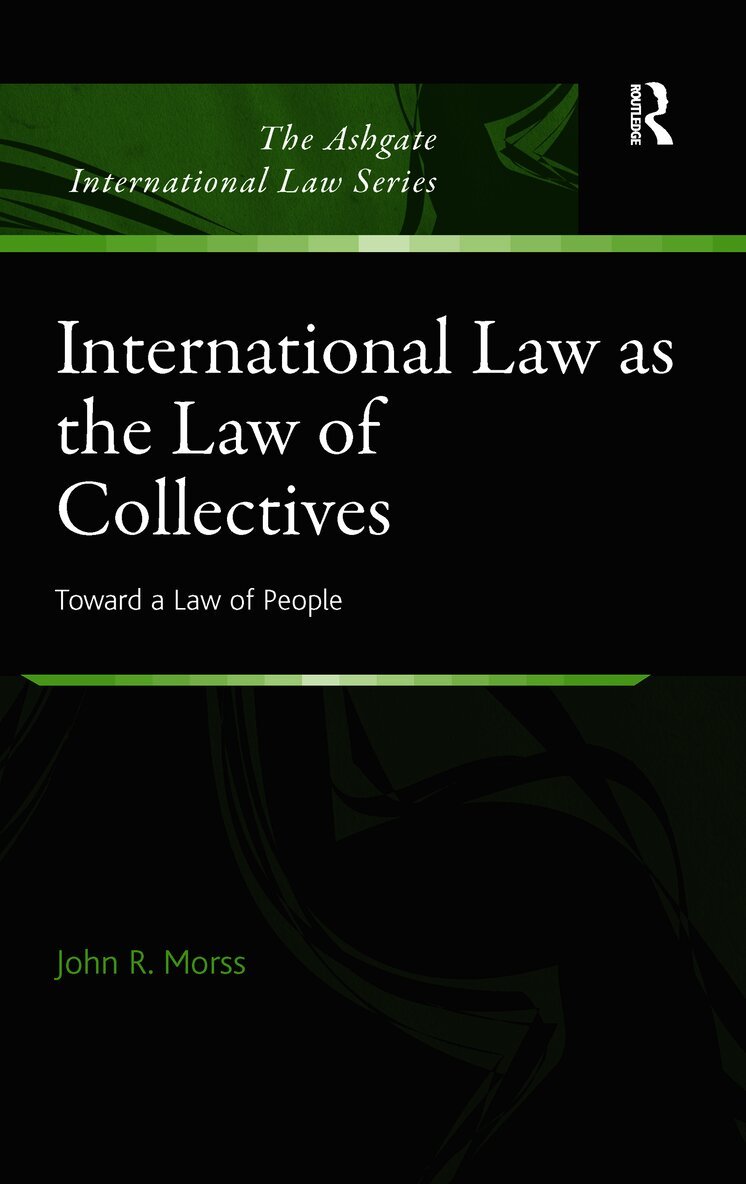
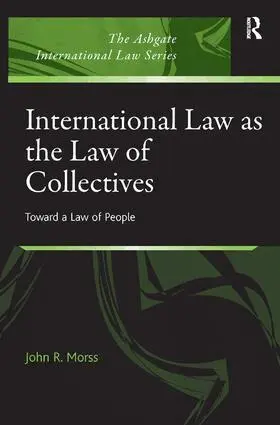
This book is concerned with how we can make sense of the confusing landscape of individualistic explanation in international law. Arguing that international law lacks the vocabulary to deal with the collective dimension and therefore perpetuates an individualistic vocabulary, the book develops and articulates a more appropriate collective approach for public international law. In doing so, it reframes longstanding problems such as the conflict between self-determination and the integrity of states and the effects and the limits of state sovereignty in an increasingly globalized world. Presenting fresh perspectives on a range of contemporary issues in international law, the book draws on the work of major contributors to legal and political theory.
Dual Approach to Ocean Governance
The Cases of Zonal and Integrated Management in International Law of the Sea
Häftad, Engelska, 2016
694 kr
Skickas inom 10-15 vardagar
Taking the North-East Atlantic Ocean as an example of regional practice, this book addresses the dual approach to ocean governance in international law. It examines the interaction between zonal and integrated management approaches and the conservation of marine living resources and marine biological diversity. The study examines the limitations of the traditional zonal approach and suggests new possibilities for conformity between sovereign states, international law and sustainable development.
Terrorism, War and International Law
The Legality of the Use of Force Against Afghanistan in 2001
Häftad, Engelska, 2016
777 kr
Skickas inom 10-15 vardagar
This book analyzes the legality of the use of force by the US, the UK and their NATO allies against Afghanistan in 2001. The work challenges the main ground for resorting to force, namely, self-defence under Article 51 of the United Nations' Charter, by examining each element of Article 51 that ought to have been satisfied in order to legitimise the use of force. It also examines the wider context, including comparable Security Council resolutions in historic situations as well as modern instances where force has been used, such as against Iraq in 2003 and against Lebanon in 2006. As well as making the case against the legality of the use of force, the book addresses wider questions such as the meaning of 'terrorism' in international law, the changing nature of conflict in the twentieth and twenty-first centuries including the impact of non-state actors and an overview of terrorism trends as well as the evolution of limitations on the resort to force from the League of Nations through to 2001. The book concludes with some insight into the possible future implications for the use of force by states, particularly when force is purportedly justified on the grounds of self-defence.
1 319 kr
Skickas inom 10-15 vardagar
This book is concerned with how we can make sense of the confusing landscape of individualistic explanation in international law. Arguing that international law lacks the vocabulary to deal with the collective dimension and therefore perpetuates an individualistic vocabulary, the book develops and articulates a more appropriate collective approach for public international law. In doing so, it reframes longstanding problems such as the conflict between self-determination and the integrity of states and the effects and the limits of state sovereignty in an increasingly globalized world. Presenting fresh perspectives on a range of contemporary issues in international law, the book draws on the work of major contributors to legal and political theory.