Atelier Éditions – serie
Visar alla böcker i serien Atelier Éditions. Handla med fri frakt och snabb leverans.
8 produkter
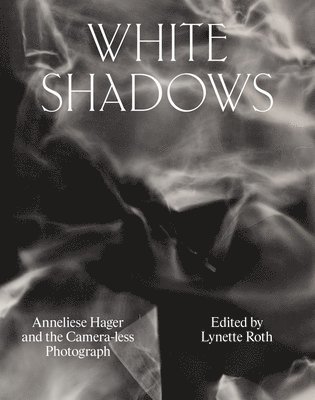
White Shadows: Anneliese Hager and the Camera-less Photograph
Av Lynette Roth
Inbunden, 2026
523 kr
Lägg i varukorg
An unprecedented delve into the dazzling, inventive and long-overlooked Surrealist photograms and poetry of Anneliese HagerThis publication introduces the untold story of German artist and poet Anneliese Hager. Active from the 1930s to the 1960s, Hager began her photographic experimentation in …
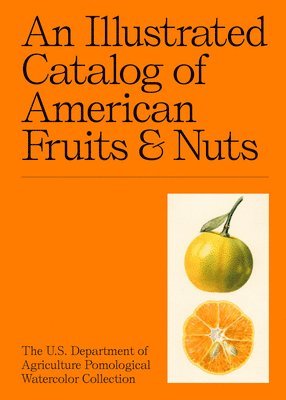
Illustrated Catalog of American Fruits & Nuts
The U.S. Department of Agriculture Pomological Watercolor Collection
Inbunden, 2021
509 kr
Lägg i varukorg
A kaleidoscopic celebration of the USDA’s pomological collection, offering an engaging, biophillic meditation upon the sweetest of the earth’s produceThe United States Department of Agriculture Pomological Watercolor Collection encompasses 7,497 botanical watercolor paintings of evolving fruit and …
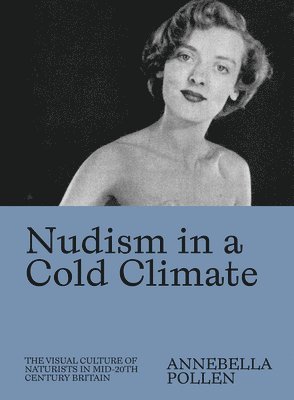
Nudism in a Cold Climate
The Visual Culture of Naturists in Mid-20th Century Britain
Häftad, 2022
304 kr
Lägg i varukorg
A fascinating glimpse into an experimental British nudist culture that radically challenged and transformed conventional attitudes to bodies and their representationsThis richly illustrated volume examines the idiosyncratic phenomenon of social nudism in mid-20th-century Britain, an island nation …
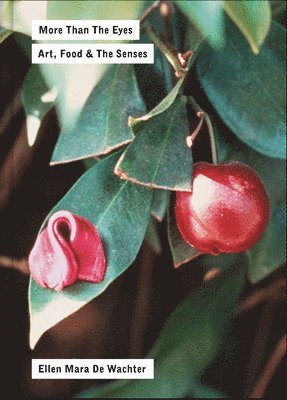
More Than the Eyes
Art, Food and the Senses
Av Ellen Mara De Wachter, Ellen Mara De Wachter m. fl.
Häftad, 2025
396 kr
Lägg i varukorg
Food as social ritual, personal liberation and spiritual alchemy: from Alison Knowles and Adrian Piper to Agnes Denes and Andy WarholIn More Than the Eyes, writer Ellen Mara De Wachter considers the ways in which food, when used as a material in contemporary art, confronts, subverts and ultimately …
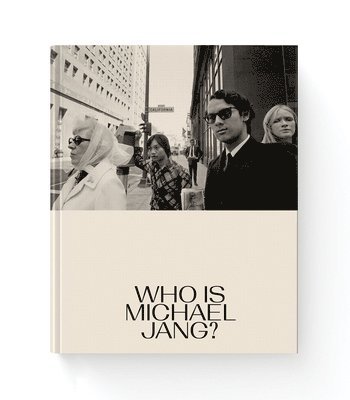
Michael Jang
Who is Michael Jang?
Inbunden, 2019
673 kr
Tillfälligt slut
San Francisco based photographer Michael Jang spent nearly four decades working as a successful commercial portrait photographer. Unbeknownst to the world, however, he was simultaneously assembling a vast archive of thousands of remarkable images documenting, variously: college days, Hollywood …
John Cage: A Mycological Foray
Häftad, 2020
558 kr
Tillfälligt slut
Foraging for mushrooms with John Cage: writing, art, photography and ephemera from an idiosyncratic chapter in the composer's lifeImagined as an extended mushroom-foraging expedition, John Cage: A Mycological Foray gathers together Cage’s mushroom-themed compositions, photographs, illustrations and …
Why I Make Art: Contemporary Artists' Stories About Life & Work
From the Sound & Vision Podcast by Brian Alfred
Häftad, 2022
245 kr
Tillfälligt slut
Thirty illuminating profiles of working artists sharing the influences and experiences that inspire them to create art in America todayThis compelling volume explores the practices and life stories of artists across multiple mediums, including painting, photography, sculpture and land art. Offering …
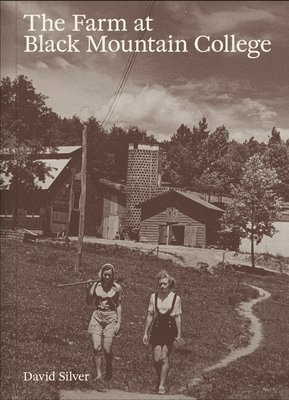
Farm at Black Mountain College
Häftad, 2025
361 kr
Tillfälligt slut
A record of the rise and fall of the BMC farm that foregrounds the voices of a new cast of characters Black Mountain College (BMC) was a wellspring of 20th-century creative unorthodoxy. From its founding in 1933 and over its celebrated 23-year history, the small liberal arts school in rural North …