Carework in a Changing World – serie
Visar alla böcker i serien Carework in a Changing World. Handla med fri frakt och snabb leverans.
11 produkter
11 produkter
Häftad, Engelska, 2025
347 kr
Skickas inom 5-8 vardagar
Who cares for parental caregivers? The short answer is, parenting groups do. Who Cares for Parents examines how parenting groups collectively build and contribute significant resources to form a broader care infrastructure for adult family caregivers with children. This book looks at the content of care parenting groups provide for parents, through comparative research including mothers, fathers, and nonbinary parents. Cases include some of the most recognizable parenting groups in the United States, some with vast networks of parent members numbering in the thousands or even millions, like the Parent Teacher Association, La Leche League, and MOMS Club International. The book also examines newer and, perhaps, less well known groups like the City Dads Group, the Upper East Side (UES) Mommas, as well as smaller sets of local dads' groups and a babysitting co-op.Can parents in the contemporary United States secure some of the necessary resources to provide care, not only for their children but also for themselves, through parenting groups? The evidence from this research suggests they can. Parenting groups have a long history of organizing membership, meetings, education, material resources, and advocacy to provide for parents' needs. Parenting groups' ideologies and practices often seek broad goals, and sometimes include far reaching advocacy, innovative solutions, and possibilities for what Price-Glynn calls strategic parenting and social change. Alongside their successes, however, parenting groups also face challenges of producing narrow and temporary alliances, exclusion, and exacerbating inequalities. Despite their many challenges, Price-Glynn remains hopeful about the possibilities for non-familial and collective care infrastructure like that performed by parent groups.
Inbunden, Engelska, 2025
1 312 kr
Skickas inom 5-8 vardagar
Who cares for parental caregivers? The short answer is, parenting groups do. Who Cares for Parents examines how parenting groups collectively build and contribute significant resources to form a broader care infrastructure for adult family caregivers with children. This book looks at the content of care parenting groups provide for parents, through comparative research including mothers, fathers, and nonbinary parents. Cases include some of the most recognizable parenting groups in the United States, some with vast networks of parent members numbering in the thousands or even millions, like the Parent Teacher Association, La Leche League, and MOMS Club International. The book also examines newer and, perhaps, less well known groups like the City Dads Group, the Upper East Side (UES) Mommas, as well as smaller sets of local dads' groups and a babysitting co-op.Can parents in the contemporary United States secure some of the necessary resources to provide care, not only for their children but also for themselves, through parenting groups? The evidence from this research suggests they can. Parenting groups have a long history of organizing membership, meetings, education, material resources, and advocacy to provide for parents' needs. Parenting groups' ideologies and practices often seek broad goals, and sometimes include far reaching advocacy, innovative solutions, and possibilities for what Price-Glynn calls strategic parenting and social change. Alongside their successes, however, parenting groups also face challenges of producing narrow and temporary alliances, exclusion, and exacerbating inequalities. Despite their many challenges, Price-Glynn remains hopeful about the possibilities for non-familial and collective care infrastructure like that performed by parent groups.
Häftad, Engelska, 2023
385 kr
Skickas inom 5-8 vardagar
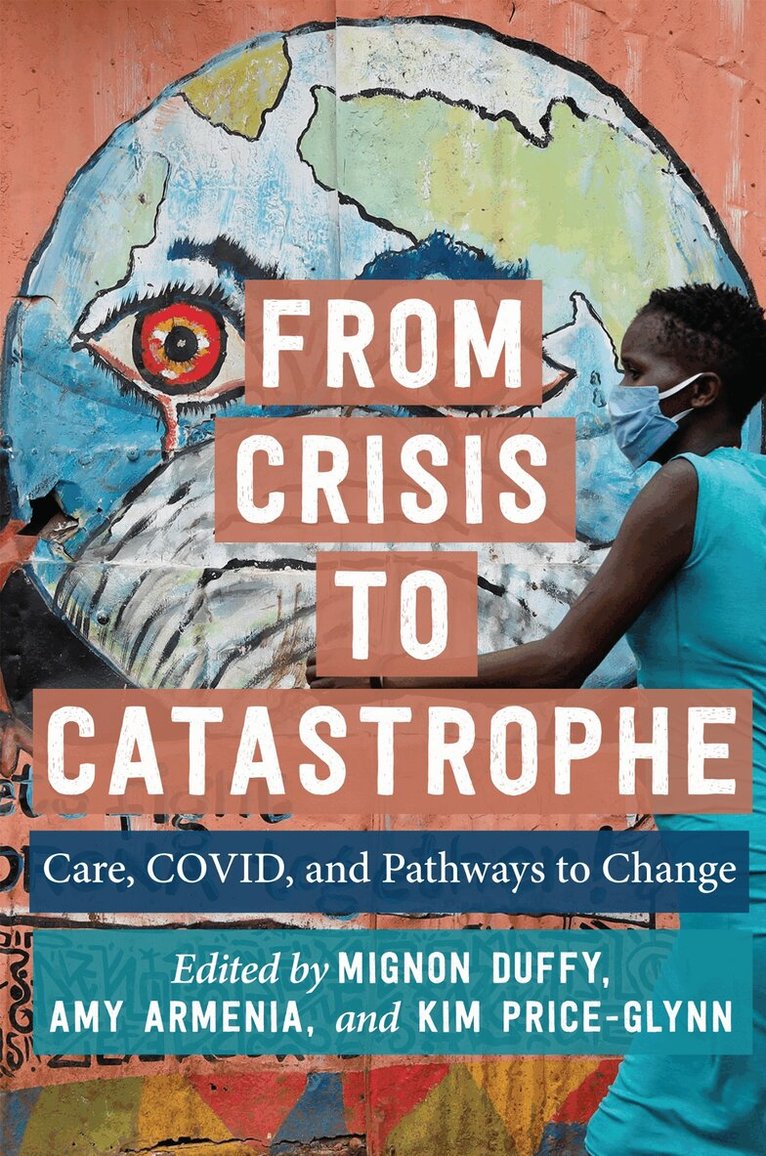
The COVID pandemic has shaken the material and social foundations of the world more than any event in recent history and has highlighted and exacerbated a longstanding crisis of care. While these challenges may be freshly visible to the public, they are not new. Over the last three decades, a growing body of care scholarship has documented the inadequacy of the social organization of care around the world, and the effect of the devaluation of care on workers, families, and communities. In this volume, a diverse group of care scholars bring their expertise to bear on this recent crisis. In doing so, they consider the ways in which the existing social organization of care in different countries around the globe amplified or mitigated the impact of COVID. They also explore the global pandemic's impact on the conditions of care and its role in exacerbating deeply rooted gender, race, migration, disability, and other forms of inequality.
Häftad, Engelska, 2023
385 kr
Skickas inom 5-8 vardagar
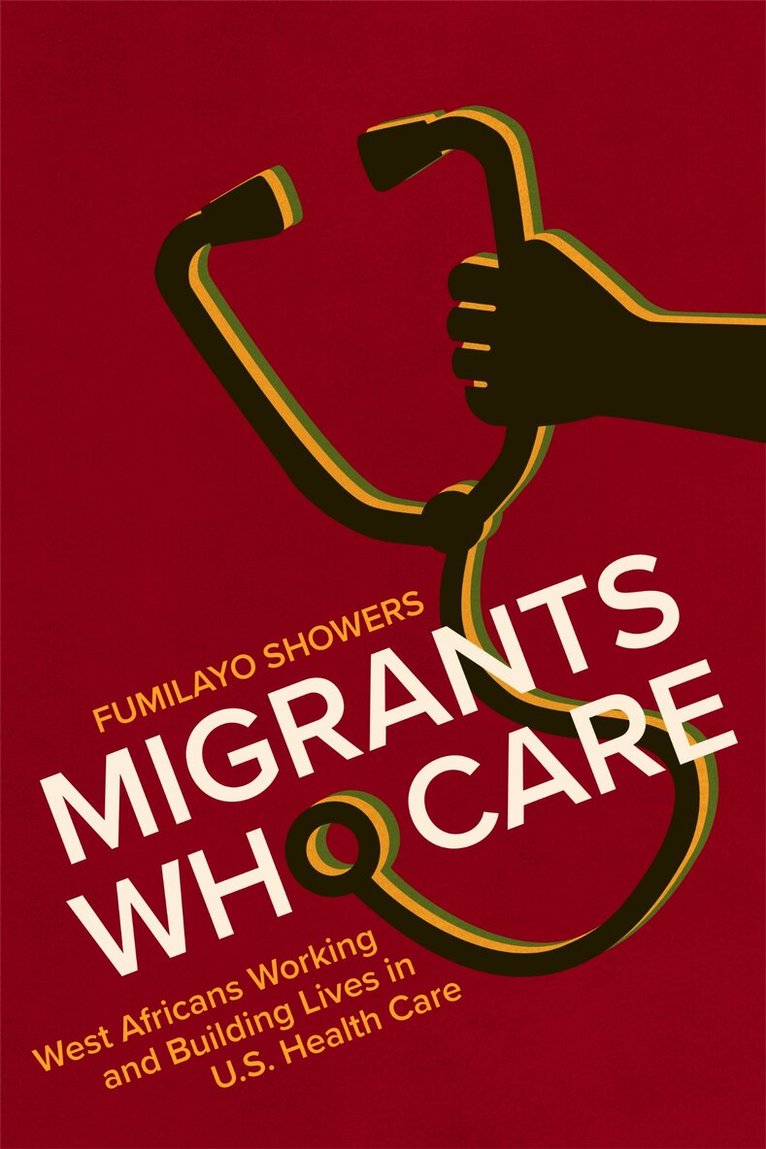
As the U.S. population ages and as health care needs become more complex, demand for paid care workers in home and institutional settings has increased. This book draws attention to the reserve of immigrant labor that is called on to meet this need. Migrants Who Care tells the little-known story of a group of English-speaking West African immigrants who have become central to the U.S. health and long-term care systems. With high human capital and middle-class pre-migration backgrounds, these immigrants - hailing from countries as diverse as Cameroon, Sierra Leone, Ghana, Nigeria, and Liberia - encounter blocked opportunities in the U.S. labor market. They then work in the United States, as home health aides, certified nursing assistants, qualified disability support professionals, and licensed practical and registered nurses.This book reveals the global, political, social, and economic factors that have facilitated the entry of West African women and men into the health care labor force (home and institutional care for older adults and individuals with physical and intellectual disabilities; and skilled nursing). It highlights these immigrants’ role as labor brokers who tap into their local ethnic and immigrant communities to channel co-ethnics to meet this labor demand. It illustrates how West African care workers understand their work across various occupational settings and segments in the health care industry. This book reveals the transformative processes migrants undergo as they become produced, repackaged, and deployed as health care workers after migration.Ultimately, this book tells the very real and human story of an immigrant group surmounting tremendous obstacles to carve out a labor market niche in health care, providing some of the most essential and intimate aspects of care labor to the most vulnerable members of society.
Inbunden, Engelska, 2023
1 687 kr
Skickas inom 5-8 vardagar
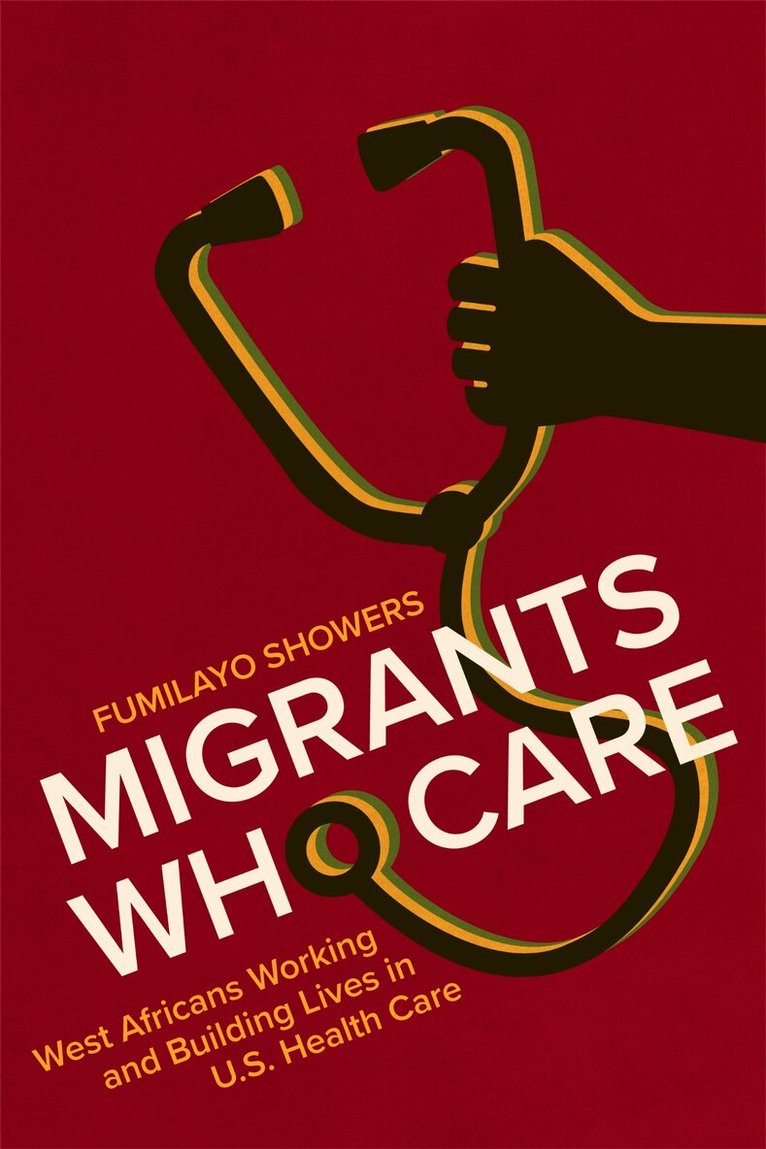
As the U.S. population ages and as health care needs become more complex, demand for paid care workers in home and institutional settings has increased. This book draws attention to the reserve of immigrant labor that is called on to meet this need. Migrants Who Care tells the little-known story of a group of English-speaking West African immigrants who have become central to the U.S. health and long-term care systems. With high human capital and middle-class pre-migration backgrounds, these immigrants - hailing from countries as diverse as Cameroon, Sierra Leone, Ghana, Nigeria, and Liberia - encounter blocked opportunities in the U.S. labor market. They then work in the United States, as home health aides, certified nursing assistants, qualified disability support professionals, and licensed practical and registered nurses.This book reveals the global, political, social, and economic factors that have facilitated the entry of West African women and men into the health care labor force (home and institutional care for older adults and individuals with physical and intellectual disabilities; and skilled nursing). It highlights these immigrants’ role as labor brokers who tap into their local ethnic and immigrant communities to channel co-ethnics to meet this labor demand. It illustrates how West African care workers understand their work across various occupational settings and segments in the health care industry. This book reveals the transformative processes migrants undergo as they become produced, repackaged, and deployed as health care workers after migration.Ultimately, this book tells the very real and human story of an immigrant group surmounting tremendous obstacles to carve out a labor market niche in health care, providing some of the most essential and intimate aspects of care labor to the most vulnerable members of society.
Häftad, Engelska, 2024
329 kr
Skickas inom 5-8 vardagar
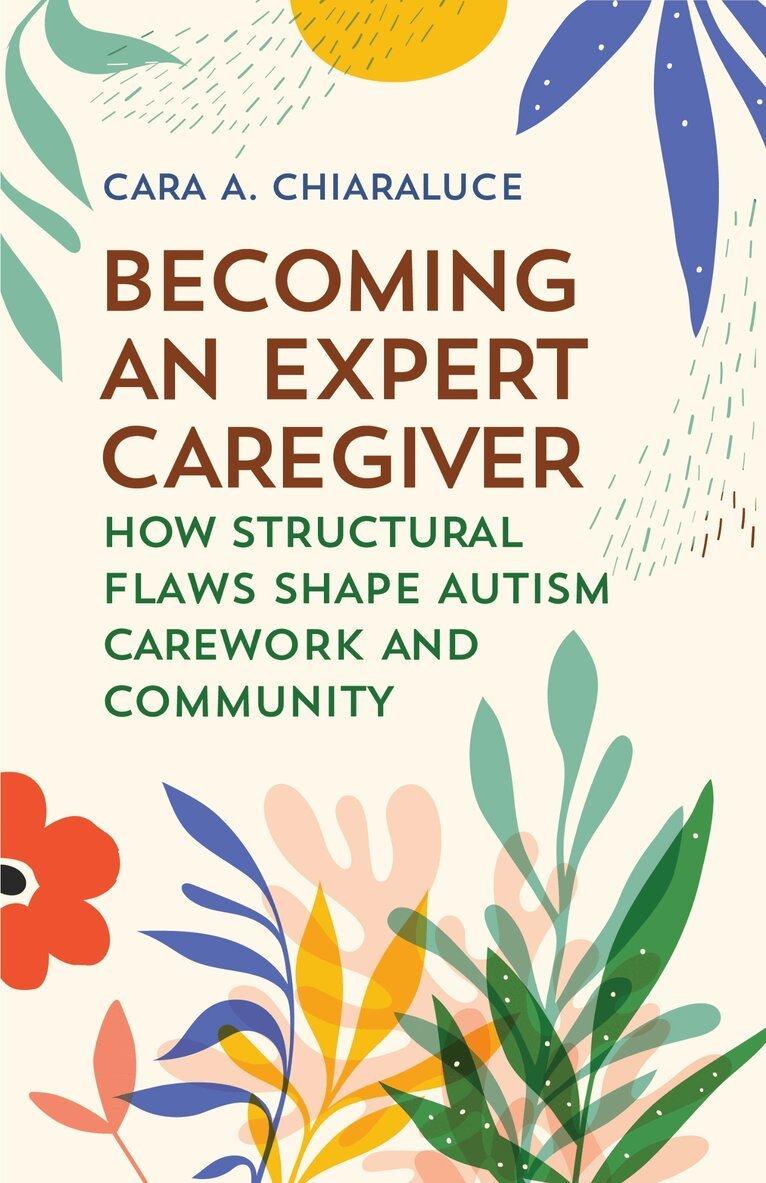
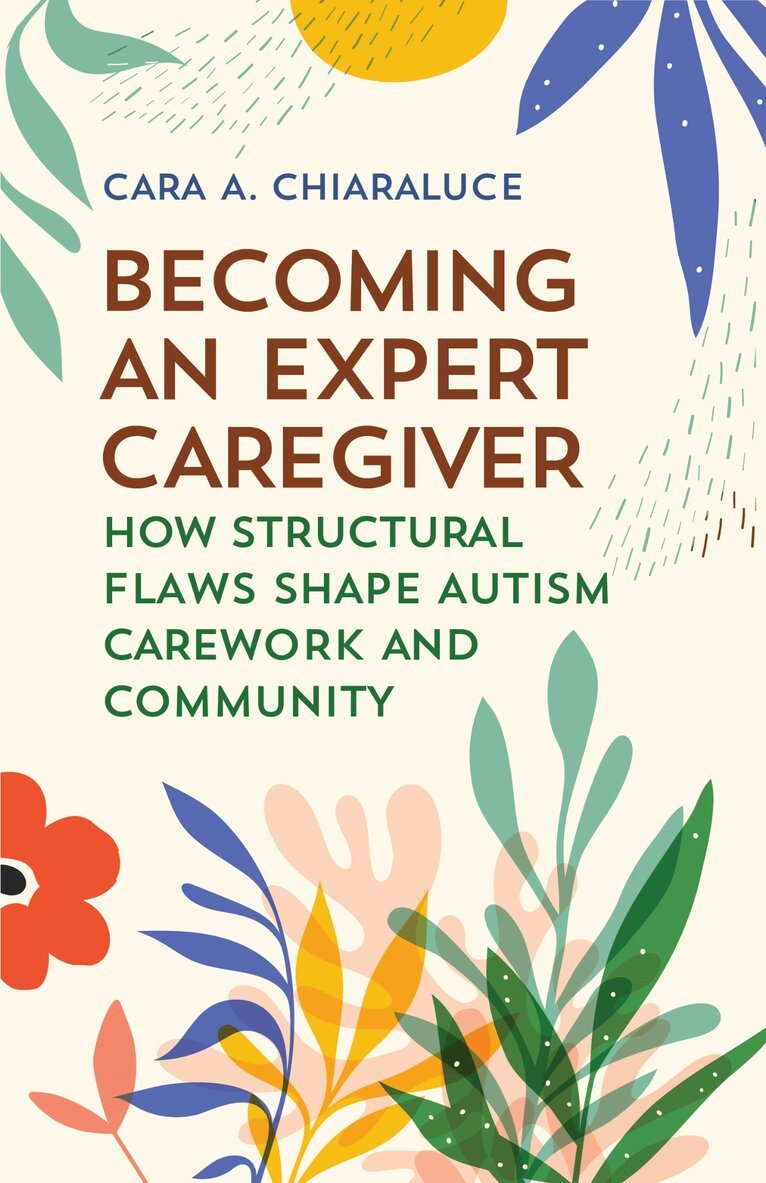
“The hardest thing is dealing with the rest of the world. And we kind of accommodate our lives around that. But the rest of the world doesn’t.” These poignant words were spoken by Charlotte, a mother and primary caregiver of a five-year-old autistic boy, and her words reference the structural arrangements of our world that shape autism carework today. This book features the voices of fifty primary caregivers of autistic and neurodivergent children who illuminate the process through which laywomen become expert caregivers to provide the best care for their children. Expert caregiving captures an intensification of traditional family carework – meeting dependents’ financial, emotional, and physical needs – that transcends the walls of one’s private home and family and challenges the strict boundaries between many worlds: lay and professional, family and work, private and public, medical and social, and individual and society. The process of becoming an expert caregiver spotlights several interesting paradoxes in sociological literature, particularly regarding gender, family, and medicalization, and often forgotten structural flaws in “the rest of the world.” Throughout the chapters in this book, the expert caregiver is one person who faces unbelievably daunting tasks of filling or reforming persistent institutional gaps, primarily in education and health care, and subverting ableist cultural norms. Without institutional support, answers to their questions, or pragmatic avenues to access resources, lay caregivers become the experts. Their trials and tribulations, especially when navigating the boundaries of professional/lay and private/public worlds, illuminate a type of carework that is increasingly relevant to a growing number of young families caring for neurodivergent, disabled, medically fragile, and/or chronically ill children. These stories offer a vivid picture of the often invisible complex challenges and structural forces that drive individuals to become expert caregivers in the first place.
Inbunden, Engelska, 2024
1 407 kr
Skickas inom 5-8 vardagar
“The hardest thing is dealing with the rest of the world. And we kind of accommodate our lives around that. But the rest of the world doesn’t.” These poignant words were spoken by Charlotte, a mother and primary caregiver of a five-year-old autistic boy, and her words reference the structural arrangements of our world that shape autism carework today. This book features the voices of fifty primary caregivers of autistic and neurodivergent children who illuminate the process through which laywomen become expert caregivers to provide the best care for their children. Expert caregiving captures an intensification of traditional family carework – meeting dependents’ financial, emotional, and physical needs – that transcends the walls of one’s private home and family and challenges the strict boundaries between many worlds: lay and professional, family and work, private and public, medical and social, and individual and society. The process of becoming an expert caregiver spotlights several interesting paradoxes in sociological literature, particularly regarding gender, family, and medicalization, and often forgotten structural flaws in “the rest of the world.” Throughout the chapters in this book, the expert caregiver is one person who faces unbelievably daunting tasks of filling or reforming persistent institutional gaps, primarily in education and health care, and subverting ableist cultural norms. Without institutional support, answers to their questions, or pragmatic avenues to access resources, lay caregivers become the experts. Their trials and tribulations, especially when navigating the boundaries of professional/lay and private/public worlds, illuminate a type of carework that is increasingly relevant to a growing number of young families caring for neurodivergent, disabled, medically fragile, and/or chronically ill children. These stories offer a vivid picture of the often invisible complex challenges and structural forces that drive individuals to become expert caregivers in the first place.
Häftad, Engelska, 2024
413 kr
Skickas inom 5-8 vardagar
Care ethics first emerged as an attempt to decenter ethics; feminist scholars like Carol Gilligan argued that women’s moral experiences were not reflected in the dominant, masculinist approaches to ethics, which were centered on a rational, disembodied, atomistic moral subject. Care ethics challenged this model by positing ethics as relational, contextualized, embodied, and realized through practices rather than principles. Over the past decades, many care ethics scholars have sought to further this project by considering care politically and epistemologically, in relation to various intersecting hierarchies of power and knowledge.This book advances this project by discussing the ways care ethics contributes to the decentering of dominant epistemologies and to the challenging of privilege and by considering how to decenter care ethics itself via an encounter with non-Western philosophical traditions and alternative epistemologies. Written by scholars from different countries, disciplines, and intellectual traditions, the volume offers original care ethics contributions on epistemic injustice, privileged irresponsibility, ecofeminism, settler colonialism, social movements such as BLM, and various racialized and gendered inequities tied to care work.
Inbunden, Engelska, 2024
1 463 kr
Skickas inom 5-8 vardagar
Care ethics first emerged as an attempt to decenter ethics; feminist scholars like Carol Gilligan argued that women’s moral experiences were not reflected in the dominant, masculinist approaches to ethics, which were centered on a rational, disembodied, atomistic moral subject. Care ethics challenged this model by positing ethics as relational, contextualized, embodied, and realized through practices rather than principles. Over the past decades, many care ethics scholars have sought to further this project by considering care politically and epistemologically, in relation to various intersecting hierarchies of power and knowledge.This book advances this project by discussing the ways care ethics contributes to the decentering of dominant epistemologies and to the challenging of privilege and by considering how to decenter care ethics itself via an encounter with non-Western philosophical traditions and alternative epistemologies. Written by scholars from different countries, disciplines, and intellectual traditions, the volume offers original care ethics contributions on epistemic injustice, privileged irresponsibility, ecofeminism, settler colonialism, social movements such as BLM, and various racialized and gendered inequities tied to care work.
Häftad, Engelska, 2026
327 kr
Skickas
Health care workers are burned out. Health care leaders know that workers are burned out but do not yet have the right tools to fix the problem. Called to Care? argues that we can mitigate burnout by examining what is most meaningful about health care work. Using interviews and observation of a wide range of health care workers, Cain shows that workers who care for our most vulnerable adults find their work to be meaningful when they are able to connect to the work and make progress on something that matters. In most cases, these meaningful experiences are also consistent with better care for patients. And yet organizational practices, policy environments, and cultural meanings get in the way of meaningful work, creating burnout. But it doesn't have to be this way. Called to Care? illustrates that workplaces can and should align meaningful work experiences with quality care for patients.
Inbunden, Engelska, 2026
1 351 kr
Skickas inom 5-8 vardagar
Health care workers are burned out. Health care leaders know that workers are burned out but do not yet have the right tools to fix the problem. Called to Care? argues that we can mitigate burnout by examining what is most meaningful about health care work. Using interviews and observation of a wide range of health care workers, Cain shows that workers who care for our most vulnerable adults find their work to be meaningful when they are able to connect to the work and make progress on something that matters. In most cases, these meaningful experiences are also consistent with better care for patients. And yet organizational practices, policy environments, and cultural meanings get in the way of meaningful work, creating burnout. But it doesn't have to be this way. Called to Care? illustrates that workplaces can and should align meaningful work experiences with quality care for patients.