Civil War Campaigns in the West – serie
Visar alla böcker i serien Civil War Campaigns in the West. Handla med fri frakt och snabb leverans.
5 produkter
5 produkter
Inbunden, Engelska, 2020
337 kr
Skickas
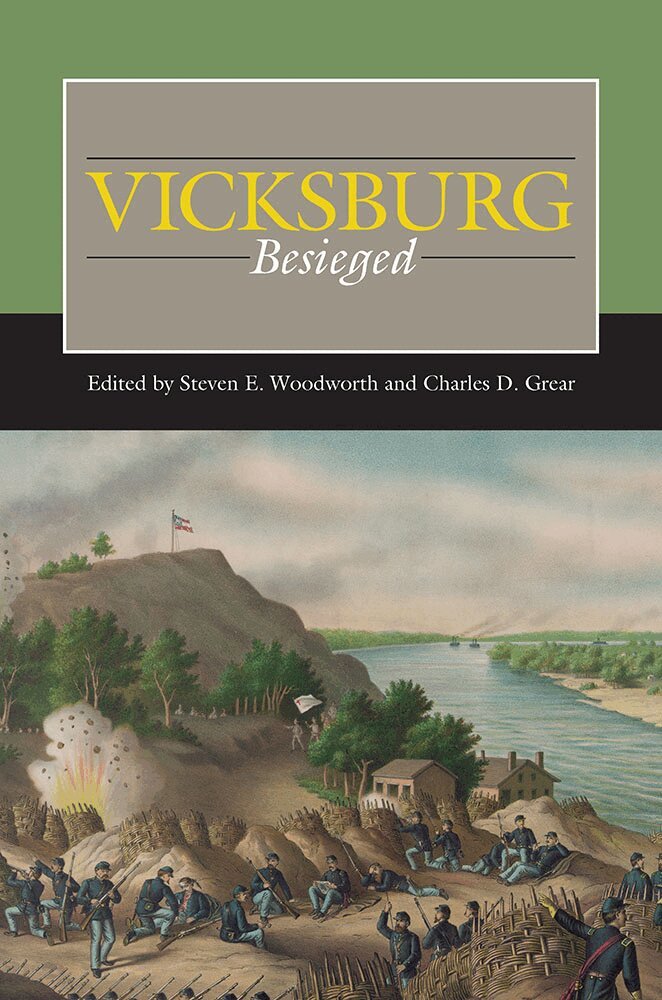
A detailed analysis of the end of the Vicksburg Campaign and the forty-day siegeVicksburg, Mississippi, held strong through a bitter, hard-fought, months-long Civil War campaign, but General Ulysses S. Grant’s forty-day siege ended the stalemate and, on July 4, 1863, destroyed Confederate control of the Mississippi River. In the first anthology to examine the Vicksburg Campaign’s final phase, nine prominent historians and emerging scholars provide in-depth analysis of previously unexamined aspects of the historic siege.Ranging in scope from military to social history, the contributors’ invitingly written essays examine the role of Grant’s staff, the critical contributions of African American troops to the Union Army of the Tennessee, both sides’ use of sharpshooters and soldiers’ opinions about them, unusual nighttime activities between the Union siege lines and Confederate defensive positions, the use of West Point siege theory and the ingenuity of Midwestern soldiers in mining tunnels under the city’s defenses, the horrific experiences of civilians trapped in Vicksburg, the failure of Louisiana soldiers’ defense at the subsequent siege of Jackson, and the effect of the campaign on Confederate soldiers from the Trans-Mississippi region.The contributors explore how the Confederate Army of Mississippi and residents of Vicksburg faced food and supply shortages as well as constant danger from Union cannons and sharpshooters. Rebel troops under the leadership of General John C. Pemberton sought to stave off the Union soldiers, and though their morale plummeted, the besieged soldiers held their ground until starvation set in. Their surrender meant that Grant’s forces succeeded in splitting in half the Confederate States of America.Editors Steven E. Woodworth and Charles D. Grear, along with their contributors—Andrew S. Bledsoe, John J. Gaines, Martin J. Hershock, Richard H. Holloway, Justin S. Solonick, Scott L. Stabler, and Jonathan M. Steplyk—give a rare glimpse into the often overlooked operations at the end of the most important campaign of the Civil War.
Häftad, Engelska, 2026
250 kr
Skickas
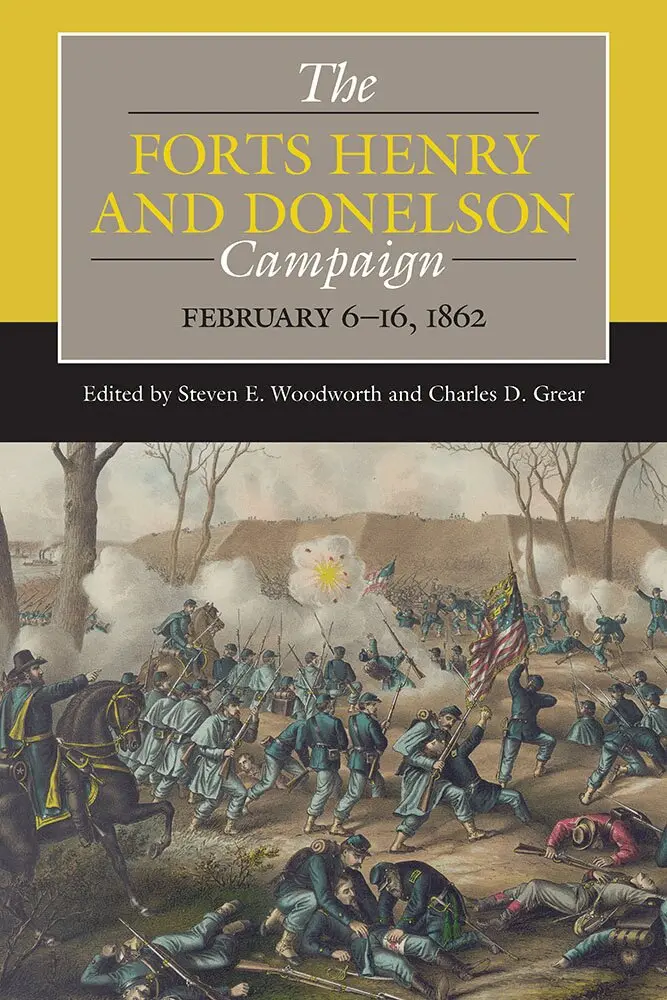
New perspectives on the battles that opened the Confederacy to invasionIn early 1862, the Civil War had been raging for almost ten months, and the Confederacy had enjoyed virtually uninterrupted success. From seizing federal property to early battlefield victories, Southern forces had effectively expelled Union authority from nearly all of the Confederacy's eleven states. The Union suffered repeated setbacks, while modest victories in western Virginia and Kentucky had little strategic impact. By the end of February, however, much had changed.On February 6, Union gunboats under the joint command of Brigadier General Ulysses S. Grant and Flag Officer Andrew H. Foote captured Fort Henry on the Tennessee River, opening a crucial waterway into the Confederacy. Just days later, Grant moved against Fort Donelson on the Cumberland River. After several days of fighting, the fort surrendered on the 16th, along with more than 13,000 Confederate troops—the largest surrender in US history to that point. These twin victories shattered Confederate control of Kentucky and western Tennessee, allowing Federal soldiers and sailors to use the rivers to threaten the Confederacy's interior. This first major strategic breakthrough of the war signaled a dramatic shift in momentum and elevated Grant's national profile.In this essay collection, leading and emerging scholars provide in-depth analyses of previously overlooked aspects of the Forts Henry and Donelson campaign. Contributors examine how ecological forces influenced the campaign, the effectiveness of the joint command between the Union army and navy, and Union brigadier general Charles F. Smith's assault that doomed Fort Donelson. They also explore the battle's impact on the military career of Nathan Bedford Forrest, the effects of surprise during the Confederate breakout attempt from Fort Donelson, Confederate colonel Gabriel Wharton's memoir, and how the loss of the forts showed Texans that the fight to preserve the enslaved South would cost them more than they had imagined.In the aftermath of the Forts Henry and Donelson campaign, most of the Civil War still lay ahead. The Confederacy would have many opportunities to regain its momentum and exhaust the Union will to prevail. However, with a few key exceptions, for the rest of the war, the Confederacy fought to defend itself rather than to take new territory. It was in this massive shift of momentum during ten days in 1862 that the war's military outcome was foreshadowed.
Inbunden, Engelska, 2026
544 kr
Skickas inom 11-20 vardagar
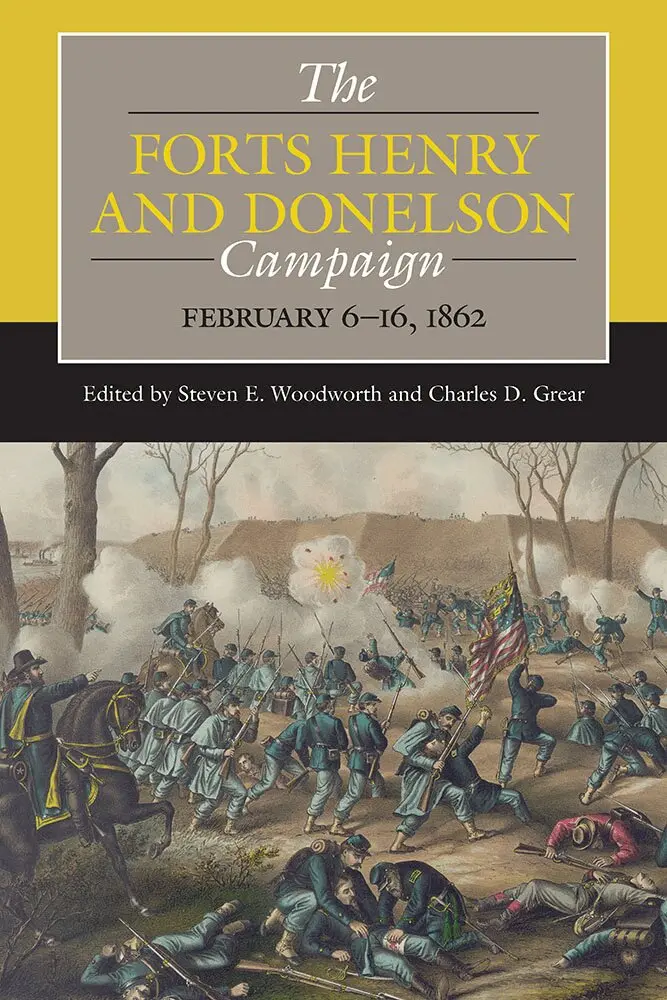
New perspectives on the battles that opened the Confederacy to invasionIn early 1862, the Civil War had been raging for almost ten months, and the Confederacy had enjoyed virtually uninterrupted success. From seizing federal property to early battlefield victories, Southern forces had effectively expelled Union authority from nearly all of the Confederacy's eleven states. The Union suffered repeated setbacks, while modest victories in western Virginia and Kentucky had little strategic impact. By the end of February, however, much had changed.On February 6, Union gunboats under the joint command of Brigadier General Ulysses S. Grant and Flag Officer Andrew H. Foote captured Fort Henry on the Tennessee River, opening a crucial waterway into the Confederacy. Just days later, Grant moved against Fort Donelson on the Cumberland River. After several days of fighting, the fort surrendered on the 16th, along with more than 13,000 Confederate troops—the largest surrender in US history to that point. These twin victories shattered Confederate control of Kentucky and western Tennessee, allowing Federal soldiers and sailors to use the rivers to threaten the Confederacy's interior. This first major strategic breakthrough of the war signaled a dramatic shift in momentum and elevated Grant's national profile.In this essay collection, leading and emerging scholars provide in-depth analyses of previously overlooked aspects of the Forts Henry and Donelson campaign. Contributors examine how ecological forces influenced the campaign, the effectiveness of the joint command between the Union army and navy, and Union brigadier general Charles F. Smith's assault that doomed Fort Donelson. They also explore the battle's impact on the military career of Nathan Bedford Forrest, the effects of surprise during the Confederate breakout attempt from Fort Donelson, Confederate colonel Gabriel Wharton's memoir, and how the loss of the forts showed Texans that the fight to preserve the enslaved South would cost them more than they had imagined.In the aftermath of the Forts Henry and Donelson campaign, most of the Civil War still lay ahead. The Confederacy would have many opportunities to regain its momentum and exhaust the Union will to prevail. However, with a few key exceptions, for the rest of the war, the Confederacy fought to defend itself rather than to take new territory. It was in this massive shift of momentum during ten days in 1862 that the war's military outcome was foreshadowed.
Häftad, Engelska, 2026
250 kr
Kommande
Some 100,000 soldiers fought in the April 1862 battle of Shiloh, and nearly 20,000 men were killed or wounded; more Americans died on that Tennessee battlefield than had died in all the nation’s previous wars combined. In the first book in his new series, Steven E. Woodworth has brought together a group of superb historians to reassess this significant battleandprovide in-depth analyses of key aspects of the campaign and its aftermath. The eight talented contributors dissect the campaign’s fundamental events, many of which have not received adequate attention before now. John R. Lundberg examines the role of Albert Sidney Johnston, the prized Confederate commander who recovered impressively after a less-than-stellar performance at forts Henry and Donelson only to die at Shiloh; Alexander Mendoza analyzes the crucial, and perhaps decisive, struggle to defend the Union’s left; Timothy B. Smith investigates the persistent legend that the Hornet’s Nest was the spot of the hottest fighting at Shiloh; Steven E. Woodworth follows Lew Wallace’s controversial march to the battlefield and shows why Ulysses S. Grant never forgave him; Gary D. Joiner provides the deepest analysis available of action by the Union gunboats; Grady McWhineydescribes P. G. T. Beauregard’s decision to stop the first day’s attack and takes issue with his claim of victory; and Charles D. Grear shows the battle’s impact on Confederate soldiers, many of whom did not consider the battle a defeat for their side. In the final chapter, Brooks D. Simpson analyzes how command relationships—specifically the interactions among Grant, Henry Halleck, William T. Sherman, and Abraham Lincoln—affected the campaign and debunks commonly held beliefs about Grant’s reactions to Shiloh’s aftermath.The Shiloh Campaign will enhance readers’ understanding of a pivotal battle that helped unlock the western theater to Union conquest. It is sure to inspire further study of and debate about one of the American Civil War’s momentous campaigns.
Häftad, Engelska, 2026
250 kr
Kommande
From mid-August to mid-September 1863, Union major general William S. Rosecrans’s Army of the Cumberland maneuvered from Tennessee to north Georgia in a bid to rout Confederate general Braxton Bragg’s Army of Tennessee and blaze the way for further Union advances. Meanwhile, Confederate reinforcements bolstered the numbers of the Army of Tennessee, and by the time the two armies met at the Battle of Chickamauga, in northern Georgia, the Confederates had gained numerical superiority.Although the Confederacy won its only major victory west of the Appalachians, it failed to achieve the truly decisive results many high-ranking Confederates expected. In The Chickamauga Campaign,Steven E. Woodworth assembles eight thought-provoking new essays from an impressive group of authors to offer new insight into the complex reasons for this substantial, yet ultimately barren, Confederate victory.This broad collection covers every angle of the campaign, from its prelude to its denouement, from the points of view of key players of all ranks on both sides. In addition to analyzing the actions taken by Union leaders Thomas L. Crittenden, Alexander McCook, and James S. Negley, and Confederate commanders Braxton Bragg, Patrick Cleburne, Daniel Harvey Hill, Thomas C. Hindman, James Longstreet, and Alexander P. Stewart, the book probes the campaign’s impact on morale in the North and South, and concludes with an essay on the campaign’s place in Civil War memory. The final essay pays particular attention to Union veteran Henry Van Ness Boynton, the founder and developer of Chickamauga and Chattanooga State Military Park, whose achievements helped shape how the campaign would be remembered.This second volume in the Civil War Campaigns in the Heartland series provides a profound understanding of the campaign’s details as well as its significance to Civil War history.Contributors:John R. LundbergAlexander MendozaDavid PowellEthan S. RafuseWilliam G. RobertsonTimothy B. SmithLee WhiteSteven E. Woodworth