Classical America Series in Ar - Böcker
Visar alla böcker i serien Classical America Series in Ar. Handla med fri frakt och snabb leverans.
2 produkter
2 produkter
222 kr
Tillfälligt slut
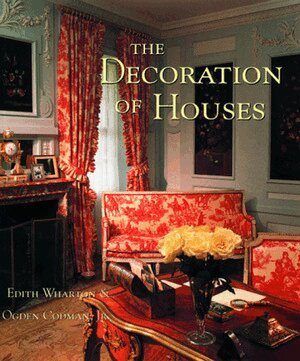
The original text of The Decoration of Houses continues without revision as an authentic classic, perhaps the most important book of its kind ever published. Its carefully reasoned chapters on such aspects of house interiors as fireplaces, ceilings and floors, halls and stairs, are of the greatest value to professionals and serious amateurs concerned with interiors.This expanded edition includes an introduction by Henry Hope Reed and three critical essays by John Barrington Bayley, William A. Coles, and Alvin Holm, AIA. Additions to the album of renderings and photographs of modern and contemporary work in the tradition of Wharton and Codman include a number of important works done in the last decade or so. A portfolio of color plates new to the expanded edition offers the work of such accomplished photographers as Bill Ray and Anne Day. First published in Norton paperback in 1978 in association with Classical America. A selection of Book-of-the-Month Club and Newbridge Book Clubs.
608 kr
Skickas inom 7-10 vardagar
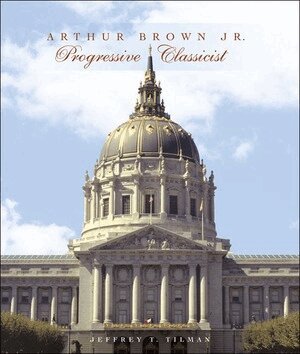
Celebrated by his peers for such masterpieces as the City Hall, War Memorial Opera House, Temple Emanu-El, and Coit Tower in San Francisco; the Pasadena City Hall; and the Labor-ICC block of the Federal Triangle in Washington, DC, Brown epitomized the idea that architecture not only houses society’s daily rituals and defining events but also can itself shape the sociopolitical landscape of America. Arthur Brown Jr.: Progressive Classicist, the first full study of Brown within his architectural and social context, unifies the varied strands of the architect’s life, from the architectural forms and methods of the Ecole des Beaux-Arts in Paris to the reforming spirit and self-reliant confidence of San Francisco after the earthquake and fire of 1906 to the challenging economics and changing aesthetics of machine-age America. It details the development of Brown’s major works and many other civic, commercial, religious, academic, and residential buildings. It chronicles his unflagging commitment to the classical tradition, which he employed in contemporary, forward-looking institutional buildings that emphasized continuity with the past while meeting the needs of the future. To Brown, the classical tradition was not a sacrosanct, unchanging body of knowledge; it was an expanding and evolving set of ideas about architectural design that permitted, and even demanded, change as new conditions and technologies were developed. Arthur Brown Jr. is a fascinating look at the man-captivated by the classical movement and obsessed with the slightest architectural detail-and at his buildings, at once canonical and inventive and singularly American.