Energy, Climate Change & Sustainability in the Global South – serie
Visar alla böcker i serien Energy, Climate Change & Sustainability in the Global South. Handla med fri frakt och snabb leverans.
3 produkter
3 produkter
Inbunden, Engelska, 2026
1 380 kr
Skickas inom 10-15 vardagar
This book focuses on sovereign states of the Global South, offering a systematic analysis of how these countries design voting rules within regional international organizations. It introduces the concept of travel restriction measures and examines them in conjunction with the national and social interests of Global South countries, with the aim of identifying pathways toward mutually beneficial cooperation within a shared community of interests.The book also places strong emphasis on collaborative approaches to cultural heritage protection among Global South countries, interpreting the legal and institutional mechanisms that support cross-border cooperation in this field. In light of the persistent tension between environmental protection and economic growth faced by many Global South countries, the book further foregrounds sustainable development as a central theme. Several chapters examine key environmental governance issues—including climate change, environmental provisions in free trade agreements, and marine plastic pollution—from the perspective of Third World Approaches to International Law (TWAIL), engaging critically with questions of environmental justice in the governance of global environmental threats.Characterized by policy analysis, professional interpretation of legal provisions, and a case-oriented research approach, this book aims both to popularize policy and legal theory for broader audiences and to provide valuable reference material for scholars and policymakers in Global South countries. Overall, it addresses the challenges confronting Global South states in an era marked by rapid technological advancement, intensifying environmental risks, and growing demands for sustainable development.
Inbunden, Engelska, 2026
1 439 kr
Skickas inom 10-15 vardagar
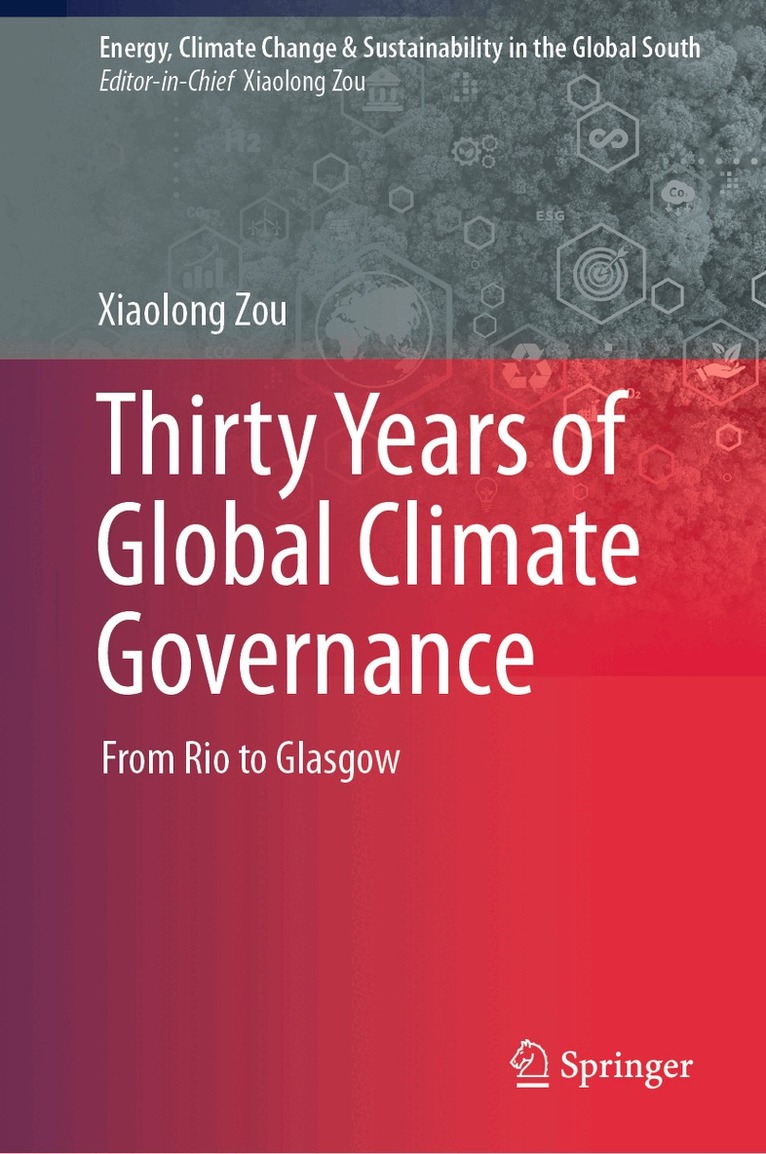
Taking Robert O. Keohanes neoliberal institutionalism as its theoretical keynote, this book aims to delve deep into the theoretical, policy, and practical aspects of global climate governance over these thirty years, providing readers with a comprehensive and systematic overview from the perspective of sustainable human development. Climate change and its associated crises represent one of the most critical challenges facing the world today. Since the establishment of the United Nations Framework Convention on Climate Change in 1992, the international community has dedicated three decades to relentless efforts in formulating and implementing climate policies and objectives.By adopting the research methods of combining literature research and field research, combining quantitative research and qualitative research, combining case analysis and universal promotion, and by conducting in-depth interviews with experts and scholars in related fields, to conduct an in-depth analysis of the global climate governance process and representative cases over this time period, this book seeks to offer policymakers, scholars, and the public a clear picture to better understand the evolution and changes in global climate governance, and how to address this global challenge within the framework of sustainable development.
Inbunden, Engelska, 2026
1 504 kr
Skickas inom 10-15 vardagar
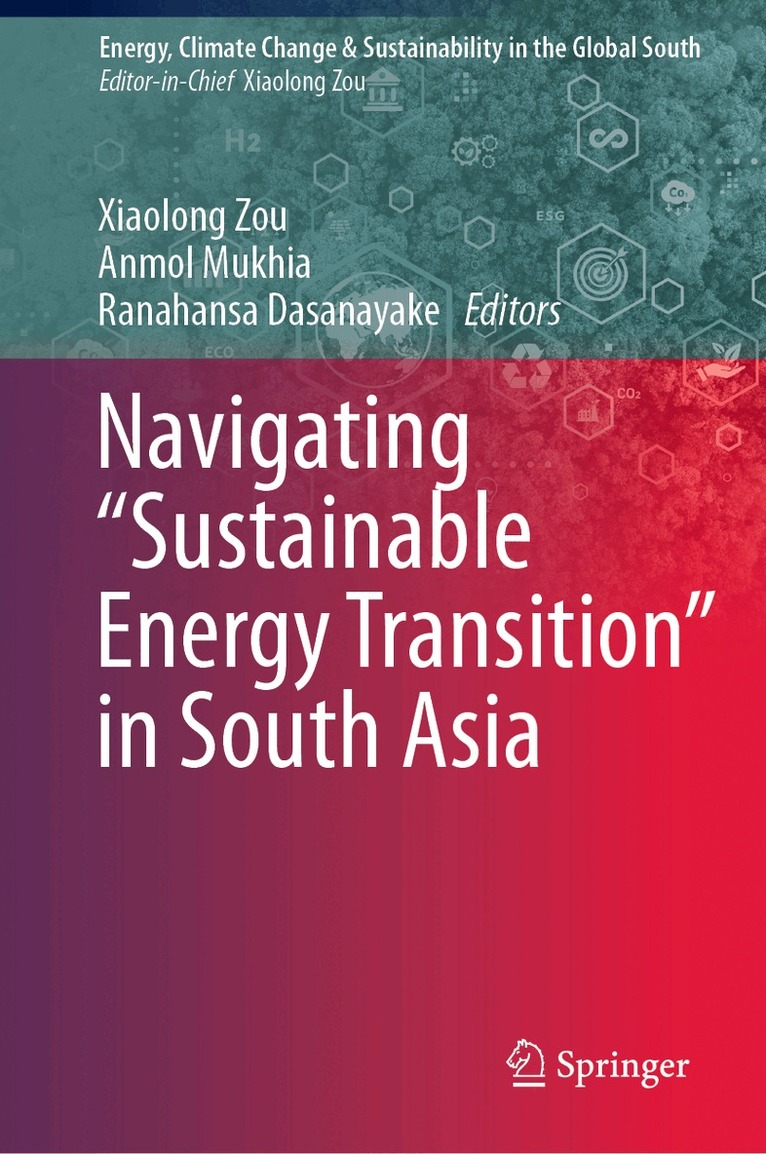
This book explores the complex interplay of socio-economic, political, and environmental factors that shape energy transitions in countries like India, Pakistan, Afghanistan, Nepal, Bhutan, Bangladesh, Sri Lanka, and Maldives. Drawing on interdisciplinary perspectives, the book offers a comprehensive analysis of the challenges and opportunities inherent in South Asia's quest for sustainable energy. From the expansion of renewable energy sources to the modernization of traditional energy systems, each chapter provides insights into the region's diverse energy pathways. Case studies and empirical research shed light on the policy frameworks, technological innovations, and societal dynamics driving the energy transition agenda. This book serves as a valuable resource for policymakers, scholars, and practitioners seeking to understand and navigate the complexities of energy sustainability in this critical region. By offering both theoretical frameworks and practical insights, this book aims to catalyze informed dialogue and action toward a more sustainable energy future for South Asia and beyond.