Clinical Handbooks in Neuropsychology – serie
Visar alla böcker i serien Clinical Handbooks in Neuropsychology. Handla med fri frakt och snabb leverans.
7 produkter
7 produkter
1 745 kr
Skickas inom 10-15 vardagar
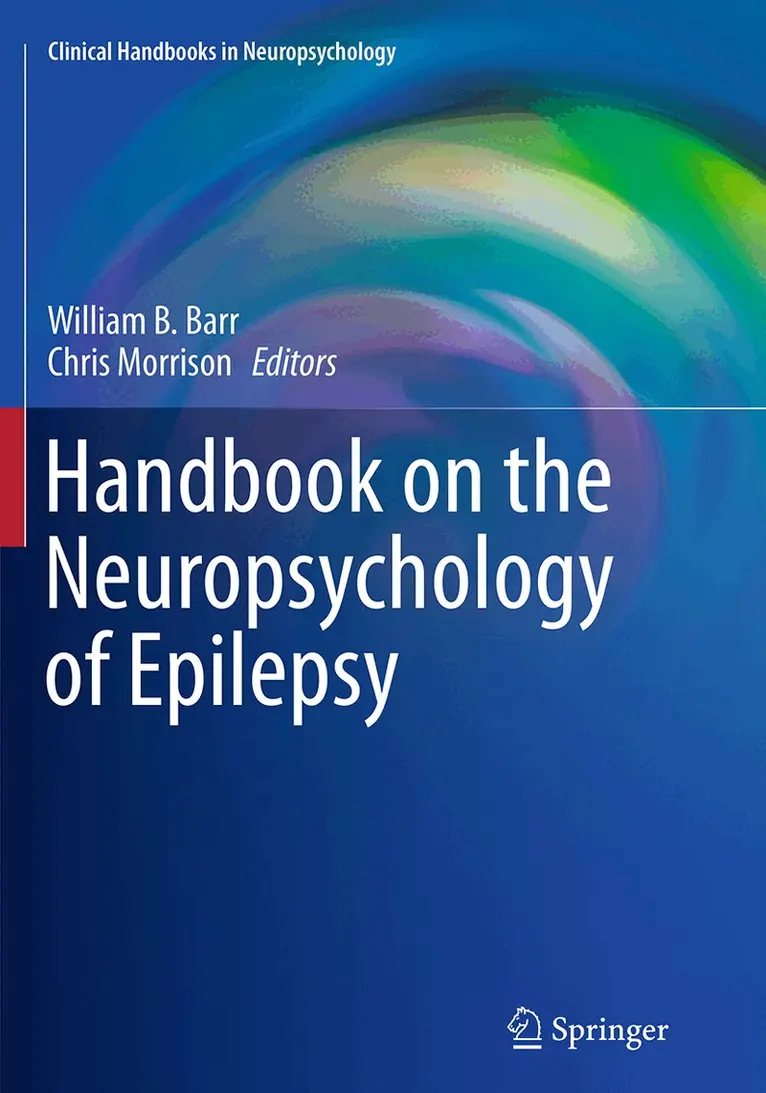
Handbook on the Neuropsychology of Epilepsy
5 598 kr
Skickas inom 5-8 vardagar
With the aging of the baby boomers and medical advances that promote longevity, older adults are rapidly becoming the fastest growing segment of the population. As the population ages, so does the incidence of age related disorders. Many predict that 15% - 20% of the baby-boomer generation will develop some form of cognitive decline over the course of their lifetime, with estimates escalating to up to 50% in those achieving advanced age. Although much attention has been directed at Alzheimer’s disease, the most common form of dementia, it is estimated that nearly one third of those cases of cognitive decline result from other neuropathological mechanisms. In fact, many patients diagnosed with Alzheimer’s disease likely have co-morbid disorders that can also influence cognition (i.e., vascular cognitive impairment), suggesting mixed dementias are grossly under diagnosed. The Clinical Handbook on the Neuropsychology of Aging and Dementia is a unique work that provides clinicians with expert guidance and a hands-on approach to neuropsychological practice with older adults. The book will be divided into two sections, the first addressing special considerations for the evaluation of older adults, and the second half focusing on common referral questions likely to be encountered when working with this age group. The authors of the chapters are experts and are recognized by their peers as opinion leaders in their chosen chapter topics. The field of neuropsychology has played a critical role in developing methods for early identification of late life cognitive disorders as well as the differential diagnosis of dementia. Neuropsychological assessment provides valuable clinical information regarding the nature and severity of cognitive symptoms associated with dementia. Each chapter will reinforce the notion that neuropsychological measures provide the clinician with sensitive tools to differentiate normal age-related cognitive decline from disease-associatedimpairment, aid in differential diagnosis of cognitive dysfunction in older adults, as well as identify cognitive deficits most likely to translate into functional impairments in everyday life.
4 003 kr
Skickas inom 5-8 vardagar
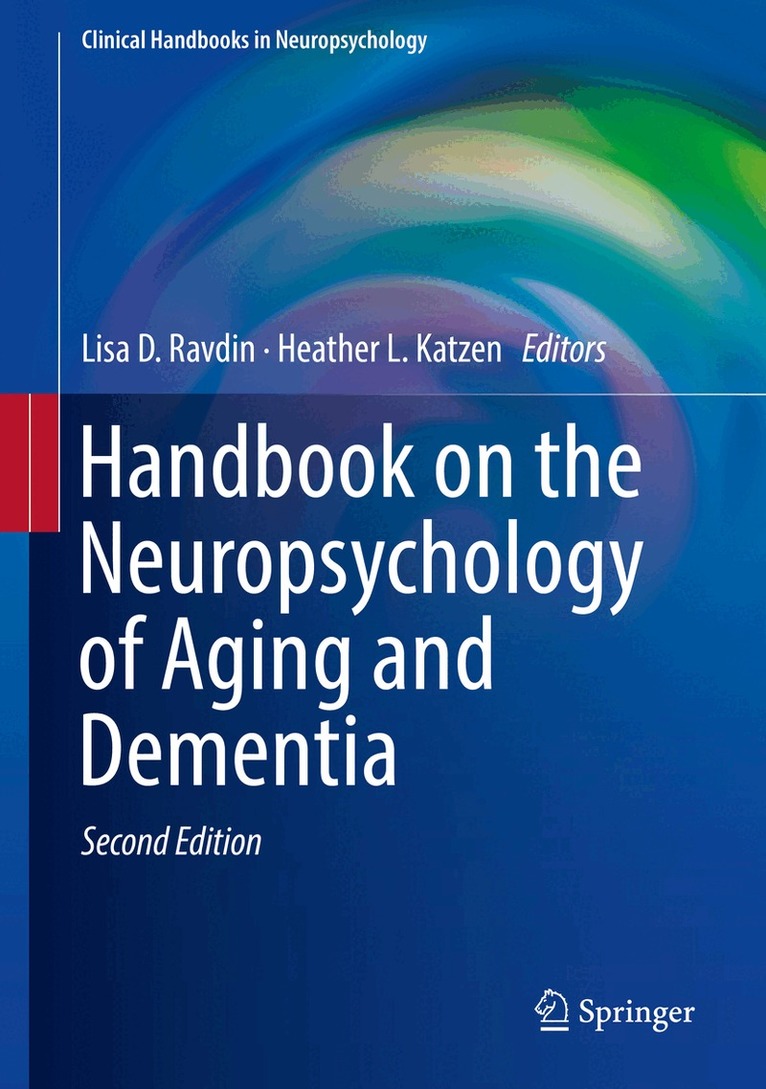
Handbook on the Neuropsychology of Aging and Dementia
3 049 kr
Skickas inom 10-15 vardagar
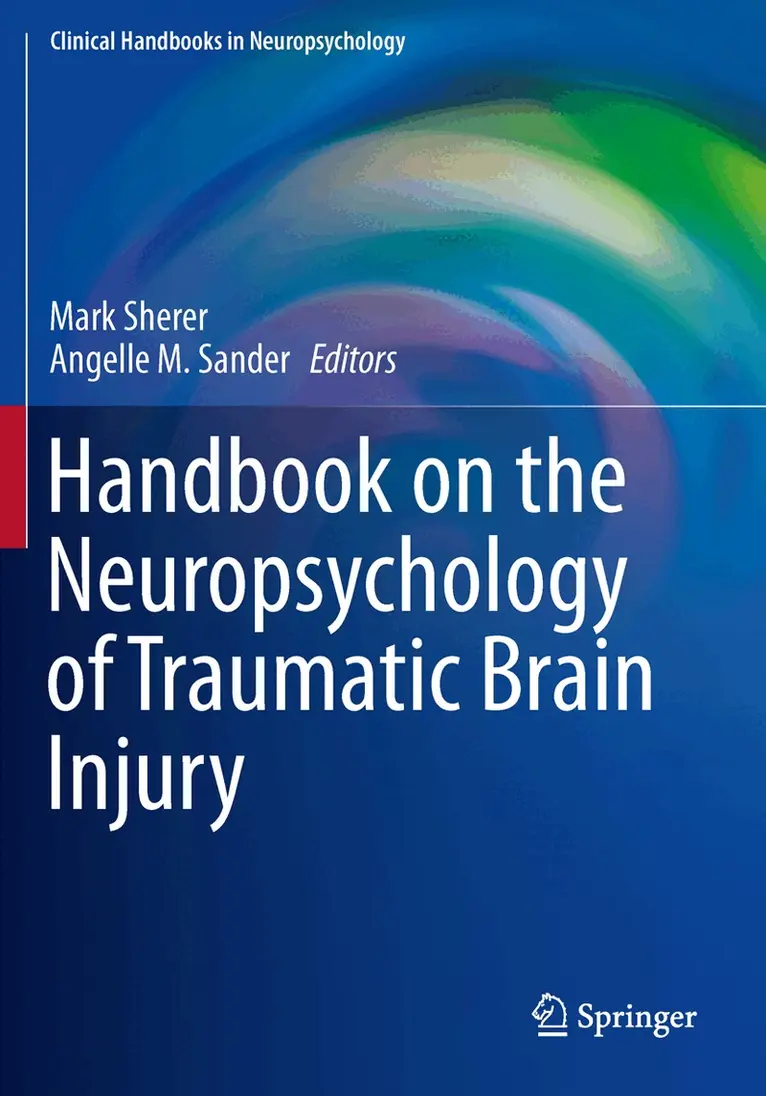
Handbook on the Neuropsychology of Traumatic Brain Injury
3 049 kr
Skickas inom 10-15 vardagar
This book collects and synthesizes the latest thinking on the condition in its variety of cognitive and behavioral presentations, matched by a variety of clinical responses. Acknowledging the continuum of injury and the multi-stage nature of recovery, expert contributors review salient research data and offer clinical guidelines for the neuropsychologist working with TBI patients, detailing key areas of impairment, brief and comprehensive assessment methods and proven rehabilitation strategies. Taken together, these chapters provide a framework for best serving a wide range of TBI patients (including children, elders, and patients in multidisciplinary settings) and model treatment that is evidence-based and relevant. A sample of the topics featured in the Handbook: Bedside evaluations in TBI.Outcome assessment in TBI.Collaborating with family caregivers in the rehabilitation of persons with TBI.Behavioral assessment of acute neurobehavioral syndromes to inform treatment.Pediatric TBI: assessment, outcomes, intervention.Special issues with mild TBI in veterans and active duty service members.Expanding professional knowledge on a topic that continues to grow in importance, the Handbook on the Neuropsychology of Traumatic Brain Injury is a premier resource, not only for neuropsychologists but also for other professionals in cognitive care, and trainees entering the field.
653 kr
Skickas inom 5-8 vardagar
Once feared and misunderstood even among the medical community, epilepsy has since largely been demystified. Besides the characteristic seizures, various cognitive, behavioral, and emotional difficulties are recognized as associated with the condition, and patients are finding relief in medical management and/or surgical intervention. Not surprisingly, neuropsychology has emerged as a major component in treatment planning, program development, and assessment of surgical candidates. Geared toward beginning as well as veteran clinicians, the Handbook on the Neuropsychology of Epilepsy offers readers a skills-based framework for assessment and treatment, using current evidence and standardized terminology. Expert coverage reviews widely-used methods for evaluating key aspects of patient functioning (MRI, MEG, electrocortical mapping, the Wada test), and presents guidelines for psychotherapeutic and cognitive remediation strategies in treating comorbid psychiatric conditions. Given the diversity of the patient population, additional chapters spotlight issues specific to subgroups including high- and low-functioning as well as geriatric and pediatric patients. This integrative hands-on approach benefits a range of practitioners across medical and neurological settings. Topics featured in the Handbook: Neuropsychological assessment across the lifespan.Evaluating the epilepsy surgical candidate: methods and procedures.The Wada test: current perspectives and applications.Assessing psychiatric and personality disorders in the epilepsy patient.Evaluation and management of psychogenic non-epileptic attacks.Neuropsychological assessment with culturally diverse patients. Practical and flexible in its coverage, the Handbook on the Neuropsychology of Epilepsy serves not only neuropsychologists and neurologists but also primary care physicians such as internists, family physicians, and pediatricians.
2 397 kr
Skickas inom 5-8 vardagar
This comprehensive update offers practical advice for professionals working inneuropsychology with older adults. Focusing on fundamentals, common issues,special considerations, and late-life cognitive disorders, respected names in this criticalspecialty address a wide range of presenting problems and assessment, diagnostic,and treatment concerns. Th roughout, coverage pays keen attention to detail, bringingreal-world nuance to large-scale concepts and breaking down complex processes intodigestible steps. And like its predecessor, the new Handbook features recommendationsfor test batteries and ends each chapter by extracting its “clinical pearls.”A sampling of the topics covered:• Assessment of depression and anxiety in older adults.• The assessment of change: serial assessments in dementia evaluations.• Elder abuse identifi cation in older adults.• Clinical assessment of postoperative cognitive decline.• Cognitive training and rehabilitation in aging and dementia.• Diff erentiating mild cognitive impairment and cognitive changes of normalaging.• Evaluating cognition in patients with chronic obstructive pulmonary disease.This Second Edition of the Handbook on the Neuropsychology of Aging and Dementiaoffers a wealth of expert knowledge and hands-on guidance for neuropsychologists,gerontologists, social workers, and other clinicians interested in aging. Th is can be avaluable reference for those studying for board certifi cation in neuropsychology as wellas a resource for veteran practitioners brushing up on key concepts in neuropsychologyof age related disorders.