Cultural History and Historical Culture – serie
Visar alla böcker i serien Cultural History and Historical Culture. Handla med fri frakt och snabb leverans.
2 produkter
2 produkter
1 177 kr
Skickas inom 10-15 vardagar
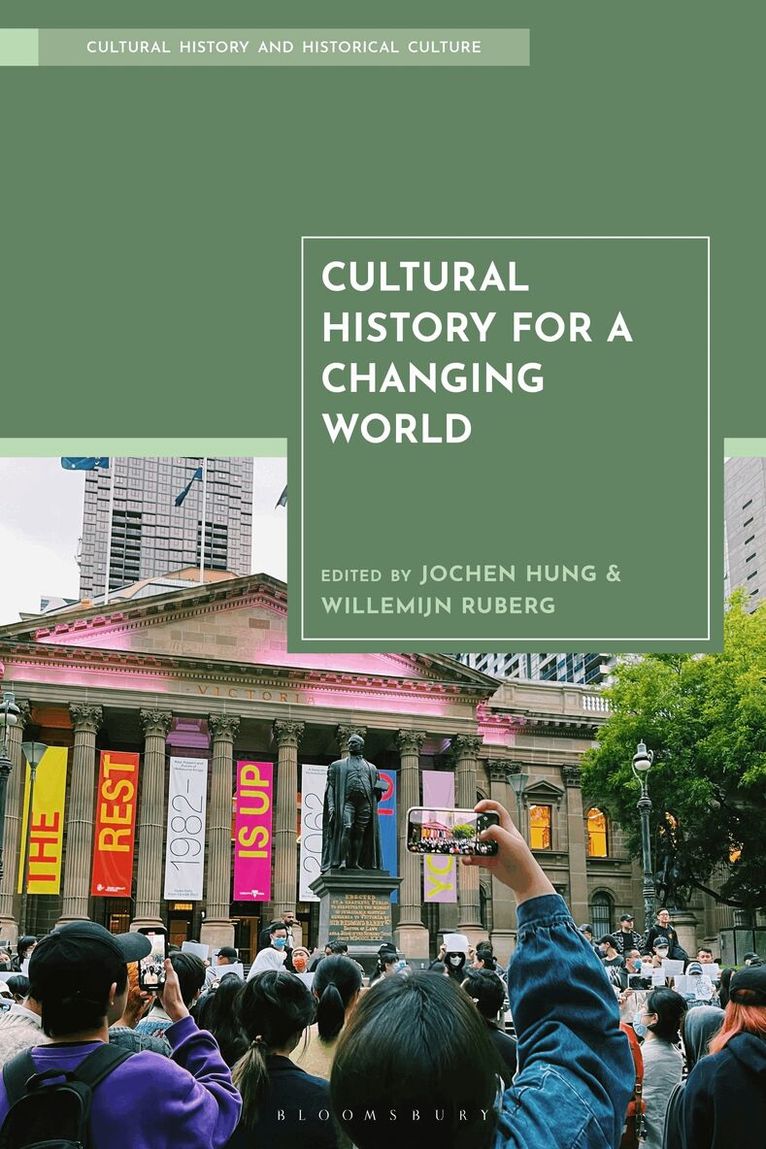
This volume explores the changing field of cultural history to map out its new developments and future directions, covering major themes such as environment, (de)colonization, digitization, knowledge, heritage and embodied identity. After the rise of the ‘new cultural history’ in the 1980s, the field of cultural history is once again undergoing a time of change. This collection discusses and explains these changes, highlighting new themes from disability and race to technology and animals, and shows how the field has become increasingly entangled with other disciplines such as gender studies, science and technology studies, and critical heritage studies. Featuring an international team of experts working in cultural history today, Cultural History for a Changing World is an indispensable guide to the field.Each chapter historicizes and problematizes their topics, gives an overview of the different reactions within the field, and offers an outlook about future avenues and opportunities of research the respective topic offers. Introducing relevant case studies drawn from their own research, the authors show how these new approaches can work in practice. Also highlighting the opportunities offered by new approaches such as decolonial, environmental and digital methodologies, Cultural History for a Changing World sets out how this field has been adapting to, and sometimes instigating, shifts in society, and demonstrates how global cultural, social, political and economic changes are affecting the theories, methods and practices of cultural historians.
Digital Cultural Heritage and the Making of European Identity
Modelling Europeana
Inbunden, Engelska, 2027
1 503 kr
Kommande
In an increasingly digital world, the European Commission uses digital cultural heritage to foster a sense of European identity. This book explores how the Commission has implemented its cultural agenda using digital means, how this process has impacted the digitisation of European heritage institutions, and what the implications are for the Europeanisation of cultural heritage.Using Europeana, a platform that aggregates digital cultural heritage produced in Europe, as a case study, this research scrutinises the lifecycle of digital cultural heritage items- from their creation and cataloguing to their use in exhbitions- to uncover the technological, political, and ethical assumptions underlying digital strategies and their implications for museum audiences. While traditional museums have been extensively studied regarding their collection and presentation policies, this work critically addresses the curatorial processes for virtual collections, where digital heritage has become an integral part of exhibitions. By providing an in-depth analysis of Europeana and its role in shaping European digital heritage, this book offers valuable insights into the broader implications of digitisation for cultural institutions and the Europeanisation of citizens.