Current Perspectives in Holistic Education – serie
Visar alla böcker i serien Current Perspectives in Holistic Education. Handla med fri frakt och snabb leverans.
16 produkter
16 produkter
Häftad, Engelska, 2011
418 kr
Skickas inom 5-8 vardagar
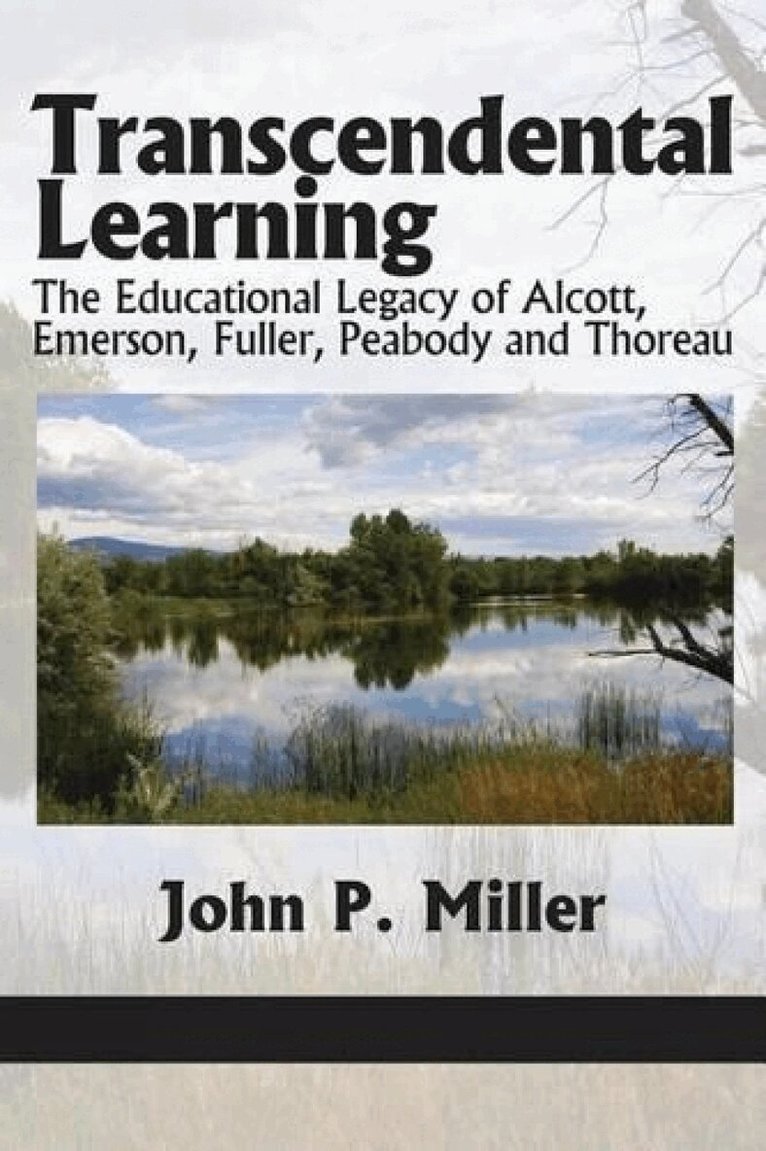
Transcendental Learning discusses the work of five figures associated with transcendentalism concerning their views on education. Alcott, Emerson, Fuller, Peabody and Thoreau all taught at one time and held definite views about education. The book explores these conceptions with chapters on each of the five individuals and then focuses the main features of transcendental learning and its legacy today. A central thesis of the book is that transcendental learning is essentially holistic in nature and provides rich educational vision that is in many ways a tonic to today’s factory like approach to schooling. In contrast to the narrow vision of education that is promoted by governments and the media, the Transcendentalists offer a redemptive vision of education that includes:-educating the whole child-body, mind, and soul,-happiness as a goal of education.-educating students so they see the interconnectedness of nature,-recognizing the inner wisdom of the child as something to be honored and nurtured,- a blueprint for environmental education through the work of Thoreau,- an inspiring vision for educating women of all ages through the work of Margaret Fuller,- an experimental approach to pedagogy that continually seeks for more effective ways of educating children,- a recognition of the importance of the presence of teacher and encouraging teachers to be aware and conscious of their own behavior.-a vision of multicultural and bilingual education through the work of Elizabeth PeabodyThe Transcendentalists, particularly Emerson and Thoreau, sewed the seeds for the environmental movement and for non-violent change. Their work eventually influenced Gandhi and Martin Luther King Jr. and it continues to resonate today in the thinking of Aung Sang Suu Kyi and the Dalai Lama. The Transcendentalists’ vision of education is worth examining as well given the dissatisfaction with the current educational scene.
Inbunden, Engelska, 2011
761 kr
Skickas inom 5-8 vardagar
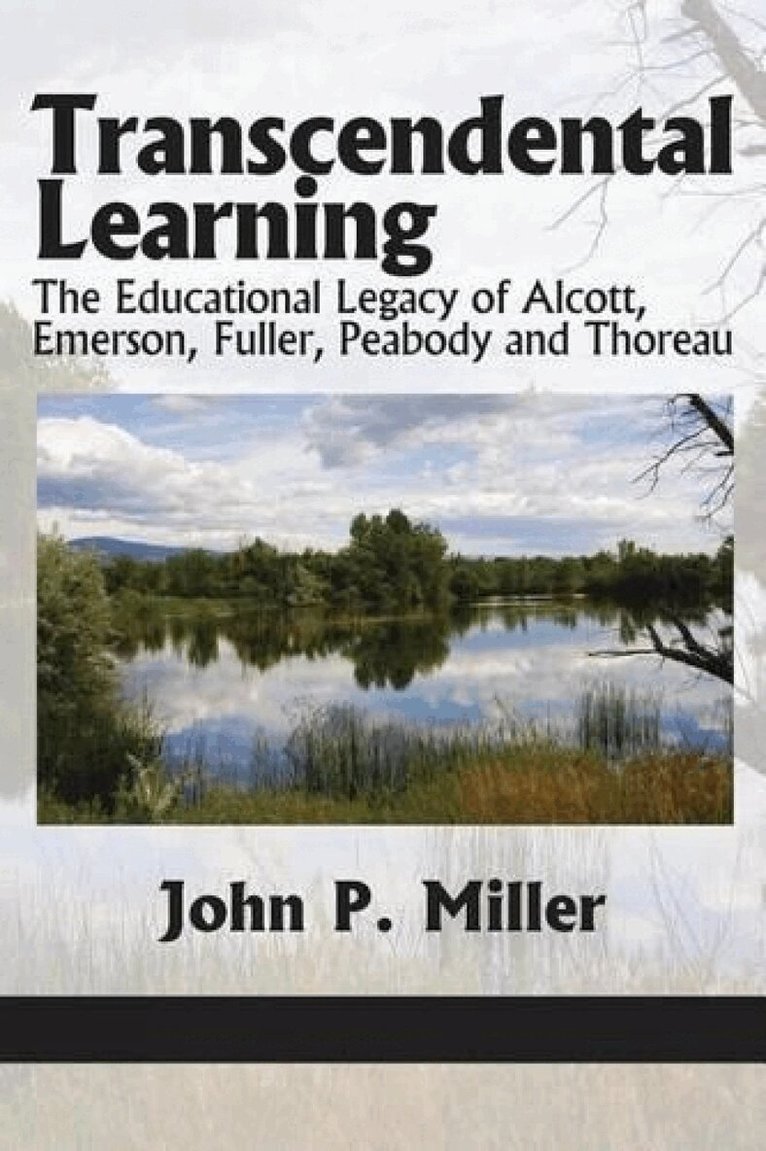
Transcendental Learning discusses the work of five figures associated with transcendentalism concerning their views on education. Alcott, Emerson, Fuller, Peabody and Thoreau all taught at one time and held definite views about education. The book explores these conceptions with chapters on each of the five individuals and then focuses the main features of transcendental learning and its legacy today. A central thesis of the book is that transcendental learning is essentially holistic in nature and provides rich educational vision that is in many ways a tonic to today’s factory like approach to schooling. In contrast to the narrow vision of education that is promoted by governments and the media, the Transcendentalists offer a redemptive vision of education that includes:-educating the whole child-body, mind, and soul,-happiness as a goal of education.-educating students so they see the interconnectedness of nature,-recognizing the inner wisdom of the child as something to be honored and nurtured,- a blueprint for environmental education through the work of Thoreau,- an inspiring vision for educating women of all ages through the work of Margaret Fuller,- an experimental approach to pedagogy that continually seeks for more effective ways of educating children,- a recognition of the importance of the presence of teacher and encouraging teachers to be aware and conscious of their own behavior.-a vision of multicultural and bilingual education through the work of Elizabeth PeabodyThe Transcendentalists, particularly Emerson and Thoreau, sewed the seeds for the environmental movement and for non-violent change. Their work eventually influenced Gandhi and Martin Luther King Jr. and it continues to resonate today in the thinking of Aung Sang Suu Kyi and the Dalai Lama. The Transcendentalists’ vision of education is worth examining as well given the dissatisfaction with the current educational scene.
Häftad, Engelska, 2014
524 kr
Skickas inom 5-8 vardagar
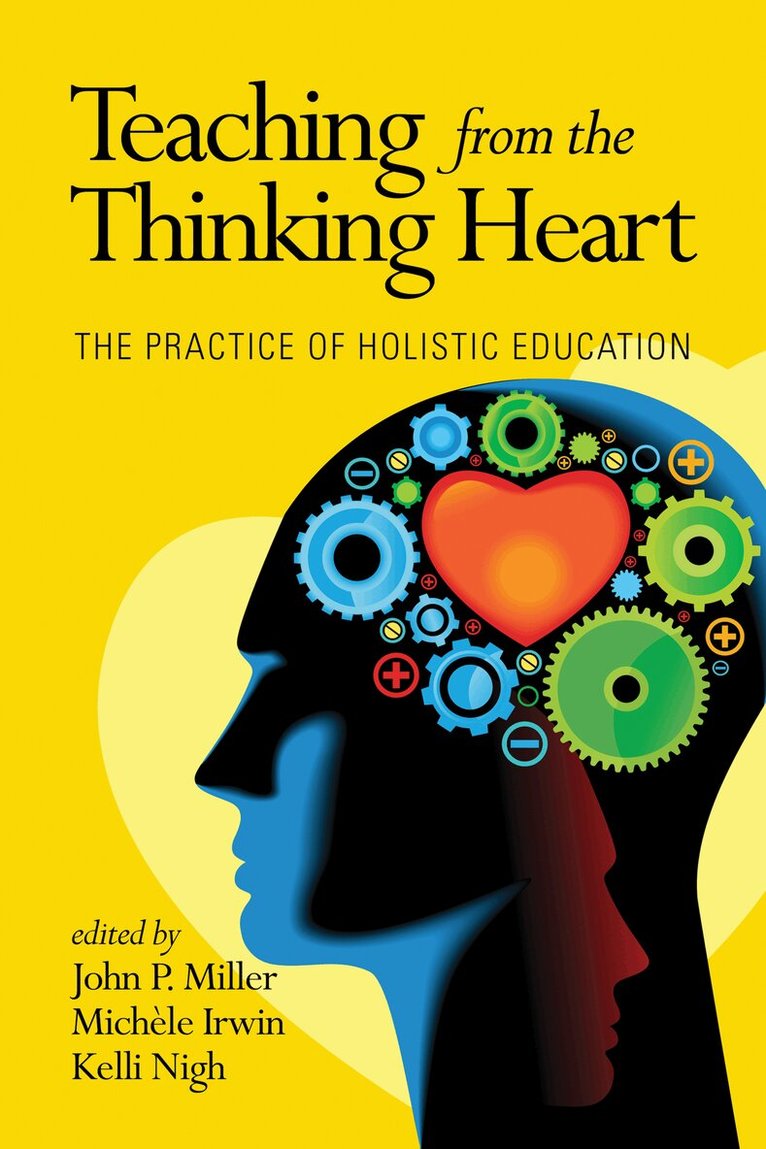
This book includes papers written by teachers and how they engage holistic education in their classrooms. The papers come from a course taught by Jack Miller at the Ontario Institute for Studies in Education at the University of Toronto entitled The Holistic Curriculum. This is a rich and diverse collection of papers showing how holistic education can be brought into public education despite the pressures of testing and other accountability measures. Although most of the teachers teach in public schools there are also examples from teachers working in private and post secondary settings. This book can inspire other teachers who are looking for ways to teach the whole person in a more connected manner.There are very few texts in the field of holistic education that include the voices and practices of teachers, particularly those working in public schools. Many of the examples of holistic education in practice come from Waldorf, Montessori, Reggio Emilia and alternative schools. A unique feature of this book is the many different voices of teachers describing their work in the classroom; they talk about their successes, the challenges and even a few failures.
Inbunden, Engelska, 2014
979 kr
Skickas inom 5-8 vardagar
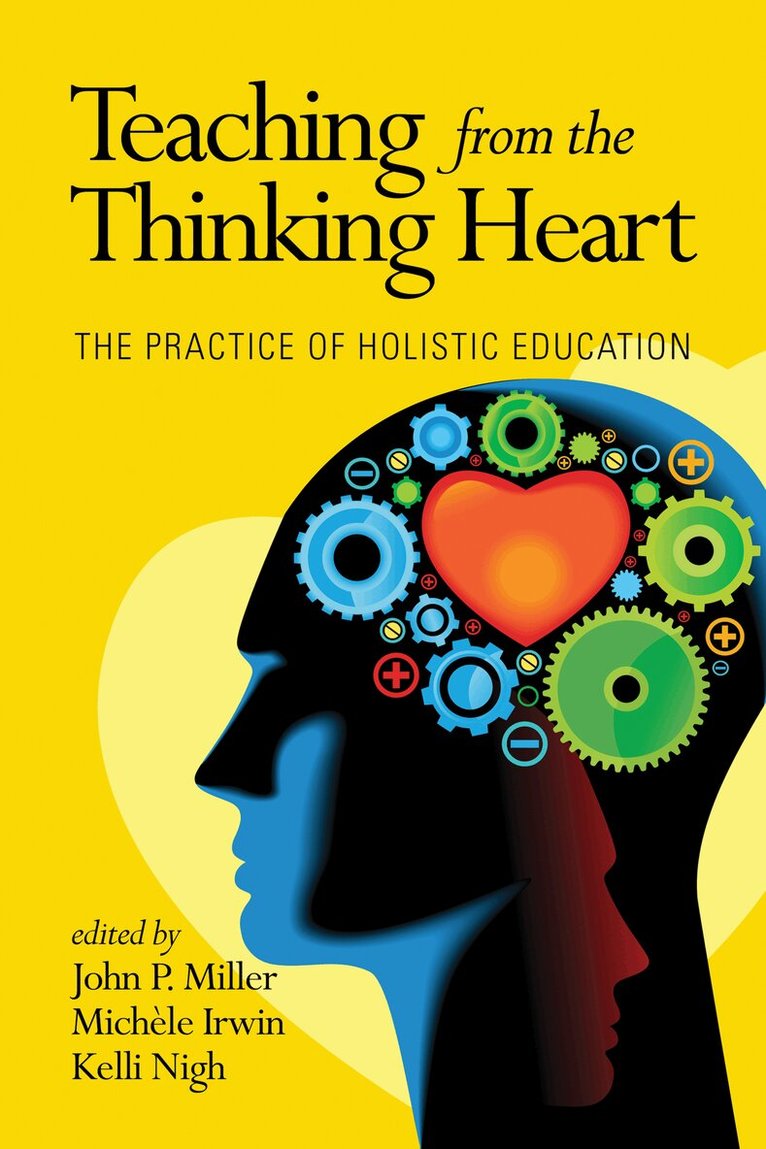
This book includes papers written by teachers and how they engage holistic education in their classrooms. The papers come from a course taught by Jack Miller at the Ontario Institute for Studies in Education at the University of Toronto entitled The Holistic Curriculum. This is a rich and diverse collection of papers showing how holistic education can be brought into public education despite the pressures of testing and other accountability measures. Although most of the teachers teach in public schools there are also examples from teachers working in private and post secondary settings. This book can inspire other teachers who are looking for ways to teach the whole person in a more connected manner.There are very few texts in the field of holistic education that include the voices and practices of teachers, particularly those working in public schools. Many of the examples of holistic education in practice come from Waldorf, Montessori, Reggio Emilia and alternative schools. A unique feature of this book is the many different voices of teachers describing their work in the classroom; they talk about their successes, the challenges and even a few failures.
Häftad, Engelska, 2021
524 kr
Skickas inom 5-8 vardagar
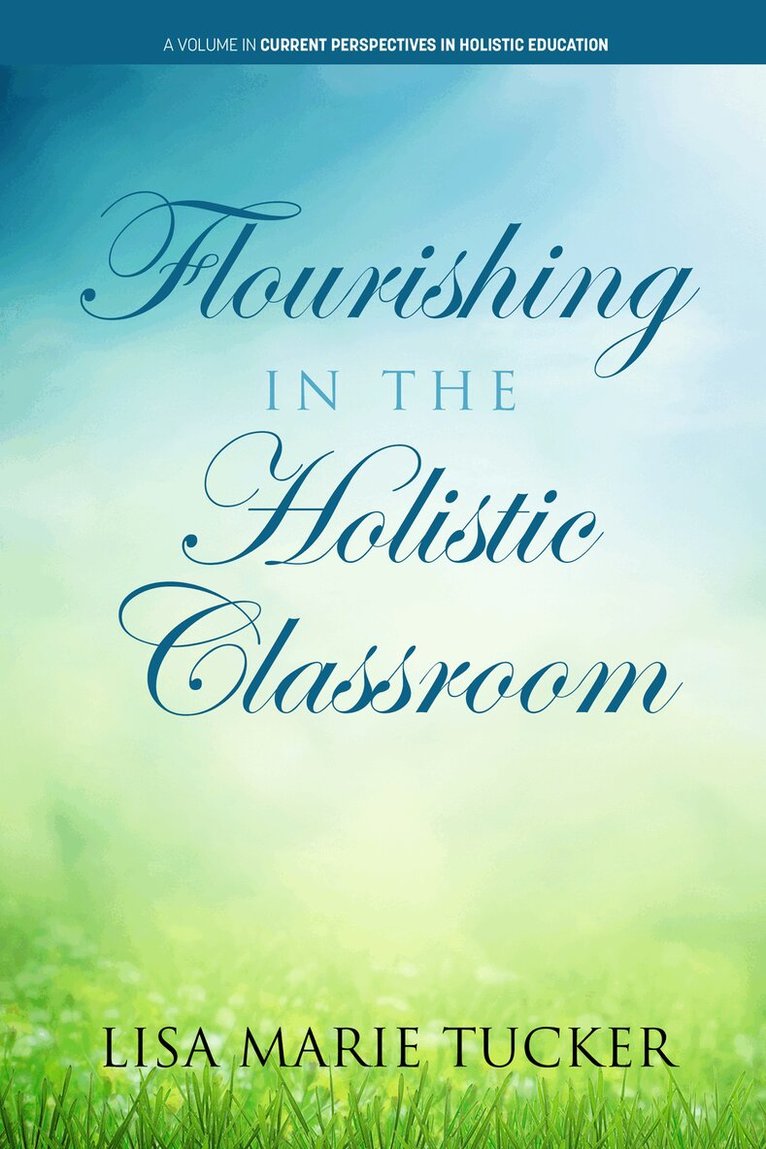
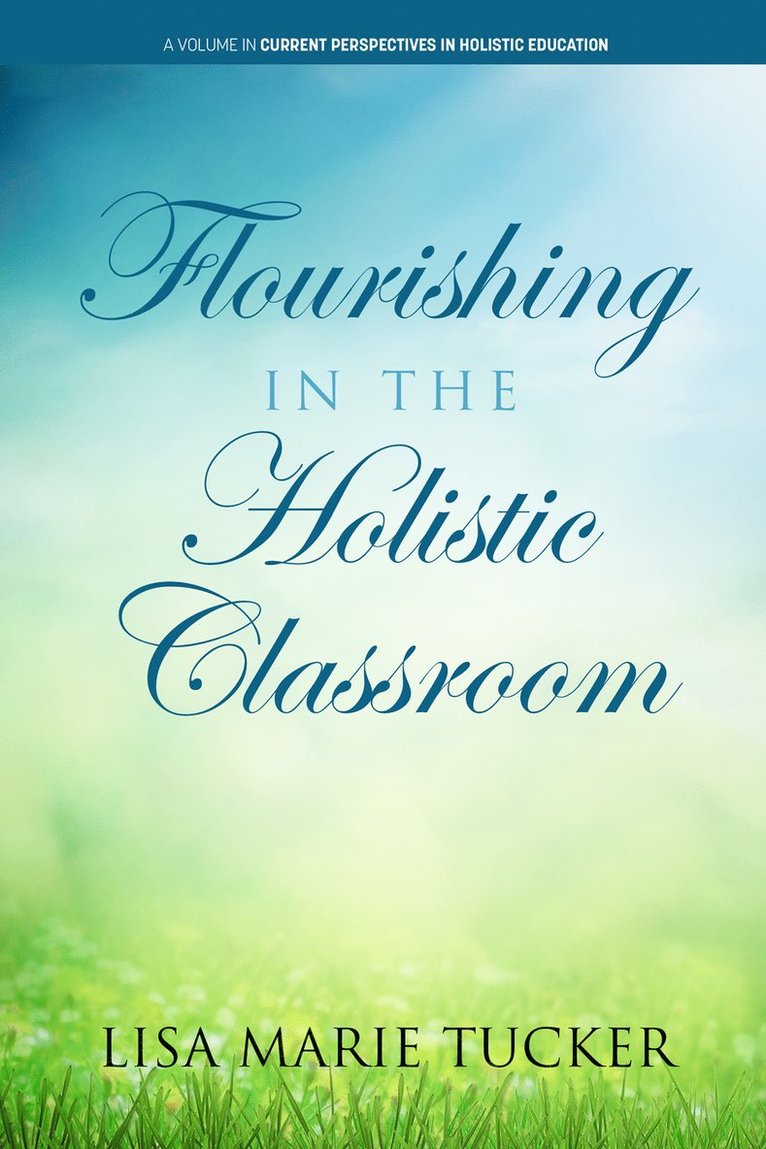
In a time of unprecedented changes globally, Flourishing in the Holistic Classroom offers an educational model that is dynamic, organic, and adaptive. The book offers key principles, dispositions, and practices that holistic educators draw from to create learning environments in which their students can flourish. This book describes learning that is based on a balance of inner and outer ways of knowing, with an emphasis on the inner life or soul of the learner. This is illustrated through accounts of running an arts camp using the inquiry process and experiences with teacher candidates. A key principle of holistic education is connection, which is explored through experiential examples such as connections between learners and each other, the teacher, and their subject of study. The role that mindfulness practice and teacher presence plays in the classroom, as well as working with fear and vulnerability are addressed through detailed narratives. The breadth of the author’s experience including being an early years teacher, a director of programs and exhibits in a children’s museum, and working with pre-service teachers is woven throughout the book. Reflections from former teacher candidates highlight the influence that holistic pedagogy has on learners. The book concludes with an invitation to the reader to embrace a holistic, integrative approach to education, which creates fertile ground for student flourishing. Flourishing in the Holistic Classroom is intended to support teachers, administrators, academics, pre-service teachers and graduate students.
Inbunden, Engelska, 2021
977 kr
Skickas inom 5-8 vardagar
In a time of unprecedented changes globally, Flourishing in the Holistic Classroom offers an educational model that is dynamic, organic, and adaptive. The book offers key principles, dispositions, and practices that holistic educators draw from to create learning environments in which their students can flourish. This book describes learning that is based on a balance of inner and outer ways of knowing, with an emphasis on the inner life or soul of the learner. This is illustrated through accounts of running an arts camp using the inquiry process and experiences with teacher candidates. A key principle of holistic education is connection, which is explored through experiential examples such as connections between learners and each other, the teacher, and their subject of study. The role that mindfulness practice and teacher presence plays in the classroom, as well as working with fear and vulnerability are addressed through detailed narratives. The breadth of the author’s experience including being an early years teacher, a director of programs and exhibits in a children’s museum, and working with pre-service teachers is woven throughout the book. Reflections from former teacher candidates highlight the influence that holistic pedagogy has on learners. The book concludes with an invitation to the reader to embrace a holistic, integrative approach to education, which creates fertile ground for student flourishing. Flourishing in the Holistic Classroom is intended to support teachers, administrators, academics, pre-service teachers and graduate students.
Häftad, Engelska, 2021
524 kr
Skickas inom 5-8 vardagar
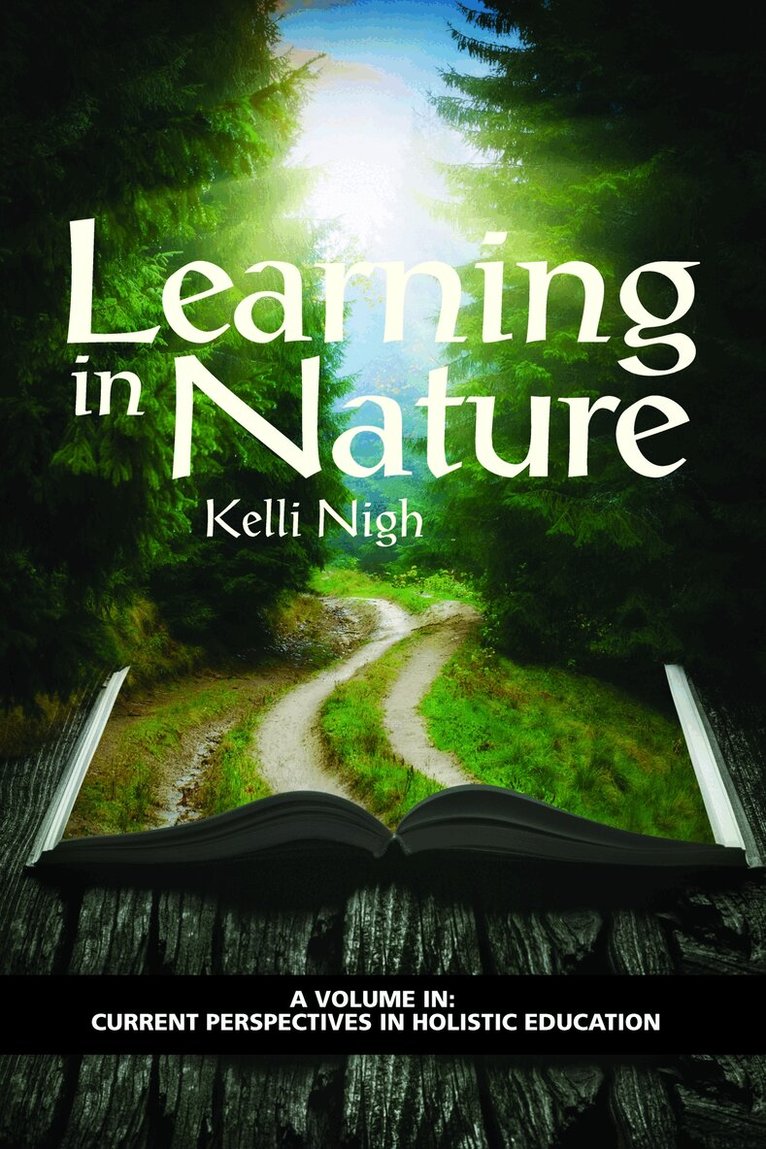
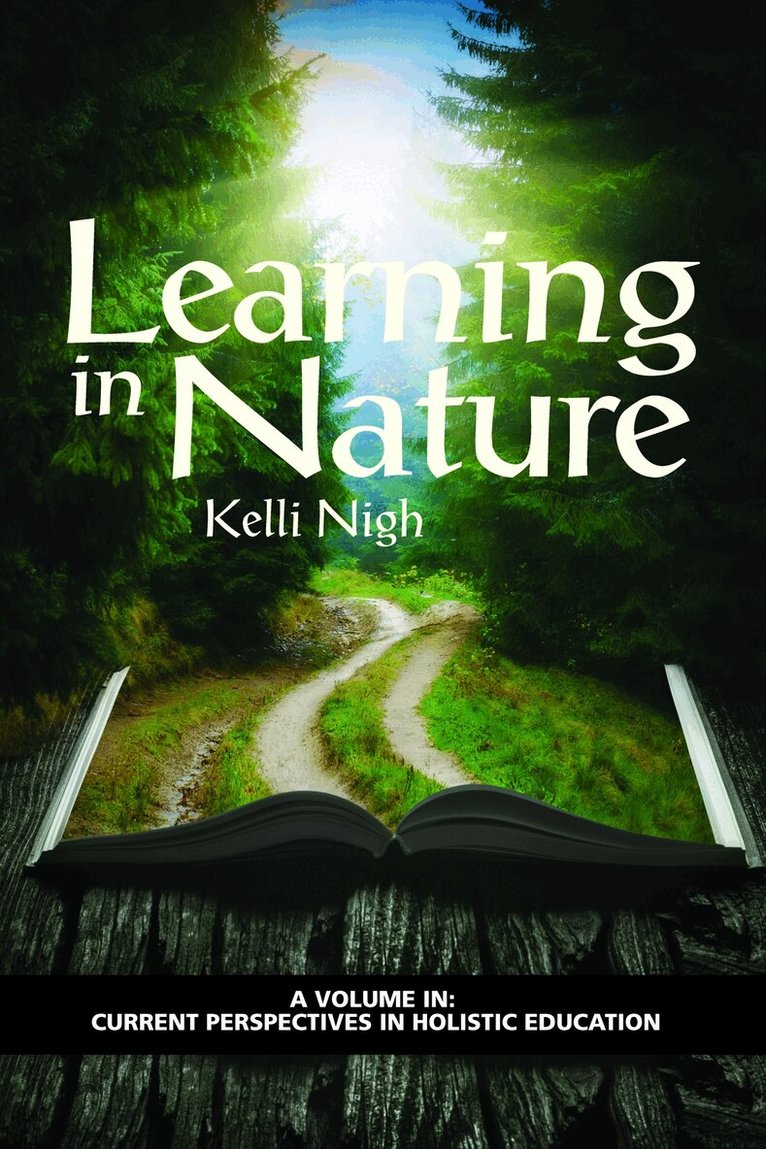
There is love on these pages, love for nature, the cosmos, the body’s deep knowing and students. Learning in Nature focuses on the lives of 6 drama students who gathered weekly at a community arts center during their childhood and adolescence. Before each play rehearsal the students explored contemplative practices such as meditation, yoga, breathing and visualization. After these warm-up sessions the rehearsals were dynamic and highly creative. So, what might happen if these students went out into nature and experimented with the same practices? What would happen, over a year long period, if they stopped the noise of life and just listened, deeply, just looked and inhaled, phenomenologically? Returning the experience of learning to nature, the book tells the story of this group, it tells of their lives and their growing understanding of consciousness, and does so through the complex and rich perspectives of holistic teaching and learning.
Inbunden, Engelska, 2021
977 kr
Skickas inom 5-8 vardagar
There is love on these pages, love for nature, the cosmos, the body’s deep knowing and students. Learning in Nature focuses on the lives of 6 drama students who gathered weekly at a community arts center during their childhood and adolescence. Before each play rehearsal the students explored contemplative practices such as meditation, yoga, breathing and visualization. After these warm-up sessions the rehearsals were dynamic and highly creative. So, what might happen if these students went out into nature and experimented with the same practices? What would happen, over a year long period, if they stopped the noise of life and just listened, deeply, just looked and inhaled, phenomenologically? Returning the experience of learning to nature, the book tells the story of this group, it tells of their lives and their growing understanding of consciousness, and does so through the complex and rich perspectives of holistic teaching and learning.
Häftad, Engelska, 2021
524 kr
Skickas inom 5-8 vardagar
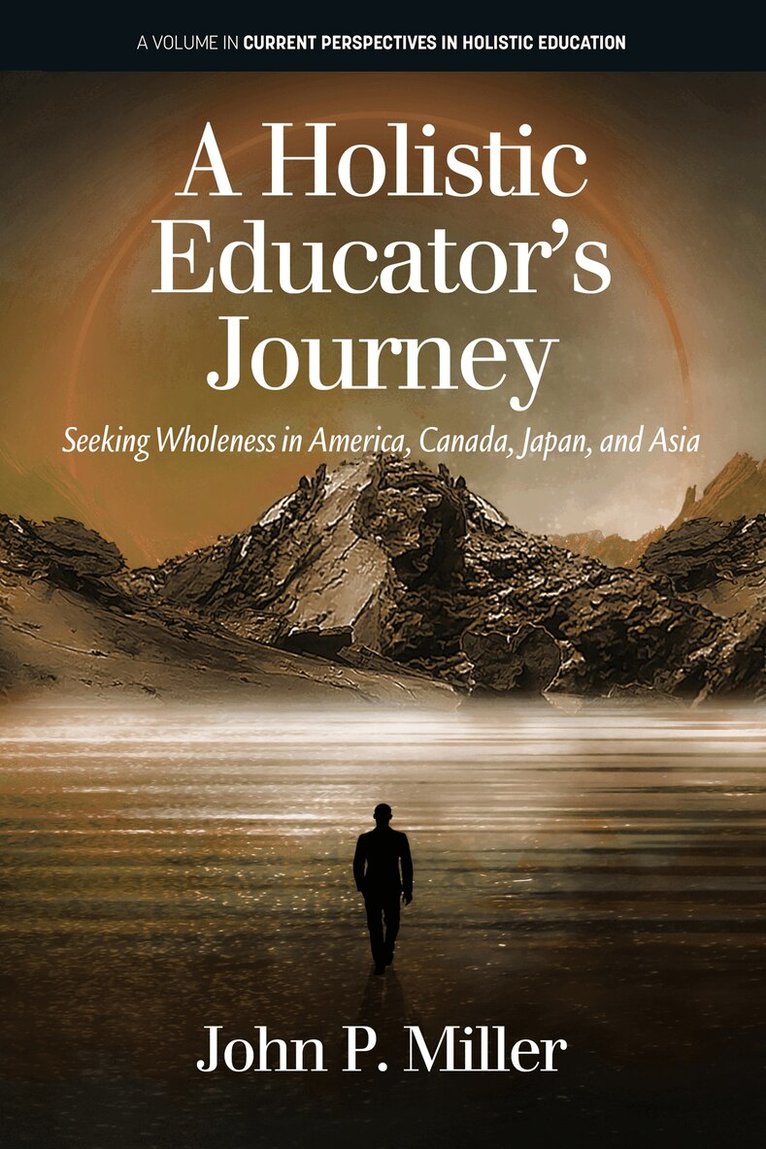
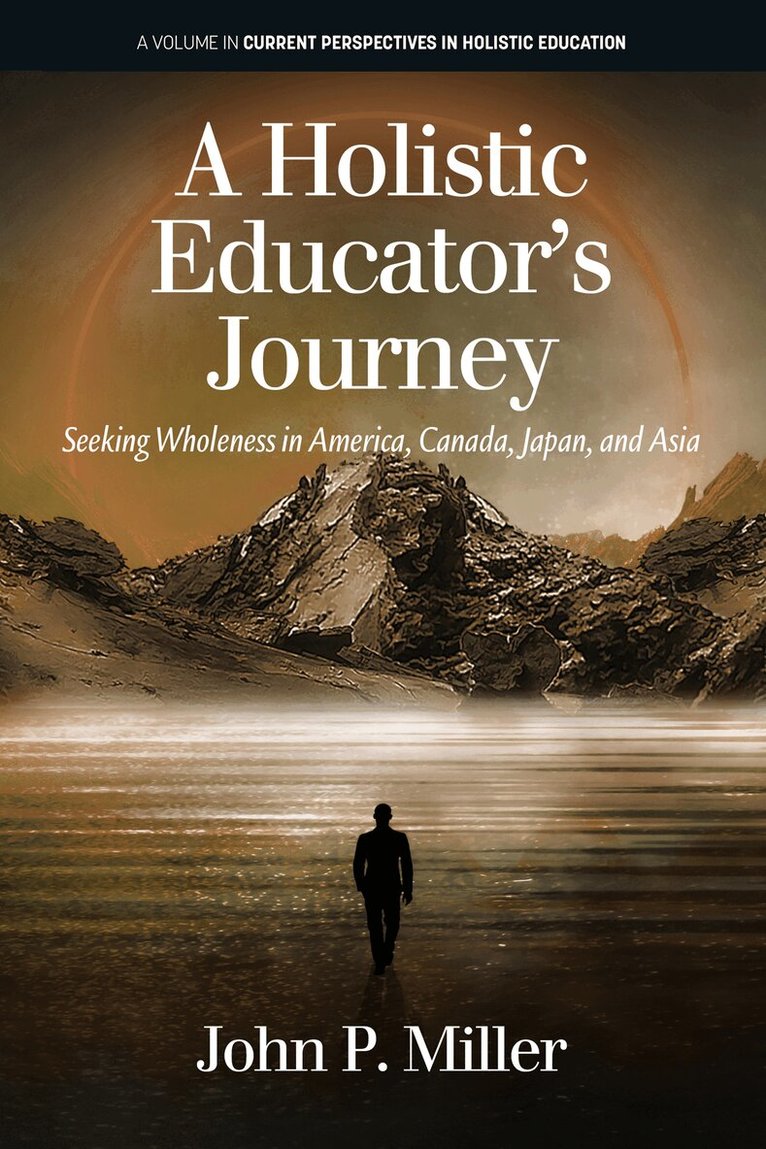
This memoir describes the journey of John (Jack) Miller. The book explores how his personal journey is related to the work he has done in holistic education, contemplative education, and spirituality in education. In holistic education the personal and professional are connected. Professor Miller’s journey includes events, books, teachers, and the many factors in his life that have contributed to his work, which includes more than 20 books and extensive travel around the world. An example of the relationship between the personal and the professional is that Jack began meditating in 1974 and this practice has provided the foundation for much of his teaching and writing.Professor Miller’s book, The Holistic Curriculum, first published in 1988 along with the publication of the Holistic Education Review have been seen as the beginning of holistic education as a field of study. Since his journey has been connected with so many other holistic educators, this book can serve as one perspective on how the field has unfolded over the past 35 years. Besides this historical perspective the book includes a chapter on his meditation practice as well his beliefs. There is also a chapter on his teaching and how he attempts to embody holistic education in his classroom.
Inbunden, Engelska, 2021
977 kr
Skickas inom 5-8 vardagar
This memoir describes the journey of John (Jack) Miller. The book explores how his personal journey is related to the work he has done in holistic education, contemplative education, and spirituality in education. In holistic education the personal and professional are connected. Professor Miller’s journey includes events, books, teachers, and the many factors in his life that have contributed to his work, which includes more than 20 books and extensive travel around the world. An example of the relationship between the personal and the professional is that Jack began meditating in 1974 and this practice has provided the foundation for much of his teaching and writing.Professor Miller’s book, The Holistic Curriculum, first published in 1988 along with the publication of the Holistic Education Review have been seen as the beginning of holistic education as a field of study. Since his journey has been connected with so many other holistic educators, this book can serve as one perspective on how the field has unfolded over the past 35 years. Besides this historical perspective the book includes a chapter on his meditation practice as well his beliefs. There is also a chapter on his teaching and how he attempts to embody holistic education in his classroom.
Häftad, Engelska, 2017
638 kr
Skickas inom 5-8 vardagar
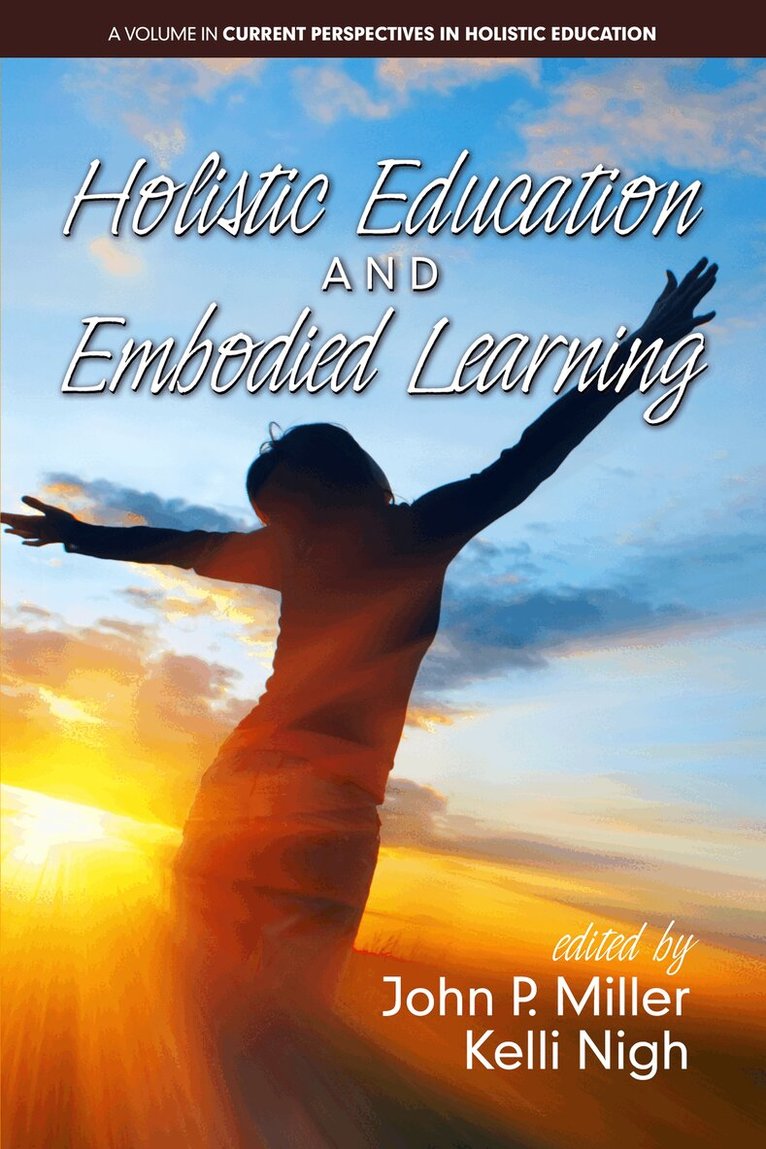
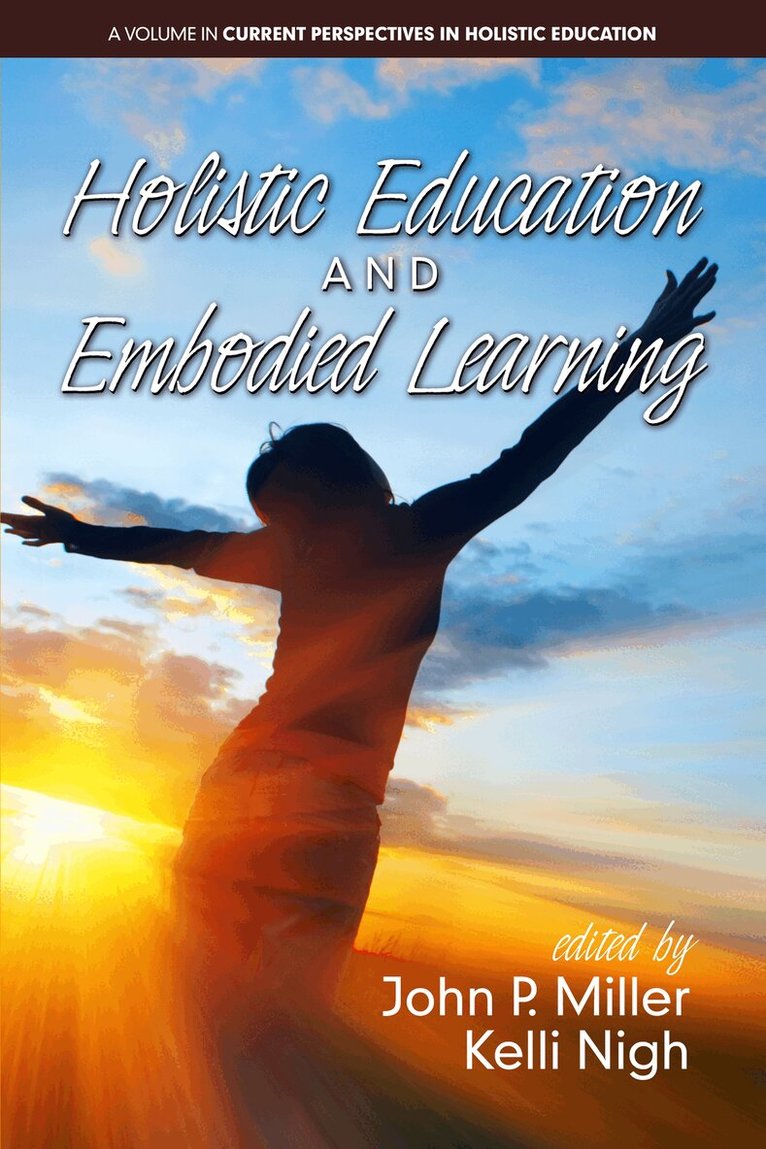
Learning often begins with an experience in the body. Our body can tighten or feel expansive depending on different learning contexts. This experience of learning in the body is crucial to holistic education. This book explores embodied learning from several perspectives.This first section explores how psychology can inform us about embodied learning; for example, the work of Carl Jung and Wilhelm Reich devoted much of their thinking to how energy manifests itself in the body. Meditation and movement are also examined as ways of embodied learning; for example, Dalcroze, a form of movement education, is presented within the context of whole person education. The book also presents schools where embodied learning is nurtured. Waldorf education is discussed as well as a public school in Toronto where the body is central to holistic education. The book also presents visions of embodied learning. John Miller presents a holistic vision of teacher education and Tobin Hart, who has written extensively in this field, writes about the embodied mind.Embodied learning is an emerging area of inquiry in holistic education and this book presents a variety of perspectives and practices that should be helpful to both scholars and practitioners.
Inbunden, Engelska, 2017
1 106 kr
Skickas inom 5-8 vardagar
Learning often begins with an experience in the body. Our body can tighten or feel expansive depending on different learning contexts. This experience of learning in the body is crucial to holistic education. This book explores embodied learning from several perspectives.This first section explores how psychology can inform us about embodied learning; for example, the work of Carl Jung and Wilhelm Reich devoted much of their thinking to how energy manifests itself in the body. Meditation and movement are also examined as ways of embodied learning; for example, Dalcroze, a form of movement education, is presented within the context of whole person education. The book also presents schools where embodied learning is nurtured. Waldorf education is discussed as well as a public school in Toronto where the body is central to holistic education. The book also presents visions of embodied learning. John Miller presents a holistic vision of teacher education and Tobin Hart, who has written extensively in this field, writes about the embodied mind.Embodied learning is an emerging area of inquiry in holistic education and this book presents a variety of perspectives and practices that should be helpful to both scholars and practitioners.
Inbunden, Engelska, 2025
979 kr
Skickas inom 5-8 vardagar
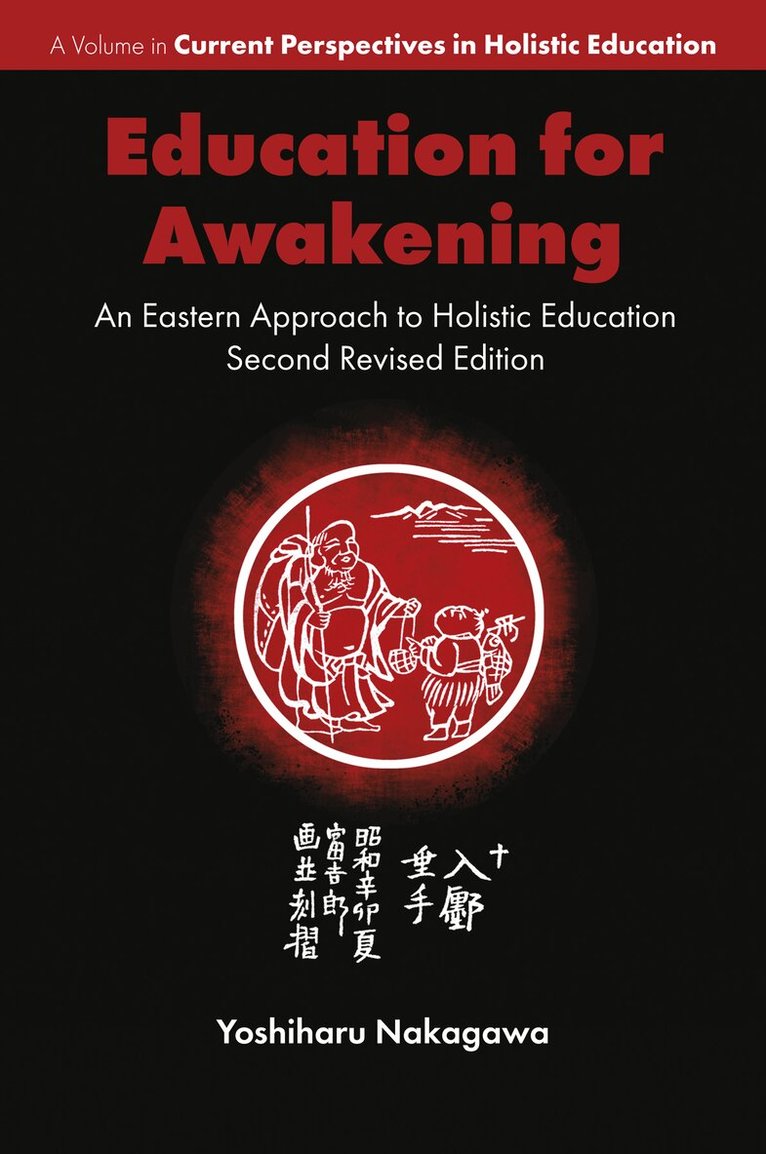
Eastern thought has significant potential for holistic education, providing rich ideas and various practices. However, integrating holistic education with Eastern thought has not been seriously considered in education. This work attempts to build an Eastern view of holistic education.Education for Awakening draws on diverse sources from Japanese philosophy (Zen Master Dōgen, D. T. Suzuki, Nishida Kitarō, and Izutsu Toshihiko), Hinduism (the Upaniṣads, the Bhagavad Gita, and Advaita Vedānta), Buddhism (the Buddha’s teachings, Mahāyāna philosophies, and especially Zen), and Taoism (Lao Tzu and Chuang Tzu). It also discusses critical ideas from Confucianism, Tibetan Buddhism, and Sufism. Furthermore, it addresses Eastern sages such as Sri Ramakrishna, Swami Vivekananda, Rabindranath Tagore, Mahatma Gandhi, Sri Aurobindo, Ramana Maharshi, and Jiddu Krishnamurti. This work also tries to combine Western theories with the Eastern perspective.The Eastern view of holistic education has theoretical and practical aspects. Part I (Chapters 1-6) examines theoretical issues such as Eastern ways of thinking, five dimensions of reality, communication and communion, ecological and Buddhist views on relational reality, Hindu philosophy of liberation and the path of self-inquiry, and Taoist and Buddhist views on nature, language, silence, unlearning, and development. Part II (Chapters 7-10) explores four essential ways relevant to holistic education—awareness (mindfulness), action, compassion, and art. Education for Awakening brings insights into the nature of the self, states of consciousness, enlightenment, nondualism, and the wholeness of being.
Häftad, Engelska, 2025
524 kr
Skickas inom 5-8 vardagar
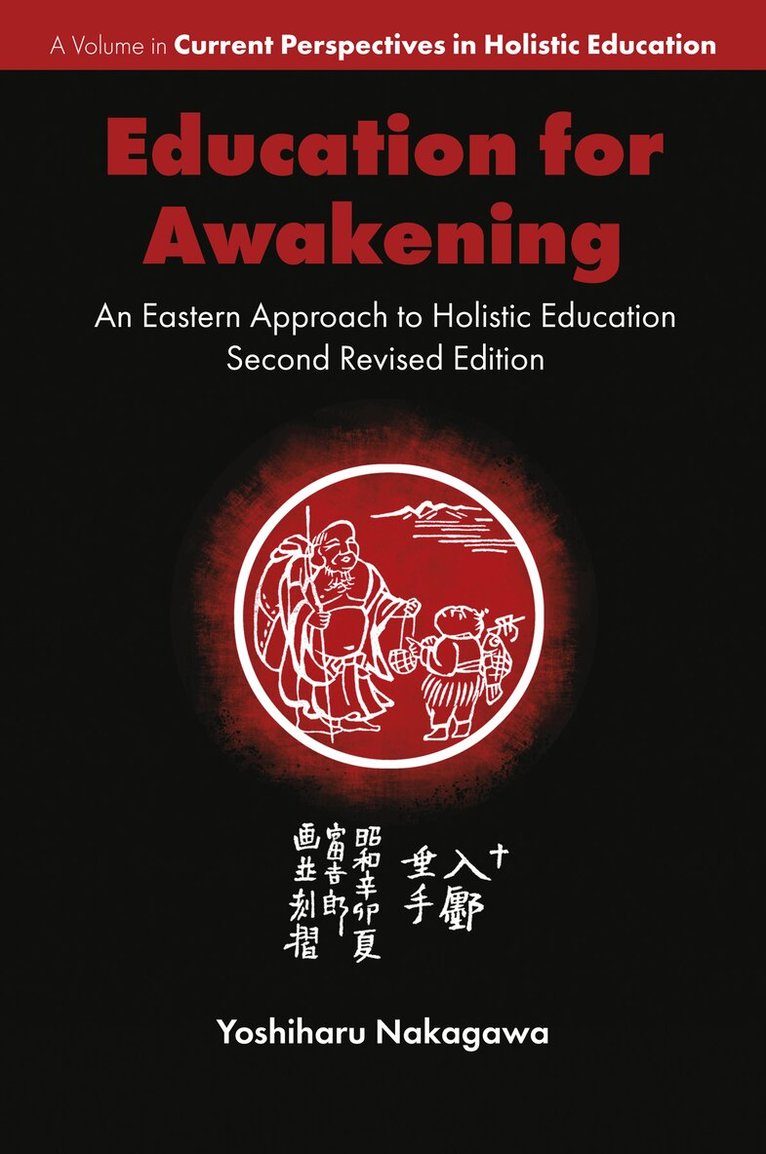
Eastern thought has significant potential for holistic education, providing rich ideas and various practices. However, integrating holistic education with Eastern thought has not been seriously considered in education. This work attempts to build an Eastern view of holistic education.Education for Awakening draws on diverse sources from Japanese philosophy (Zen Master Dōgen, D. T. Suzuki, Nishida Kitarō, and Izutsu Toshihiko), Hinduism (the Upaniṣads, the Bhagavad Gita, and Advaita Vedānta), Buddhism (the Buddha’s teachings, Mahāyāna philosophies, and especially Zen), and Taoism (Lao Tzu and Chuang Tzu). It also discusses critical ideas from Confucianism, Tibetan Buddhism, and Sufism. Furthermore, it addresses Eastern sages such as Sri Ramakrishna, Swami Vivekananda, Rabindranath Tagore, Mahatma Gandhi, Sri Aurobindo, Ramana Maharshi, and Jiddu Krishnamurti. This work also tries to combine Western theories with the Eastern perspective.The Eastern view of holistic education has theoretical and practical aspects. Part I (Chapters 1-6) examines theoretical issues such as Eastern ways of thinking, five dimensions of reality, communication and communion, ecological and Buddhist views on relational reality, Hindu philosophy of liberation and the path of self-inquiry, and Taoist and Buddhist views on nature, language, silence, unlearning, and development. Part II (Chapters 7-10) explores four essential ways relevant to holistic education—awareness (mindfulness), action, compassion, and art. Education for Awakening brings insights into the nature of the self, states of consciousness, enlightenment, nondualism, and the wholeness of being.
Inbunden, Engelska, 2026
1 718 kr
Skickas inom 3-6 vardagar
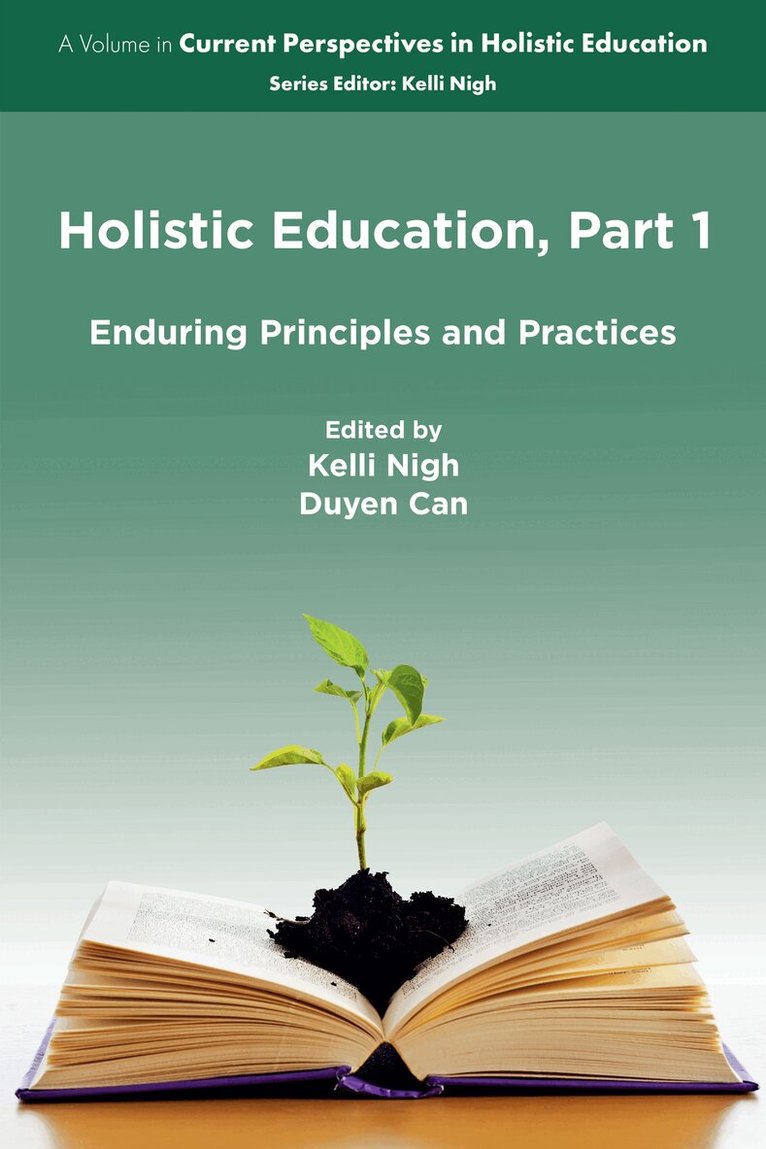
In contemporary educational discourse, the language of holism and whole person learning has become increasingly prevalent. Yet the deeper philosophical and pedagogical foundations of holistic teaching and learning are often overlooked. Holistic Education Part 1: Enduring Principles and Practices returns to these origins, engaging with the theoretical and practical dimensions that have shaped the field.Building upon Carol Flake’s seminal 1993 collection, Holistic Education: Principles, Perspectives, and Practices, revisits the original vision of holistic education as articulated by its early advocates, educators committed to integrating intellectual, emotional, physical, and spiritual dimensions of human development. Contributors examine the evolution of holistic principles in relation to spirituality, embodied and earth-based learning, ecological awareness, and global citizenship.By situating holistic education within enduring philosophical traditions and emerging global challenges, this volume affirms the continued relevance of holistic approaches for education and the professions. It invites scholars, practitioners, and policymakers to consider education not merely as a means of instruction, but as a transformative process aimed at cultivating wholeness in persons, communities, and the wider world.
Häftad, Engelska, 2026
428 kr
Skickas
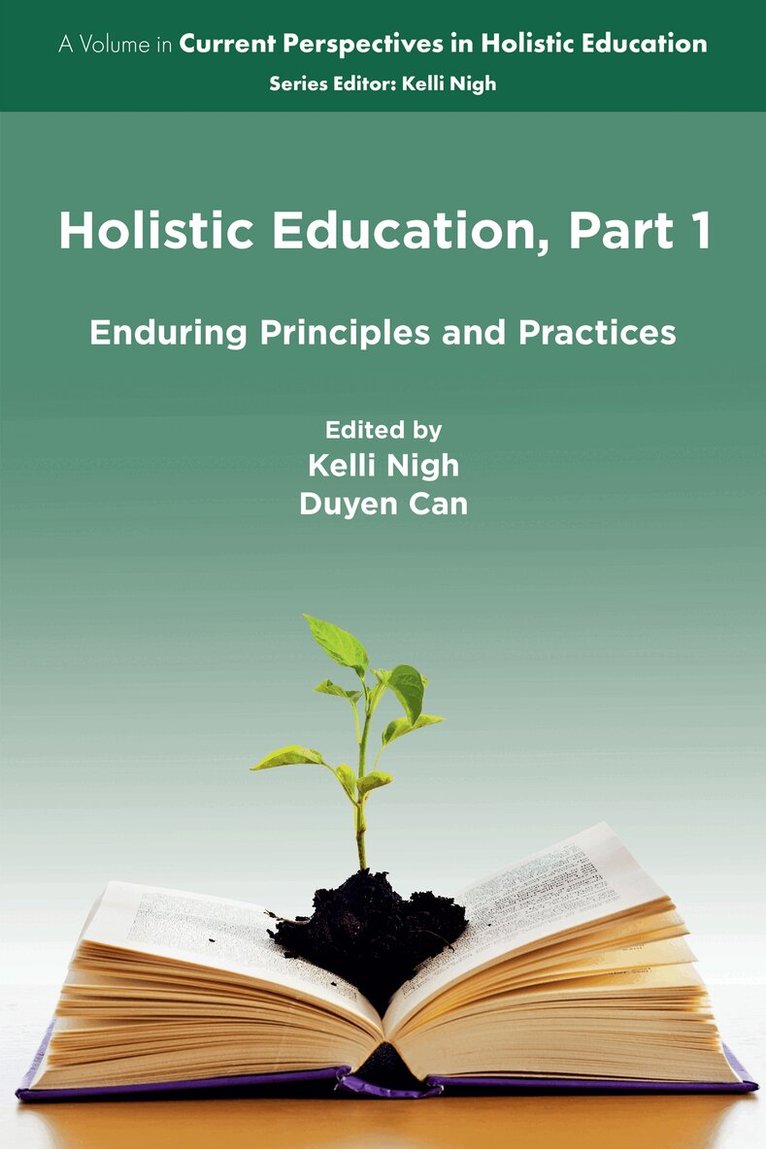
In contemporary educational discourse, the language of holism and whole person learning has become increasingly prevalent. Yet the deeper philosophical and pedagogical foundations of holistic teaching and learning are often overlooked. Holistic Education Part 1: Enduring Principles and Practices returns to these origins, engaging with the theoretical and practical dimensions that have shaped the field.Building upon Carol Flake’s seminal 1993 collection, Holistic Education: Principles, Perspectives, and Practices, revisits the original vision of holistic education as articulated by its early advocates, educators committed to integrating intellectual, emotional, physical, and spiritual dimensions of human development. Contributors examine the evolution of holistic principles in relation to spirituality, embodied and earth-based learning, ecological awareness, and global citizenship.By situating holistic education within enduring philosophical traditions and emerging global challenges, this volume affirms the continued relevance of holistic approaches for education and the professions. It invites scholars, practitioners, and policymakers to consider education not merely as a means of instruction, but as a transformative process aimed at cultivating wholeness in persons, communities, and the wider world.