Elements in Research Methods in Education – serie
Visar alla böcker i serien Elements in Research Methods in Education. Handla med fri frakt och snabb leverans.
4 produkter
4 produkter
727 kr
Skickas inom 7-10 vardagar
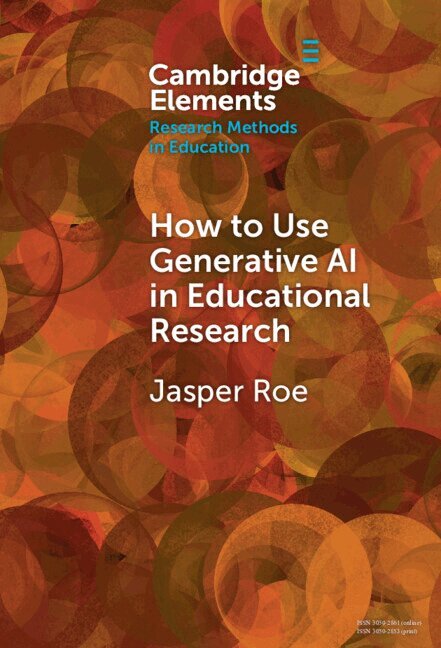
Artificial Intelligence technologies have impacted our world in ways we could not have imagined a decade ago. Generative AI (GenAI), a powerful, complex and general use subset of AI has become available to the public in recent years. GenAI's effect on education, research, and academic practice is far-reaching and exciting, yet also deeply concerning. While GenAI has the potential to offer transformation in the practice of educational research, there are few resources which clarify why, when, and how these tools might be used ethically and sensitively. This Element introduces key areas of consideration for education researchers seeking to use GenAI, including examining the existing research, critically evaluating the benefits and risks of GenAI in educational research, and providing example use-cases of good and bad practice.
226 kr
Skickas inom 7-10 vardagar
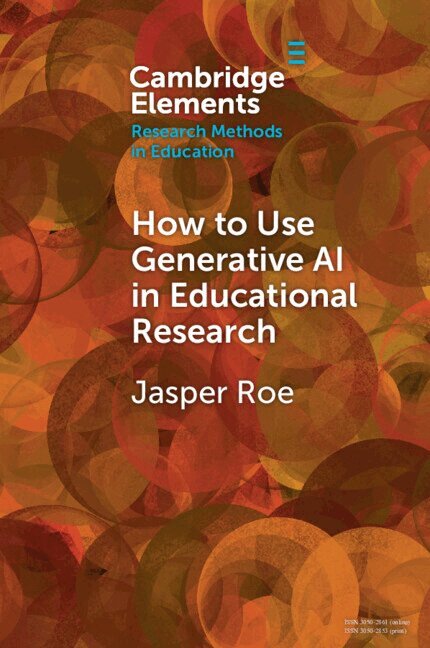
Artificial Intelligence technologies have impacted our world in ways we could not have imagined a decade ago. Generative AI (GenAI), a powerful, complex and general use subset of AI has become available to the public in recent years. GenAI's effect on education, research, and academic practice is far-reaching and exciting, yet also deeply concerning. While GenAI has the potential to offer transformation in the practice of educational research, there are few resources which clarify why, when, and how these tools might be used ethically and sensitively. This Element introduces key areas of consideration for education researchers seeking to use GenAI, including examining the existing research, critically evaluating the benefits and risks of GenAI in educational research, and providing example use-cases of good and bad practice.
Decolonising Research Practices in Education
Kincentric and Relational Methodologies
Häftad, Engelska, 2026
226 kr
Kommande
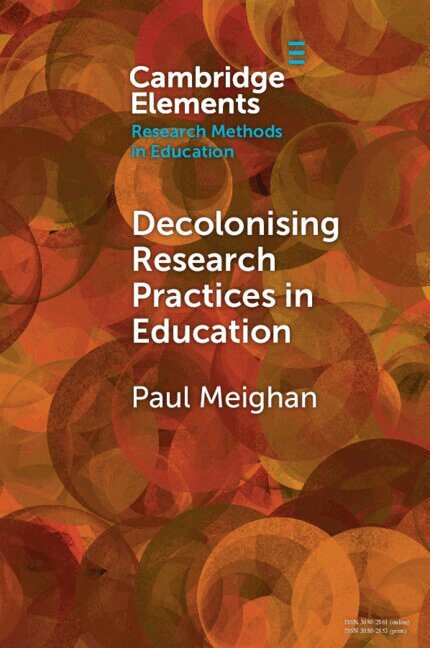
This Element explores kincentric and relational methodologies for decolonising educational research. While Indigenous methodologies emphasise decoloniality, relational accountability, and kinship, mainstream research often neglects these principles. Addressing this gap, it introduces Dùthchas-an Indigenous Gaelic concept of kinship, interconnectedness, and ethical responsibility-as a kincentric, relational methodology. Drawing on research with Anishinaabe and Gaelic community members and broader Indigenous scholarship, the Element interrogates dominant paradigms and reframes data collection, analysis, and dissemination as knowledge gathering, generation, and sharing. It advocates participatory, community-led design and Indigenous-informed analytic approaches, such as Anishinaabe Bizindam (deep listening) and C...irdeas (Gaelic kinship), grounded in researcher positionality and reflexivity. Practical guidance is provided for implementing kincentric and relational methodologies, while respecting Indigenous data sovereignty and cultural protocols. By bridging Indigenous and non-Indigenous traditions, it offers theoretical insights and a framework for decolonising research practices.
Decolonising Research Practices in Education
Kincentric and Relational Methodologies
Inbunden, Engelska, 2026
727 kr
Kommande
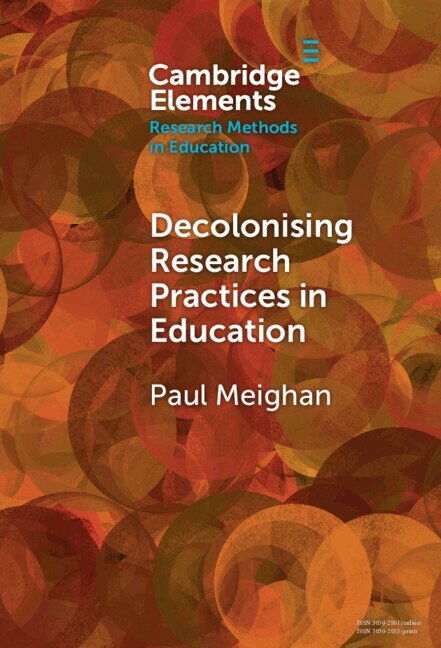
This Element explores kincentric and relational methodologies for decolonising educational research. While Indigenous methodologies emphasise decoloniality, relational accountability, and kinship, mainstream research often neglects these principles. Addressing this gap, it introduces Dùthchas-an Indigenous Gaelic concept of kinship, interconnectedness, and ethical responsibility-as a kincentric, relational methodology. Drawing on research with Anishinaabe and Gaelic community members and broader Indigenous scholarship, the Element interrogates dominant paradigms and reframes data collection, analysis, and dissemination as knowledge gathering, generation, and sharing. It advocates participatory, community-led design and Indigenous-informed analytic approaches, such as Anishinaabe Bizindam (deep listening) and C...irdeas (Gaelic kinship), grounded in researcher positionality and reflexivity. Practical guidance is provided for implementing kincentric and relational methodologies, while respecting Indigenous data sovereignty and cultural protocols. By bridging Indigenous and non-Indigenous traditions, it offers theoretical insights and a framework for decolonising research practices.