Empires through the Ages in Global Perspective – serie
Visar alla böcker i serien Empires through the Ages in Global Perspective. Handla med fri frakt och snabb leverans.
7 produkter
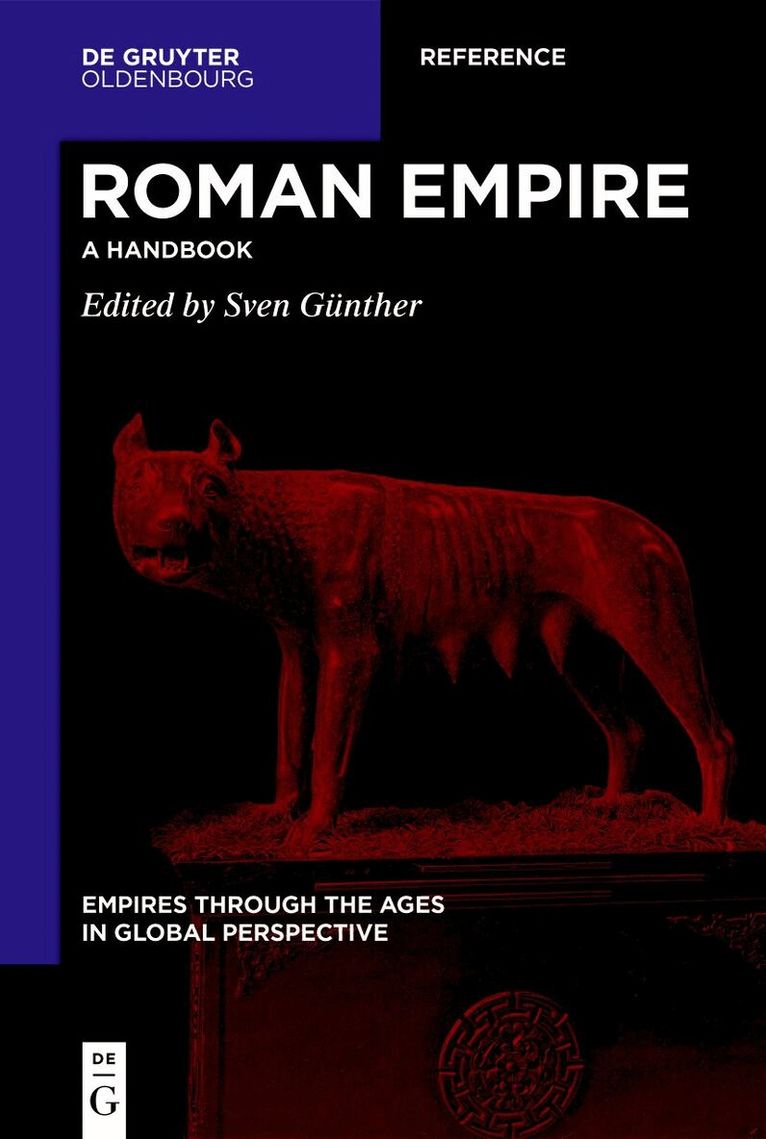
Roman Empire
A Handbook
Av Sven Günther
Inbunden, 2025
2576 kr
Lägg i varukorg
The Roman Empire is the paradigmatic empire of world history. Its rise, stability and prosperity but also decline and fall has impressed and fascinated people around the world and throughout times. The book written by eminent scholars of the field brings the features, structures and powers of this …
Parthian Empire
A Handbook
Av M. Shayegan
Inbunden, 2027
2627 kr
Kommande
The Parthian empire was one of the most enduring and transformative polities of the ancient world, but for all its importance it remains poorly understood. Under the leadership of the Arsacid dynasty, the Parthians rose from humble beginnings in northeastern Iran to rule a territory that stretched …
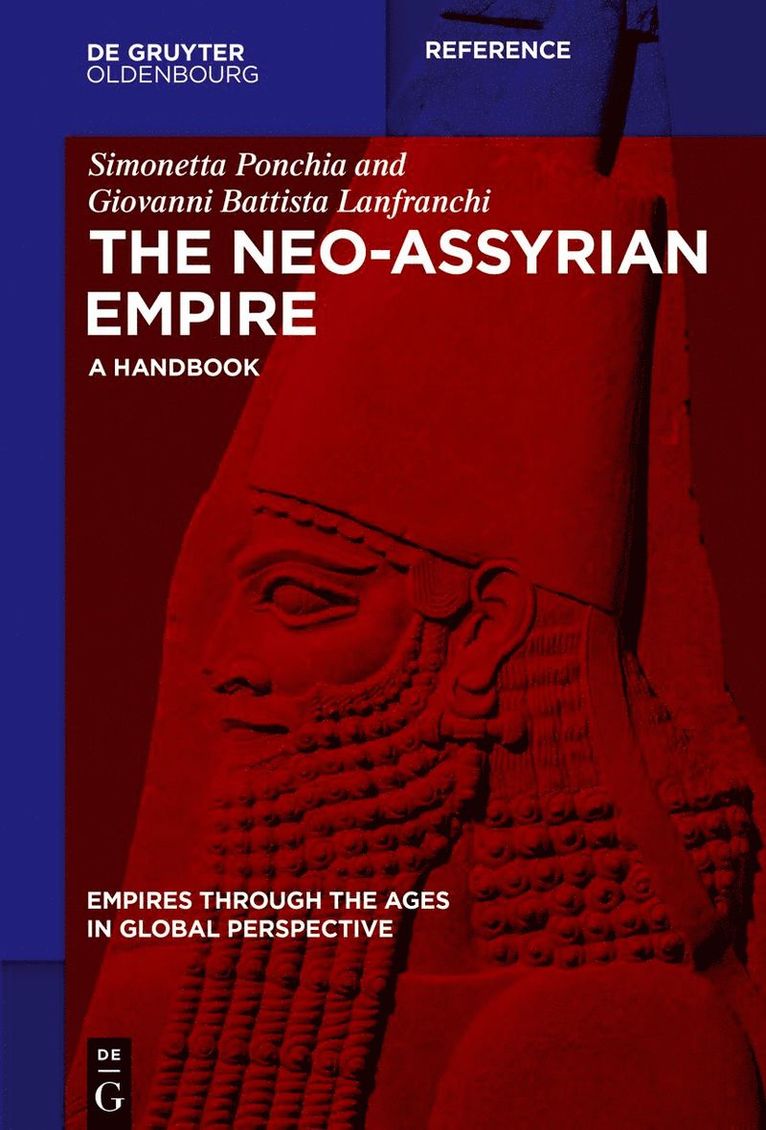
Neo-Assyrian Empire
A Handbook
Av Simonetta Ponchia, Giovanni Lanfranchi
Inbunden, 2024
3232 kr
Lägg i varukorg
The ancient historians considered the Assyrian empire the crucial starting point of a new political system which was adopted by later empires. In modern historical research, this problem still needs to be investigated in a global perspective that studies the development of the imperial model …
Modelling EU-Europe. A Non-Imperial Postmodern Empire?
A Handbook
Inbunden, 2028
2570 kr
Kommande
Does the European Union consist of a new world power with imperial ambitions? That is what is asked before the decade of crises 2008-2018, but also later on. Was it and is it still an empire at all? This will be analyzed and discussed starting with "Real History" (Coming into Existence, structure, …
The Attic Empire. The Athenians and their Allies in the Fifth Century
A Handbook
Av Christian Rollinger, Patrick Reinard m. fl.
Inbunden, 2026
2702 kr
Lägg i varukorg
This handbook offers a comprehensive survey of the polity known as the Delian League, or the Athenian Empire. Founded under the leadership of Athens in 478 BCE and dissolved in the aftermath of the Peloponnesian War, it was one of the most distinctive imperial regimes of antiquity and a defining …
US Empire
A Handbook
Av Mahshid Mayar, Mischa Honeck
Inbunden, 2026
2632 kr
Lägg i varukorg
Addressing urgent concerns in the study of US Empire, The US Empire Handbook synthesizes recent historical scholarship on the United States as an imperial power. The book probes fierce contestations over the place and meaning of empire in US history, which take place at a time when the United …
The Empire of Mittani
A Handbook
Inbunden, 2026
2312 kr
Kommande
The empire of Mittani is known from the beginning of the fifteenth century BC. Its roots can be found in one of the previous Hurrian polities located in the Upper Khabur region. The kings of Mittani bear Indo-Aryan dynastic names, although the Mittanian elite and part of the population was Hurrian. …