GAM - Graz Architecture Magazine – serie
Visar alla böcker i serien GAM - Graz Architecture Magazine. Handla med fri frakt och snabb leverans.
8 produkter
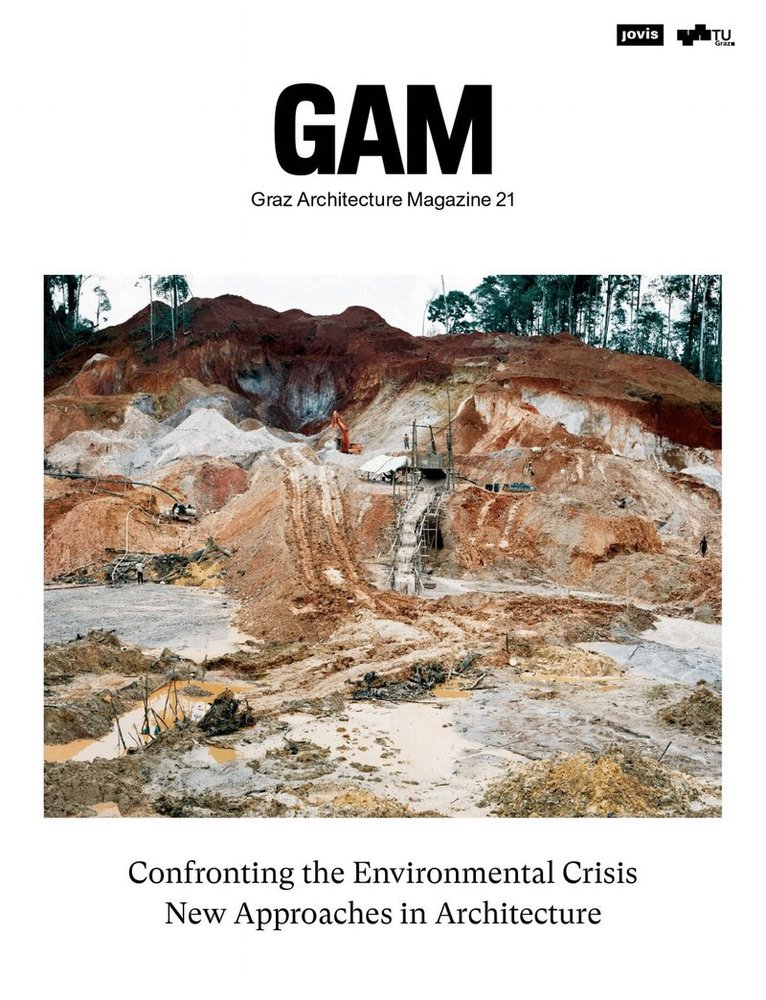
Confronting the Environmental Crisis: New Approaches in Architecture
Av Architekturfakultät der Technischen Universität Graz, Alexander Passer m. fl.
Häftad, 2025
241 kr
Lägg i varukorg
Compelled by the global environmental crisis, the building industry is moving toward a paradigm shift that significantly impacts the way we build, design, and interact with the natural environments around us. The built spaces of the future need to disrupt the conventional design practices that have …
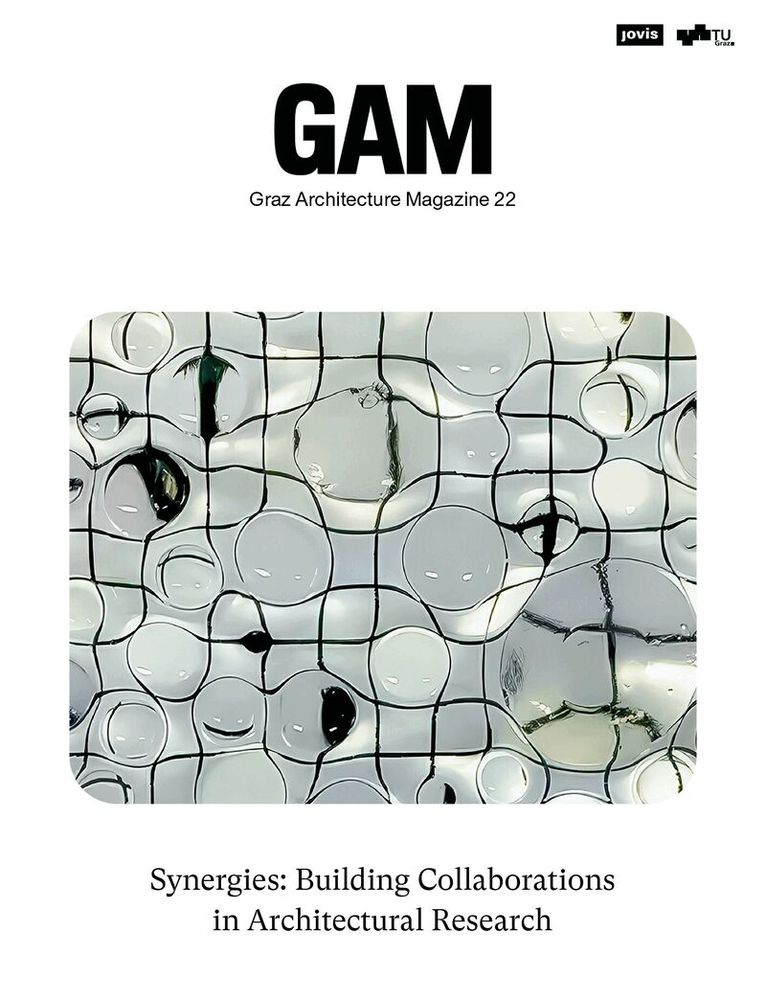
Synergies: Building Collaborations in Architectural Research
Av Architekturfakultät der Technischen Universität Graz
Häftad, 2026
283 kr
Lägg i varukorg
Bilingual edition (English/German) / Zweisprachige Ausgabe (deutsch/englisch)Architecture is, by definition, multidisciplinary—in design, in practice, and in research. However, genuine and productive collaboration across different disciplines is rarely a given. GAM 22 is dedicated to those …
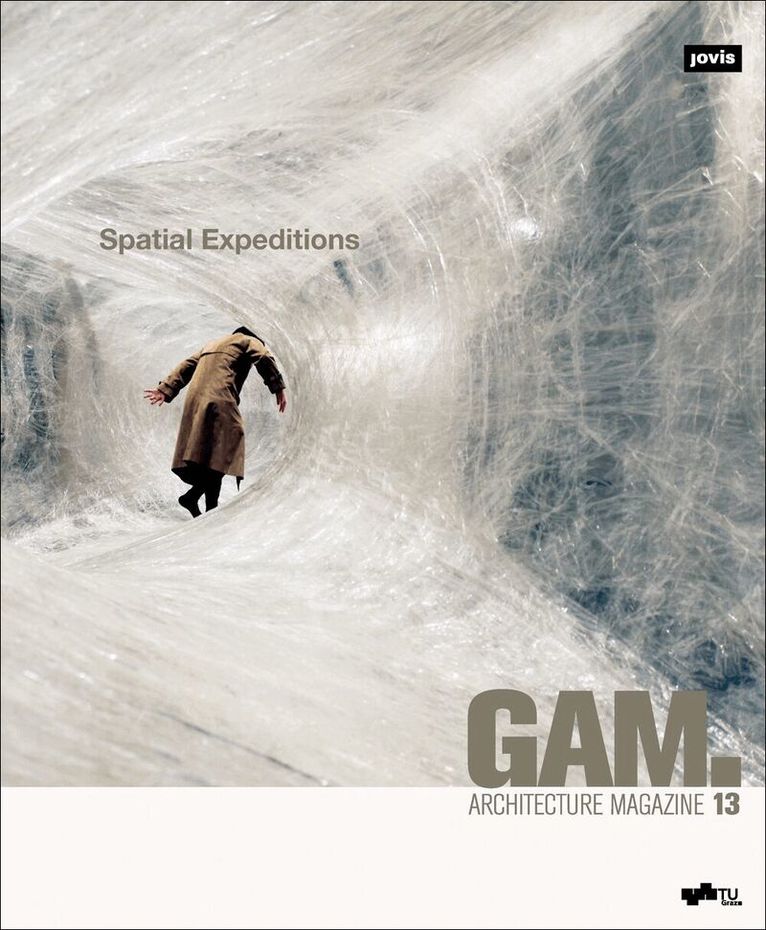
Spatial Expeditions
Spatial Expeditions
Av Architekturfakultät der Technischen Universität Graz, Irmgard Frank m. fl.
Häftad, 2017
276 kr
Tillfälligt slut
A novel approach to architecture that takes inspiration from visual arts, music, dance and other related disciplines.
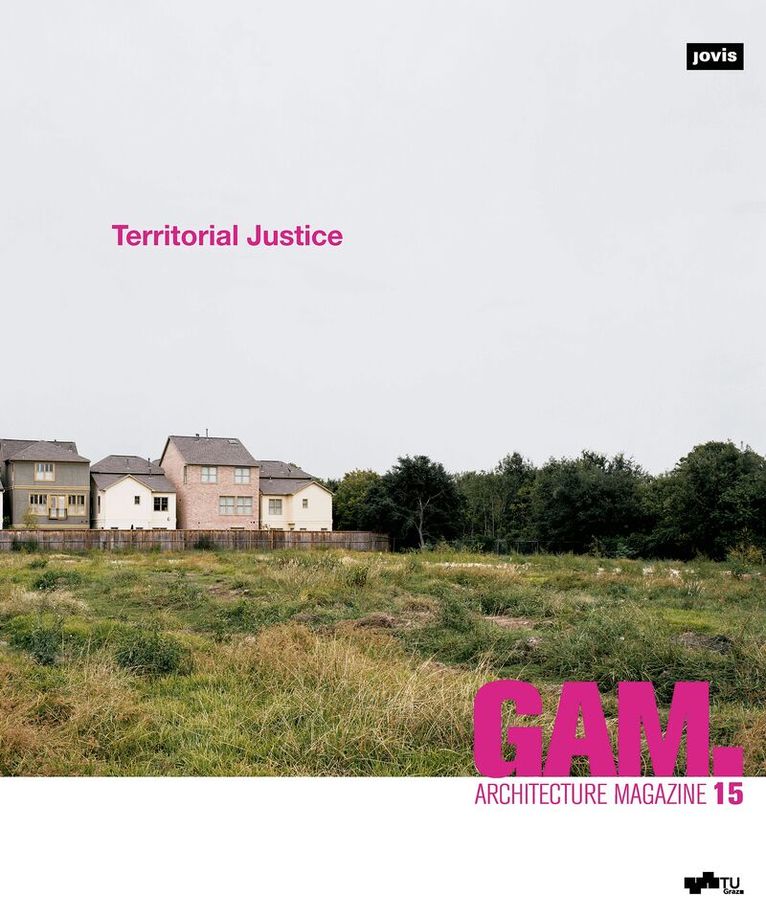
Territorial Justice
Av Daniel Gethmann, Architekturfakultät der Technischen Universität Graz m. fl.
Häftad, 2019
252 kr
Tillfälligt slut
Bilingual edition (English/German) / Zweisprachige Ausgabe (deutsch/englisch) In the face of growing territorial inequalities in the distribution of and access to resources, justice has—once again—become a topical issue and challenge in the fields of land-use planning and urbanism. GAM.15 is …
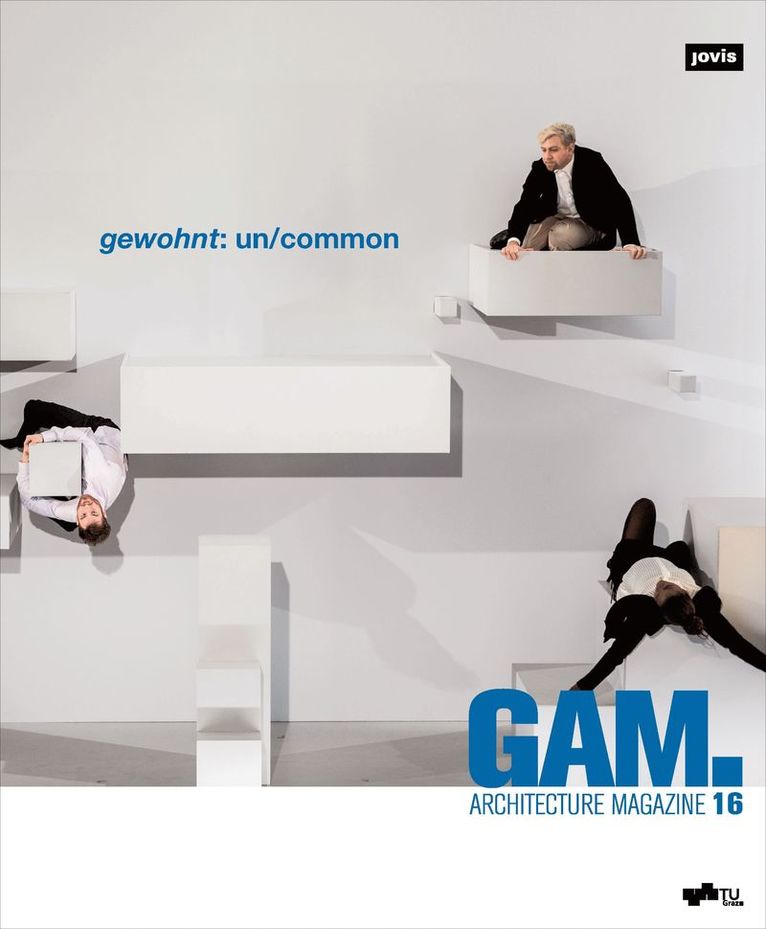
GAM.16 gewohnt: un/common
Av Daniel Gethmann, Architekturfakultät der Technischen Universität Graz m. fl.
Häftad, 2020
260 kr
Tillfälligt slut
Bilingual edition (English/German) / Zweisprachige Ausgabe (deutsch/englisch) Contemporary and future forms of living together urgently need new concepts in order to respond to growing social inequality, the dissolution of traditional structures for work and the family, and the emergence of diverse …
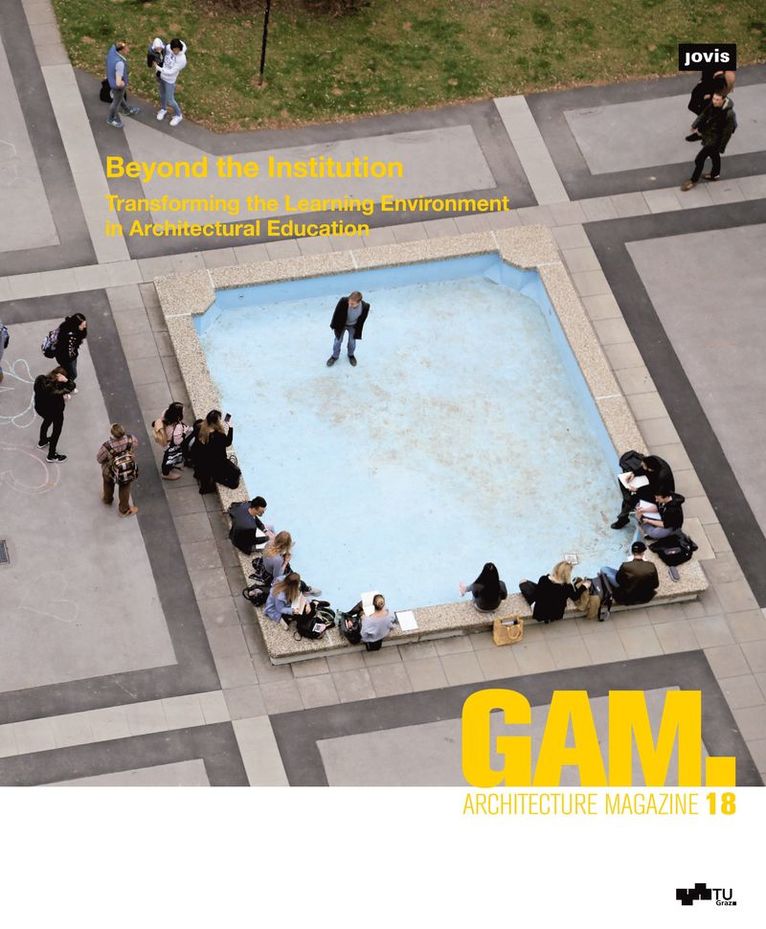
Beyond the Institution: Transforming the Learning Environment in Architectural Education
Av Architekturfakultät der Technischen Universität Graz, Petra Petersson m. fl.
Häftad, 2022
267 kr
Tillfälligt slut
Bilingual edition (English/German) / Zweisprachige Ausgabe (deutsch/englisch) New and cutting-edge forms of pedagogy such as distance learning, design-build, collaborative learning, and peer-to-peer practices are increasingly calling conventional teaching and learning environments, in architecture …
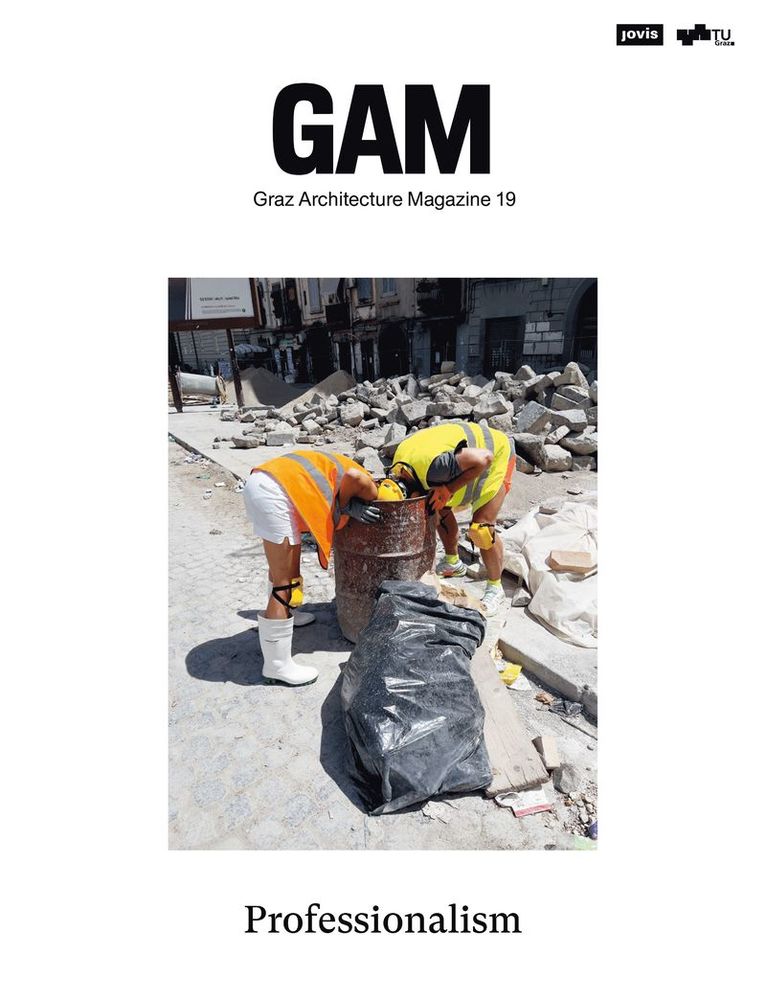
Professionalism
Av Architekturfakultät der Technischen Universität Graz, Anne Femmer m. fl.
Häftad, 2023
260 kr
Tillfälligt slut
Bilingual edition (English/German) / Zweisprachige Ausgabe (deutsch/englisch) Whoever builds is inevitably confronted with a jungle of different positions, all with one thing in common: they are all the views of professionals. As a discipline, architecture occupies a special role. It is a …
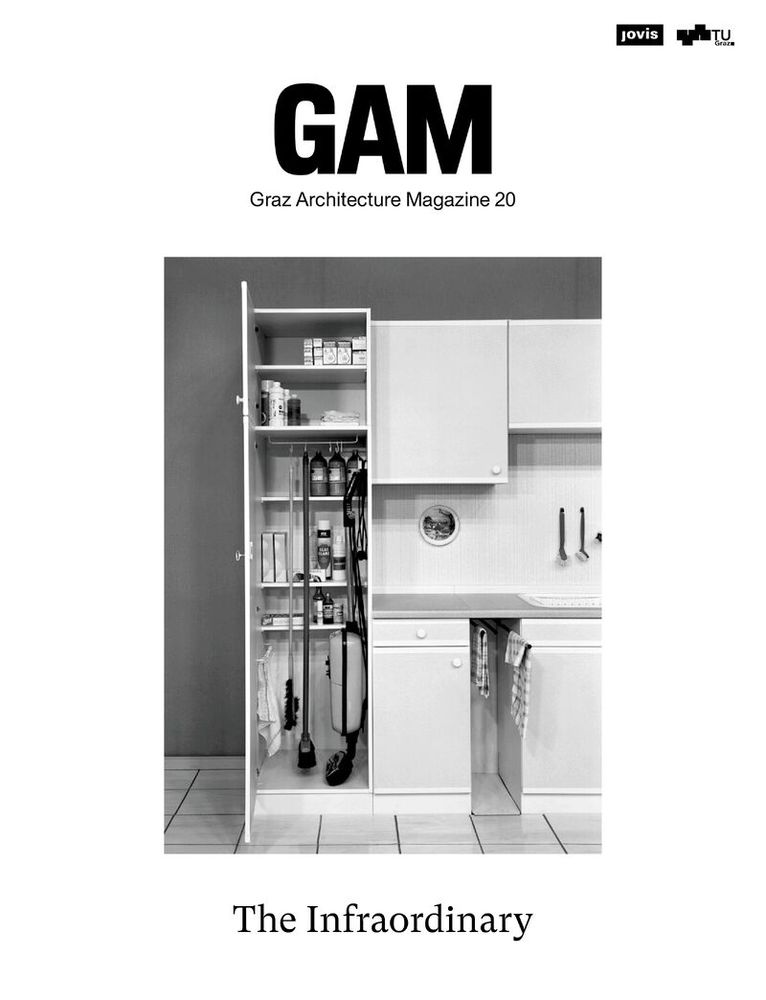
Infraordinary
Av Architekturfakultät der Technischen Universität Graz, Matthias Castorph m. fl.
Häftad, 2024
260 kr
Tillfälligt slut
Bilingual edition (English/German) / Zweisprachige Ausgabe (deutsch/englisch) GAM 20 is dedicated to the search for the everyday in architecture. Its title, “The Infraordinary,” refers to a concept first used by Paul Virilio and Georges Perec: In the 1970s, they introduced the term …