Gorgias Neo-Aramaic Studies – serie
Visar alla böcker i serien Gorgias Neo-Aramaic Studies. Handla med fri frakt och snabb leverans.
4 produkter
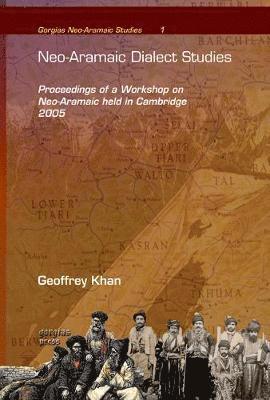
Neo-Aramaic Dialect Studies
Proceedings of a Workshop on Neo-Aramaic held in Cambridge 2005
Av Geoffrey Khan, Eleanor Coghill
Inbunden, 2008
1431 kr
Lägg i varukorg
This volume contains a collection of papers presented at the workshop on various aspects of the grammar of Neo-Aramaic, with special attention to the North Eastern Neo-Aramaic dialect group. The papers include descriptions of several hitherto undescribed dialects together with sample texts and also …
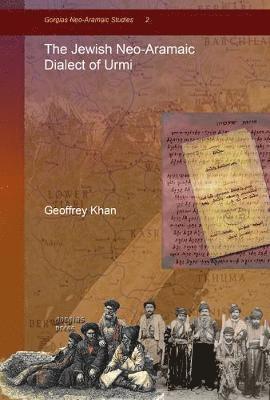
Jewish Neo-Aramaic Dialect of Urmi
Inbunden, 2008
2386 kr
Lägg i varukorg
This volume presents a description of the Neo-Aramaic dialect that was spoken by the Jews of Urmi in north-western Iran but which is now virtually extinct. The material for the volume was gathered firsthand in fieldwork conducted with the last remaining speakers in Israel. The volume consists of a …
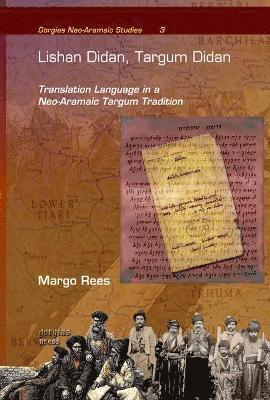
Lishan Didan, Targum Didan
Translation Language in a Neo-Aramaic Targum Tradition
Av Margo Rees
Inbunden, 2008
1178 kr
Lägg i varukorg
This study examines the language and translation technique used in a modern “targum” of the Bible. The targum – referred to as “Manuscript Barzani” – is a written preservation of a tradition of Jewish Neo-Aramaic Bible translation, originally transmitted in oral form among the religious leaders of …
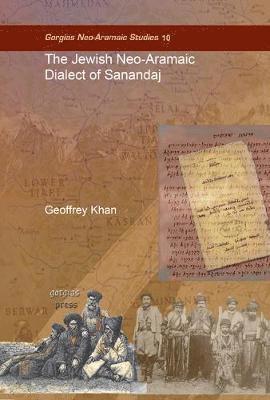
Jewish Neo-Aramaic Dialect of Sanandaj
Inbunden, 2009
2284 kr
Lägg i varukorg
This volume presents a description of the Neo-Aramaic dialect that was spoken by the Jews of Sanandaj in western Iran, but which is now virtually extinct. The material for the volume was gathered firsthand in fieldwork conducted with the last remaining speakers in Israel. The volume consists of a …