Limina/Limites: Archaeologies, histories, islands and borders in the Mediterranean (365-1556) – serie
Visar alla böcker i serien Limina/Limites: Archaeologies, histories, islands and borders in the Mediterranean (365-1556). Handla med fri frakt och snabb leverans.
10 produkter
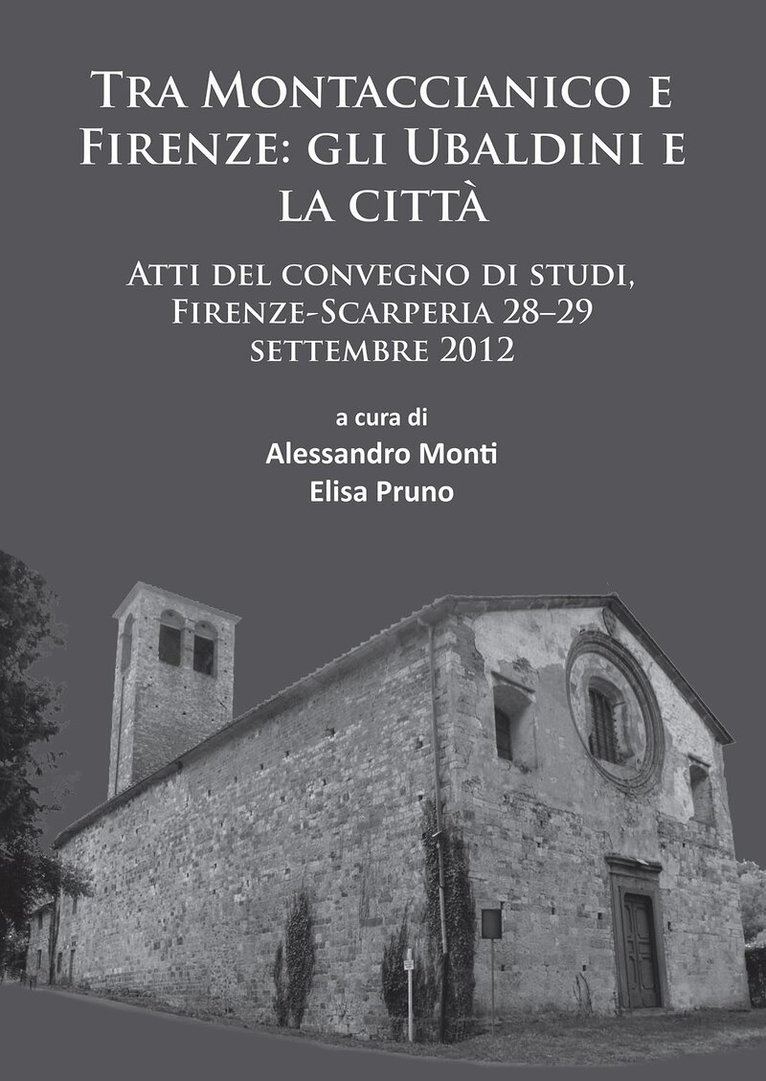
Tra Montaccianico e Firenze: gli Ubaldini e la città
Atti del convegno di studi, Firenze-Scarperia 28–29 settembre 2012
Av Alessandro Monti, Elisa Pruno
Häftad, 2016
464 kr
Lägg i varukorg
The central theme The Ubaldini and the City is the classic confrontation between feudal society and a resurgent urban form as the central instrument of organisation of European society, which is crucial to the origins of Europe as we know it today. The analysis starts from a reconstruction of the …
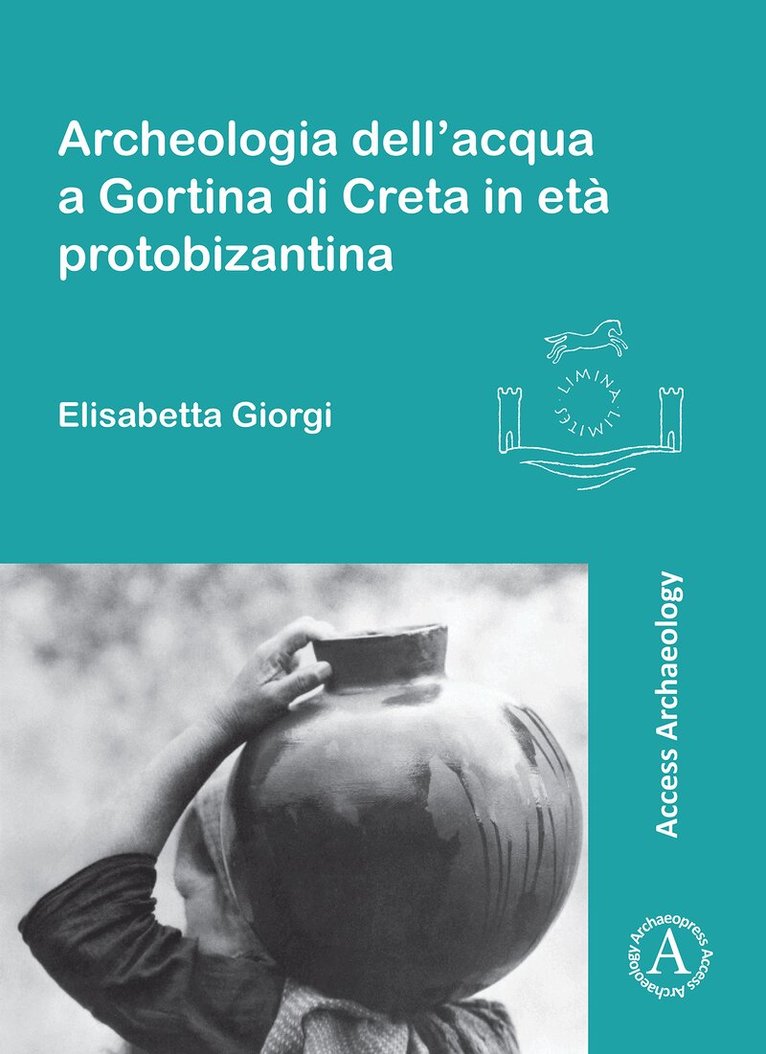
Archeologia dell’acqua a Gortina di Creta in età protobizantina
Häftad, 2016
617 kr
Lägg i varukorg
Ancient aqueducts have long commanded the attention of archaeologists, both for their intrinsic, monumental importance and for their significance as infrastructures closely related to the concept of civilisation. An aqueduct, in fact, is an artefact that has a great potential for providing …
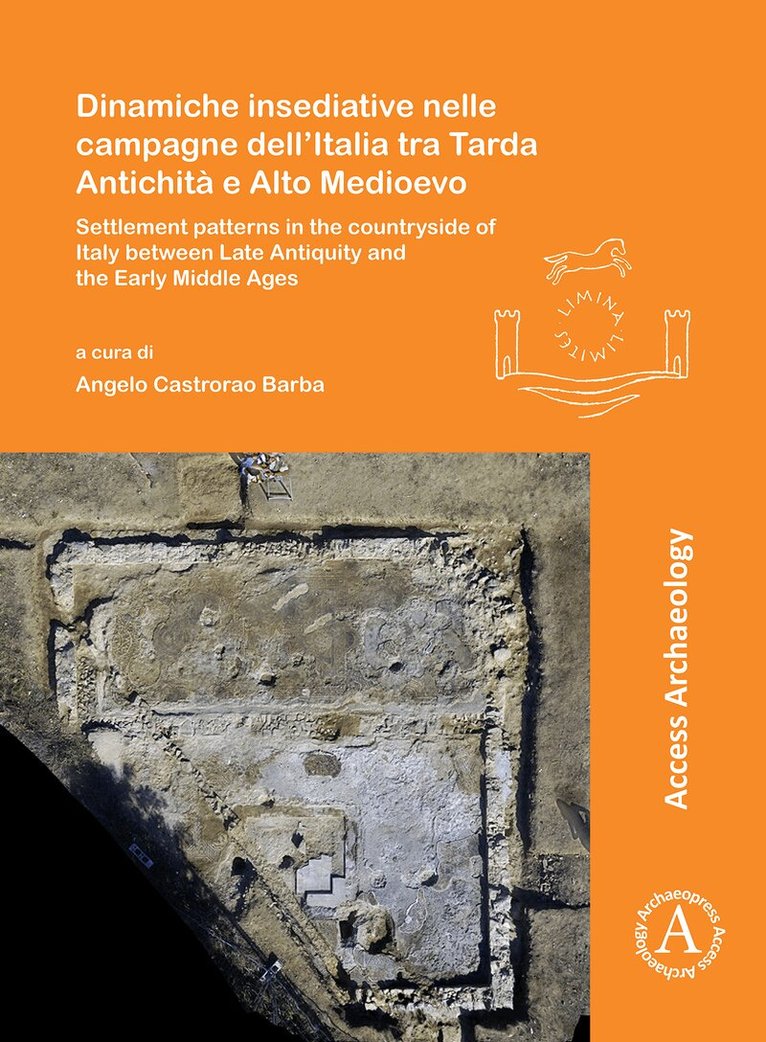
Dinamiche insediative nelle campagne dell'Italia tra Tarda Antichità e Alto Medioevo
Häftad, 2018
479 kr
Lägg i varukorg
This volume gathers a series of selected contributions about settlement patterns in the Italian countryside between Late Antiquity and the Early Middle Ages. It provides a critical overview of the most recent research carried out on late antique and early medieval Italy (Friuli Venezia Giulia, …
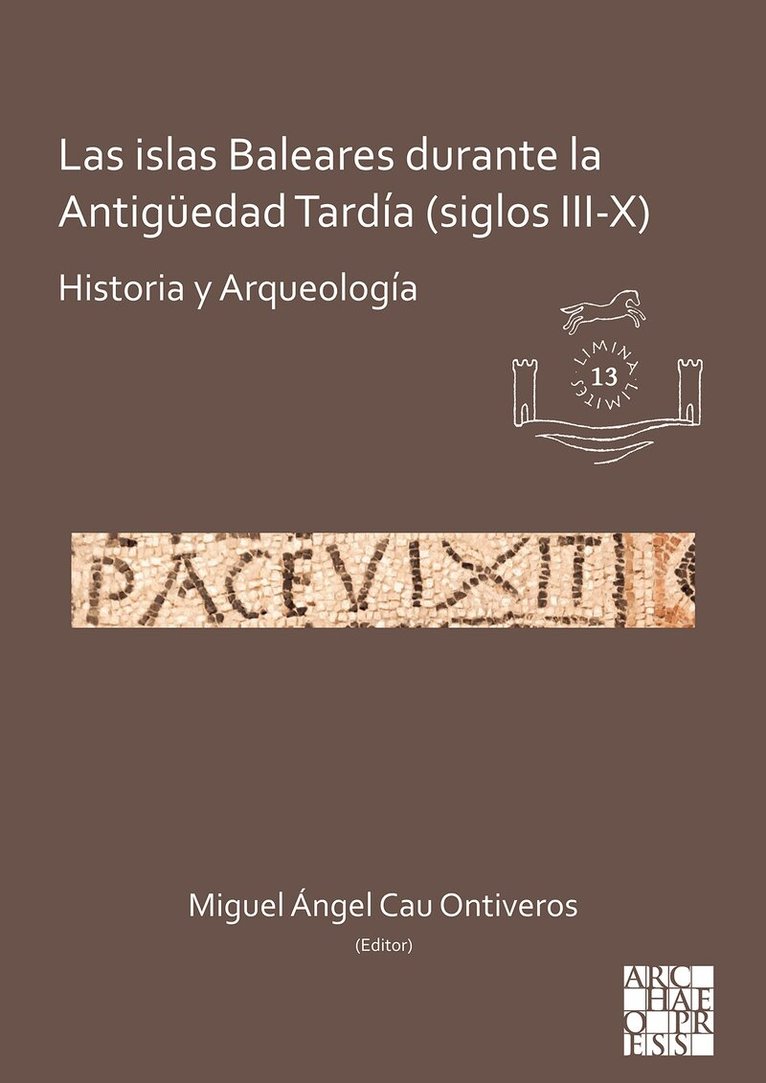
islas Baleares durante la Antigüedad Tardía (siglos III-X)
Historia y Arqueología
Häftad, 2024
1187 kr
Lägg i varukorg
Este volumen colectivo recoge diferentes contribuciones sobre la historia y la arqueología de las islas Baleares durante la Antigüedad tardía. En su conjunto, estas aportaciones ofrecen una visión general entre el siglo III y X d. C., un período considerado tradicionalmente como uno de los peor …
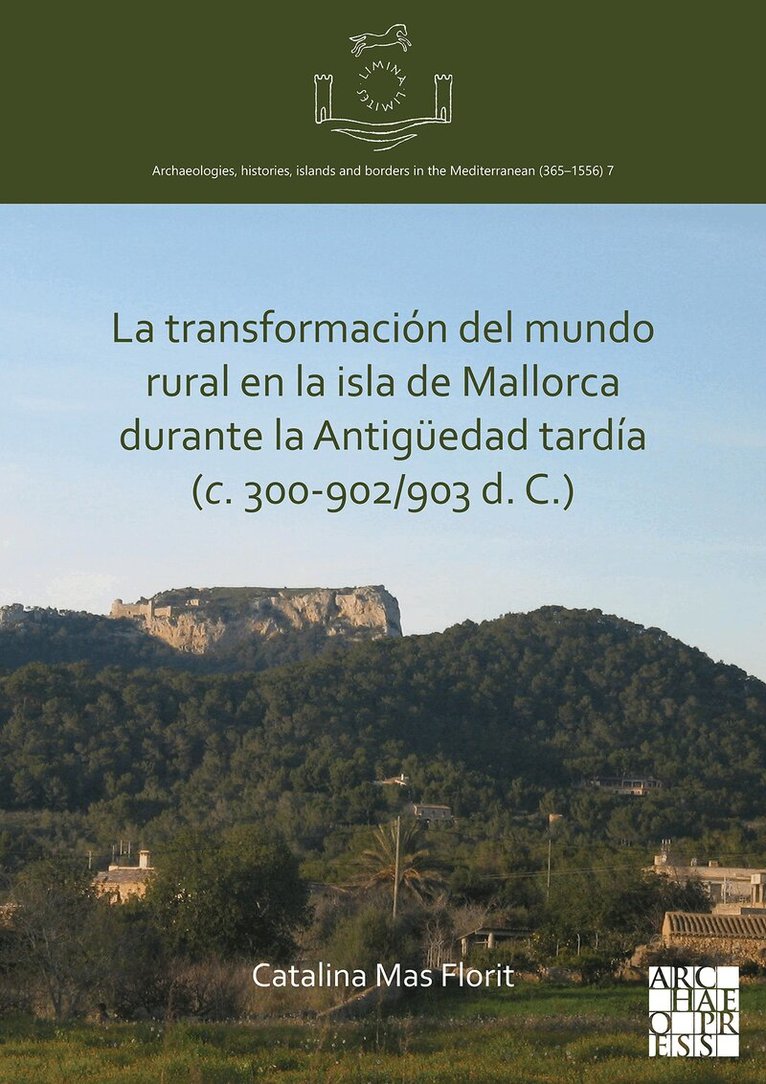
transformación del mundo rural en la isla de Mallorca durante la Antigüedad tardía (c. 300-902/903 d. C.)
Häftad, 2021
479 kr
Lägg i varukorg
La transformación del mundo rural en la isla de Mallorca durante la Antigüedad tardía presents the study of the rural landscape of the eastern part of the island of Mallorca (Balearic Islands) during Late Antiquity, providing new data that improves our understanding of one of the least well-known …
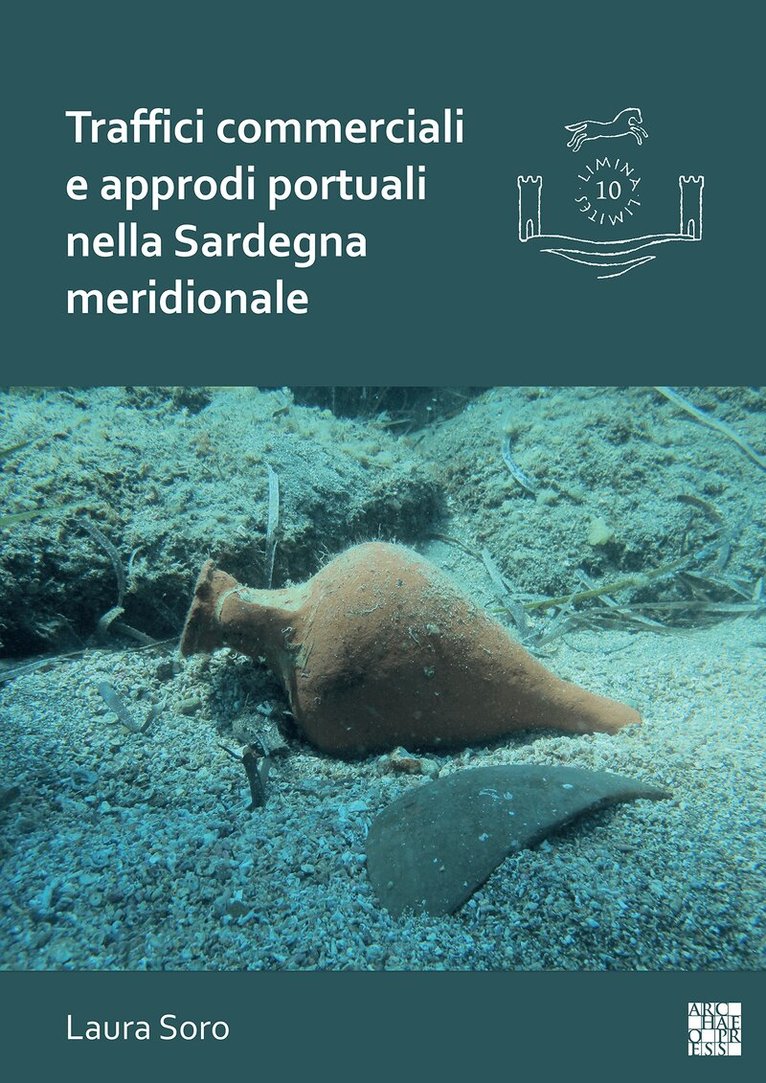
Traffici commerciali e approdi portuali nella Sardegna meridionale
Analisi dei contenitori da trasporto e dei contesti subacquei (III-VII secolo)
Av Laura Soro
Häftad, 2022
778 kr
Lägg i varukorg
Traffici commerciali e approdi portuali nella Sardegna meridionale riguarda lo studio dei flussi commerciali della costa meridionale della Sardegna nella tarda antichità, attraverso i ritrovamenti subacquei, le analisi dei contenitori anforici e gli ipotetici luoghi d’attracco. Le indagini …
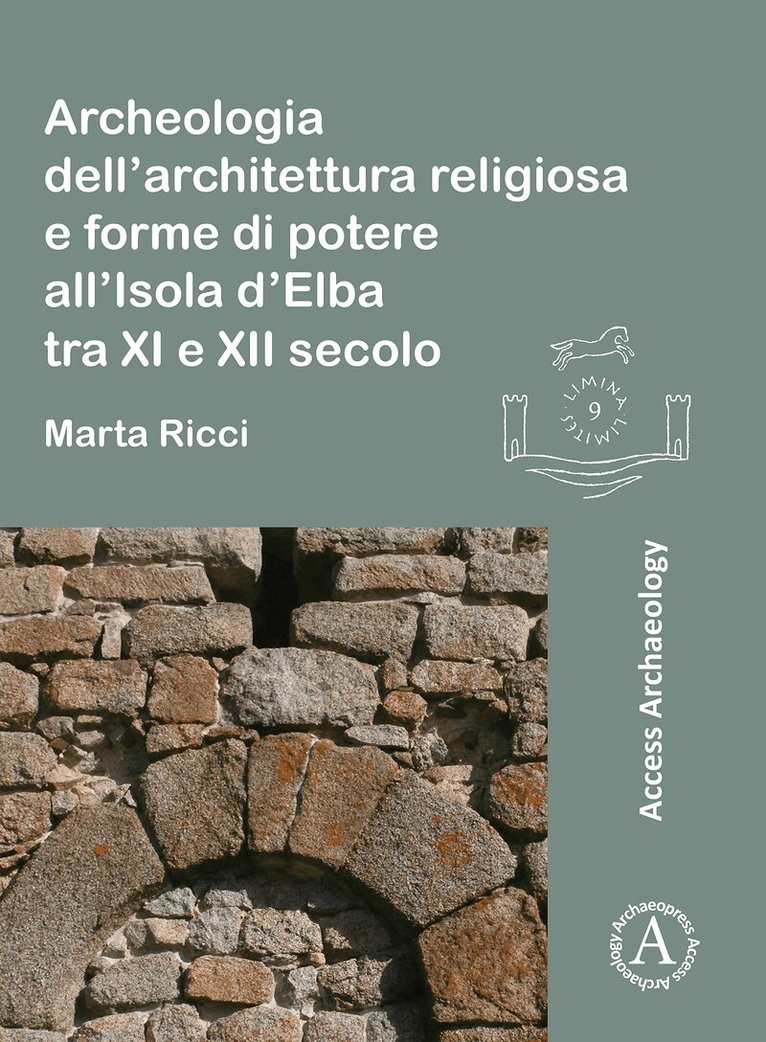
Archeologia dell’architettura religiosa e forme di potere all’Isola d’Elba tra XI e XII secolo
Av Marta Ricci
Häftad, 2022
469 kr
Lägg i varukorg
This study is a historical archaeological analysis of a territorial area including the Island of Elba, Monte Pisano and the neighboring plain, using the methodology of 'light' archeology: stratigraphic reading of the elevations and reading of the historical landscape. The purpose of the study was …
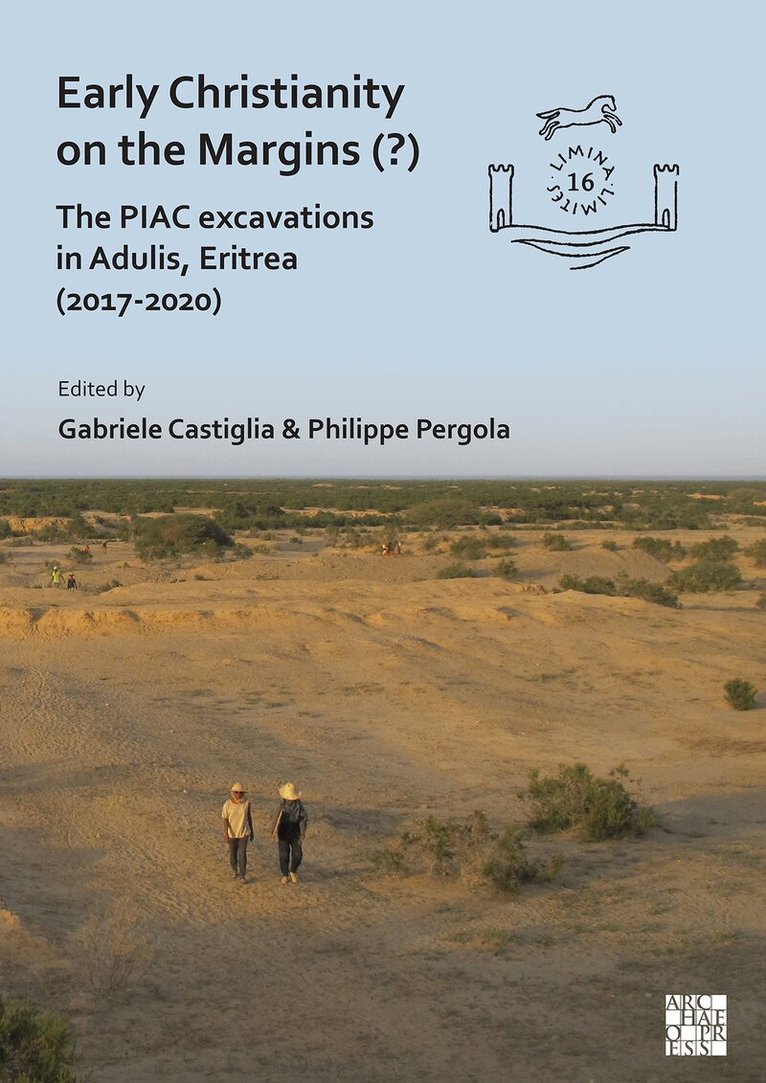
Early Christianity on the Margins (?)
The PIAC Excavations in Adulis, Eritrea (2017-2020)
Av Gabriele Castiglia, Philippe Pergola
Häftad, 2025
588 kr
Lägg i varukorg
Early Christianity on the Margins (?) is the final result of a five-year project divided into multiple phases, in which the Pontificio Istituto di Archeologia Cristiana (Pontifical Institute of Christian Archaeology - PIAC) of Rome took a leading role in the excavation and study of some of the most …
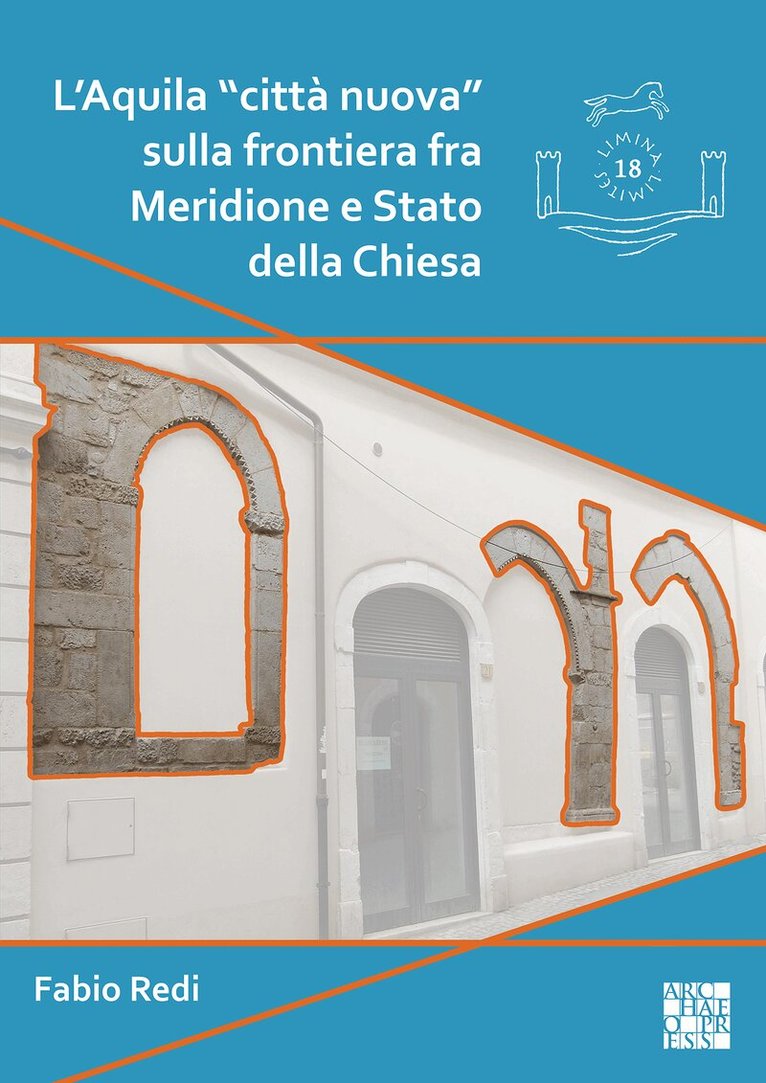
L’Aquila "città nuova" sulla frontiera fra Meridione e Stato della Chiesa
L’impianto e l’edilizia residenziale fra XII e XV secolo
Av Fabio Redi
Häftad, 2025
637 kr
Lägg i varukorg
Following the archaeological investigation of the topographical layout of L'Aquila during the Norman, Swabian and Angevin periods, the types of residential buildings in this border town between the Papal States and southern Italy are presented. The volume also analyses the construction techniques …
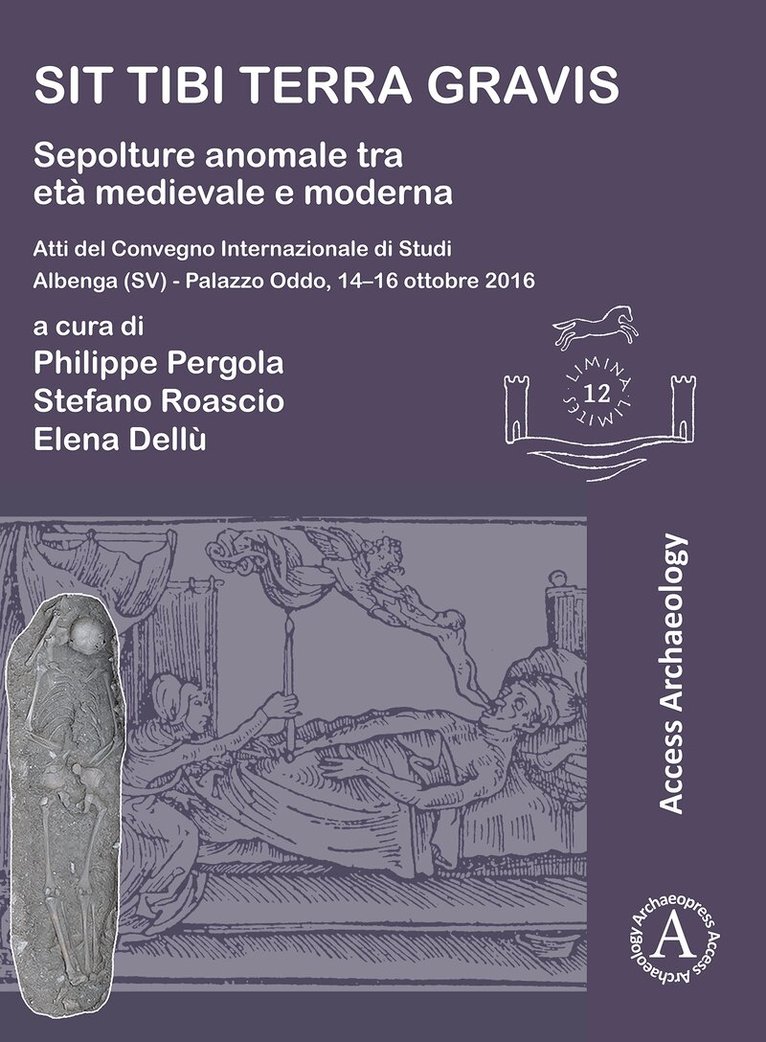
Sit tibi terra gravis: Sepolture anomale tra età medievale e moderna
Atti del Convegno Internazionale di Studi Albenga (SV) – Palazzo Oddo, 14-16 ottobre 2016
Av Philippe Pergola, Stefano Roascio m. fl.
Häftad, 2023
1088 kr
Tillfälligt slut
Between 2014 and 2015 in the excavations of the church of San Calocero in Albenga (Savona - Italy) two burials of young post-medieval women with particular and anomalous characteristics were brought to light. The first inhumation was prone and placed in a deep grave isolated from the cemetery; the …