Meisterwerke /Masterpieces – serie
Visar alla böcker i serien Meisterwerke /Masterpieces. Handla med fri frakt och snabb leverans.
3 produkter
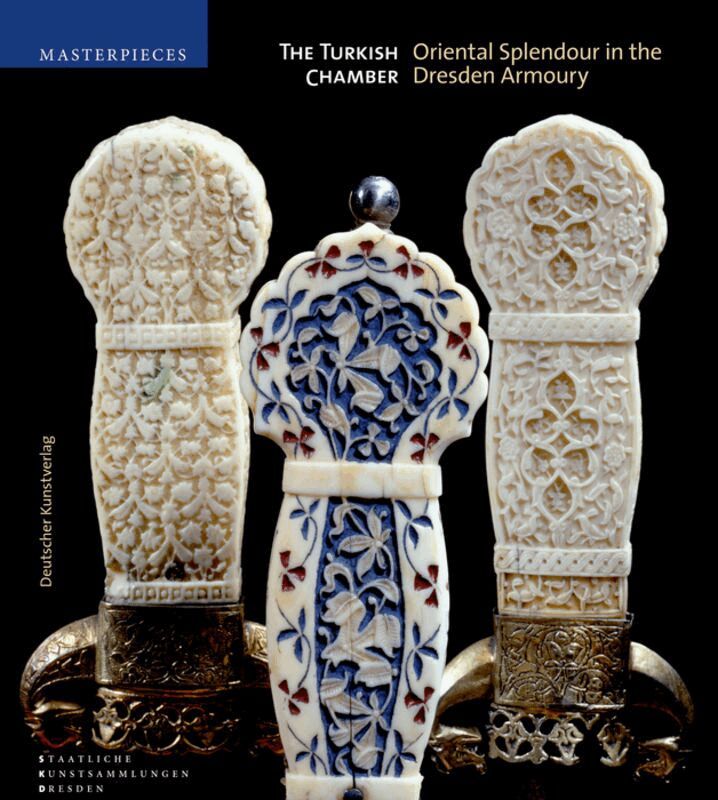
Turkish Chamber
Oriental Splendour in the Dresden Armoury
Av Holger Schuckelt, Staatliche Kunstsammlungen Dresden
Inbunden, 2010
221 kr
Lägg i varukorg
The Türckische Cammer once owned by the Electors of Saxony is one of the most important collections of its kind worldwide. Unlike the so-called 'Turkish Booty' of the late 7th century, the Electors amassed an exotic collection over several centuries that had little to do with the looting engaged in …
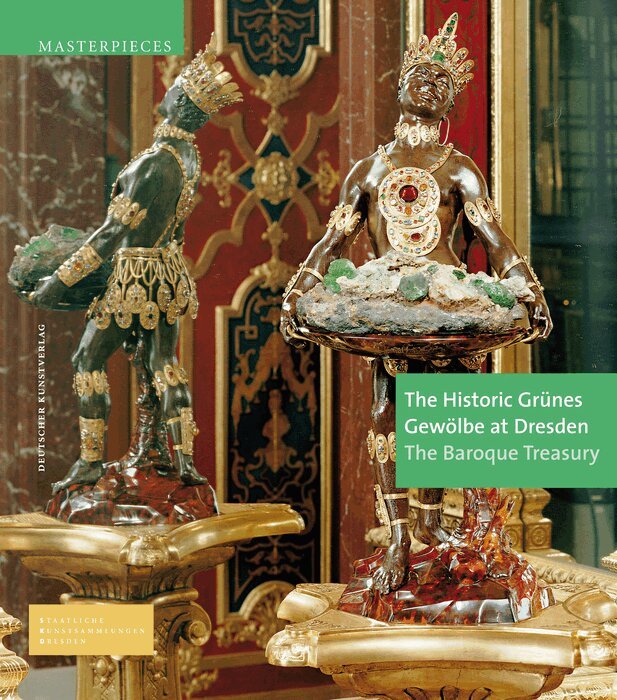
Historic Grünes Gewölbe at Dresden
The Baroque Treasury
Av Dirk Syndram, Jutta Kappel m. fl.
Inbunden, 2014
327 kr
Lägg i varukorg
The famous "Historisches Grünes Gewölbe" returns to the residential palace for the first time after years in September 2 . The beautifully illustrated catalogue takes the reader on a fascinating tour through this unique "Gesamtkunstwerk". The " Grünes Gewölbe" was founded in 55 by Elector August of …
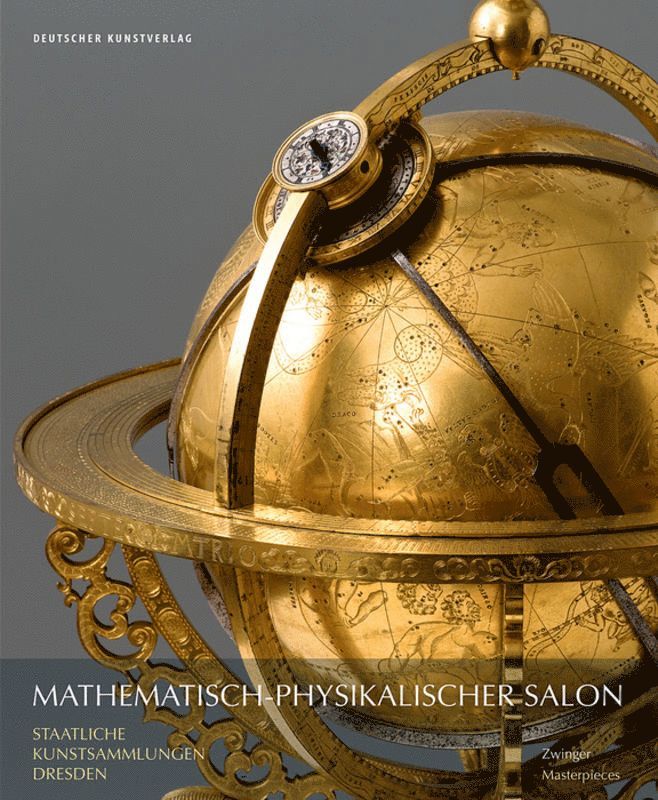
Mathematisch-Physikalischer Salon – Masterpieces
Zwinger
Häftad, 2020
311 kr
Lägg i varukorg
In 1728, Augustus II the Strong erected the "Royal Cabinet of Mathematical and Physical Instruments" in the Royal Palace at the Zwinger in Dresden as an independent museum that collected tools and scientific instruments for calculating the altitude of stars or the next solar eclipse, or for …