New Harbinger Loving Someone Series - Böcker
Visar alla böcker i serien New Harbinger Loving Someone Series. Handla med fri frakt och snabb leverans.
6 produkter
6 produkter
234 kr
Skickas inom 7-10 vardagar
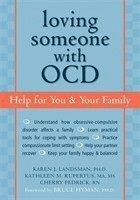
People who suffer from mental illness rarely do so alone. Their families and loved ones face their own set of unique challenges - problems that deserve their own resources and sources of support. This is the first book written specifically for the loved ones of people with obsessive-compulsive disorder (OCD). It helps readers examine how OCD affects their lives and offers a straightforward system for building a healthier, more constructive relationship with OCD sufferers.
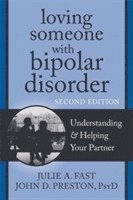
Loving Someone with Bipolar Disorder, Second Edition
Understanding and Helping Your Partner
Häftad, Engelska, 2012
209 kr
Skickas inom 7-10 vardagar
This fully revised and updated second edition of the bestselling Loving Someone with Bipolar Disorder discusses all aspects of readers' relationships with bipolar partners: work, money, sex, medications and their side effects, therapeutic treatments, and more. Also called manic depressive disorder, bipolar disorder can cause extreme mood swings, and people who suffer from this disorder can alternate between manic and depressed behavior without much warning. Loving Someone with Bipolar Disorder, Second Edition, builds on the practical advice offered in the original book by offering critical new information on the medications that are sometimes prescribed to manage bipolar disorder symptoms. Readers will learn how their partners may be affected by medication and what side effects they can expect. Because readers serve an important role in managing and monitoring their partner's medication, this information is essential to supporting the treatment of people with bipolar disorder. Readers discover how to better communicate with their partners, manage their own emotional responses to partners' mood swings, and deal with problems relating to work, money, and sex. Although this guide is written for the romantic partner of an individual with bipolar disorder, thousands of friends and family members of people with bipolar disorder have also found its realistic and practical advice endlessly useful.
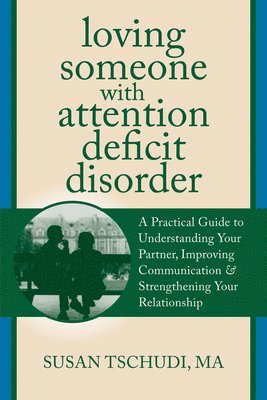
Loving Someone with ADD
A Practical Guide to Understanding Your Partner, Improving Your Communication, and Strengthening Your Relationship
Häftad, Engelska, 2012
220 kr
Skickas inom 7-10 vardagar
It isn't easy to be a loving partner to someone who is routinely distracted, has trouble restraining their impulses, and finds it difficult to communicate with others. But for those who have partners living with attention deficit disorder, or ADD, these issues are everyday struggles. Often, ADD symptoms manifest in ways that are destructive to healthy relationships. In Loving Someone with ADD, marriage and family therapist Susan Tschudi (whose husband has ADD) presents practical guidance readers can use to set healthy boundaries, clarify their expectations, and ensure their partners fulfill their responsibilities. The book focuses on helping the reader meet his or her own needs in the relationship, not just on addressing the needs of their partners. It offers thorough and practical advice for moving through obstacles as a couple, accepting that ADD will always be a part of the relationship, and defusing anger and frustration that may arise.
199 kr
Skickas inom 7-10 vardagar
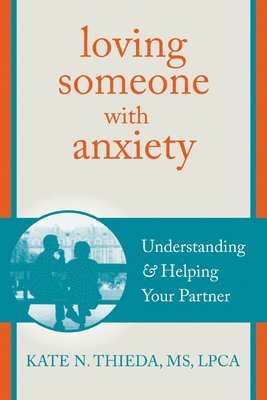
Loving Someone with Anxiety is one of the few books written specifically for the partners of people with anxiety disorders. The book is designed not only to aid you in helping your partner cope with anxiety and worry, but also to help you take care of your own needs. Inside, you'll learn the importance of setting healthy boundaries, limiting codependent behaviors, and why taking over roles that make your partner anxious-such as answering the phone, driving, or doing the grocery shopping because your partner feels too anxious to be in public-can be extremely damaging for the both of you.Codependency in relationships with an anxious partner can lead to resentment, anger, and a sense of helplessness on your side. This book will help you and your partner overcome these negative behaviors, build better communication and a stronger personal connection.Written by a licensed professional counselor who specializes in helping the partners of those with mental illnesses , this book is the resource that you have been looking for to help you understand your anxious partner and keep anxiety from sabotaging your relationship.
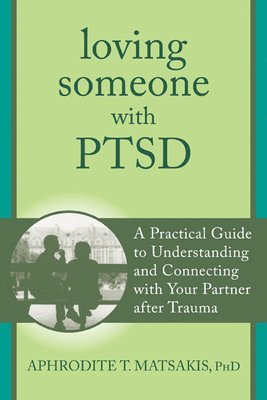
Loving Someone with PTSD
A Practical Guide to Understanding and Connecting with Your Partner after Trauma
Häftad, Engelska, 2014
283 kr
Skickas inom 3-6 vardagar
Post-traumatic stress disorder (PTSD) can present with a number of symptoms, including anxiety, depression, flashbacks, and trouble sleeping. If your partner has PTSD, you may want to help, but find yourself at a loss. The simple truth is that PTSD can be extremely debilitating-not just for the person who has experienced trauma first-hand, but for their partners as well. And while there are many books written for those suffering from PTSD, there are few written for the people who love them. In Loving Someone with PTSD, renowned trauma expert and author of I Can't Get Over It!, Aphrodite Matsakis, presents concrete skills and strategies for the partners of those with PTSD. With this informative and practical book, you will increase your understanding of the signs and symptoms of PTSD, improve your communication skills with your loved one, set realistic expectations, and work to create a healthy environment for the both of you. In addition, you will learn to manage your own grief, helplessness, and fear regarding your partner's condition.PTSD is a manageable disability. While it isn't your responsibility to rescue your partner or act as his or her therapist, this book will help you be supportive and implement strategies for lessening the negative impact of PTSD-not just for your partner, but for your relationship, and, importantly, for yourself.
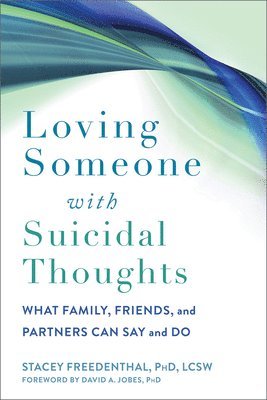
Loving Someone with Suicidal Thoughts
What Family, Friends, and Partners Can Say and Do
Häftad, Engelska, 2023
177 kr
Skickas inom 7-10 vardagar
If you have a loved one who is experiencing suicidal thoughts, you may feel deeply afraid-both of loss and of saying the wrong thing and making matters worse. Based on decades of clinical experience in suicidology, this compassionate guide gives readers the essential communication techniques and coping skills they need to support a loved one in crisis, while also taking care of themselves. If you love someone who is having suicidal thoughts, you may struggle with the profound fear of saying or doing the wrong thing. You want to help, and you may even feel a kind of desperation to make sure your loved one is safe, but are unsure of where to start. This book can guide you as you support your loved one-without sacrificing your own needs and well-being. You'll find the answers to some of your most urgent questions, including: - What are signs, symptoms, and clues of suicide risk? - How do I talk with my loved one about their suicidal thoughts? - When should I call the police? - What treatments are available? - How can I help the person I care about stay safe? - What can I do to help them feel better? - What can I do to cope better, too? - What happens after a suicidal crisis? Written by a psychotherapist and based on decades of clinical experience in suicidology, this compassionate guide offers essential communication techniques you can use to help your loved one, as well as coping and self-care strategies to help you navigate intense stress, worry, fear, and anxiety. Drawn from cognitive behavioural therapy (CBT), acceptance and commitment therapy (ACT), and mindful self-compassion, the tools in this book will assist you in navigating difficult or painful conversations with your loved one, as well as manage your own emotions. If someone close to you is experiencing suicidal thoughts, you may feel afraid-both of loss and of saying the wrong thing and making matters worse. This book will help you recognize warning signs, improve communication, create a safety plan, know when to seek professional help, and support a loved one in crisis.