Routledge Environmental Anthropology – serie
Visar alla böcker i serien Routledge Environmental Anthropology. Handla med fri frakt och snabb leverans.
8 produkter
8 produkter
Inbunden, Engelska, 2023
777 kr
Skickas inom 10-15 vardagar
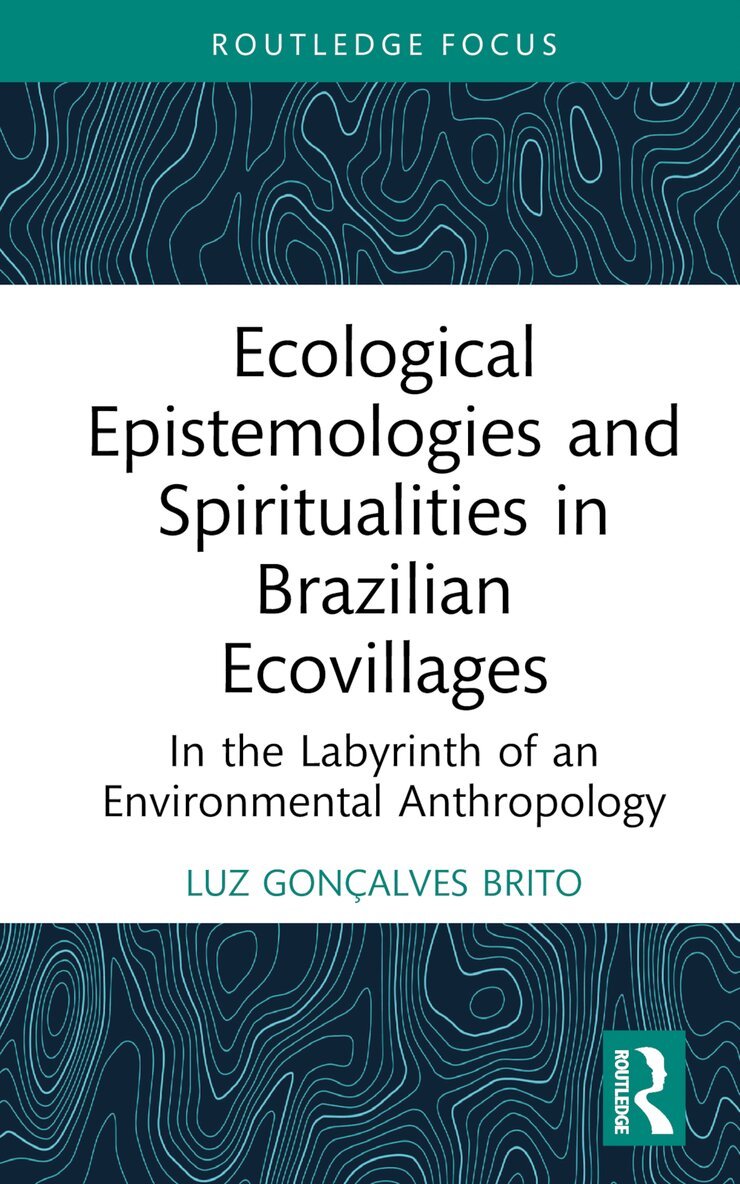
This book brings together ethnographic field research on four permacultural ecovillages in Brazil to highlight the importance of spirituality and ecological epistemologies as key analytical tools. It demonstrates that ecological spirituality can, and should, be understood beyond the dichotomy of personal and political, between people and nature, in the field of environmental anthropology. The book uses a broad philosophical methodology based on the phenomenological theories of Maurice Merleau-Ponty, Tim Ingold and Alfred Schutz combined with post-structuralist conceptions of the relationship between person and world, individual and society. The field research consisted of ethnographic travel, observation and recorded dialogue with individuals based in each ecovillage: Arca Verde, situated in Campos de Cima da Serra; Vrinda Bhumi, a Vaishnava ecovillage in Baependi-MG; Goura Vrindavana, a Vaishnava ecovillage in Paraty-RJ; and Muriqui Assu Ecovillage Project, a secular ecovillage in Niterói-RJ. Throughout the book ethnographic research is woven together with poetic interludes, images, personal narrative experience and phenomenological theory, bringing a new understanding and approach to environmental anthropology as a discipline.Including a Preface written by Tim Ingold, it will appeal to academics, researchers and upper-level students in phenomenology, environmental philosophy, environmental anthropology, religious studies and social sciences more broadly.
Häftad, Engelska, 2024
301 kr
Skickas inom 10-15 vardagar
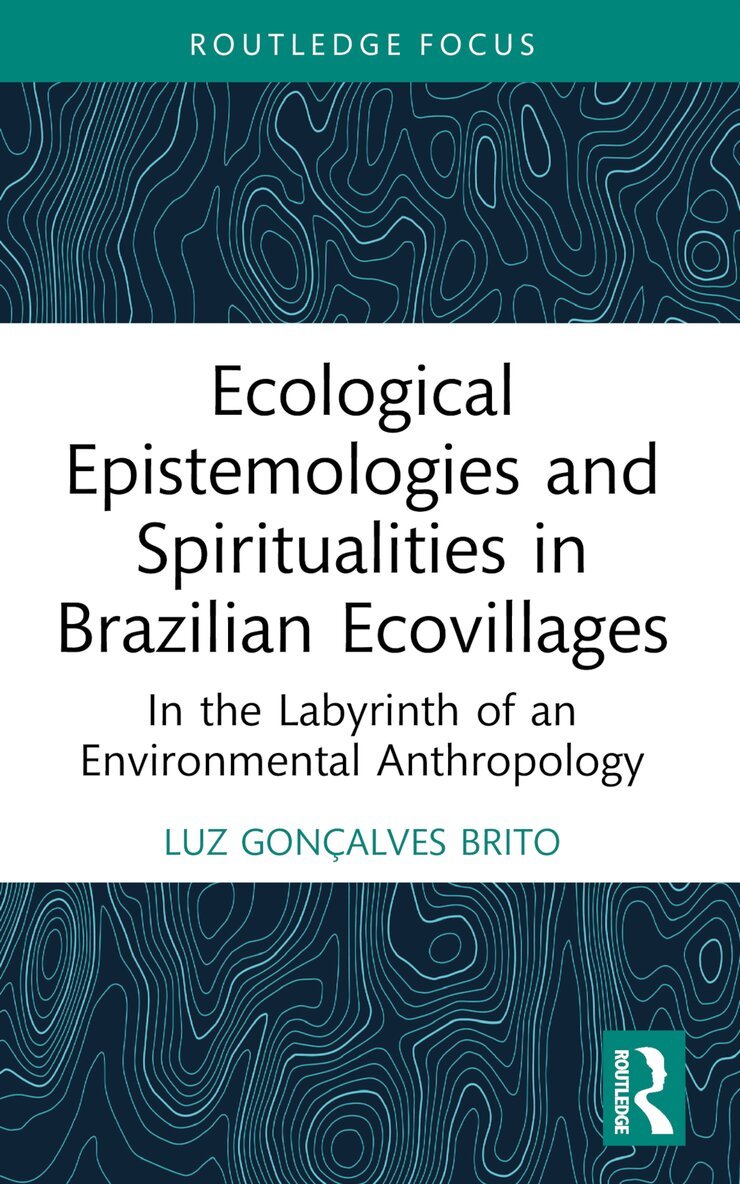
This book brings together ethnographic field research on four permacultural ecovillages in Brazil to highlight the importance of spirituality and ecological epistemologies as key analytical tools. It demonstrates that ecological spirituality can, and should, be understood beyond the dichotomy of personal and political, between people and nature, in the field of environmental anthropology. The book uses a broad philosophical methodology based on the phenomenological theories of Maurice Merleau-Ponty, Tim Ingold and Alfred Schutz combined with post-structuralist conceptions of the relationship between person and world, individual and society. The field research consisted of ethnographic travel, observation and recorded dialogue with individuals based in each ecovillage: Arca Verde, situated in Campos de Cima da Serra; Vrinda Bhumi, a Vaishnava ecovillage in Baependi-MG; Goura Vrindavana, a Vaishnava ecovillage in Paraty-RJ; and Muriqui Assu Ecovillage Project, a secular ecovillage in Niterói-RJ. Throughout the book ethnographic research is woven together with poetic interludes, images, personal narrative experience and phenomenological theory, bringing a new understanding and approach to environmental anthropology as a discipline.Including a Preface written by Tim Ingold, it will appeal to academics, researchers and upper-level students in phenomenology, environmental philosophy, environmental anthropology, religious studies and social sciences more broadly.
Inbunden, Engelska, 2024
2 038 kr
Skickas inom 10-15 vardagar
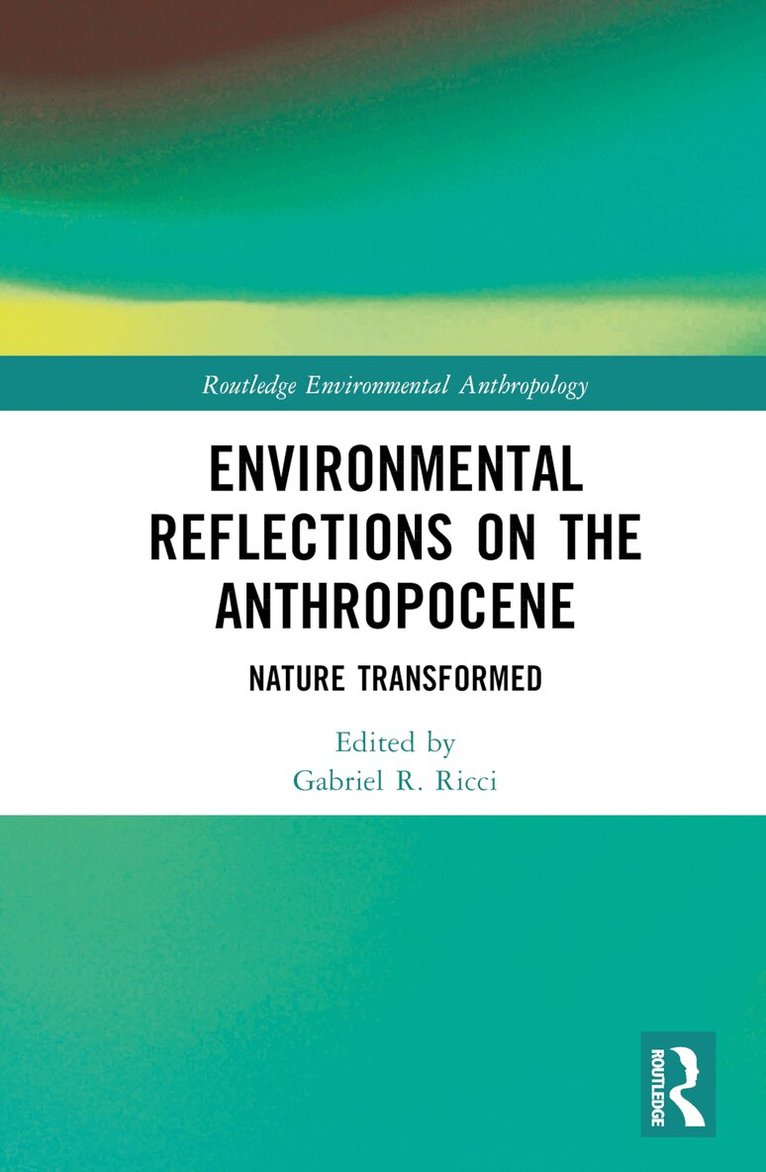
Incorporating the intellectual history of disciplines from across the humanities, including environmental anthropology, philosophy, ethics, literature, history, science and technology studies, this volume provides a select orientation to the experience of nature from the ancient world to the Anthropocene.Taking its momentum from the emerging environmental humanities, this collection integrates Western, Indigenous, postcolonial, feminist and eco-spiritual perspectives that address pressing environmental concerns and reimagine the place of humans within the natural world. Across thirteen chapters, the contributors discuss the blending of environmental concerns with political and moral questions and encourage collaborative methods across disciplines to address dialectical tensions between culture and nature. They draw on a wide range of critical perspectives, provide a historical framework and speak to global environmental pressures from multiple standpoints. The global approach adopted throughout highlights the various realities of the growing ecological crisis experienced across the world. Written to appeal to a broad range of readers across the environmental humanities, this edited book will be particularly useful to academics, scholars and researchers in philosophy, anthropology, literature, history and critical theory.
Häftad, Engelska, 2026
651 kr
Skickas inom 10-15 vardagar
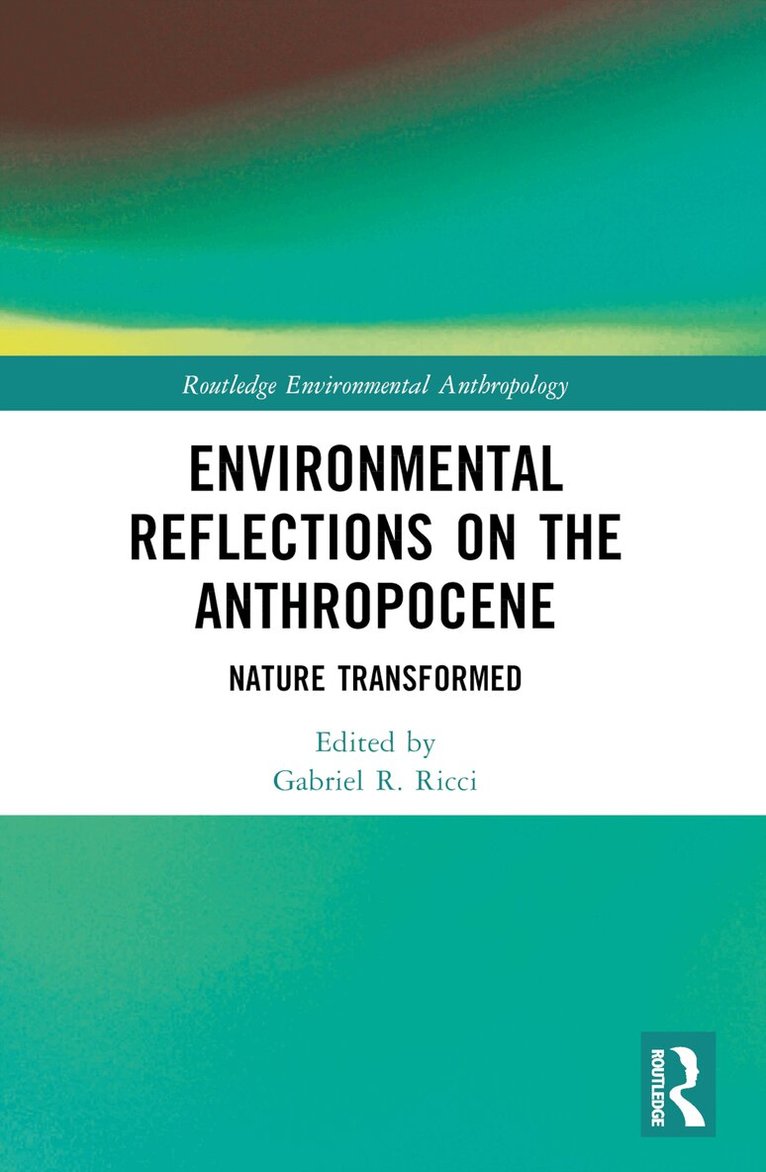
Incorporating the intellectual history of disciplines from across the humanities, including environmental anthropology, philosophy, ethics, literature, history, science and technology studies, this volume provides a select orientation to the experience of nature from the ancient world to the Anthropocene.Taking its momentum from the emerging environmental humanities, this collection integrates Western, Indigenous, postcolonial, feminist and eco-spiritual perspectives that address pressing environmental concerns and reimagine the place of humans within the natural world. Across thirteen chapters, the contributors discuss the blending of environmental concerns with political and moral questions and encourage collaborative methods across disciplines to address dialectical tensions between culture and nature. They draw on a wide range of critical perspectives, provide a historical framework and speak to global environmental pressures from multiple standpoints. The global approach adopted throughout highlights the various realities of the growing ecological crisis experienced across the world. Written to appeal to a broad range of readers across the environmental humanities, this edited book will be particularly useful to academics, scholars and researchers in philosophy, anthropology, literature, history and critical theory.
Häftad, Engelska, 2024
581 kr
Skickas inom 10-15 vardagar
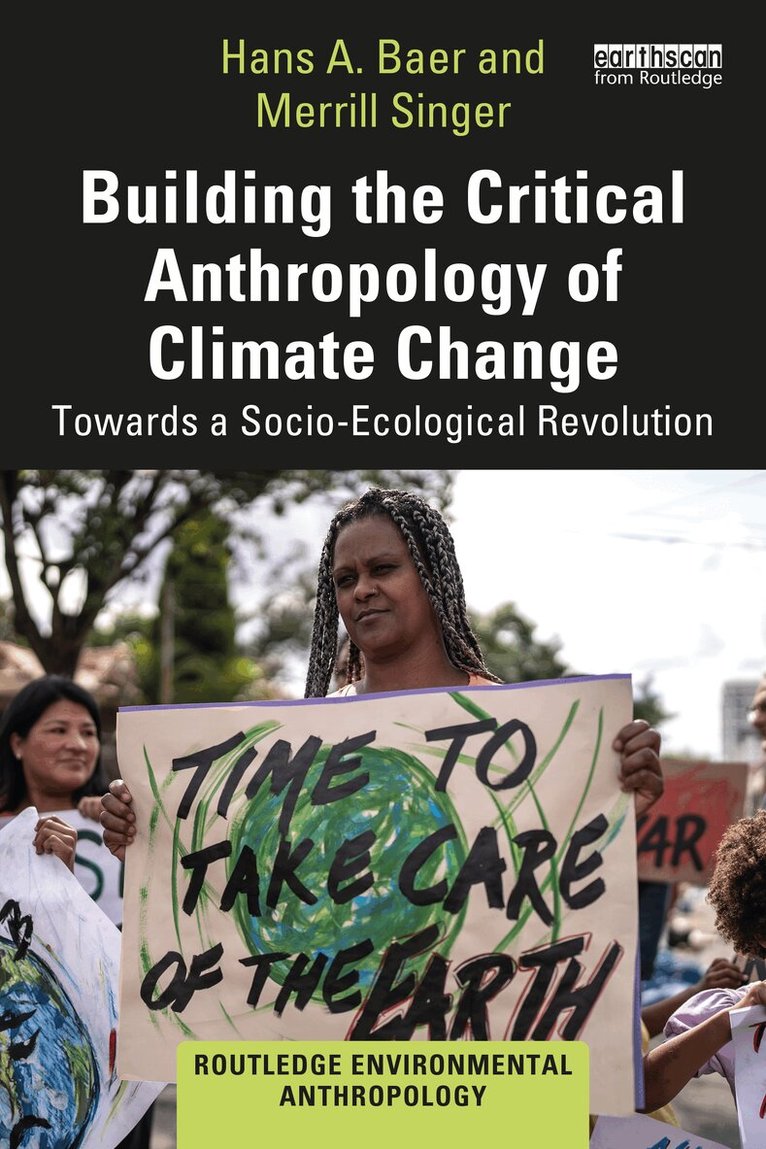
This book applies a critical perspective to anthropogenic climate change and the global socio-ecological crisis.The book focuses on the critical anthropology of climate change by opening up a dialogue with the two main contending perspectives in the field, namely the cultural ecological and the cultural interpretive perspectives. Guided by these, the authors take a firm stance on the types of changes that are needed to sustain life on Earth as we know it. Within this framework, they explore issues of climate and social equity, the nature of the current era in Earth’s geohistory, the perspectives of the elite polluters driving climate change, and the regrettable contributions of anthropologists and other scholars to climate change. Engaging with perspectives from sociology, political science, and the geography of climate change, the book explores various approaches to thinking about and responding to the existential threat of an ever-warming climate. In doing so, it lays the foundation for a brave new sustainable world that is socially just, highly democratic, and climatically safe for humans and other species.This book will be of interest to researchers and students studying environmental anthropology, climate change, human geography, sociology, and political science.
Inbunden, Engelska, 2024
2 179 kr
Skickas inom 10-15 vardagar
This book applies a critical perspective to anthropogenic climate change and the global socio-ecological crisis.The book focuses on the critical anthropology of climate change by opening up a dialogue with the two main contending perspectives in the field, namely the cultural ecological and the cultural interpretive perspectives. Guided by these, the authors take a firm stance on the types of changes that are needed to sustain life on Earth as we know it. Within this framework, they explore issues of climate and social equity, the nature of the current era in Earth’s geohistory, the perspectives of the elite polluters driving climate change, and the regrettable contributions of anthropologists and other scholars to climate change. Engaging with perspectives from sociology, political science, and the geography of climate change, the book explores various approaches to thinking about and responding to the existential threat of an ever-warming climate. In doing so, it lays the foundation for a brave new sustainable world that is socially just, highly democratic, and climatically safe for humans and other species.This book will be of interest to researchers and students studying environmental anthropology, climate change, human geography, sociology, and political science.
Häftad, Engelska, 2026
608 kr
Kommande
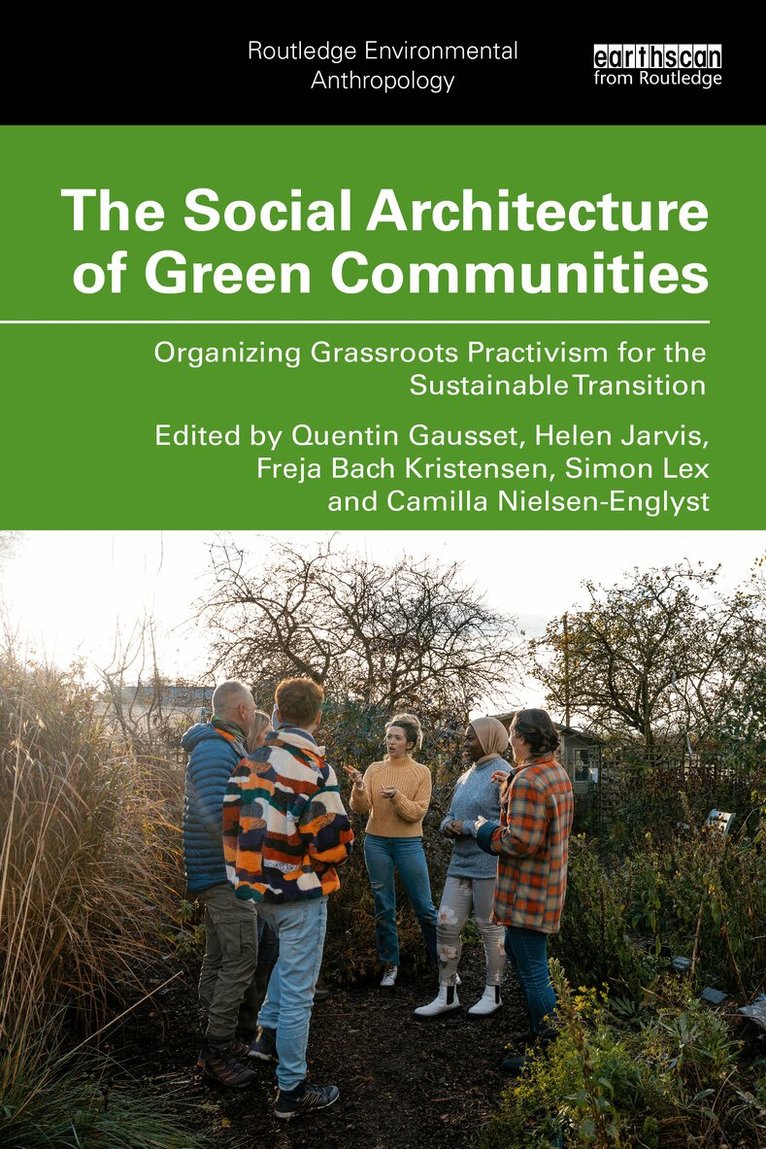
Using case studies from 10 European and North American countries, this book discusses the challenges connected to designing viable social architectures in a variety of green communities in urban and rural areas, and in affluent districts and government-subsidized social housing.Global warming constitutes one of the greatest challenges of our time, but governmental responses have so far been slow and insufficient. Consequently, an increasing number of people have joined a variety of green communities to engage in collective environmental action at the grassroots level. Green communities have the potential to deliver deep and long-lasting behavioral change and carbon footprint reductions, whilst increasing the life satisfaction of participants; however, despite these benefits, they are not spreading as fast as we might expect. Exploring eco-communities, sustainable co-housing, transition towns, organic food cooperatives, green neighborhoods, repair cafés, and more, this book examines why these green communities aren’t developing more rapidly, and considers the challenges that they face to their success. By assessing the problems associated with the management of collective life and decision-making, the book provides the reflexive and analytical tools required to better understand the conditions required for their survival and scalability.Focusing on how the social architecture of green communities contributes to enriching our understanding of social sustainability as a condition for environmental sustainability, this book will be of value to students and scholars across the social sciences, particularly those with an interest in environmental anthropology, sustainability, sociology, public policy, and communication studies.
Inbunden, Engelska, 2026
2 225 kr
Kommande
Using case studies from 10 European and North American countries, this book discusses the challenges connected to designing viable social architectures in a variety of green communities in urban and rural areas, and in affluent districts and government-subsidized social housing.Global warming constitutes one of the greatest challenges of our time, but governmental responses have so far been slow and insufficient. Consequently, an increasing number of people have joined a variety of green communities to engage in collective environmental action at the grassroots level. Green communities have the potential to deliver deep and long-lasting behavioral change and carbon footprint reductions, whilst increasing the life satisfaction of participants; however, despite these benefits, they are not spreading as fast as we might expect. Exploring eco-communities, sustainable co-housing, transition towns, organic food cooperatives, green neighborhoods, repair cafés, and more, this book examines why these green communities aren’t developing more rapidly, and considers the challenges that they face to their success. By assessing the problems associated with the management of collective life and decision-making, the book provides the reflexive and analytical tools required to better understand the conditions required for their survival and scalability.Focusing on how the social architecture of green communities contributes to enriching our understanding of social sustainability as a condition for environmental sustainability, this book will be of value to students and scholars across the social sciences, particularly those with an interest in environmental anthropology, sustainability, sociology, public policy, and communication studies.