Senator Keith Davey Lectures – serie
Visar alla böcker i serien Senator Keith Davey Lectures. Handla med fri frakt och snabb leverans.
5 produkter
5 produkter
Häftad, Engelska, 2002
219 kr
Skickas inom 5-8 vardagar
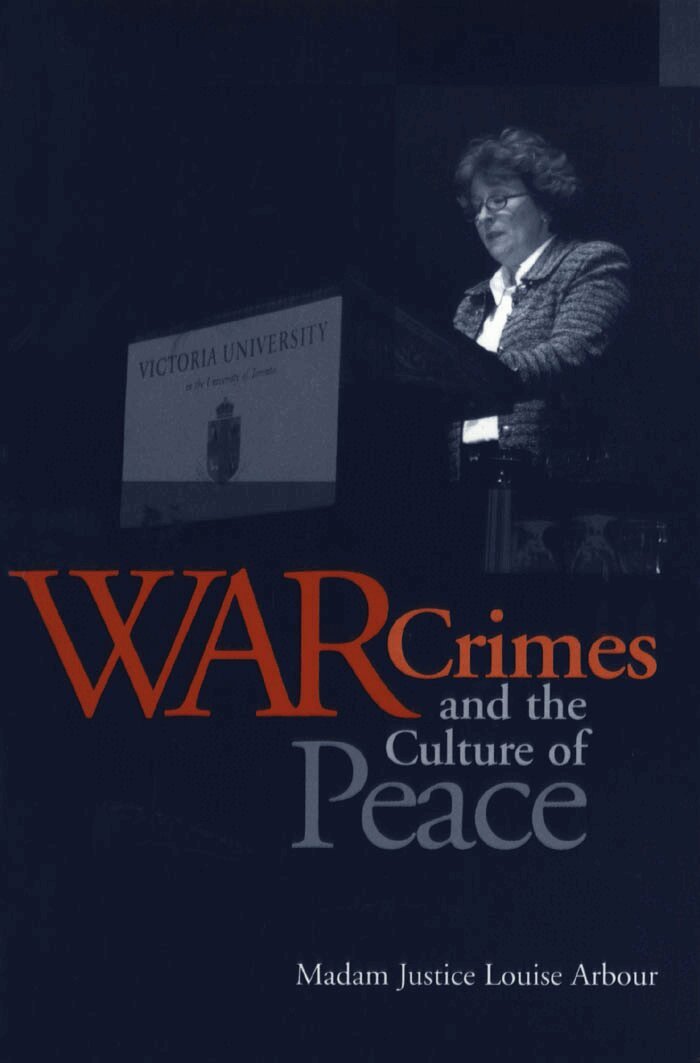
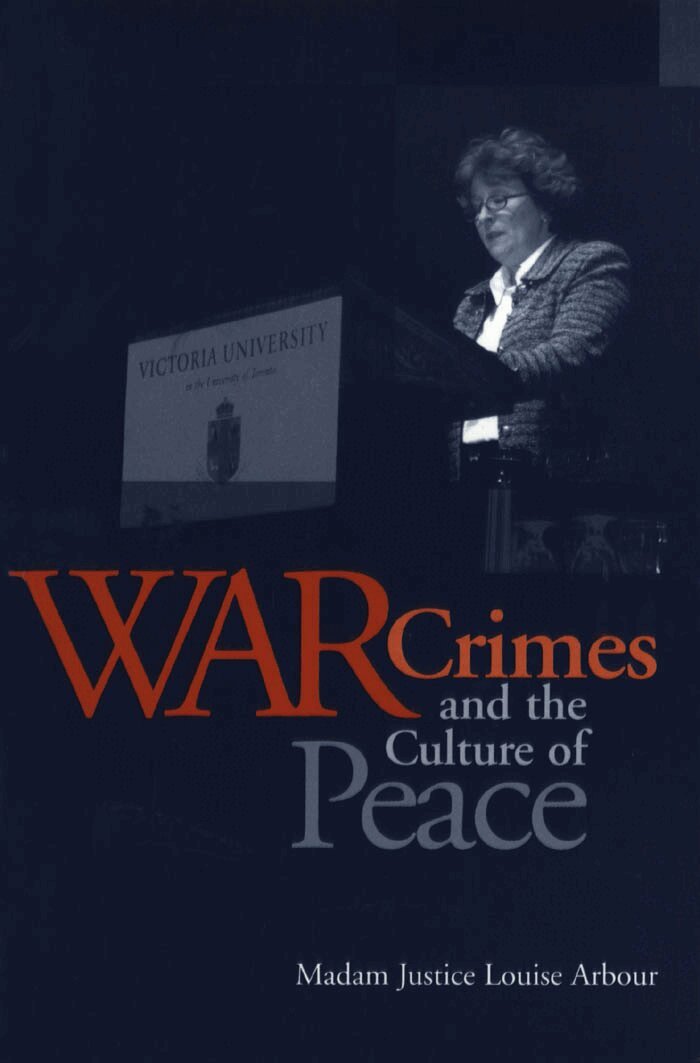
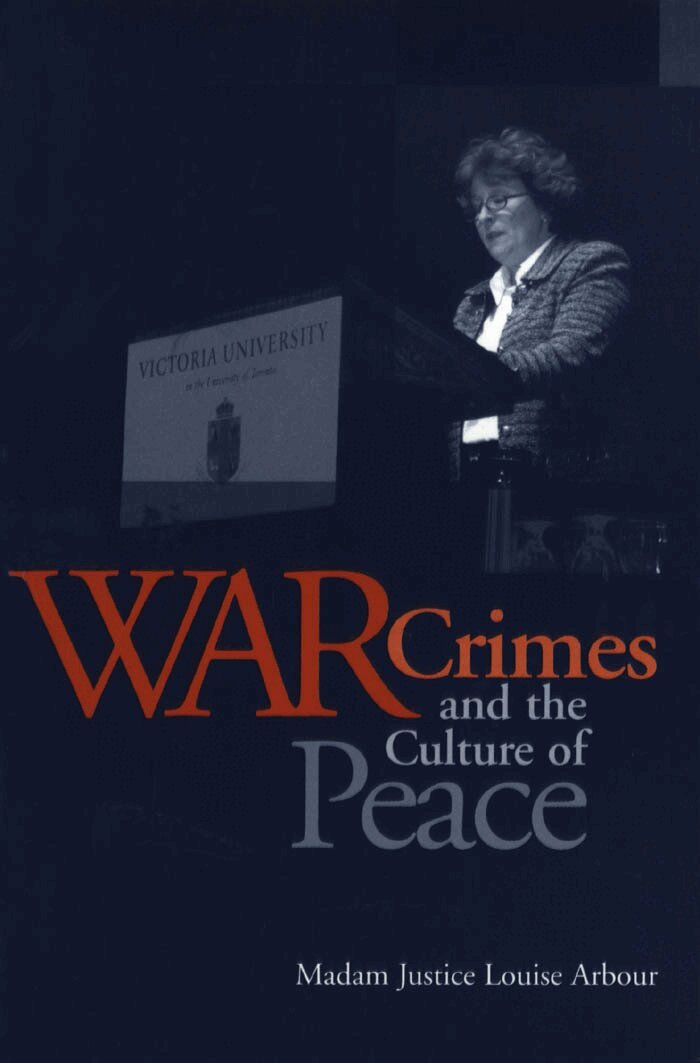
In 1996, Louise Arbour was appointed by the Security Council of the United Nations as Chief Prosecutor for the International Criminal Tribunals for the former Yugoslavia and Rwanda. Reflecting on these experiences, she argues in War Crimes and the Culture of Peace that the level of public awareness and understanding of the significance of these events is minimal in part as a result of the way in which international criminal law is practiced. Justice Arbour contends that previous efforts to unite concepts of international law and criminal law in the practice of these tribunals are evolving, and suggests that the ties between personal criminal accountability and peace should be central to the decisions made in the future concerning procedural models for the permanent International War Crimes Tribunals. As a result, the public might better understand the context and causes of such crime, and the notion of crime as a breach of the peace would be made central to these trials.Justice Arbour delivered War Crimes and the Culture of Peace as the fifth annual Senator Keith Davey Lecture at Victoria University at the University of Toronto in January 2001.
E-bok
Engelska, 2002306 kr
Läs direkt efter köp
In 1996, Louise Arbour was appointed by the Security Council of the United Nations as Chief Prosecutor for the International Criminal Tribunals for the former Yugoslavia and Rwanda. Reflecting on these experiences, she argues in War Crimes and the Culture of Peace that the level of public awareness and understanding of the significance of these events is minimal in part as a result of the way in which international criminal law is practiced. Justice Arbour contends that previous efforts to unite concepts of international law and criminal law in the practice of these tribunals are evolving, and suggests that the ties between personal criminal accountability and peace should be central to the decisions made in the future concerning procedural models for the permanent International War Crimes Tribunals. As a result, the public might better understand the context and causes of such crime, and the notion of crime as a breach of the peace would be made central to these trials.Justice Arbour delivered War Crimes and the Culture of Peace as the fifth annual Senator Keith Davey Lecture at Victoria University at the University of Toronto in January 2001.
E-bok
PDF, Engelska, 2002211 kr
Läs direkt efter köp
In 1996, Louise Arbour was appointed by the Security Council of the United Nations as Chief Prosecutor for the International Criminal Tribunals for the former Yugoslavia and Rwanda. Reflecting on these experiences, she argues in War Crimes and the Culture of Peace that the level of public awareness and understanding of the significance of these events is minimal in part as a result of the way in which international criminal law is practiced. Justice Arbour contends that previous efforts to unite concepts of international law and criminal law in the practice of these tribunals are evolving, and suggests that the ties between personal criminal accountability and peace should be central to the decisions made in the future concerning procedural models for the permanent International War Crimes Tribunals. As a result, the public might better understand the context and causes of such crime, and the notion of crime as a breach of the peace would be made central to these trials.Justice Arbour delivered War Crimes and the Culture of Peace as the fifth annual Senator Keith Davey Lecture at Victoria University at the University of Toronto in January 2001.
E-bok
PDF, Engelska, 2004581 kr
Läs direkt efter köp
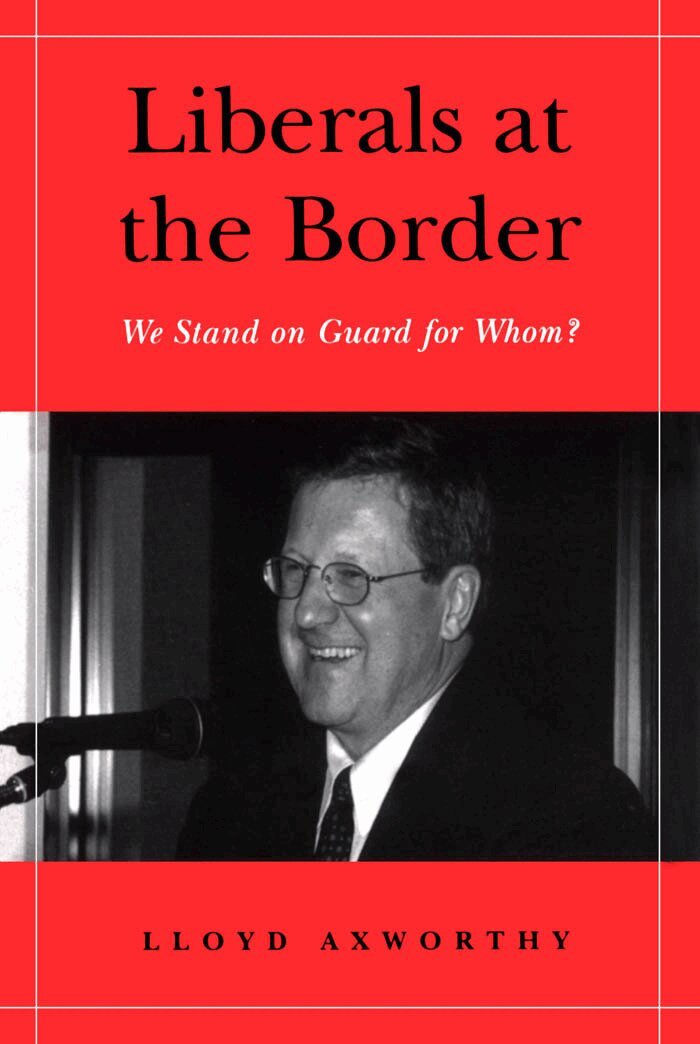
Lloyd Axworthy, former Minister of Foreign Affairs, rose to international prominence in the mid-1990s for his comprehensive campaign to ban the use of anti-personnel landmines, which led to the signing of the Ottawa Treaty in 1997 by 122 countries and his own nomination for the Nobel Peace Prize.In this wide-ranging lecture, Axworthy reflects on liberal values, Canadian politics, and the rise of U.S./Canadian border issues since the terrorist attack on the United States in September 2001. Axworthy's distinctive voice shines through with personal anecdotes about his life in politics and his thoughts on Canada's sometimes uneasy relations with its southern neighbour and largest trading partner.Axworthy addresses many troubling issues, including the conflict in Afghanistan where Canadian soldiers potentially contravened Canada's international treaties by handing over prisoners to the U.S. He also discusses Canadian territorial sovereignty in the context of U.S. 'homeland security,' as well as international inaction on conflicts in Africa that resulted in the deaths of hundreds of thousands of people.Dr. Axworthy delivered Liberals at the Border in March 2002 as the sixth annual Senator Keith Davey Lecture at Victoria University in the University of Toronto.
E-bok
PDF, Engelska, 2001616 kr
Läs direkt efter köp
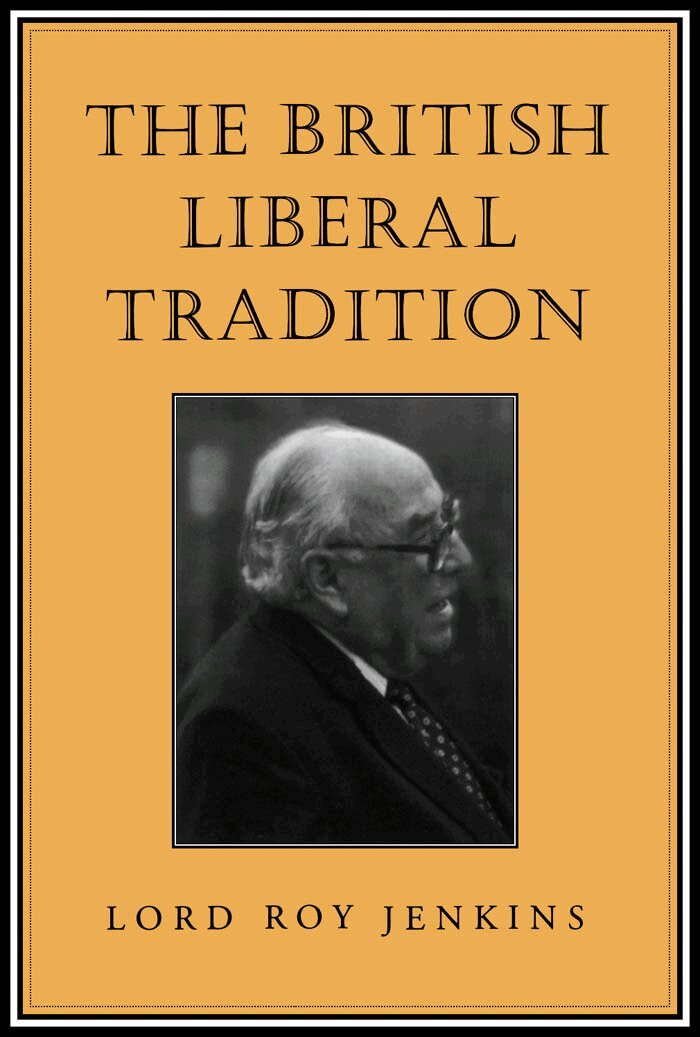
In this wide-ranging lecture, Lord Jenkins tells the story of the rise and fall of the British Liberal party under prime ministers Gladstone, Churchill, Asquith, and Lloyd George and explores the place of current British Prime Minister Tony Blair in this tradition.Beginning with the Liberal Party's birth in London, 1859, the author addresses the relative success of the Liberal prime ministers in dealing with social issues, such as religion and suffrage, and aspects of government legislation including education, foreign policy, and the military. Lord Jenkins also offers his views on the personalities of these men, recognizing that the character of leaders naturally shapes their leadership. Of William Ewart Gladstone, for example, Lord Jenkins notes that, while he was "not necessarily the greatest prime minister," Gladstone was "certainly the most remarkable specimen of humanity ever to inhabit 10 Downing Street." Gladstone climbed mountains at the age of seventy-five and read twenty thousand books in his lifetime. Herbert Henry Asquith and Winston Churchill were remarkably different in their oratory skills. While Asquith reveled in the pressure of spontaneous, emotional speeches to large crowds, Churchill excelled in a more literary, meticulous approach to his audience, which explains why the latter prime minister was so respected for his performances on radio broadcasts.Lord Jenkins' style, seasoned by the experience of having published over sixteen books on politics and politicians, reflects a keen sense of British history and politics and, more generally, of our fascination with the inner workings of political and personal lives. The British Liberal Tradition, by Lord Roy Jenkins, is the fourth annual Senator Keith Davey Lecture, delivered at Victoria University at the University of Toronto in 2000.