Springer Series in International Social Work - Böcker
Visar alla böcker i serien Springer Series in International Social Work. Handla med fri frakt och snabb leverans.
5 produkter
5 produkter
1 262 kr
Skickas inom 7-10 vardagar
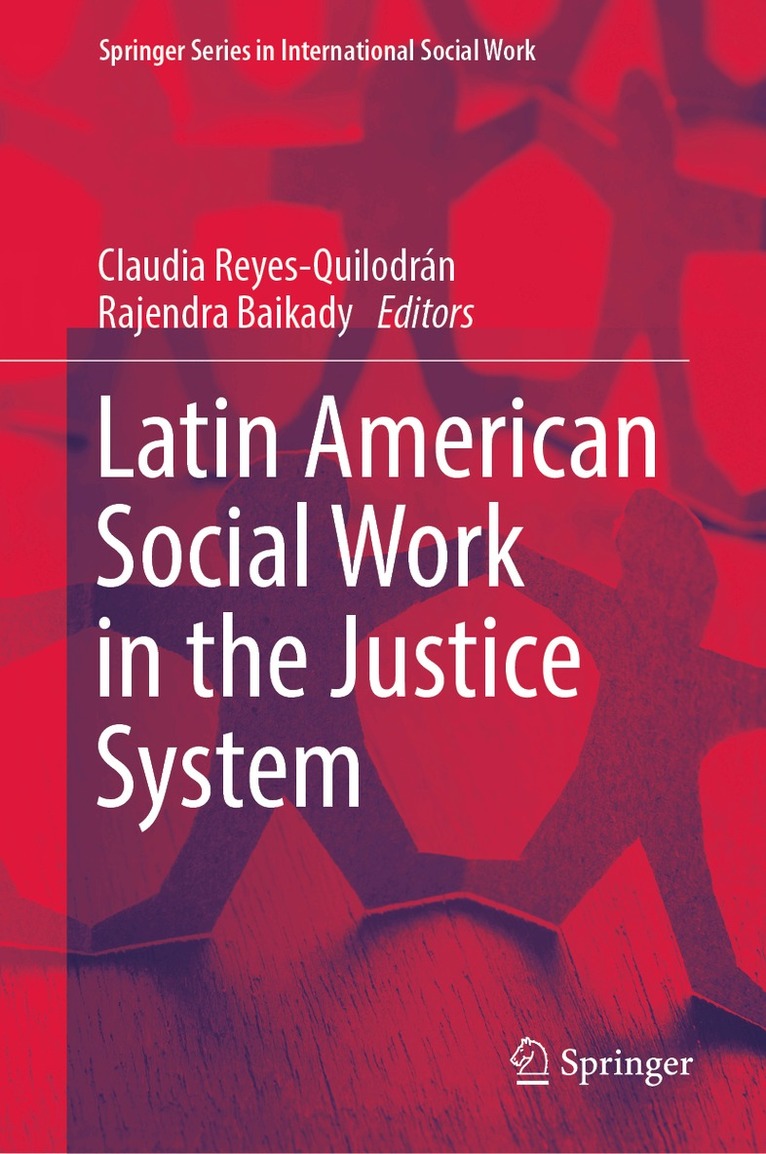
Social work has long been working directly with the criminal and civil courts of the justice system. The work of Latin American practitioners in the legal system, however, is little known at global and local levels. This book is the first to go beyond Western-centric appraisals and presents a truly Latin American portrait of social work in the justice system. The long-term interaction of social work practitioners with the judicial system enabled them to develop an expertise to dialogue with other disciplines such as law and psychology. This knowledge is very important to identify and share with other professionals to develop specialized programs for education and training. In this sense, positive and negative experiences of social work in the justice system allow one to improve its practice. It is crucial to identify local experiences and the great dilemmas that the profession faces on this subject. The volume's chapters deal with these dynamics in Latin American countries including:Forensic Social Work: The construction of possible ways of the criminal interventionSocio-Legal Social Work in the Field of Criminal DefenseFamily and Community Life: Contributions of Social Work to the Debate in Family CourtsSupport to Victims in High-conflict Scenarios: An approach from the socio-legal, the pedagogical, and the care perspectivesThe Assessment of Child and Adolescent Sexual Abuse Allegations from a Social Work PerspectiveLatin American Social Work in the Justice System is essential reading for students, researchers, academicians, policymakers, and practitioners who are interested in international social work with a special focus on Latin American countries and legal culture. Students and scholars in law, development studies, and public policy as well as psychologists working with and interested in the judicial system would also find this book a useful resource.
977 kr
Skickas inom 10-15 vardagar
Social work has long been working directly with the criminal and civil courts of the justice system. The work of Latin American practitioners in the legal system, however, is little known at global and local levels. This book is the first to go beyond Western-centric appraisals and presents a truly Latin American portrait of social work in the justice system. The long-term interaction of social work practitioners with the judicial system enabled them to develop an expertise to dialogue with other disciplines such as law and psychology. This knowledge is very important to identify and share with other professionals to develop specialized programs for education and training. In this sense, positive and negative experiences of social work in the justice system allow one to improve its practice. It is crucial to identify local experiences and the great dilemmas that the profession faces on this subject. The volume's chapters deal with these dynamics in Latin American countries including:Forensic Social Work: The construction of possible ways of the criminal interventionSocio-Legal Social Work in the Field of Criminal DefenseFamily and Community Life: Contributions of Social Work to the Debate in Family CourtsSupport to Victims in High-conflict Scenarios: An approach from the socio-legal, the pedagogical, and the care perspectivesThe Assessment of Child and Adolescent Sexual Abuse Allegations from a Social Work PerspectiveLatin American Social Work in the Justice System is essential reading for students, researchers, academicians, policymakers, and practitioners who are interested in international social work with a special focus on Latin American countries and legal culture. Students and scholars in law, development studies, and public policy as well as psychologists working with and interested in the judicial system would also find this book a useful resource.
1 378 kr
Skickas inom 10-15 vardagar
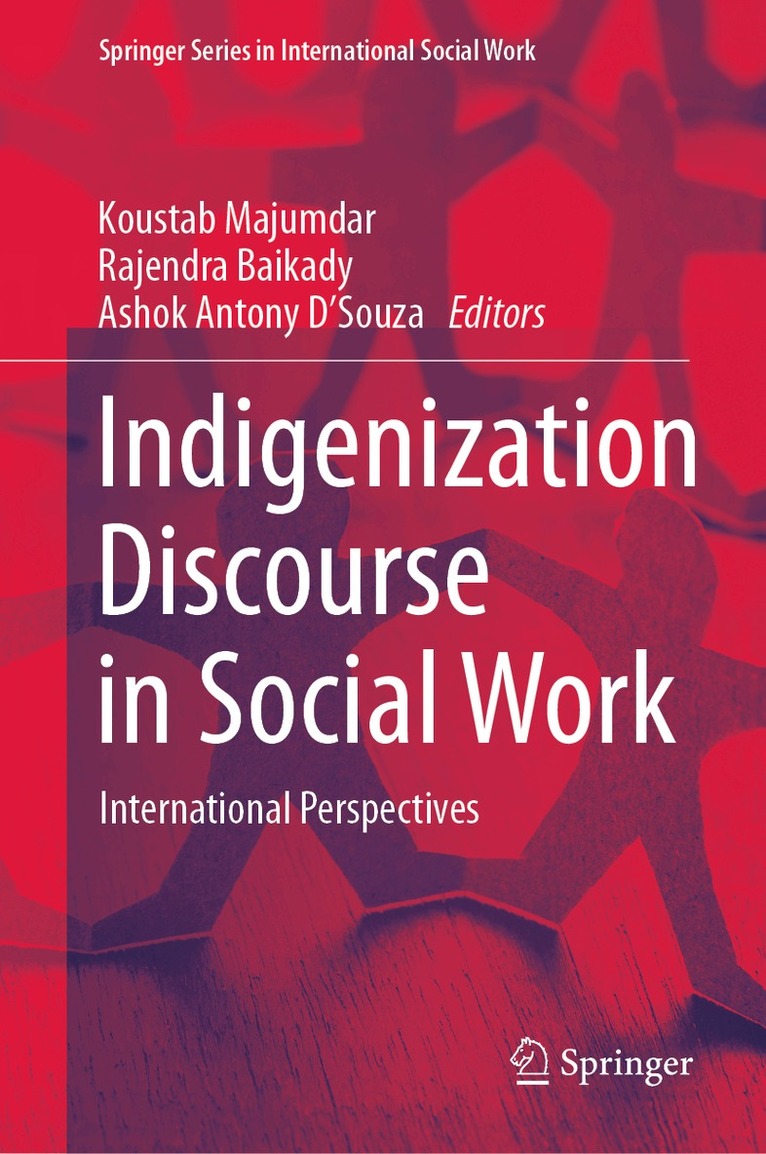
This contributed volume provides an in-depth understanding of contemporary debates, discussions and insights on Indigenous social work theory, education and practice across the globe. Based on theoretical and empirical perspectives, authors collectively contribute to a comprehensive, critical and up-to-date discussion about Indigenous social work theories, decolonization of social work education, Indigenous social work curriculum, Indigenous social work practice, and cultural perspectives towards enhancing Indigenous social work education and practice.The key features of this book are:Critical insights into the historical evolution of Indigenous social work;Global debates on the westernization and indigenization of social work education;An overview of Indigenous social work and its practice in diverse cultural contexts;Critical perspective of Indigenous social work education; andCoverage of a diverse range of geographical areas.Indigenization Discourse in Social Work: International Perspectives is an indispensable resource for students, scholars, independent researchers, academicians, policymakers and practitioners who are working in the field of social work, especially those who are interested in Indigenous social work issues. Moreover, it is an invaluable text for students, scholars and academicians who are interested in international social work with a special focus on Indigenous social work. In addition, students and scholars in sociology, development studies, public policy and economics working with Indigenous people and who are interested in Indigenous studies will find this book useful as an interdisciplinary reference.
1 062 kr
Skickas inom 10-15 vardagar
This contributed volume provides an in-depth understanding of contemporary debates, discussions and insights on Indigenous social work theory, education and practice across the globe. Based on theoretical and empirical perspectives, authors collectively contribute to a comprehensive, critical and up-to-date discussion about Indigenous social work theories, decolonization of social work education, Indigenous social work curriculum, Indigenous social work practice, and cultural perspectives towards enhancing Indigenous social work education and practice.The key features of this book are:Critical insights into the historical evolution of Indigenous social work;Global debates on the westernization and indigenization of social work education;An overview of Indigenous social work and its practice in diverse cultural contexts;Critical perspective of Indigenous social work education; andCoverage of a diverse range of geographical areas.Indigenization Discourse in Social Work: International Perspectives is an indispensable resource for students, scholars, independent researchers, academicians, policymakers and practitioners who are working in the field of social work, especially those who are interested in Indigenous social work issues. Moreover, it is an invaluable text for students, scholars and academicians who are interested in international social work with a special focus on Indigenous social work. In addition, students and scholars in sociology, development studies, public policy and economics working with Indigenous people and who are interested in Indigenous studies will find this book useful as an interdisciplinary reference.
1 273 kr
Skickas inom 10-15 vardagar
This book describes relevant theories, such as task-centered and strength-perspective interventions for the practice of social group work, within contemporary India. These two theories are complemented by additional theories including Gestalt Therapy, Spirituality, and Raja Yoga. These theories fill the gap in the literature to indigenize social group work interventions. The book is divided into four parts:History of Social Group Work and Introduction in IndiaThe Indian FamilyStructural Properties of Group WorkUsing Case Studies in Social Group Work EducationIn addition, there are two separate chapters on leadership—leadership in social work groups and leader interventions relevant to Indian society. At the end of each chapter, a summary and applicable practice principles are presented. It explicitly presents the value of short and task-oriented group work. It mobilizes the group members' strengths to work through problems that Indian children, parents, working adults, and the elderly experience. The group process is presented with a focus on the present-day Indian cultural context, which is relevant for a range of practitioners in the helping professions. This important book is a valuable resource for students and scholars of social work, community practitioners, voluntary organizations, and social activists.