The Age of AI series – serie
Visar alla böcker i serien The Age of AI series. Handla med fri frakt och snabb leverans.
2 produkter
2 produkter
Inbunden, Engelska, 2026
1 698 kr
Skickas inom 5-8 vardagar
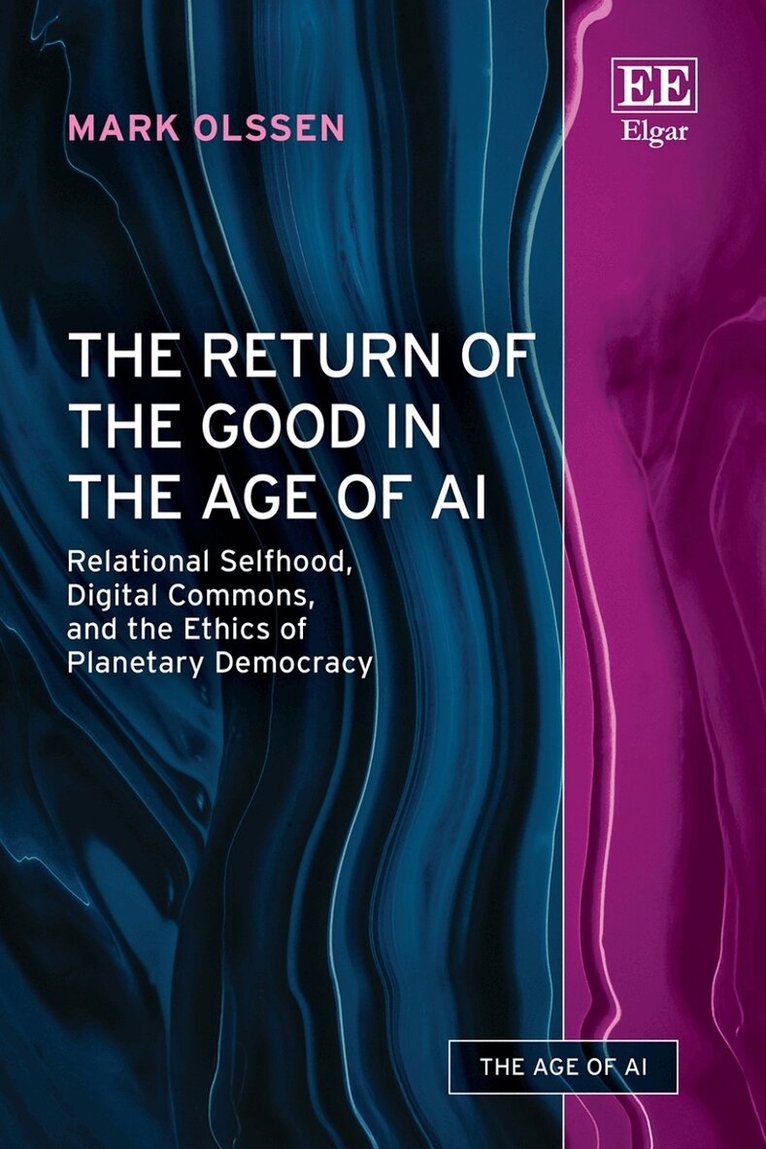
In an era marked by technological acceleration, planetary fragility and democratic uncertainty, can the idea of ‘the Good’ be reclaimed without reviving the metaphysical teleologies of the past? Mark Olssen reconstructs ‘the Good’ as a post-teleological and relational concept grounded not in fixed ends but in the shared conditions that enable life, agency and collective judgment to endure over time. Drawing on political theory, public choice, complexity thinking and contemporary debates on artificial intelligence, the book argues that ‘the Good’ lies in sustaining the ecological, institutional, epistemic and educational infrastructures that make freedom and meaning possible within an interdependent world. Moving across democracy, ethics, education, water governance and digital transformation, Olssen deepens and extends his theory of continuance ethics, showing how responsibility can be understood in terms of preserving the conditions for future agency rather than conforming to a singular vision of the good life. Against both foundational moralism and relativistic fragmentation, The Return of the Good in the Age of AI offers a distinctive normative vocabulary for governing under conditions of uncertainty, complexity and technological power. It will be essential reading for scholars and advanced students of political theory, public policy, philosophy, education, sociology and economics seeking to rethink ethics and democracy in a planetary and digital age.
Inbunden, Engelska, 2026
1 814 kr
Skickas inom 5-8 vardagar
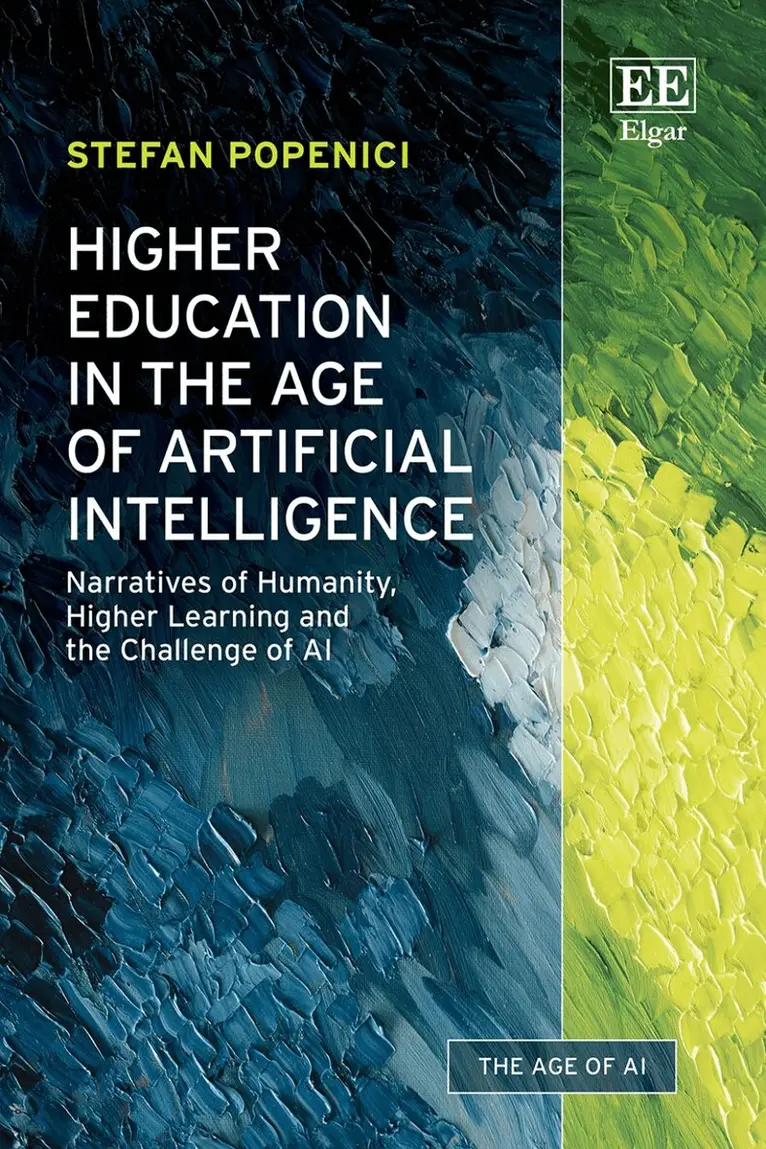
This timely book examines the myriad ways that AI is shaping higher education. Stefan Popenici analyses the current dynamics and ideologies driving AI development, as well as the intentions behind its usage and its resulting implications for pedagogical equity. The author argues that higher education is becoming increasingly distanced from its core aims and values, presenting significant risks to our capacity to solve current and future global crises.The book explores the effects of AI colonisation, addressing key ideological and epistemological tensions including algorithmic bias, the potential for misinformation, AI-based plagiarism and the loss of original thinking. The author draws on various case studies to demonstrate the harmful impact of AI technologies on trust, which results in a loss of agency for institutions, teachers and students. Employing critical analysis and evidence-based insights, Popenici demonstrates that a human-centered approach to higher education is essential for its long-term sustainability.Education in the Age of Artificial Intelligence is a valuable resource for scholars and students of educational technology and educational psychology, as well as scholars investigating AI governance and privacy digital rights. Highlighting crucial implications for curriculums, assessments and general academic integrity, this book is also beneficial for university leaders and governance bodies looking to develop effective policies and AI guardrails.