Topics in Plant Physiology - Böcker
Visar alla böcker i serien Topics in Plant Physiology. Handla med fri frakt och snabb leverans.
5 produkter
5 produkter
1 061 kr
Skickas inom 10-15 vardagar
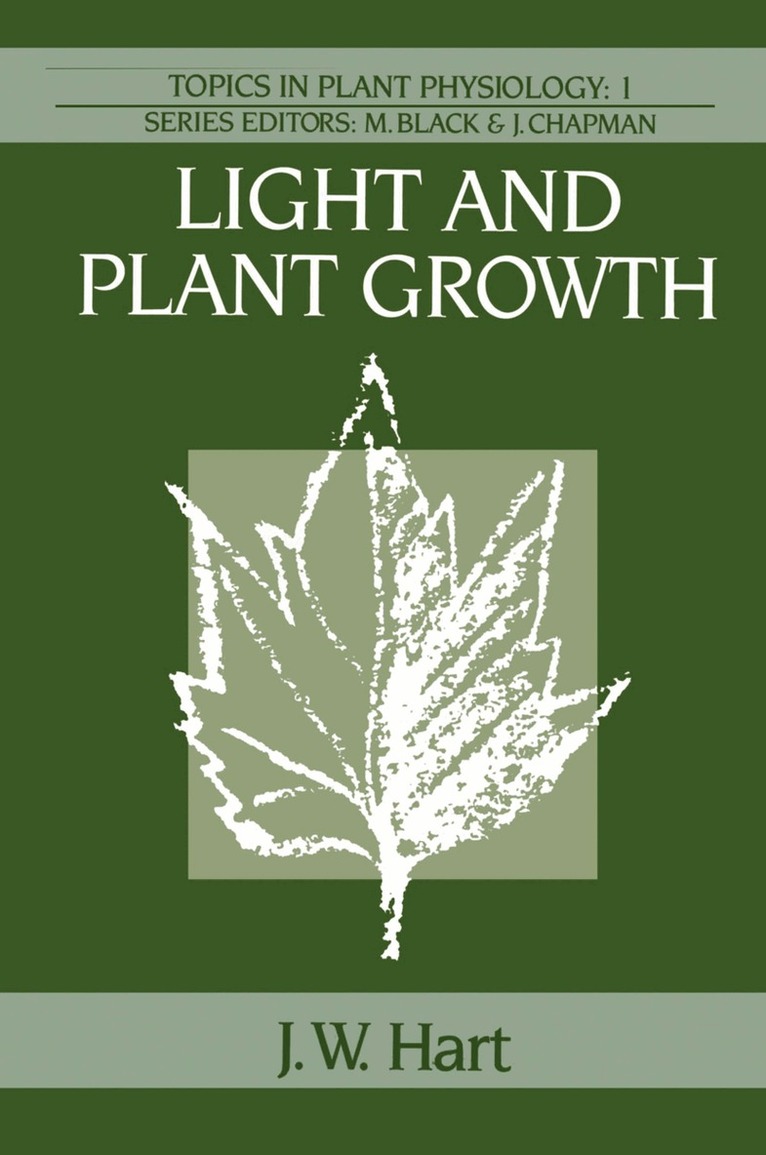
There are many recent works on the topic of light and plant growth. These have not only been written by experts, but are also, in the main, written for experts (or, at least, for those who already have a fair understanding of the subject). This book has its origins in a six-week course in plant photophysiology, and its aim is to provide an introduction to the subject at an advanced undergraduate level. The imagined audience is simply a student who has asked the questions: In what ways does light affect plant growth, and how does it do it? The book is limited to aspects of photomorphogenesis. Photo synthesis is only considered where its pigments impinge on photo morphogenic investigations, or where its processes provide illustrative examples of particular interactions between light and biological material. Chapter 1 gives a general account of the various ways in which light affects plant development, and introduces topics which are subsequently covered in greater detail. In all the chapters, are special topic 'boxes', consisting of squared-off sections of text. These are simply devices for presenting explanatory background material, or material that I myself find particularly intriguing.
534 kr
Skickas inom 10-15 vardagar
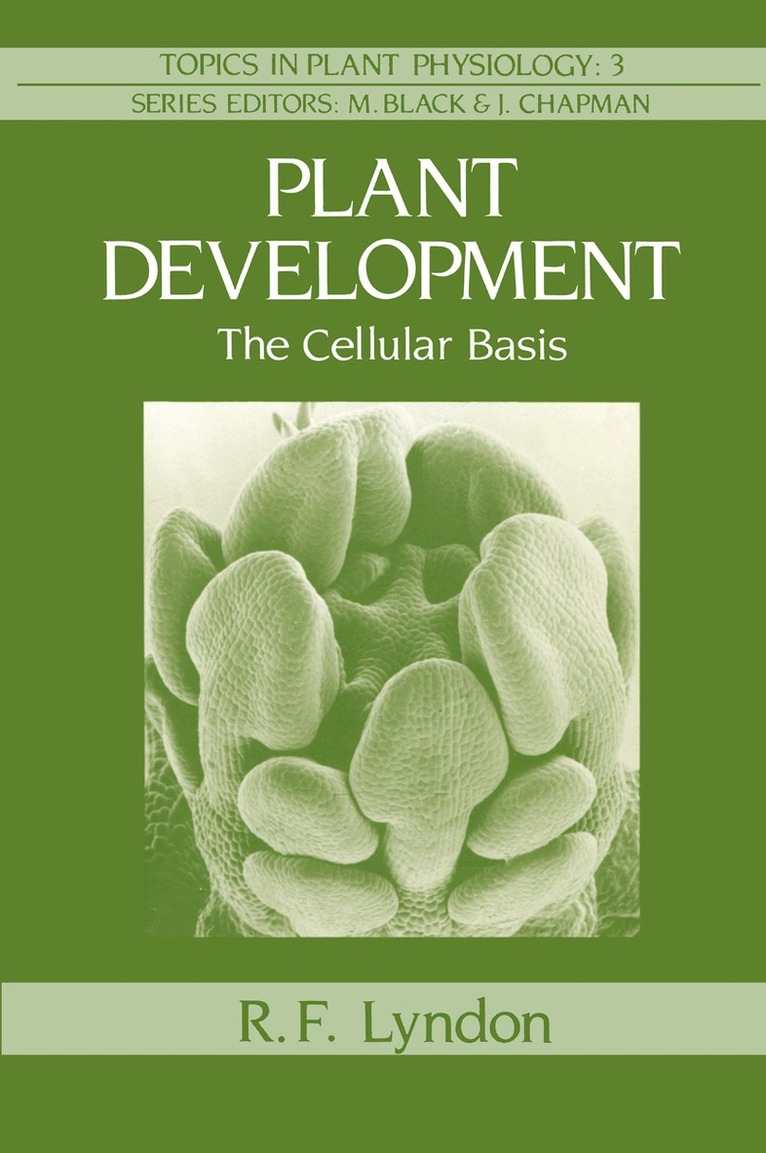
"Plant Development" offers to students of plant physiology a concise and highly readable introduction to plant development. Focusing on events at the molecular and cellular levels, the book highlights some of the key processes operating in the formation of plants, and examines areas of research yielding a fuller understanding of the underlying regulatory mechanisms. While assuming a basic knowledge of plant morphology, the book describes a host developmental strategies across a spectrum of plant groups ranging from algae to higher plants. The opening chapters deal with the evolution of fundamental structure and highlights some of the related problems before leading into a careful consideration of meristem structure and function. Central chapters examine the control of plant shape and direction of growth, and provides a platform for the subsequent discussion of cell differentiation. Chapter 9 looks at genetic regulation of development, and the final section focuses on competence, determination and co-ordination of growth.
1 588 kr
Skickas inom 10-15 vardagar
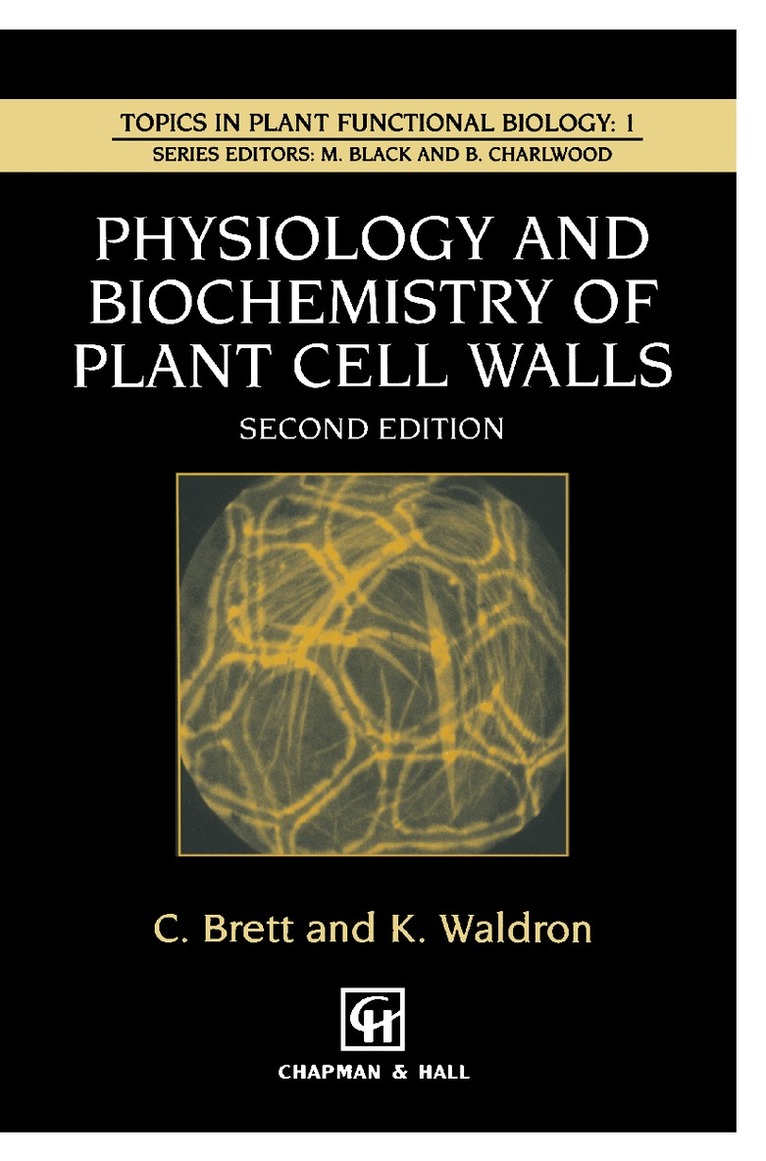
This text provides an integrated view of the molecular structure and function of the plant cell wall, its formation and roles in a variety of plant processes. Concluding chapters discuss degradation processes, biotechnological and nutritional aspects. This book should be of interest to advanced undergraduates and post-graduates in plant physiology, plant sciences and plant biotechnology.
1 588 kr
Skickas inom 10-15 vardagar
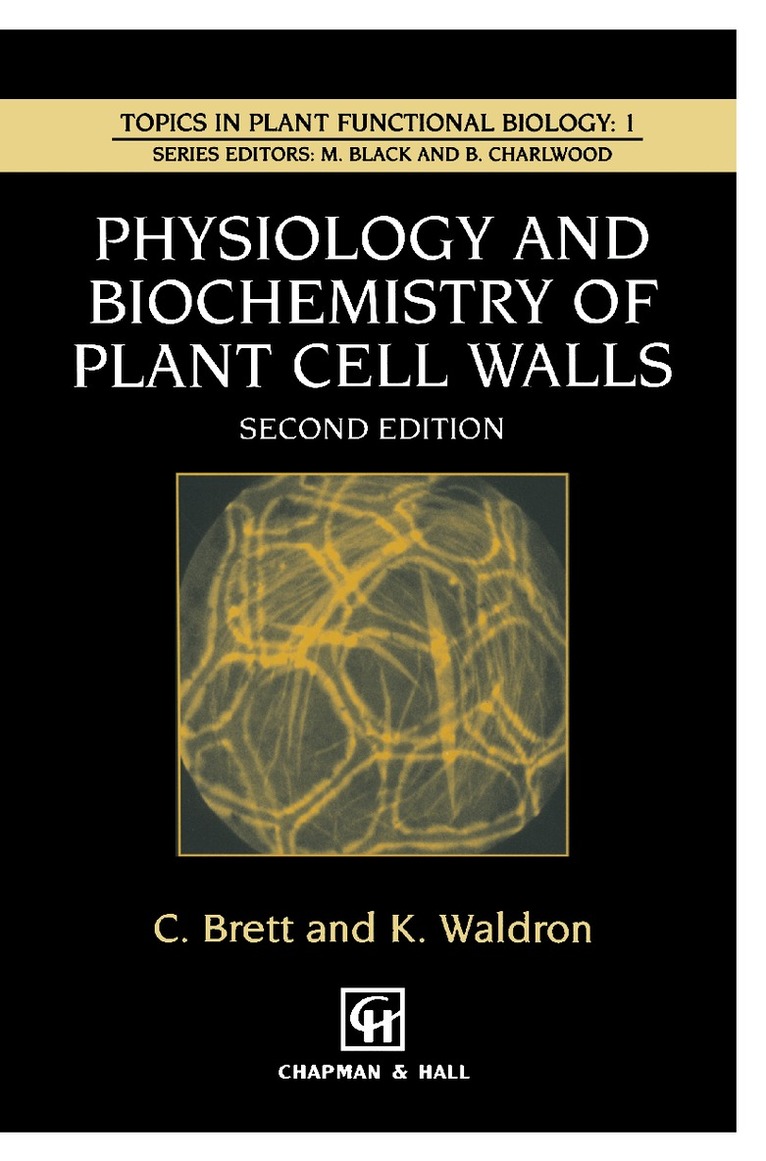
The plant cell wall plays a vital role in almost every aspect of plant physiology. New techniques in spectrosopy, biophysics and molecular biology have revealed the extraordinary complexity of its molecular architecture and just how important this structure is in the control of plant growth and development. The second edition of this textbook has been revised and updated throughout. As well as focusing on the structure and function of plant cell walls the book also looks at the applications of this research. It discusses how plant cell walls can be exploited by the biotechnology industry and some of the main challenges for future research. Key topics include: architecture and skeletal functions of the wall; cell-wall formation; control of cell growth; role in intracellular transport; interactions with other organisms; cell-wall degradation; biotechnological applications of cell-walls; role in diet and health. This textbook provides an introduction to the physiology and biochemistry of plant cell walls which will be invaluable to upper level undergraduate and post graduate students of plant physiology, plant pathology, plant biotechnology and biochemistry.This book should be of interest to advanced undergraduates and postgraduates in plant physiology, plant sciences and plant biotechnology, academic staff in departments of botany, plant sciences, plant biochemistry, plant physiology, plant pathology, biology, biological sciences, biophysics and biochemistry, and research scientists working in agricultural, horticultural and food industry research institutes.
1 061 kr
Skickas inom 10-15 vardagar
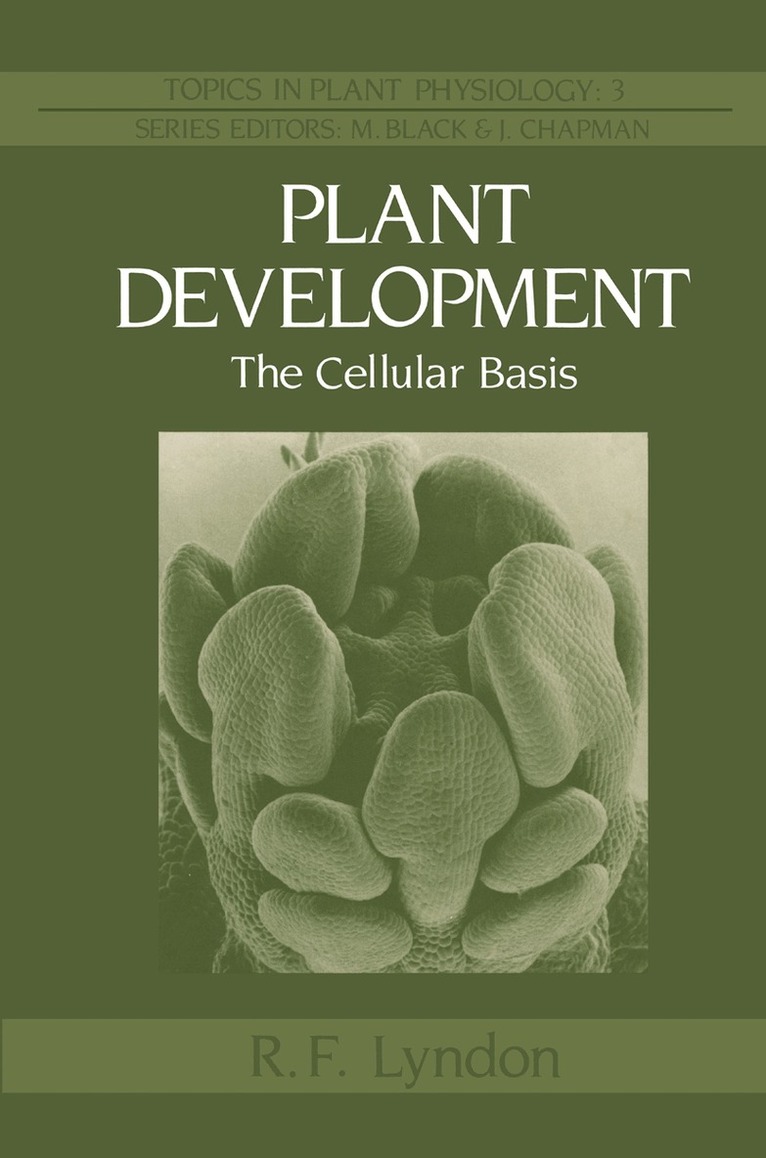
The study of plant development in recent years has often been concerned with the effects of the environment and the possible involvement of growth substances. The prevalent belief that plant growth substances are crucial to plant development has tended to obscure rather than to clarify the underlying cellular mechanisms of development. The aim in this book is to try to focus on what is currently known, and what needs to be known, in order to explain plant development in terms that allow further experimentation at the cellular and molecular levels. We need to know where and at what level in the cell or organ the critical processes controlling development occur. Then, we will be better able to under stand how development is controlled by the genes, whether directly by the continual production of new gene transcripts or more indirectly by the genes merely defining self-regulating systems that then function autonomously. This book is not a survey of the whole of plant development but is meant to concentrate on the possible component cellular and molecular processes involved. Consequently, a basic knowledge of plant structure is assumed. The facts of plant morphogenesis can be obtained from the books listed in the General Reading section at the end of Chapter 1. Although references are not cited specifically in the text, the key references for each section are denoted by superscript numbers and listed in the Notes section at the end of each chapter.