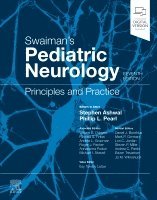
Swaiman's Pediatric Neurology
Principles and Practice
AvStephen Ashwal,Phillip L. Pearl
3 600 kr
Beställningsvara. Skickas inom 5-8 vardagar. Fri frakt över 249 kr.
Beskrivning
For fifty years, experienced clinicians and physicians in training have relied on Swaiman’s cornerstone text as their #1 source for authoritative guidance in pediatric neurology. Swaiman's Pediatric Neurology: Principles and Practice, Seventh Edition, continues this tradition of excellence under the expert editorial direction of Drs. Stephen Ashwal and Phillip L. Pearl, along with a team of key leaders in the field who serve as associate and section editors in their areas of expertise. Thorough revisions-including new chapters, new videos, new editors, and expanded content-bring you up to date with this dynamic field.
Produktinformation
- Utgivningsdatum:2025-04-16
- Mått:223 x 281 x 51 mm
- Vikt:3 773 g
- Format:Inbunden
- Språk:Engelska
- Antal sidor:1 664
- Upplaga:7
- Förlag:Elsevier Health Sciences
- ISBN:9780443109447
Utforska kategorier
Mer om författaren
Stephen Ashwal, MD, is Distinguished Professor and former Chief of the Division of Child Neurology in the Department of Pediatrics at Loma Linda University School of Medicine. He is a graduate of New York University School of Medicine (1966-1970) and completed his residency training programs in Pediatrics (Bellevue Hospital, 1970-1973) and in Child Neurology (University of Minnesota, 1973-1976). His research activities have focused on critical care issues in child neurology related to brain death, the vegetative and minimally conscious states, bacterial meningitis, and near drowning; the role of nitric oxide in focal cerebral ischemia; development of animal models of neonatal stroke and the use of proton spectroscopy for outcome prediction after acute CNS injuries. Dr. Ashwal has been a member of the Child Neurology Society since 1975 and served as chair of the Scientific Selection, Ethics, Archives and Practice Committee, Councilor from the West, Secretary-Treasurer of the Society, and President (2001-2003). He edited The Founders of Child Neurology, published on behalf of the Society in 1990, which is a history of the field of child neurology and its major contributors. He served as co-chair (representing the CNS) on the Multi-Society Task Force on the Persistent Vegetative State. He has been active in the development of practice guidelines related to child neurology and served as a member of the Guidelines Development, Dissemination, and Implementation Subcommittee of the American Academy of Neurology that is responsible for development of guidelines dealing with issues related to the evaluation of children with autism, cerebral palsy, developmental delay, headaches and status epilepticus. With Dr. Kenneth Swaiman and other co-editors, he has served as co-editor of one of the main textbooks in the field of child neurology, Swaiman's Pediatric Neurology: Principles & Practice. Phillip L. Pearl, MD, is Director of Epilepsy and Clinical Neurophysiology and William G. Lennox Chair in the Department of Neurology at Boston Children's Hospital and Professor of Neurology at Harvard Medical School. Dr. Pearl, originally from Baltimore, attended Johns Hopkins University, Peabody Conservatory of Music, and University of Maryland School of Medicine. He took his residency at Baylor College of Medicine in Houston and fellowship at Boston Children's Hospital. Dr. Pearl has published over 210 manuscripts and over 100 chapters and reviews, and he has authored or edited five books in the field of child neurology, two of which have been translated into Chinese and Japanese. He is also on the faculty of the Music and Health Institute of the Berklee College of Music in Boston. His major research interest is inherited metabolic epilepsies. Dr. Pearl is Past President of the Professors of Child Neurology and former President of the Child Neurology Society.
Recensioner i media
5 Stars! "...serves as a comprehensive guide to maintaining up-to-date learning and knowledge in child neurology.... [It] bridges the gap between what pediatric neurologists learned in training and what they need to know today [and] is designed to be the resource reached for when facing real clinical decisions, not just another reference gathering dust on the shelf.... The book successfully bridges the gap between comprehensive reference and practical clinical guide.... Each chapter feels integrated rather than simply collected, with cross-references that actually make sense and consistent approaches to differential diagnosis and management. The writing throughout is clear and accessible without sacrificing scientific rigor. Complex concepts are explained in ways that residents can grasp while providing the depth that seasoned practitioners need. The tables and figures are superb and I have already found myself bookmarking several for teaching purposes,... a must-have for all medical libraries, both in physical and ebook formats." Review by Yash Shah, MD MPH (Northwell Health), ©Doody's Review Service, 2025. Doody's Score: 99, 5 Stars!
Innehållsförteckning
- PART I: Clinical Evaluation 1. General Aspects of the Patient’s Neurologic History2. Neurologic Examination of the Older Child3. Neurologic Examination of Young Children (Ages 1-5 Years)4. Neurologic Examination of Infants (Ages 0-1 Year)5. Motor Signs6. Vision Loss7. Hearing Impairment8. Vertigo9. Taste and Smell10. Neuropsychological AssessmentPART II: Care of the Child With Neurologic Disorders 11. Counseling Children With Neurologic Disorders and Their Families12. Pediatric Neurorehabilitation Medicine13. Pediatric Palliative Care, Pain, and Symptom Management14. Practical Bioethics in Child Neurology15. Transitional Care for Children With Neurologic Disorders16. Practice Guidelines in Pediatric Neurology17. Measurement of Health Outcomes in Pediatric Neurologic Disorders18. Computer Resources, Artificial Intelligence, and Telemedicine19. Education and Training of Child Neurologists and Workforce IssuesPART III: Neurodiagnostic Testing 20. Cerebrospinal Fluid Examination21. Pediatric Neuroimaging22. Pediatric Neurophysiologic EvaluationPART IV: Global Child Neurology 23. Regional and Global Implications for Children’s Brain Health24. Implementing Child Neurology Care in Resource-Limited Settings25. Adaptation and Implementation of Guidelines at the Local LevelPART V: Neonatal Neurology 26. Neonatal Neuro-Intensive Care27. Provoked Neonatal Seizures and Neonatal Onset Epilepsy28. Hypoxic-Ischemic Brain Injury in the Term Newborn29. Cerebrovascular Disorders in the Newborn30. Neonatal Nervous System Trauma31. Injury to the Developing Preterm Brain: Intraventricular Hemorrhage and White Matter Injury32. Perinatal Metabolic EncephalopathiesPART VI: Environment and Brain Development 33. The Neural Exposome and Environmental Neuroscience34. Adverse Childhood Experiences35. The Neurological Impact of Prenatal Substance Exposure36. Environmental Pollutants37. Malnutrition, Nutrition, and Dietary Toxins38. Poisoning and Drug-Induced Neurologic DiseasesPART VII: Congenital Structural Defects 39. Introduction to Human Brain Malformations40. Disorders of Neural Tube Development41. Disorders of Forebrain Development42. Disorders of Cerebellar and Brainstem Development43. Microcephaly and Megalencephaly: Disorders of Brain Size44. Malformations of Cortical Development45. Hydrocephalus, Cysts, and Cystic Malformations46. Congenital Anomalies of the Skull47. Prenatal Diagnosis of Structural Brain AnomaliesPART VIII: Neurogenetics 48. Neurogenetics in the Genome Era49. Genetic Counseling in the Genomic Era50. Chromosomes and Chromosomal Abnormalities51. Single-Gene Abnormalities52. Neurocutaneous Disorders53. Emerging Gene-Based Pathways: Channelopathies (Epilepsy and Beyond)54. Emerging Gene-Based Pathways: mTORopathies55. Emerging Gene-Based Pathways: RASopathies56. Emerging Gene-Based Pathways: Chromatin Remodeling Disorders57. The Neuronal Ceroid LipofuscinosesPART IX: Metabolic Disorders 58. Approach to the Patient With a Metabolic Disorder59. Aminoacidemias and Organic Acidemias60. Urea Cycle Disorders61. Diseases Associated With Primary Abnormalities in Carbohydrate Metabolism62. Disorders of Glycosylation63. Lysosomal Storage Diseases64. Mitochondrial Diseases65. Peroxisomal Disorders66. Neurotransmitter-Related Disorders67. Disorders of Vitamin MetabolismPART X: Neurodevelopmental Disorders 68. Neurodevelopmental Disabilities: Conceptual Framework69. Intellectual Developmental Disorder and Global Developmental Delay70. Regressive and Degenerative Genetic Neurological Disorders71. Developmental Encephalopathies72. Developmental Language Disorders73. Nonverbal Learning Disorders74. Dyslexia75. Attention-Deficit/Hyperactivity Disorder76. Autism Spectrum Disorder77. Cerebral Palsy78. Developmental Coordination Disorder79. Treatment of Neurodevelopmental Disorders80. NeuropsychopharmacologyPART XI: Epilepsy 81. Overview of Seizures and Epilepsy in Children82. Principles of Management and Outcome83. Pathophysiology of Seizures and Epilepsy84. Epilepsy Genetics85. Febrile Seizures86. Generalized Seizures87. Focal and Multifocal Seizures88. Myoclonic Seizures89. Infantile Epileptic Spasms Syndrome90. Status Epilepticus91. Electroclinical Syndromes: Neonatal Onset92. Electroclinical Syndromes: Infantile Onset93. Electroclinical Syndromes: Childhood Onset94. Electroclinical Syndromes: Adolescent Onset95. Focal Structural Epilepsy96. Acquired Epilepsies: Trauma, Stroke, and Tumors97. Inherited Metabolic Epilepsies98. Antiseizure Medication Therapy in Children99. Epilepsy Surgery in the Pediatric Population100. Neuromodulation in Epilepsy101. Ketogenic Diets102. Behavioral, Cognitive, and Social Implications of Childhood Epilepsy103. Mortality in Children With EpilepsyPART XII: Nonepileptiform Paroxysmal Disorders 104. Headache in Children and Adolescents105. Breath-Holding Spells and Reflex Anoxic Seizures106. Psychogenic Nonepileptic Seizures and Psychiatric Disorders107. Functional Neurological Symptom Disorder in Children and Adolescents108. Syncope and Postural Orthostatic Tachycardia Syndrome109. Brief Resolved Unexplained Events, Apparent Life-Threatening Events, and Sudden Infant Death SyndromePART XIII: Disorders of Sleep 110. Restless Legs Syndrome and Periodic Limb Movement Disorder in Children and Adolescents111. Nocturnal Paroxysmal Disorders112. Disorders of Excessive SleepinessPART XIV: Disorders of Balance and Movement 113. The Cerebellum and the Hereditary Ataxias114. Movement Disorders: An Overview115. Paroxysmal Dyskinesias116. Movement Disorders of Infancy117. Drug-Induced Movement Disorders in Children118. Tics and Tourette SyndromePART XV: White Matter Disorders 119. Genetic and Metabolic Disorders of the White Matter120. Acquired Disorders Affecting the White MatterPART XVI: Brain Injury and Disorders of Consciousness 121. Impairment of Consciousness and Coma122. Traumatic Brain Injury in Children123. Abusive Head Trauma124. Hypoxic-Ischemic Encephalopathy in Infants and Older Children125. Disorders of Intracranial Pressure126. Spinal Cord Injury127. Determination of Brain Death/Death by Neurologic Criteria in Infants and ChildrenPART XVII: Cerebrovascular Disease in Children 128. Arterial Ischemic Stroke in Infants and Children129. Sinovenous Thrombosis130. Vascular Malformations, Intracerebral Hemorrhage, and Subarachnoid Hemorrhage in Infants and Children131. Cerebral Arteriopathies132. Coagulation Disorders and Cerebrovascular Disease in ChildrenPART XVIII: Infections of the Nervous System 133. Bacterial Infections of the Nervous System134. Viral Infections of the Nervous System135. Fungal, Rickettsial, and Parasitic Diseases of the Nervous System136. Neurologic Complications of ImmunizationPART XIX: Immune-Mediated Disorders of the Nervous System 137. Diagnosis and Management of Pediatric Neuroimmunological Disorders138. Autoimmune Encephalitis139. Autoimmune-Associated Epilepsies140. Sydenham Chorea, Pediatric Autoimmune Neuropsychiatric Disorders Associated With Streptococcus, and Pediatric Acute Neuropsychiatric Syndrome141. Immune-Mediated Cerebellar Disorders142. NeurorheumatologyPART XX: Pediatric Neuro-Oncology 143. Pediatric Neuro-Oncology: An Overview144. Medulloblastoma145. Other Embryonal and Pineal Malignancies of the Central Nervous System146. Ependymoma147. Pediatric-Type Diffuse High-Grade Glioma148. Pediatric Low-Grade Glioma149. Diffuse Intrinsic Pontine Glioma and Diffuse Midline Glioma150. Atypical Teratoid/Rhabdoid Tumors151. Central Nervous System Germ Cell Tumors152. Craniopharyngiomas, Meningiomas, and Schwannomas153. Pediatric Intradural Spinal Cord Tumors154. Systemic Cancers and Central Nervous System Involvement155. Treatment-Related Neurologic Sequelae of Pediatric Central Nervous System TumorsPART XXI: Neuromuscular Disorders156. Muscle and Nerve Development in Health and Disease157. Diagnostic Testing in Children With Suspected Neuromuscular Disorders158. Clinical Assessment of Pediatric Neuromuscular Disorders159. The Floppy Infant160. Classic Proximal Spinal Muscular Atrophy161. Other Motor Neuron Diseases of Childhood162. Genetic Peripheral Neuropathies163. Acquired Peripheral Neuropathies164. Inflammatory Neuropathies165. Congenital Myasthenic Syndromes166. Acquired Disorders of the Neuromuscular Junction167. Duchenne and Becker Muscular Dystrophy168. Congenital, Limb-Girdle, and Other Muscular Dystrophies169. Congenital Myopathies170. Metabolic Myopathies171. Inflammatory Myopathies172. Channelopathies: Myotonic Disorders and Periodic Paralysis173. Multidisciplinary Management of Children With Neuromuscular ConditionsPART XXII: Systemic and Autonomic Nervous System Diseases174. Endocrine Disorders of the Hypothalamus and Pituitary in Childhood and Adolescence175. Disorders of the Autonomic Nervous System: Autonomic Dysfunction in Pediatric Practice176. Disorders of Micturition and Defecation177. Neurologic Disorders in Children With Heart Disease178. Neurologic Disorders Associated With Renal Diseases179. Neurologic Manifestations and Disorders Associated With Gastrointestinal DiseasesIndex
Du kanske också är intresserad av
Movement Disorders and Inherited Metabolic Disorders
Darius Ebrahimi-Fakhari, Phillip L. Pearl
3 540 kr
Music, Medicine, and the Neurobiology of Creativity
Phillip L. Pearl, Saman Arfaie
Inbunden, 2026
1 254 kr
- Signerad!
- -17%
- 4 för 3
Brevbäraren i Lizzanello
Francesca Giannone
Pocket, 2026
99 kr