• Fri frakt över 249 kr
  • •
  • Snabba leveranser
  • •
  • Billiga böcker
Kundservice

Du är på sajten för privatpersoner.

Företag, bibliotek eller offentlig verksamhet?

Du handlar på classic.bokus.com, där alla dina funktioner finns intakta.
Till classic.bokus.com
Bokus logotyp. Gå till startsidan.
  • Erbjudanden
  • Student
  • Topplistor
  • Barn & ungdom
  • Bokus Play
  • E-böcker
  • Ljudböcker
  • Pocketböcker
  • Spel och pussel

Pocketfynda! Hundratals böcker för 49 kr/st →

Sidfot

Mina sidor

    Hjälp

    • Kundservice
    • Vanliga frågor och svar
    • Frakt och leverans
    • Retur vid ångerrätt
    • Reklamera vara
    • Betalning
    • Köpvillkor
    • Allmänna villkor
    • Information om webbplatsens tillgänglighet

    Om Bokus

    • Om oss
    • Pressrum
    • För studenter
    • För företag
    • För bibliotek och offentlig verksamhet
    • För leverantörer
    • Hållbarhet

    Populärt

    • Aktuella erbjudanden
    • Presentkort
    • Studentlitteratur
    • Nya böcker
    • Topplistor
    • Signerade böcker
    • Engelska böcker

    Inspiration

    • Boktips
    • BookTok
    • Barnbokskaraktärer
    • Populära författare
    Logotyp för Bokus
    Följ oss på Facebook (extern länk)Följ oss på Instagram (extern länk)Följ oss på YouTube (extern länk)Följ oss på TikTok (extern länk)
    bokus @ CookiesAnpassa cookiesIntegritetspolicyKöpvillkor
    Till Citymail hemsida (extern länk)Till Budbee hemsida (extern länk)Till Postnord hemsida (extern länk)Till Schenker hemsida (extern länk)Till Early Bird hemsida (extern länk)Till Walleys hemsida (extern länk)
    1. Ekonomi och Ledarskap
    2. Företagsekonomi

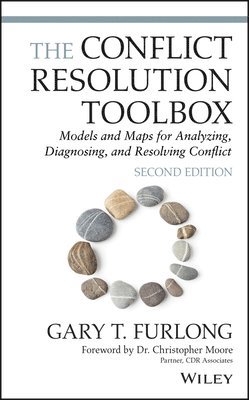
    Conflict Resolution Toolbox

    Models and Maps for Analyzing, Diagnosing, and Resolving Conflict

    AvGary T. Furlong

    Inbunden, Engelska, 2020

    750 kr

    Beställningsvara. Skickas inom 5-8 vardagar. Fri frakt över 249 kr.

    Fler format och utgåvor

    E-bok

    553 kr

    E-bok

    587 kr

    E-bok

    864 kr

    E-bok

    845 kr

    Beskrivning

    Learn to effectively resolve conflict the way that works best for youWhen it comes to real-world conflict resolution, one size does not fit all. In the professional world especially, it’s critical for individuals to be prepared for a variety of situations and to know what tools and techniques can be used to settle disputes and disagreements in a way that is respectful of both party’s needs. The Conflict Resolution Toolbox shows mediators, negotiators, managers, and professionals at all levels how to simply and effectively assess conflict situations and choose the right tools to resolve the issue in a meaningful way. Understand the why behind the conflict and how it can be resolvedRecognize the unconscious judgements and biases that are obstacles to conflict resolutionView conflict situations objectively and from multiple viewpointsLearn how the latest neuroscience and behavioral economics research plays a role in conflict resolutionWith over 25 years of experience in mediation, negotiation, and conflict resolution, author Gary T. Furlong brings to light the intrinsic habits and interpretations that can unwittingly surface and lead to further tension during times of conflict and unrest. This timely update to The Conflict Resolution Toolbox marries theory and practice and is a hands-on guide to understanding the root of conflict and selecting the simple strategies for addressing specific scenarios that individuals routinely face in the workplace and in life.Conflict may be unavoidable, but resolution is within reach with the invaluable guidance and techniques found in The Conflict Resolution Toolbox.

    Produktinformation

    • Utgivningsdatum:2020-10-26
    • Mått:150 x 226 x 28 mm
    • Vikt:454 g
    • Format:Inbunden
    • Språk:Engelska
    • Antal sidor:256
    • Upplaga:2
    • Förlag:John Wiley & Sons Inc
    • Medarbetare:ChristopherW. Moore
    • ISBN:9781119717584

    Utforska kategorier

    • Företagsekonomi inom Ekonomi och Ledarskap

    Mer om författaren

    GARY T. FURLONG, C. MED., LL.M (ADR), is a partner at Agree Dispute Resolution where he specializes in mediation, negotiation, and conflict resolution. He has mediated construction, insurance, employment, and labor disputes for over 25 years, and has trained judges, lawyers, police officers, firefighters, and health care leaders across Canada and the United States. Gary teaches at the Queen’s University Industrial Relations Center and at Osgoode Hall Law School. He is a past president of the ADR Institute of Ontario, has received the McGowan Award of Excellence in Alternative Dispute Resolution from the ADR Institute of Canada, and is a Distinguished Fellow at the International Academy of Mediators.

    Innehållsförteckning

    • Foreword xiiiAcknowledgments xviiChapter One – Introduction to the Second Edition 1We All Practice Conflict Resolution Daily 3Diagnosis: Finding the Root Causes of Conflict 4Theories vs. Models in a Practice Profession 6A Wide Range of Conflict Analysis Models 9Becoming a Reflective Practitioner 11Summary 13How to Use This Book 14Chapter Two – Overview of the Models 17Why These Nine Models? 17Model #1—The Stairway (Interests/Rights/Power) Model 18Model #2—The Triangle of Satisfaction 18Model #3—The Circle of Conflict 19Model #4—The Dynamics of Trust 19Model #5—The Law of Reciprocity 20Model #6—The Loss Aversion Bias 20Model #7—The Boundary Model 21Model #8—The Social Styles Model 22Model #9—Moving Beyond Conflict 22Chapter Three – The Conflict Story: A Case Study 23A Case Study 23Chapter Four – Model #1: The Stairway (Interests/Rights/Power) 27Background of the Stairway Model 27Diagnosis with the Stairway Model 27Case Study: The Stairway Diagnosis 32Strategic Direction from the Stairway Model 33Case Study: Stairway Strategic Direction 35Assessing and Applying the Stairway Model 36Practitioner’s Worksheet for the Stairway Model 37Additional Case Study—Stairway Model 38Chapter Five – Model #2: The Triangle of Satisfaction 43Background of the Triangle Model 43Diagnosis with the Triangle of Satisfaction 43Case Study: Triangle of Satisfaction Diagnosis 45Strategic Direction from the Triangle of Satisfaction 49Case Study: Triangle of Satisfaction Strategic Direction 52Assessing and Applying the Triangle of Satisfaction Model 55Practitioner’s Worksheet for the Triangle of Satisfaction Model 57Additional Case Study: Triangle of Satisfaction 59Chapter Six – Model #3: The Circle of Conflict 67Background of the Circle of Conflict Model 67Diagnosis with the Circle of Conflict 67Case Study: Circle of Conflict Diagnosis 72Strategic Direction from the Circle of Conflict 75Case Study: Circle of Conflict Strategic Direction 76Assessing and Applying the Circle of Conflict Model 79Practitioner’s Worksheet for the Circle of Conflict Model 81Additional Case Study—Circle of Conflict 85Chapter Seven – Model #4: The Dynamics of Trust 95Background of the Trust Model 95Diagnosis with the Trust Model 99Case Study: Trust Model Diagnosis 104Strategic Direction from the Trust Model 107Case Study: Trust Model Strategic Direction 115Assessing and Applying the Trust Model 118Practitioner’s Worksheet for the Trust Model 119Additional Case Study: Trust Model 120Chapter Eight – Model #5: The Law of Reciprocity 129with Cal FurlongBackground of the Natural Laws 129The Law of Reciprocity 130Diagnosis with the Law of Reciprocity 134Case Study: Reciprocity Diagnosis 136Strategic Direction from the Law of Reciprocity 137Case Study: Reciprocity Strategic Direction 139Assessing and Applying the Law of Reciprocity 140Additional Case Study—Law of Reciprocity 141Chapter Nine – Model #6: The Loss Aversion Bias 143with Cal FurlongBackground of the Loss Aversion Bias 143Diagnosis with the Loss Aversion Bias 146Case Study: Loss Aversion Diagnosis 148Strategic Direction from the Loss Aversion Bias 150Case Study: Loss Aversion Strategic Direction 156Assessing and Applying the Loss Aversion Bias 157Additional Case Study—Loss Aversion 157Chapter Ten – Model #7: The Boundary Model 161Background of the Boundary Model 161Diagnosis with the Boundary Model 161Case Study: Boundary Model Diagnosis 165Strategic Direction from the Boundary Model 167Case Study: Boundary Model Strategic Direction 168Assessing and Applying the Boundary Model 170Practitioner’s Worksheet for the Boundary Model 170Additional Case Study: Boundary Model 172Chapter Eleven – Model #8: The Social Style Model 179Background of the Social Style Model 179Diagnosis with the Social Style Model 181Case Study: Social Style Diagnosis 185Strategic Direction from the Social Style Model 187Case Study: Social Style Strategic Direction 193Assessing and Applying the Social Style Model 194Practitioner’s Worksheet for the Social Style Model 195Additional Case Study: Social Style Model 197Chapter Twelve – Model #9: Moving Beyond the Conflict 203Background of the Moving Beyond Model 203Diagnosis with the Moving Beyond Model 205Case Study: Moving Beyond Diagnosis 209Strategic Direction from the Moving Beyond Model 213Case Study: Strategic Direction with the Moving Beyond Model 218Assessing and Applying the Moving Beyond Model 225Practitioner’s Worksheet for the Moving Beyond Model 225Additional Case Study—Moving Beyond Model 226Chapter Thirteen – Conclusion 231Index 233