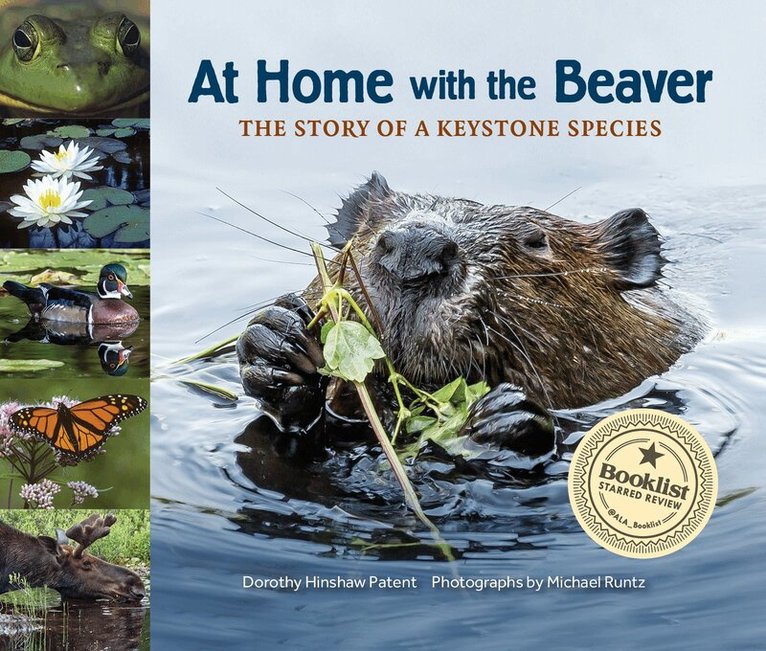
Named one of "The Best Children's Books of the Year" by the Children's Book Committee and the Bank Street College ofEducation Booklist Starred Review “By cutting down trees to make a dam across a creek, a pair of beavers create a pond. In its center, they build theirlodge, a home where they can raise their young. Meanwhile, the beavers’ two construction projects have changed theirenvironment, creating a new network of small and large organisms within the pond and beyond it, where water seepsthrough the soil to support grasses and other plants that now have more sunlight, since the beavers have felled anumber of trees. Because of its enormous impact in forming and supporting a diverse ecosystem, the beaver is knows asa keystone species. A zoologist who has written many fine science books for children, Patent explains the conceptclearly, presents an overview of the pond, and introduces some of the wildlife in and around it. Whether showing abroad view of the pond or focusing on a particular bird, Runtz’s color photos illustrate the text well. With a senseof immediacy and crisp clarity, each picture invites viewers to look closely at the animals and their surroundings. Anenlightening companion book to Madeleine Dunphy’s 'At Home with the Gopher Tortoise: The Story of a Keystone Species'(2010) and an informative addition to library collections.” —Booklist "Up-close and personal with a critically essential wetlands animal. Beavers are known as a "keystone species" becausethe dams they build from logs, sticks, and mud create ecosystems—ponds—that provide habitats and sustenance for a vastvariety of life forms that dwell in and around the ponds, including plants, insects, fish, snakes, reptiles,amphibians, birds, and other mammals. These sturdy rodents' gifts keep on giving even beyond the ponds: Pond waterirrigates surrounding vegetation, and the spaces left by trees beavers cut down with their strong, sharp teeth allowfor more sunlight to pour down on the greenery. How important are beavers? This biodiversity likely wouldn't existwithout their hard labor. The author offers up these and other fascinating facts in clear, pithy, accessible prose,expressed in a conversational tone, including the tidbit that other animals may help themselves to beavers' ownlodges—sometimes even when the beavers are still living in them. The well-written, economic text, presented on therecto of double-page spreads, is handsomely supported by excellent, high-quality color photos on facing pages; thesefeature close-ups of some of the plants and wildlife that inhabit a pond and its idyllic surrounding landscape. A finebrowse for young animal lovers and a good, basic choice for report writers." (author's note, websites) (Informationalpicture book. 6-9)—Kirkus Reviews "'At Home with the Beaver: The Story of a Keystone Species' is a nonfiction children's picturebook about much morethan beavers. 'At Home with the Beaver' examines how the beaver's dam creates a pond habitat that a multitude of otherplants and animals depend on for survival, especially those that need still water instead of rapidly flowing water.From frogs to ducks to plants, fish, snakes, and even fierce predators, all sorts of different living things areconnected through the "keystone", dam-building beaver. Captivating, full-color photography of wildlife in its naturalhabitat distinguishes this treasure for school and public library picturebook collections."—Midwest Book Review “While most kids know beavers are builders, they probably don’t realize the enormous impact this busy animal has onthe environment. But beavers create a place for 'thousands of living things of all sizes, shapes, and colors' to live,nest, and find food. That is why beavers are considered a keystone species. When beavers cut down trees to build theirlodges and dams, the increase in water and sunlight changes the environment. The diminished forest and the newlycreated pond allows plants to grow, which, in turn, provides food and shelter to animals. Photographs illustrate foryoung readers the plethora of living organisms the beaver pond invites, as well as the interconnections between plantsand animals. For example, the joe-pye weed is food for monarch butterflies, the cattails provide a nesting place forred-winged blackbirds, and the water-lily pads hold green frogs. Likewise, dragonflies lay eggs on plant stems,turtles sun on fallen logs, and salamanders lay their eggs in the water. Bigger animals, such as moose, foxes andraccoons are drawn to drink and hunt, and a variety of birds frequent the beaver pond in search of insects, as well.Even the beaver lodge itself can be a home to wildlife, such as muskrats and Canada geese. Finally, readers will seehow micro-organisms beneath the surface of the water are part of a food chain that begins with these tiny organisms.From green algae to water flea to backswimmer to bass to kingfisher, each organism eats and gets eaten. The labeledphotographs and clear text allow children to fully grasp the interconnections in this unique environment and the“crucial role of beavers in the ecosystem.” Backmatter offers additional information about beavers and details theefforts being made to recognize and protect this important keystone species.”—Children's Literature “Beavers make ponds that thousands of species depend on and zoologist Dorothy Hinshaw Patent has written this book toteach us all about it. By building a dam and lodge, this keystone species provides a wet, sun-filled habitat forplants, insects, and other animals. Many of these living things are included in exquisite photographs that fill thepages. The author mentions well-known water-loving creatures like ducks and frogs, but also species less commonlydiscussed like water fleas, damselflies, and jewelweed. While not specifically intended as a pond speciesidentification guide, this book has labeled photographs that can certainly help children, their parents, and theirteachers better notice and name living things in their neighborhood ponds. From food webs to shelter, the concepts inthis book are useful for getting readers to think about connections among species and the roles beavers play.”—Green Teacher