Häftad, Engelska, 2025
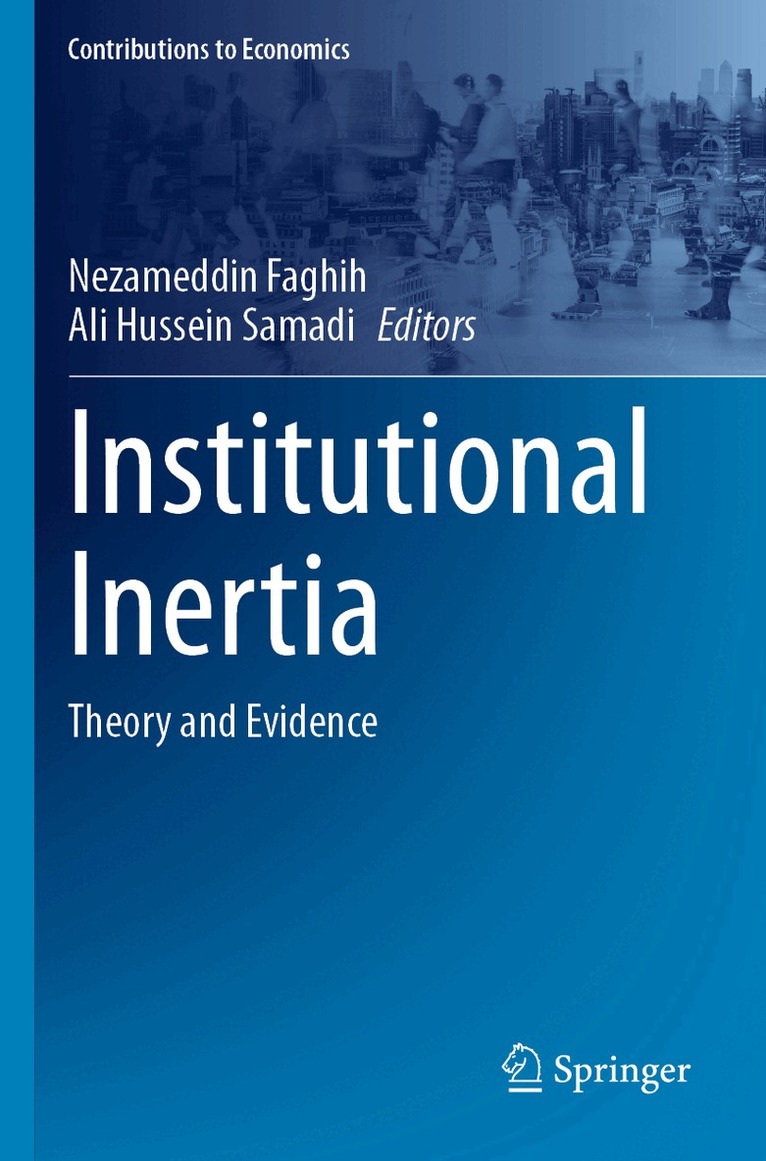
Institutional Inertia
Av Nezameddin Faghih, Ali Hussein Samadi
2024 kr
Beställningsvara. Skickas inom 10-15 vardagar. Fri frakt över 249 kr.
Beskrivning
This edited volume explores the concept of institutional inertia and its relationship to economic growth and development. Including insights from experts across disciplines, chapters identify the types, causes and effects—both positive and negative—of institutional inertia. By questioning the types of institutional inertia that improve economic performance and impact the effectiveness of the state, as well as studying their role in the dynamics of institutional change, the volume attempts to trace and understand the different evolutionary paths of societies. Bridging important research gaps, this volume will be of use to students, researchers, and practitioners of institutional and evolutionary economics, development economics, management, and organizational theory.
Produktinformation
- Utgivningsdatum: 2025-02-09
- Mått: 155 x 235 x 20 mm
- Vikt: 552 g
- Format: Häftad
- Språk: Engelska
- Serie: Contributions to Economics
- Antal sidor: 352
- Förlag: Springer International Publishing AG
- ISBN: 9783031511776
Utforska kategorier
Betyg & recensioner
0 recensioner
Inga recensioner tillgängliga.