• Fri frakt över 249 kr
  • •
  • Snabba leveranser
  • •
  • Billiga böcker
Kundservice

Du är på sajten för privatpersoner.

Företag, bibliotek eller offentlig verksamhet?

Du handlar på classic.bokus.com, där alla dina funktioner finns intakta.
Till classic.bokus.com
Bokus logotyp. Gå till startsidan.
  • Erbjudanden
  • Student
  • Topplistor
  • Barn & ungdom
  • Bokus Play
  • E-böcker
  • Ljudböcker
  • Pocketböcker
  • Spel och pussel

Pocketfynda! Hundratals böcker för 49 kr/st →

Sidfot

Mina sidor

    Hjälp

    • Kundservice
    • Vanliga frågor och svar
    • Frakt och leverans
    • Retur vid ångerrätt
    • Reklamera vara
    • Betalning
    • Köpvillkor
    • Allmänna villkor
    • Information om webbplatsens tillgänglighet

    Om Bokus

    • Om oss
    • Pressrum
    • För studenter
    • För företag
    • För bibliotek och offentlig verksamhet
    • För leverantörer
    • Hållbarhet

    Populärt

    • Aktuella erbjudanden
    • Presentkort
    • Studentlitteratur
    • Nya böcker
    • Topplistor
    • Signerade böcker
    • Engelska böcker

    Inspiration

    • Boktips
    • BookTok
    • Barnbokskaraktärer
    • Populära författare
    Logotyp för Bokus
    Följ oss på Facebook (extern länk)Följ oss på Instagram (extern länk)Följ oss på YouTube (extern länk)Följ oss på TikTok (extern länk)
    bokus @ CookiesAnpassa cookiesIntegritetspolicyKöpvillkor
    Till Citymail hemsida (extern länk)Till Budbee hemsida (extern länk)Till Postnord hemsida (extern länk)Till Schenker hemsida (extern länk)Till Early Bird hemsida (extern länk)Till Walleys hemsida (extern länk)
    1. Historia och arkeologi
    2. Historia
    3. Forntidens historia

    Temple of the World

    Sanctuaries, Cults, and Mysteries of Ancient Egypt

    AvMiroslav Verner

    Inbunden, Engelska, 2013

    436 kr

    Beställningsvara. Skickas inom 5-8 vardagar. Fri frakt över 249 kr.

    Beskrivning

    Despite the prominence of ancient temples in the landscape of Egypt, books about them are surprisingly rare. This new and essential publication from a prominent Czech scholar answers the need for a study that goes beyond temple architecture to examine the spiritual, economic, and political aspects of these institutions and the dominant roles they played. Miroslav Verner presents a deeper and more complex study of major ancient Egyptian religious centers, their principal temples, their rise and decline, their religious doctrines, cults, rituals, feasts, and mysteries. Also discussed are the various categories of priests, the organization of the priesthood, and its daily services and customs. Each chapter offers the reader essential and up-to-date information about temple complexes and the history of their archaeological exploration, in the context of the spiritual dimension and cultural legacy of ancient Egypt.

    Produktinformation

    • Utgivningsdatum:2013-10-03
    • Mått:156 x 234 x 46 mm
    • Vikt:1 628 g
    • Format:Inbunden
    • Språk:Engelska
    • Antal sidor:624
    • Förlag:The American University in Cairo Press
    • ISBN:9789774165634
    • Översättare:Anna Bryson-Gustov

    Utforska kategorier

    • Forntidens historia inom Historia och arkeologi

    Mer om författaren

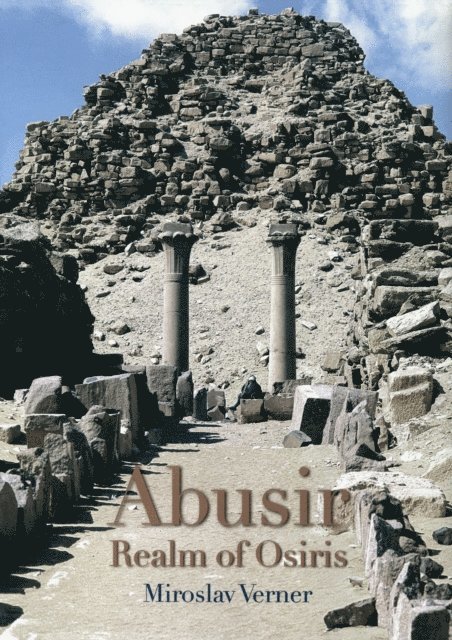
    Miroslav Verner is an Egyptologist, archaeologist, and epigrapher who has been working in archaeological excavation and research in Egypt since 1964, and has published thirteen academic monographs, mainly in foreign languages, and over a hundred and twenty academic articles. For many years he has contributed to popularizing Egyptology not only through articles and books (including Abusir: Realm of Osiris, AUC Press 2002), but also in television programs and documentary films. He is currently directing the Czech archaeological excavations in Abusir. Anna Bryson-Gustova, who has a BA and DPhil in history from Oxford University, has lived in the Czech Republic for twenty years. She is a writer, editor, and translator in the field of history and culture.

    Innehållsförteckning

    • The Temple of the WorldAbode of the GodsDoing ThingsThe Domain of the GodsFirst Excursus: Ordinary Days and Feast DaysThe CalendarFestivalsHeliopolis: The City of the SunThe Puzzle of the Lost TemplesSun TemplesThe Primordial Mound and the Ennead (Nine Gods)The Sun GodThe White WallPtah: Idea, Word, WorldThe Monument of Memphite TheologyThe Bull HapiThe SerapeumCults of AnimalsKhamwasetHermopolis: The City of the EightThe Hermopolitan OgdoadThoth and His WayHermes TrismegistusAntinoüs—Tragedy and GloryThe Kingdom of AmunHundred-gated ThebesThe King of the Gods‘The Most Esteemed of Places’The Temple Precinct of AmunThe Temple of KhonsuThe Temple of IpetThe Temple of PtahThe Temple Precinct of MutThe Temple Precinct of MontuAmun’s Southern HarimAbu SimbelThe Desert Oracle of AmunSecond Excursus: The Great Festivals of the King of the GodsThe Festival of the DecadeThe Beautiful Feast of the ValleyThe Mysteries of the Opet FestivalAmarna: City of the HereticArcheologists in AmarnaThe Horizon of AtenDazzling AtenThe Beauty Has ComeTanis: The Thebes of the NorthThe Treasures of TanisAbydos: The Sacred LandThe Temple and Tomb of OsirisRoyal Mortuary MemorialsThe Mysterious OsireionThe Ruler of the Kingdom of the DeadThird Excursus: OsirianOf Osiris and IsisKhoiak: The Month of the Mysteries of OsirisThe Decree on AbatonPhilae: The Pearl of EgyptThe Temple of the Beautiful Lady of a Thousand NamesThe AbatonThe Rescue of PhilaeEdfu: The Throne of HorusThe Birth TempleThe Festivals of the Falcon GodThe Contendings of Horus and SethDendera and the Golden GoddessThe Heliopolis of HathorThe Dwelling of the Golden GoddessTemples of Divine BirthThe Golden OneHathor’s FestivalsFourth Excursus: The Lady of the TurquoiseThe Mountain Temple of HathorProto-Sinaitic InscriptionsAlexander’s City by EgyptThe Metropolis of LearningThe Cultural Legacy of AlexandriaFinal Excursus: A Brief Outline of the Overall Architectural History of the Ancient Egyptian TempleThe Early Dynastic Period and the Old KingdomThe First Intermediate Period and the Middle KingdomThe Second Intermediate Period and the New KingdomThe Third Intermediate Period, the Late Period, and the Ptolemaic-Roman Period