A. Albano – författare
Visar alla böcker från författaren A. Albano. Handla med fri frakt och snabb leverans.
3 produkter
3 produkter
Inbunden, Engelska, 1991
2 173 kr
Skickas inom 10-15 vardagar
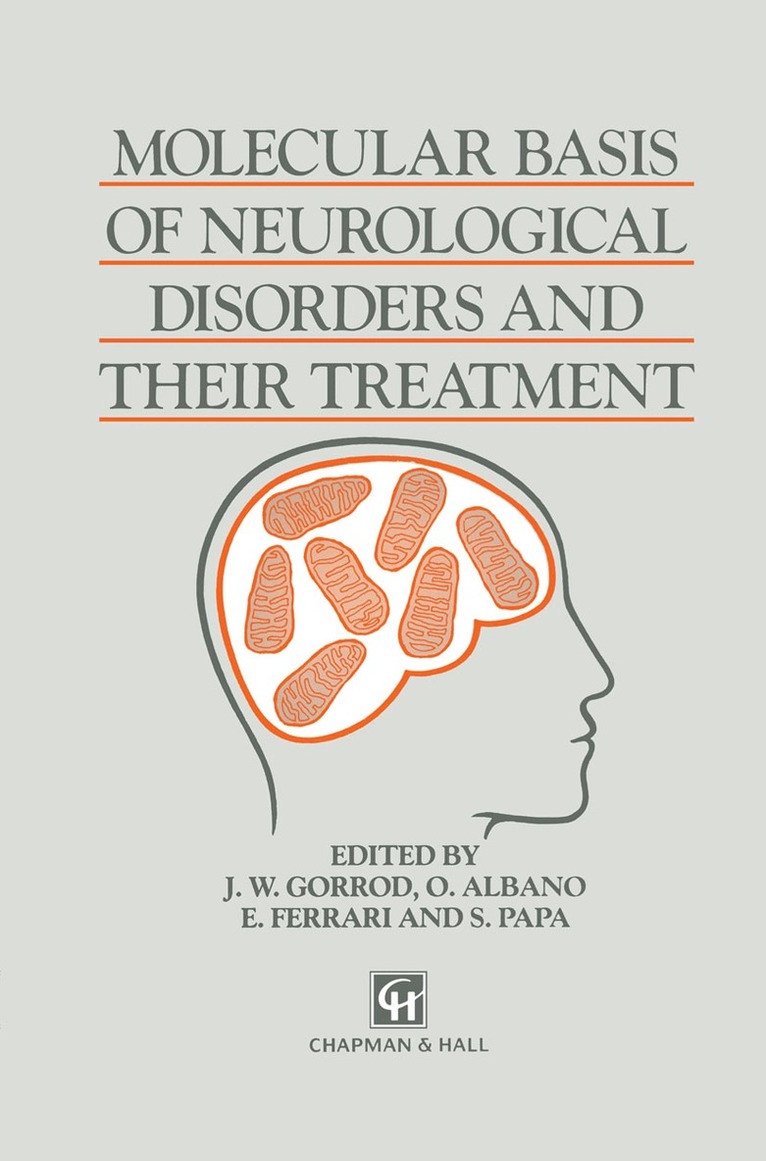
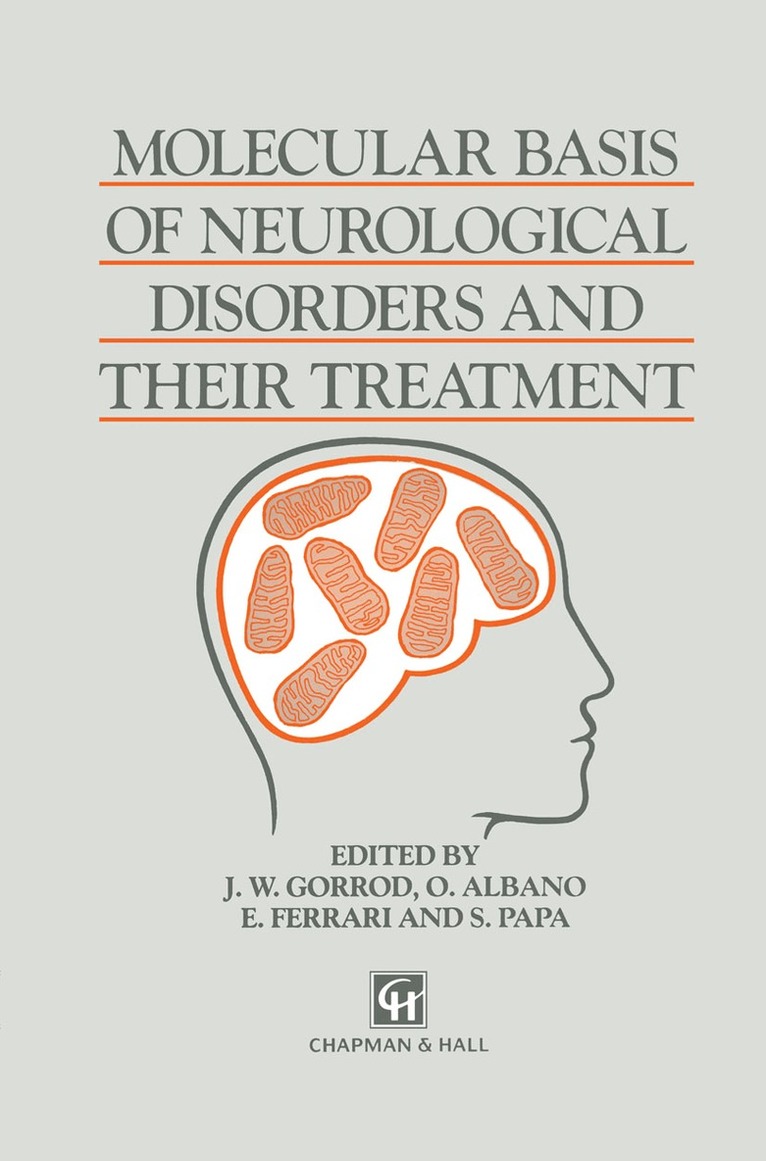
Understanding the function and diseases of the nervous system with a view to treating problems effectively has long been a major concern of neurobiologists and clinicians. The recent rapid development of molecular biology investigatory techniques has facilitated major advances in this field and the aim of this book is to provide an up-to-date review of recent findings on neurological disorders with particular emphasis on how an understanding of molecular processes can contribute to an understanding of the aetiology and mechanisms of disease causation. An examination of normal function provides the basis for a discussion of dysfunction including the affects of pharmacological agents and toxic insults. The broad-ranging coverage includes: cell membranes and ionmotive systems; molecular biology of receptors; ion channels; metabolic aspects; magnetic resonance, spectroscopic and positron emission tomographic studies of neurological disorders; regulation of cerebral microcirculation; brain ischaemia and its treatment; and neurotoxicity and xenobiotic agents.Deriving from an international meeting held in Sasano, Bari, Italy in September 1989, which included a workshop on mitochondrial encephalomyopthies, and written by an international team of experts, this topical book provides a good combination of molecular and clinical information and a strong indication of the areas in which further research is needed. It should be a vital reference source for biochemists, molecular biologists, neurobiologists, pharmacologists and neurologists. This book should be of interest to research workers in biochemistry, molecular biology, neurobiology, pharmacology and clinicians in neurology and psychiatry.
Häftad, Engelska, 2012
2 238 kr
Skickas inom 10-15 vardagar
cytochemical techniques (ICC) which provide a useful adjunct to investigations by immunoblotting. A particular advantage of a cytochemical approach to the investiga tion of mitochondrial disorders is that it allows the mosaic distribution of certain of these defects to be detected, whereas the tissue homogeniza tion involved in conventional enzyme assays or immunoblotting precludes this. A further advantage of MEA or ICC is that only small amounts of tissue are needed, which is important since many of the affected patients are infants or small children. The main aim of this communica tion is to outline ways in which these techniques can be used in the diagnosis and further investigation of mitochondrial disorders. Reference will be made not only to those situations in which MEA and ICC offer advantages over standard enzyme asays and immunoblotting but also to contexts in which the reverse applies. 4. 2 MATERIALS AND METHODS Muscle biopsies for cytochemical investigation were snap-frozen using isopentane cooled to - 150°C in liquid nitrogen. Samples were stored in heat-sealed polythene packets in the vapour phase of liquid nitrogen containers. 4. 2. 1 Microphotometric enzyme assays Frozen sections 8 Jlm thick were cut using a Reichert-J ung Frigocut cryostat microtome equipped with motor-driven cutting action to maintain maximal reproducibility of section thickness. Sections were picked up on microscope slides and air-dried for 15 min at room temperature.
E-bok
PDF, Engelska, 20122 822 kr
Läs direkt efter köp
cytochemical techniques (ICC) which provide a useful adjunct to investigations by immunoblotting. A particular advantage of a cytochemical approach to the investiga tion of mitochondrial disorders is that it allows the mosaic distribution of certain of these defects to be detected, whereas the tissue homogeniza tion involved in conventional enzyme assays or immunoblotting precludes this. A further advantage of MEA or ICC is that only small amounts of tissue are needed, which is important since many of the affected patients are infants or small children. The main aim of this communica tion is to outline ways in which these techniques can be used in the diagnosis and further investigation of mitochondrial disorders. Reference will be made not only to those situations in which MEA and ICC offer advantages over standard enzyme asays and immunoblotting but also to contexts in which the reverse applies. 4. 2 MATERIALS AND METHODS Muscle biopsies for cytochemical investigation were snap-frozen using isopentane cooled to - 150°C in liquid nitrogen. Samples were stored in heat-sealed polythene packets in the vapour phase of liquid nitrogen containers. 4. 2. 1 Microphotometric enzyme assays Frozen sections 8 Jlm thick were cut using a Reichert-J ung Frigocut cryostat microtome equipped with motor-driven cutting action to maintain maximal reproducibility of section thickness. Sections were picked up on microscope slides and air-dried for 15 min at room temperature.