A. J. Bowen – författare
Visar alla böcker från författaren A. J. Bowen. Handla med fri frakt och snabb leverans.
4 produkter
4 produkter
Häftad, Klassisk grekiska, 1992
508 kr
Skickas inom 5-8 vardagar
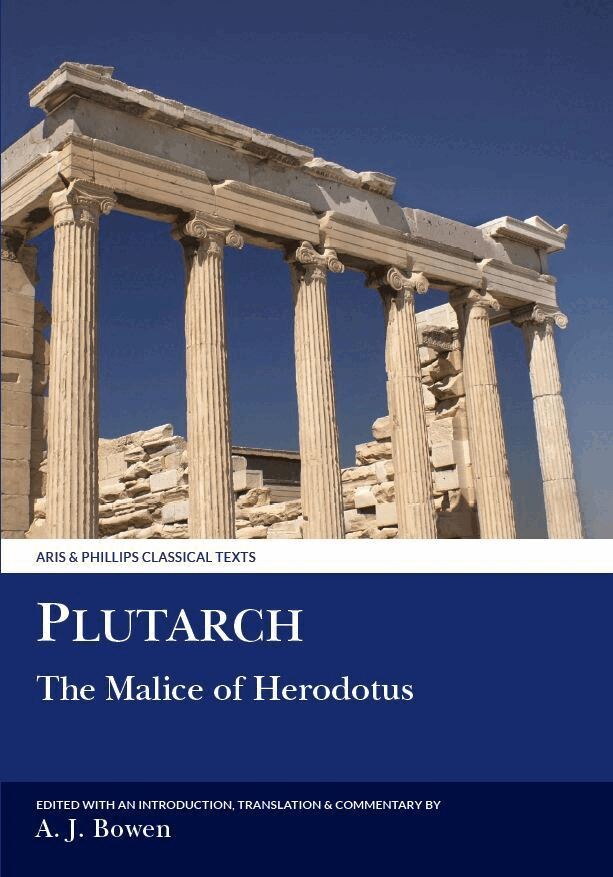
The Malice of Herodotus can perhaps best be described as the world's earliest known book review. But it is much more than that, for in the course of 'correcting' with considerable vituperation what he saw as Herodotus' anti-Greek bias, Plutarch tells us much about his own attitude to writing history. So that together with Lucian's How to Write History (see Lucian A Selection in this series) it forms a basic text for the study of Greek historiography. It is also perhaps the most revealing example of Plutarch's prose style with its rhetorical variety and energy and odd mixture of good and bad argument. But in citing lost works, Plutarch has preserved valuable fragments which don't exist elsewhere and need to be assessed by all students of the Persian Wars. Greek text with translion, introduction and commentary.
Häftad, Engelska, 1998
442 kr
Skickas inom 5-8 vardagar
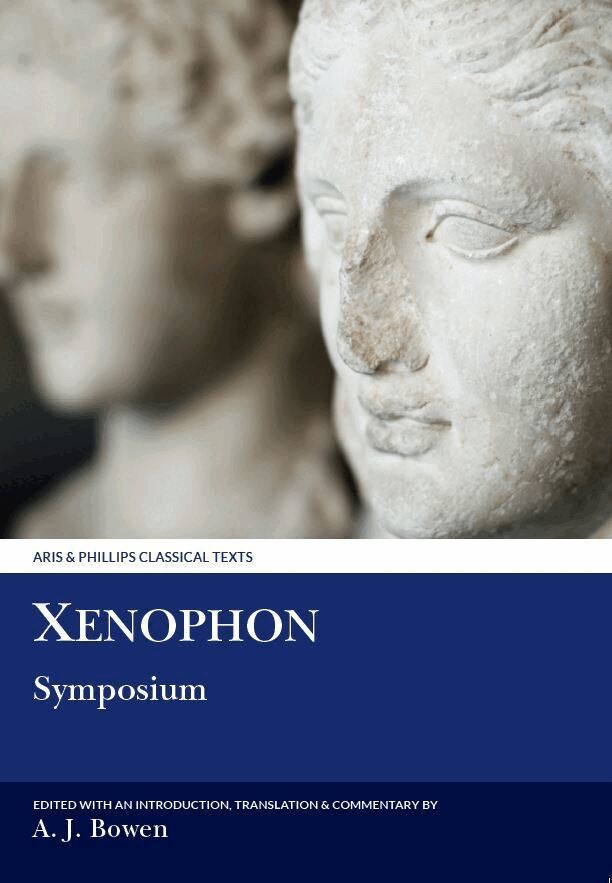
The Symposium that Xenophon wrote has lived in the shadow of the more famous one by Plato, so much so that it has not received a full commentary in English for well over a hundred years. Yet it is a work as useful for its Greek as it is precious for its content. Socrates is the hero of each Symposium, but most of our understanding of him is usually owed to Plato; we risk assuming that his portrait of Socrates is right. Xenophon saw the man differently: his picture is independent and it is the only significant surviving alternative view. Moreover, the scene that Xenophon paints in his Symposium has a vigour and wit of its own. The work is a document of prime importance for the classical Greek society which we study most and know best: it is set at the male heart of it. Thirdly, Xenophon’s Greek is lucid and unforced. The editor has been using the text for a number of years to help students bridge the gap between what they learn from their beginners’ courses and the richer Greek of more fashionable texts. Hence an unprecedented amount of help with the language, and a large vocabulary, as well as the notes usual in this series on the content. Greek text with facing-page English translation, introduction and commentary.
Häftad, Engelska, 2013
586 kr
Skickas inom 5-8 vardagar
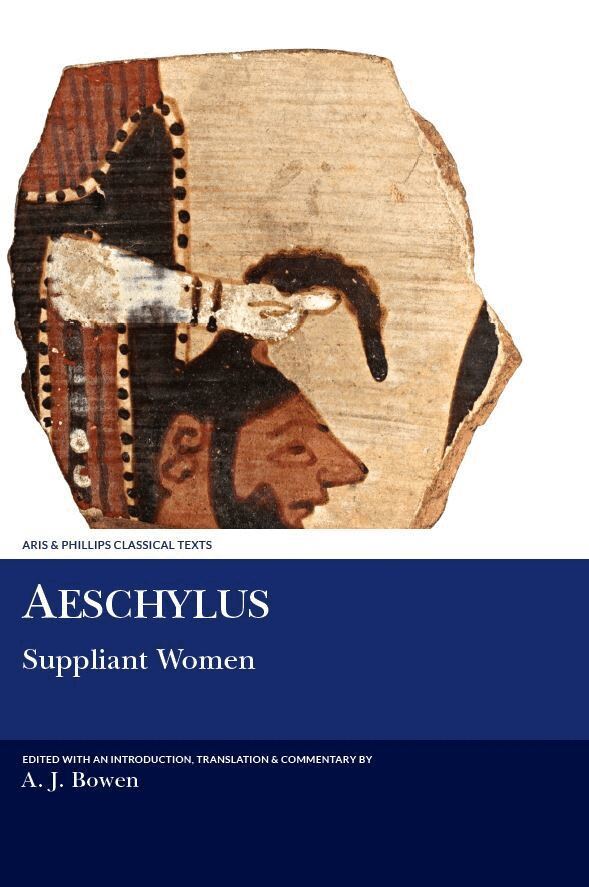
Aeschylus starts his tetralogy boldly, making the Danaids themselves prologue, chorus and protagonist. Guided by their father Danaus, these girls have fled from Egypt, where their cousins want to marry them, to seek asylum in Argos: they claim descent from Io, who was driven to Egypt five generations earlier when Zeus' love for her was detected by jealous Hera. In the long first movement of the play the Danaids argue their claim, pressing it with song and dance of pathos and power, upon the reluctant Argive king. He, forced eventually by their threat of suicide, puts the case to his people, who vote to accept the girls, but while they sing blessings on Argos, Danaus spies their cousins' ships arriving. Left on their own when he goes for help, they sing more seriously of suicide, and seek sanctuary upstage when the Egyptians enter. A remarkable tussle of two choruses ensues; in the nick of time the king arrives, sees off the Egyptians (but they promise a return) and offers his hospitality. The girls want their father, however, and go when guided by him and his escort of Argive soldiers. Their final song has elements of wedding song in it; they share it, provocatively, with the Argives.The rest of the tetralogy is lost, but enough is known to indicate that marriage is the theme. Aeschylus probably surprised his first audience in his use of the myth; his command of theatre and poetry is fully mature.A.J.Bowen is an Emeritus Fellow of Jesus College, Cambridge. From 1993 to 2007 he was Orator of the University.
Inbunden, Engelska, 2013
1 900 kr
Skickas inom 5-8 vardagar
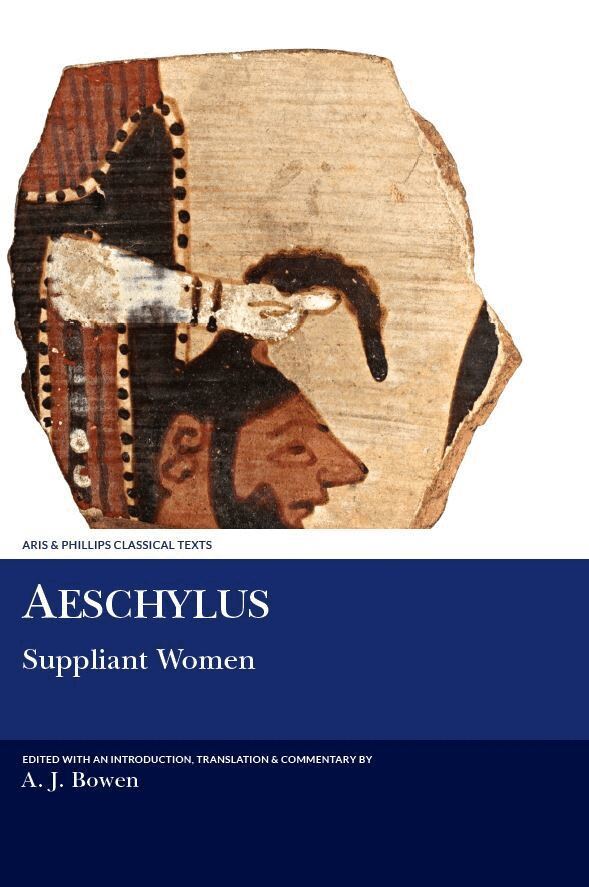
Aeschylus starts his tetralogy boldly, making the Danaids themselves prologue, chorus and protagonist. Guided by their father Danaus, these girls have fled from Egypt, where their cousins want to marry them, to seek asylum in Argos: they claim descent from Io, who was driven to Egypt five generations earlier when Zeus' love for her was detected by jealous Hera. In the long first movement of the play the Danaids argue their claim, pressing it with song and dance of pathos and power, upon the reluctant Argive king. He, forced eventually by their threat of suicide, puts the case to his people, who vote to accept the girls, but while they sing blessings on Argos, Danaus spies their cousins' ships arriving. Left on their own when he goes for help, they sing more seriously of suicide, and seek sanctuary upstage when the Egyptians enter. A remarkable tussle of two choruses ensues; in the nick of time the king arrives, sees off the Egyptians (but they promise a return) and offers his hospitality. The girls want their father, however, and go when guided by him and his escort of Argive soldiers. Their final song has elements of wedding song in it; they share it, provocatively, with the Argives.The rest of the tetralogy is lost, but enough is known to indicate that marriage is the theme. Aeschylus probably surprised his first audience in his use of the myth; his command of theatre and poetry is fully mature.A.J.Bowen is an Emeritus Fellow of Jesus College, Cambridge. From 1993 to 2007 he was Orator of the University.