A. J. Boyle - Böcker
Visar alla böcker från författaren A. J. Boyle. Handla med fri frakt och snabb leverans.
12 produkter
12 produkter
3 373 kr
Skickas inom 5-8 vardagar
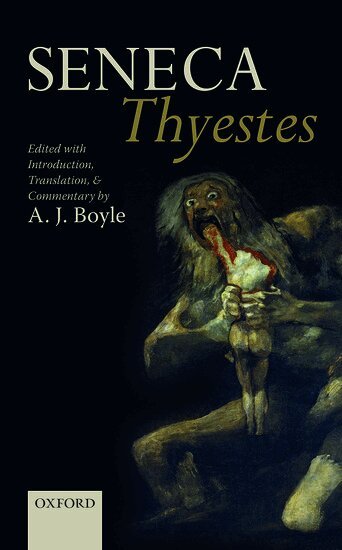
Although the myth of Atreus' gruesome vengeance on his brother, Thyestes, was embedded in Greek and Roman culture long before his time, Seneca's play is the only literary or dramatic account to have survived intact. Written probably in late Neronian Rome, Thyestes is now widely regarded as one of the tragedian's finest achievements and represents Seneca's most mature reflections on power and civilization, and on the tragic theatre itself. The play's impact on European literature and drama from antiquity to the present has been considerable; now much studied in universities and colleges, and regularly adapted and performed, it still contains much that speaks pointedly to our times: its focus on appetite, lust, violence, and horror; its preoccupation with rhetoric, morality, and power; its concern with the problematics of kinship, and with political, social, and religious institutions and their fragility and impotence; its dramatization of reason's failure, the triumph and cyclicity of evil, the determinism of history, the mastery of the world through mastery of the word; its theatricalized and godless universe. This new edition of Seneca's Thyestes offers a comprehensive introduction, newly edited Latin text, an English verse translation designed for both performance and high-level academic study, and a detailed exegetic, analytic, and interpretative commentary on the play. The aim throughout has been to elucidate the text dramatically as well as philologically, and to locate the play firmly in its contemporary historical and theatrical context and in the ensuing literary and dramatic tradition. As such, the reception of the play by European dramatists is given especial emphasis in the introduction and throughout the commentary; this and the accessible notes on the text make this edition of particular use not only to scholars and students of classics, but also of literature and drama, and to anyone interested in the cultural dynamics of literary reception and in the interplay between theatre and history.
2 422 kr
Skickas inom 5-8 vardagar
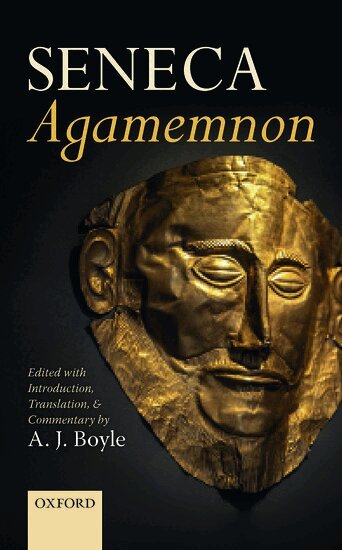
The tragic myth of Agamemnon, Mycenae's 'king of kings', who sacrificed his own daughter in order to sack the great city of Troy and returned home only to be assassinated by his wife and her lover, has been a constant source of fascination for writers and artists from classical Greece right up to the present day. The ancient Romans were drawn to the myth, but Seneca's tragedy is the only dramatic treatment from this tradition to have survived intact: often undervalued, it is in fact intellectually and poetically one of his richest plays - dramatically innovative, spectacular, and pervasively self-reflective. Its strong lyric and theatrical qualities - from polymetric choral odes to powerful meditative soliloquies-perfectly complement Seneca's complex presentation of the slaying of husband, father, and king and his exploration of such attendant issues as family, despotism, knowledge, gender, political order, freedom, vengeance, and death. Also containing extant Latin literature's most complex representation of two iconic women of classical myth (and occasional feminist paradigms), Clytemnestra and Cassandra, the tragedy ably transcends the narrow context of late Julio-Claudian Rome and contains much that speaks pointedly to our times. This new full-scale edition of Seneca's Agamemnon offers a comprehensive introduction, newly edited Latin text, English verse translation designed for both performance and high-level academic study, and detailed exegetic, analytic, and interpretative commentary. The aim throughout has been to elucidate the text dramatically as well as philologically, and to locate the play firmly in its contemporary historical and theatrical context and in the ensuing literary and dramatic tradition. As such, its substantial influence on European drama, opera, and ballet from the sixteenth to the nineteenth centuries is given especial emphasis throughout; this and the accessible notes on the text make the edition of particular use not only to scholars and students of classics, but also of comparative literature and drama, and to anyone interested in the cultural dynamics of literary reception and in the interplay between theatre and history.
3 570 kr
Skickas inom 5-8 vardagar
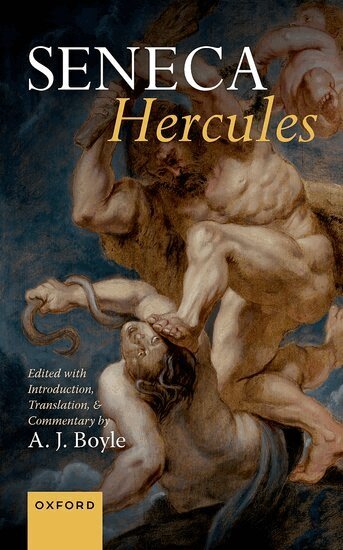
Hercules is a tragedy of great theatrical, poetic, and cultural value. Written probably at the intersection of the principates of Claudius and Nero, it addresses central issues of early imperial Rome, even as it speaks profoundly to our times. Among its concerns are violence and madness; imperatives of family and self; Rome, identity and place; the nature of virtue; the longing for immortality; the theatre of rage; and the empire of death. The play is dramatically innovative, spectacular, and arresting: from its fiery, monumental god-prologue (the only one in Senecan tragedy), through meditative soliloquies, impassioned speeches, trenchant dialogue, a failed wooing scene with an impressive after-life in Tudor drama, a stunning entrance for Hercules and his captured hellhound, Theseus' ecphrastic narrative of the hero's infernal 'labour', to a familicidal madness scene and an emotionally turbulent, non-violent finale, in which the instinct for self-punitive suicide is thwarted by the claims of kinship and the acceptance of intolerable suffering. The whole is bound together by some of Seneca's most affective choral lyrics, as intellectually engaging as they are emotionally potent. Hercules is A. J. Boyle's sixth, full-scale edition for OUP of a play by or attributed to Seneca. It offers a comprehensive introduction, newly edited Latin text, English verse translation designed for both performance and academic study, and a detailed exegetic, analytic, and interpretative commentary. The aim has been to elucidate the text dramatically as well as philologically, and to locate the play firmly in its contemporary historical and theatrical context and the ensuing literary and dramatic tradition. As such, its substantial influence on European drama from the sixteenth to the twenty-first centuries is given emphasis throughout; this and the accessibility of the commentary to Latinless readers make the edition particularly useful to scholars and students not only of classics, but also of comparative literature and drama, and to anyone interested in the cultural dynamics of literary reception and the interplay between theatre and history.
3 143 kr
Skickas inom 5-8 vardagar
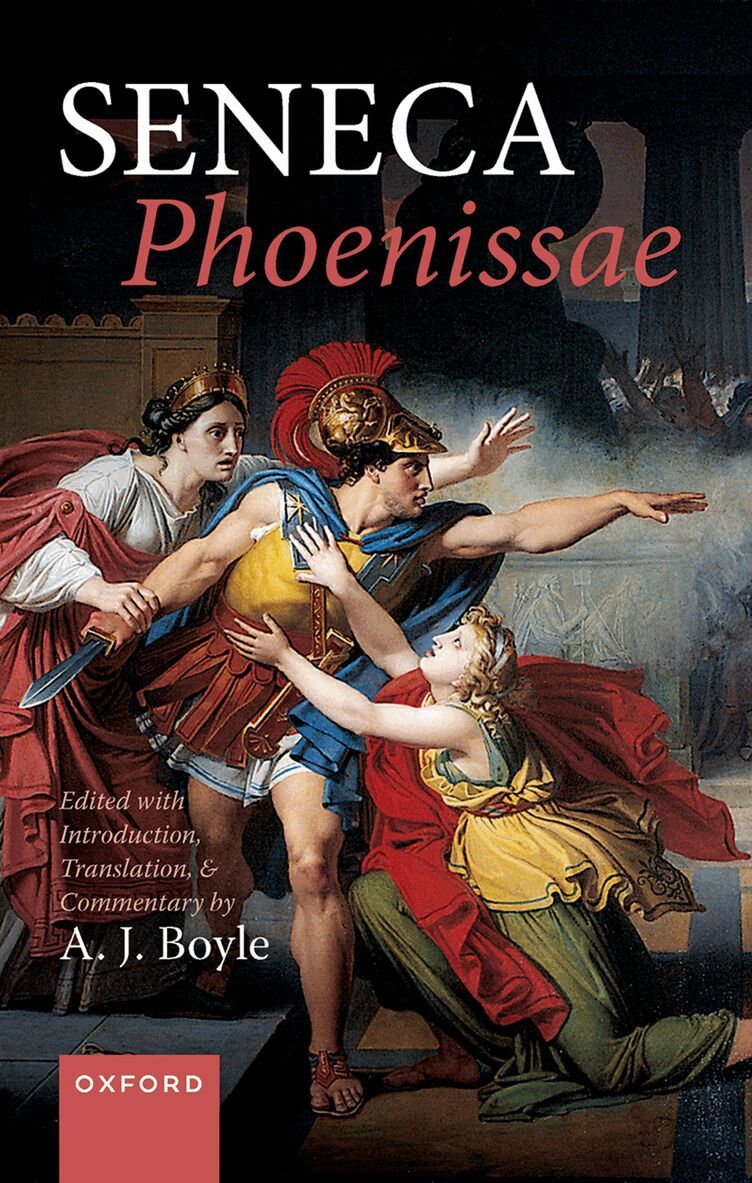
Phoenissae is probably Seneca's final play, left unfinished at the time of his death in 65 CE from a suicide ordered by the emperor Nero. It is a work of great dramatic, poetic, and intellectual force, a paradigm of Rome's literature of civil war, packed with the latter's vocabulary and imagery and permeated by issues central to Senecan thinking and tragic practice. Prominent themes include: the imperatives of family and self, of identity and place; violence and cost (psychological, familial, social); anger, self-loathing, suicide, and moral action; fate, guilt, horror; the cyclicity and triumph of evil; the allure of power; the violation of nature; the failure of pietas. Also meriting notice are more formal issues of theatricality, literary self-consciousness, and belatedness. Especially important is the theme of incest, its dissolution of political, moral, social, and natural order, its collapse of individual identity, its function as metaphor for the evil of civil war. Like the unfinished epic of Seneca's nephew Lucan, Phoenissae is immediate precursor to the bloody internecine warfare of 68–69 CE and a prophetic mirror of Rome. This is A. J. Boyle's seventh full-scale edition for OUP of a play by or attributed to Seneca. It offers a comprehensive introduction, newly edited Latin text, English verse translation designed for both performance and academic study, and a detailed exegetic, analytic, and interpretative commentary. The aim has been to elucidate the text dramatically as well as philologically, and to locate the play firmly in its contemporary historical and theatrical context and the ensuing literary and dramatic tradition. As such, its substantial influence on European drama from the sixteenth to the twenty-first centuries is given emphasis throughout; this and the accessibility of the commentary to Latinless readers make the edition particularly useful to scholars and students not only of classics, but also of comparative literature and of drama, and to anyone interested in the cultural dynamics of literary reception and the interplay between theatre and history.
2 171 kr
Skickas inom 5-8 vardagar
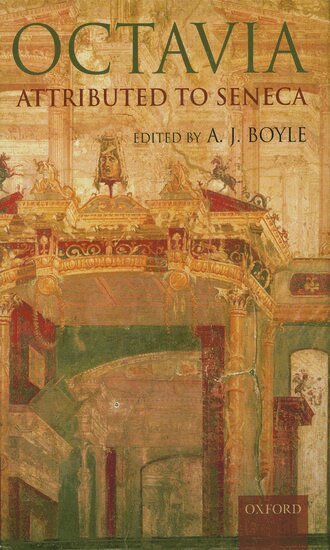
Octavia is a work of exceptional historical and dramatic interest. It is the only surviving complete example of the Roman historical drama known as the fabula praetexta. Written shortly after Nero's death by an unknown author, the play deals with events at the court of Nero in the decisive year 62 CE, for which it is the earliest extant (almost contemporary) literary source; its main themes are sex, murder, politics, power and the perceptions and constructions of history. It is a powerful, lyrical and spectacular play. This is the first critical edition of Octavia, with verse translation and commentary, which aims to elucidate the text dramatically as well as philologically, and to locate it firmly in its historical and theatrical context. The verse translation is designed for both performance and serious study.
3 125 kr
Skickas inom 7-10 vardagar
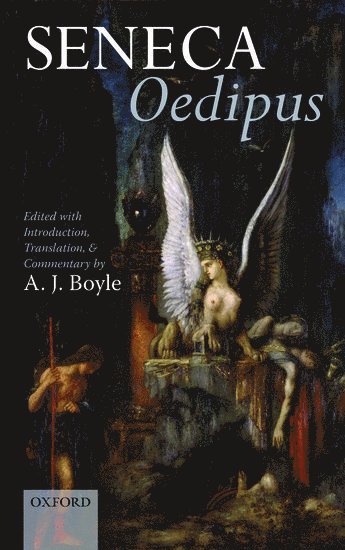
Seneca's Oedipus is a work of exceptional historical and dramatic interest. It is the only surviving ancient Roman play on one of the most important and enduring myths of European intellectual history. It is poetically experimental, intellectually complex, and theatrically spectacular; its themes include the psychology of guilt, fear and reason, the ethics and limits of power, the order of fate and history, and the nature of tragic theatre. The impact of Seneca's Oedipus on the European dramatic tradition has been immense. This is the first full-scale critical edition with commentary to appear in English. It aims to elucidate the text dramatically as well as philologically, and to locate it firmly in its historical and theatrical context and, since it is especially attentive to the play's reception, in the ensuing literary and dramatic tradition. The verse translation is designed for both performance and serious study.
3 524 kr
Skickas inom 5-8 vardagar
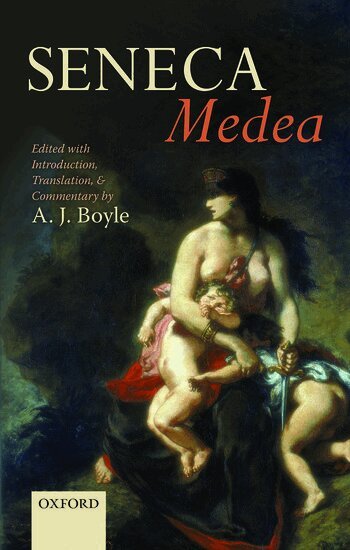
The myth of the sorceress Medea, who, abandoned by her Argonaut husband Jason, killed their children in revenge, has exerted a continuous impact on European writers and artists from classical Greece to the present day. The ancient Romans were especially drawn to the myth, but Seneca's tragedy is the only dramatic treatment to have survived from imperial Rome intact. It is intellectually and poetically one of the richest of Seneca's plays and theatrically one of his most innovative, spectacular and self-reflective. Its themes include the problematics of power and civilization, the dynamics of 'self' and 'other', the psychology of action, the determinism of history, the tragic theatre itself. The play's deep influence on the European dramatic, operatic and artistic tradition (and beyond) is only now being fully appreciated. Poets, dramatists, librettists, composers, choreographers, painters, film-makers - including Boccaccio, Shakespeare, Webster, Corneille, Noverre, Cherubini, Mayr, Grillparzer, Turner, Anouilh, Jeffers, Pasolini, Müller, Ripstein, Reimann - exhibit its formal and thematic force.This full-scale critical edition of Seneca's Medea offers a substantial introduction, a new Latin text, an English verse translation designed for both performance and serious study, and a detailed commentary on the play which is exegetic, analytic, and interpretative. The aim throughout has been to elucidate the text dramatically as well as philologically, and to locate the play firmly in its contemporary historical and theatrical context and in the ensuing literary and dramatic tradition.
895 kr
Skickas inom 7-10 vardagar
Seneca's Oedipus is a work of exceptional historical and dramatic interest. It is the only surviving ancient Roman play on one of the most important and enduring myths of European intellectual history. It is poetically experimental, intellectually complex, and theatrically spectacular; its themes include the psychology of guilt, fear and reason, the ethics and limits of power, the order of fate and history, and the nature of tragic theatre. The impact of Seneca's Oedipus on the European dramatic tradition has been immense. This is the first full-scale critical edition with commentary to appear in English. It aims to elucidate the text dramatically as well as philologically, and to locate it firmly in its historical and theatrical context and, since it is especially attentive to the play's reception, in the ensuing literary and dramatic tradition. The verse translation is designed for both performance and serious study.
2 401 kr
Skickas inom 10-15 vardagar
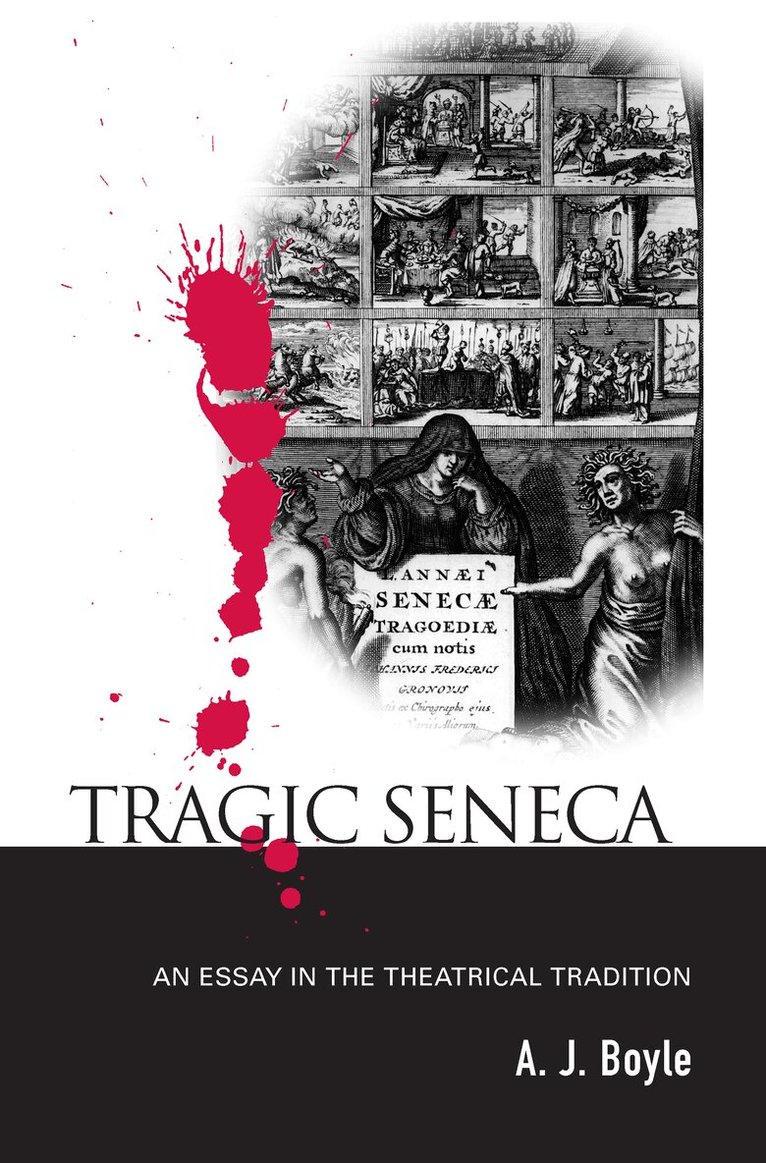
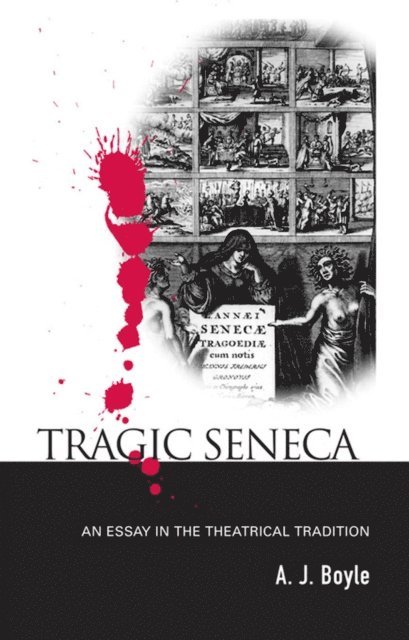
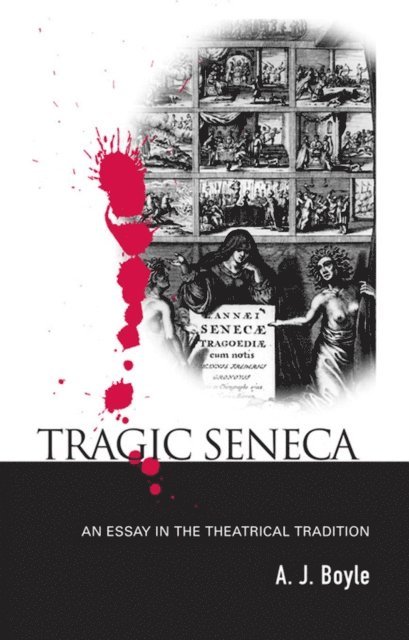
Tragic Seneca undertakes a radical re-evaluation of Seneca's plays, their relationship to Roman imperial culture and their instrumental role in the evolution of the European theatrical tradition.Following an introduction on the history of the Roman theatre, the book provides a dramatic and cultural critique of the whole of Seneca's corpus, analysing the declamatory form of the plays, their rhetoric, interiority, stagecraft and spectacle, dramatic, ideological and moral structure and their overt theatricality. Each of Seneca's plays is examined in detail, locating the force of Senecan drama not only in the moral complexity of the texts and their representations of power, violence, history, suffering and the self, but the semiotic interplay of text, tradition and culture.The later chapters focus on Seneca's influence on Italian, English and French drama of the Renaissance. A.J. Boyle argues that tragedians such as Cinthio, Kyd, Marlowe, Shakespeare, Webster, Corneille, and Racine owe a debt to Seneca that goes beyond allusion, dramatic form and the treatment of tyranny and revenge to the development of the tragic sensibility and the metatheatrical mind.Tragic Seneca attempts to restore Seneca to a central position in the European literary tradition. It will provide readers and directors of Seneca's plays with the essential critical guide to their intellectual, cultural and dramatic complexity.
772 kr
Skickas inom 10-15 vardagar
Tragic Seneca undertakes a radical re-evaluation of Seneca's plays, their relationship to Roman imperial culture and their instrumental role in the evolution of the European theatrical tradition.Following an introduction on the history of the Roman theatre, the book provides a dramatic and cultural critique of the whole of Seneca's corpus, analysing the declamatory form of the plays, their rhetoric, interiority, stagecraft and spectacle, dramatic, ideological and moral structure and their overt theatricality. Each of Seneca's plays is examined in detail, locating the force of Senecan drama not only in the moral complexity of the texts and their representations of power, violence, history, suffering and the self, but the semiotic interplay of text, tradition and culture.The later chapters focus on Seneca's influence on Italian, English and French drama of the Renaissance. A.J. Boyle argues that tragedians such as Cinthio, Kyd, Marlowe, Shakespeare, Webster, Corneille, and Racine owe a debt to Seneca that goes beyond allusion, dramatic form and the treatment of tyranny and revenge to the development of the tragic sensibility and the metatheatrical mind.Tragic Seneca attempts to restore Seneca to a central position in the European literary tradition. It will provide readers and directors of Seneca's plays with the essential critical guide to their intellectual, cultural and dramatic complexity.
443 kr
Skickas inom 7-10 vardagar
A. J. Boyle assesses the state of English company law on minority shareholders' remedies from historical, theoretical and comparative perspectives in this important addition to Cambridge Studies in Corporate Law. He analyses the reforms of the UK Law Commission, which have been further appraised and amplified by the work in progress of the Company Law Review Steering Group. The book covers the common law actions by exception to the Rule in Foss v. Harbottle, and the statutory remedies by way of petition for unfair prejudice and/or just and equitable winding up. As well as considering the complexities of derivative actions and statutory minority remedies, Boyle discusses directions for minority shareholders' remedies. This book will be of interest to academics and practitioners in company and corporate law, particularly in the UK, US, France and Germany, as well as throughout the Commonwealth.
1 218 kr
Skickas inom 7-10 vardagar
A. J. Boyle assesses the state of English company law on minority shareholders' remedies from historical, theoretical and comparative perspectives in this important addition to Cambridge Studies in Corporate Law. He analyses the reforms of the UK Law Commission, which have been further appraised and amplified by the work in progress of the Company Law Review Steering Group. The book covers the common law actions by exception to the Rule in Foss v. Harbottle, and the statutory remedies by way of petition for unfair prejudice and/or just and equitable winding up. As well as considering the complexities of derivative actions and statutory minority remedies, Boyle discusses directions for minority shareholders' remedies. This book will be of interest to academics and practitioners in company and corporate law, particularly in the UK, US, France and Germany, as well as throughout the Commonwealth.