A. James Fuller – författare
470 kr
Skickas inom 10-15 vardagar
1 459 kr
Skickas inom 10-15 vardagar
554 kr
Läs direkt efter köp
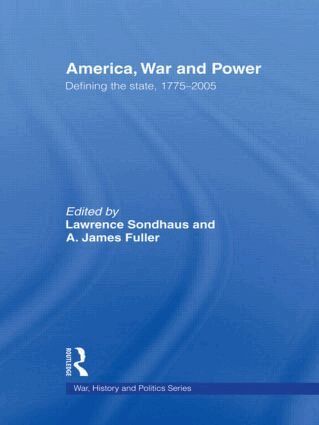
Written by leading historians and political scientists, this collection of essays offers a broad and comprehensive coverage of the role of war in American history.
Addressing the role of the armed force, and attitudes towards it, in shaping and defining the United States, the first four chapters reflect the perspectives of historians on this central question, from the time of the American Revolution to the US wars in Vietnam and Iraq. Chapters five and six offer the views of political scientists on the topic, one in light of the global systems theory, the other from the perspective of domestic opinion and governance. The concluding essay is written by historians Fred Anderson and Andrew Cayton, whose co-authored book The Dominion of War: Empire and Liberty in North America, 1500-2000 provided the common reading for the symposium which produced these essays.
America, War and Power will be of much interest to students and scholars of US military history, US politics and military history and strategy in general.
554 kr
Läs direkt efter köp
Written by leading historians and political scientists, this collection of essays offers a broad and comprehensive coverage of the role of war in American history.
Addressing the role of the armed force, and attitudes towards it, in shaping and defining the United States, the first four chapters reflect the perspectives of historians on this central question, from the time of the American Revolution to the US wars in Vietnam and Iraq. Chapters five and six offer the views of political scientists on the topic, one in light of the global systems theory, the other from the perspective of domestic opinion and governance. The concluding essay is written by historians Fred Anderson and Andrew Cayton, whose co-authored book The Dominion of War: Empire and Liberty in North America, 1500-2000 provided the common reading for the symposium which produced these essays.
America, War and Power will be of much interest to students and scholars of US military history, US politics and military history and strategy in general.
555 kr
Skickas inom 5-8 vardagar
573 kr
Läs direkt efter köp
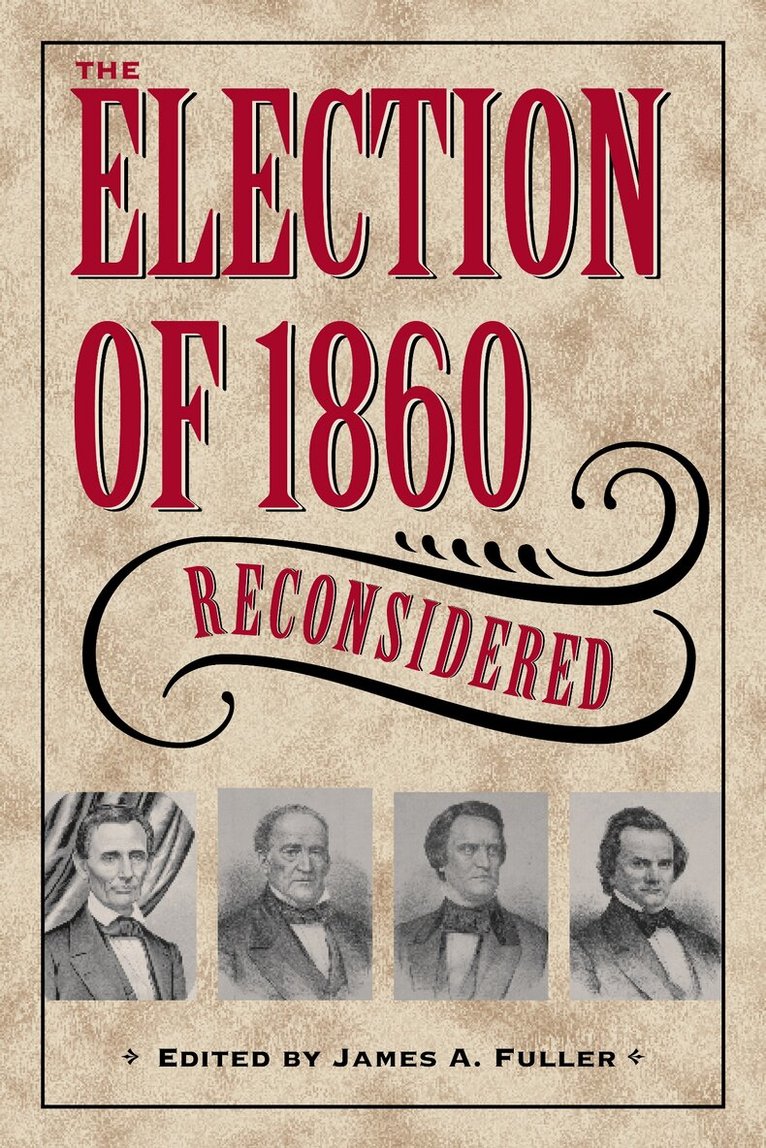
In engaging treatments of the main presidential candidates, the authors employ biography to explain the election. Michael S. Green deftly analyzes Abraham Lincoln and effectively overturns the view of the Republican as a passive candidate. James L. Huston provides an innovative reconsideration of Stephen A. Douglas in defeat with an insightful look at the Little Giant’s campaign tours of the South. Using the lens of honor, A. James Fuller scrutinizes John C. Breckinridge in an enlightening study of the Southern Democratic candidate’s campaign. In another groundbreaking essay, Fuller reconsiders Constitutional Unionist John Bell as a Whig who stood for the Republican principle of compro- mise. The biographical theme continues in John R. McKivigan’s splendid examination of Frederick Douglass as he carefully guides the reader through the changing attitudes and ambivalence of the abolitionist perspective.
As Douglas G. Gardner demonstrates in his fine exposition of the historiographical themes involved with the election, The Election of 1860 Reconsidered includes interdisciplinary concerns and new lines of inquiry. Addressing matters of interest to political scientists as well as historians, Thomas E. Rodgers takes up the issue of voter turnout in a sophisticated analysis that emphasizes ideology. Political culture and context allow A. James Fuller to make revealing interdisciplinary connections while using the state of Indiana as a case study to test and refute realignment theory. Turning to observations from across the Atlantic, Lawrence Sondhaus offers a new approach to the election in his penetrating study of how Europeans viewed and misunderstood the U.S. presidential race.
This remarkable collection breathes new life into political history and will serve as a primer for a generation of scholars interested in understanding the most important election in American history.
573 kr
Läs direkt efter köp
In engaging treatments of the main presidential candidates, the authors employ biography to explain the election. Michael S. Green deftly analyzes Abraham Lincoln and effectively overturns the view of the Republican as a passive candidate. James L. Huston provides an innovative reconsideration of Stephen A. Douglas in defeat with an insightful look at the Little Giant’s campaign tours of the South. Using the lens of honor, A. James Fuller scrutinizes John C. Breckinridge in an enlightening study of the Southern Democratic candidate’s campaign. In another groundbreaking essay, Fuller reconsiders Constitutional Unionist John Bell as a Whig who stood for the Republican principle of compro- mise. The biographical theme continues in John R. McKivigan’s splendid examination of Frederick Douglass as he carefully guides the reader through the changing attitudes and ambivalence of the abolitionist perspective.
As Douglas G. Gardner demonstrates in his fine exposition of the historiographical themes involved with the election, The Election of 1860 Reconsidered includes interdisciplinary concerns and new lines of inquiry. Addressing matters of interest to political scientists as well as historians, Thomas E. Rodgers takes up the issue of voter turnout in a sophisticated analysis that emphasizes ideology. Political culture and context allow A. James Fuller to make revealing interdisciplinary connections while using the state of Indiana as a case study to test and refute realignment theory. Turning to observations from across the Atlantic, Lawrence Sondhaus offers a new approach to the election in his penetrating study of how Europeans viewed and misunderstood the U.S. presidential race.
This remarkable collection breathes new life into political history and will serve as a primer for a generation of scholars interested in understanding the most important election in American history.
696 kr
Läs direkt efter köp
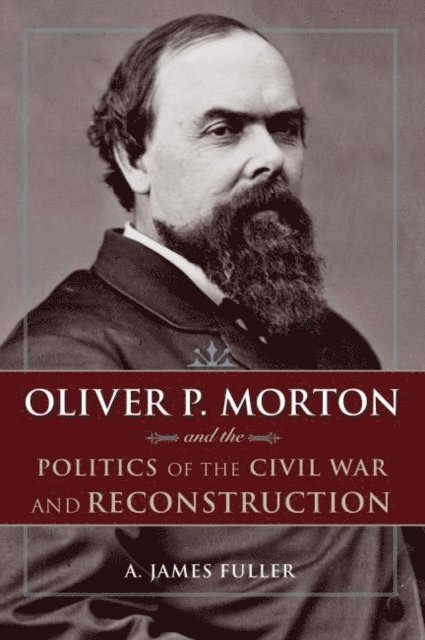
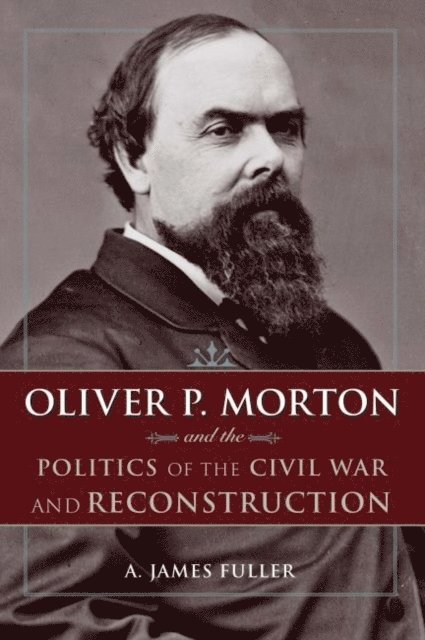
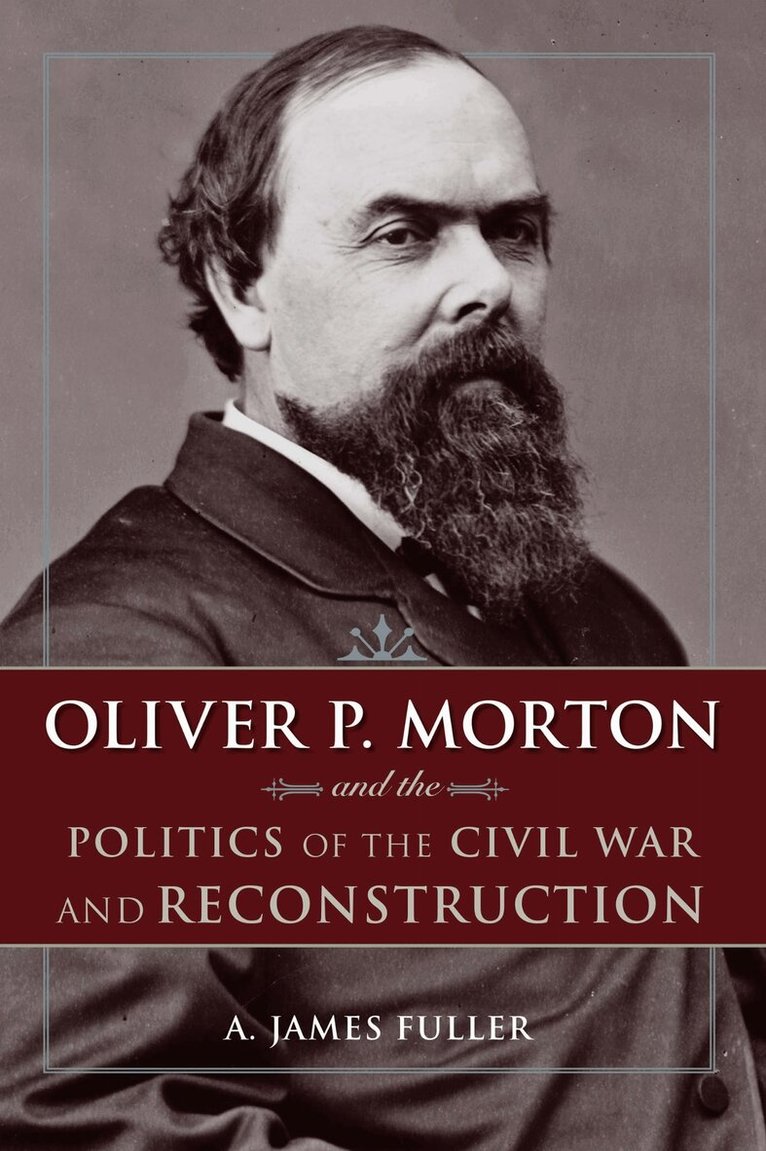
Remembered as the "Great War Governor" who led the state of Indiana during the Civil War, Oliver P. Morton has always been a controversial figure. His supporters praised him as a statesman who helped Abraham Lincoln save the Union, while his critics blasted him as a ruthless tyrant who abused the power of his office. Many of his contemporaries and some historians saw him as a partisan politician and an opportunist who shifted his positions to maintain power. Later generations treated Governor Morton as either a hero or a villain and generally forgot about his postwar career as a Radical Republican leader in the U.S. Senate.
In this first full biography of Morton to be published in over a century, A. James Fuller offers a groundbreaking new interpretation of Indiana''s most significant political leader in the nineteenth century. Overturning traditional views, Fuller argues that Morton''s nationalist ideology motivated him throughout his career and that the Hoosier leader held consistently to the ideas of freedom, Union, power, and party. Those core principles drove Morton''s politics and actions, including his support for Indiana soldiers, his fight against the Democrats in the state legislature, and his twenty-two months of one-man rule, a period in which his opponents accused him of being a virtual dictator. His principles also framed his struggle against the disloyal Copperheads who tried to assassinate him and whose leaders he helped bring to justice in the Indianapolis Treason Trials.
Fuller also restores the historical significance of Morton''s long neglected career as a Reconstruction senator. Seeing Reconstruction as a continuation of the Civil War, Morton became a leading Radical Republican who championed racial equality. He continually waved the bloody shirt, reminding voters that the Democrats had caused the rebellion. Morton supported the civil rights of African Americans and fought against the Democrats and the Ku Klux Klan. He enjoyed widespread support for the presidency in 1876, but when his bid for the Republican nomination came up short, he helped decide the disputed election for Rutherford B. Hayes. When Morton died in 1877, Reconstruction died with him, symbolically marking the end of an era. In the decades after his death, Hoosiers built monuments to Morton, remembering him in ways that reflected their own times, keeping his controversial legacy alive in historical memory.
696 kr
Läs direkt efter köp
Remembered as the "Great War Governor" who led the state of Indiana during the Civil War, Oliver P. Morton has always been a controversial figure. His supporters praised him as a statesman who helped Abraham Lincoln save the Union, while his critics blasted him as a ruthless tyrant who abused the power of his office. Many of his contemporaries and some historians saw him as a partisan politician and an opportunist who shifted his positions to maintain power. Later generations treated Governor Morton as either a hero or a villain and generally forgot about his postwar career as a Radical Republican leader in the U.S. Senate.
In this first full biography of Morton to be published in over a century, A. James Fuller offers a groundbreaking new interpretation of Indiana''s most significant political leader in the nineteenth century. Overturning traditional views, Fuller argues that Morton''s nationalist ideology motivated him throughout his career and that the Hoosier leader held consistently to the ideas of freedom, Union, power, and party. Those core principles drove Morton''s politics and actions, including his support for Indiana soldiers, his fight against the Democrats in the state legislature, and his twenty-two months of one-man rule, a period in which his opponents accused him of being a virtual dictator. His principles also framed his struggle against the disloyal Copperheads who tried to assassinate him and whose leaders he helped bring to justice in the Indianapolis Treason Trials.
Fuller also restores the historical significance of Morton''s long neglected career as a Reconstruction senator. Seeing Reconstruction as a continuation of the Civil War, Morton became a leading Radical Republican who championed racial equality. He continually waved the bloody shirt, reminding voters that the Democrats had caused the rebellion. Morton supported the civil rights of African Americans and fought against the Democrats and the Ku Klux Klan. He enjoyed widespread support for the presidency in 1876, but when his bid for the Republican nomination came up short, he helped decide the disputed election for Rutherford B. Hayes. When Morton died in 1877, Reconstruction died with him, symbolically marking the end of an era. In the decades after his death, Hoosiers built monuments to Morton, remembering him in ways that reflected their own times, keeping his controversial legacy alive in historical memory.