Aasha Kapur Mehta – författare
Visar alla böcker från författaren Aasha Kapur Mehta. Handla med fri frakt och snabb leverans.
5 produkter
5 produkter
Inbunden, Engelska, 2018
1 079 kr
Skickas inom 10-15 vardagar
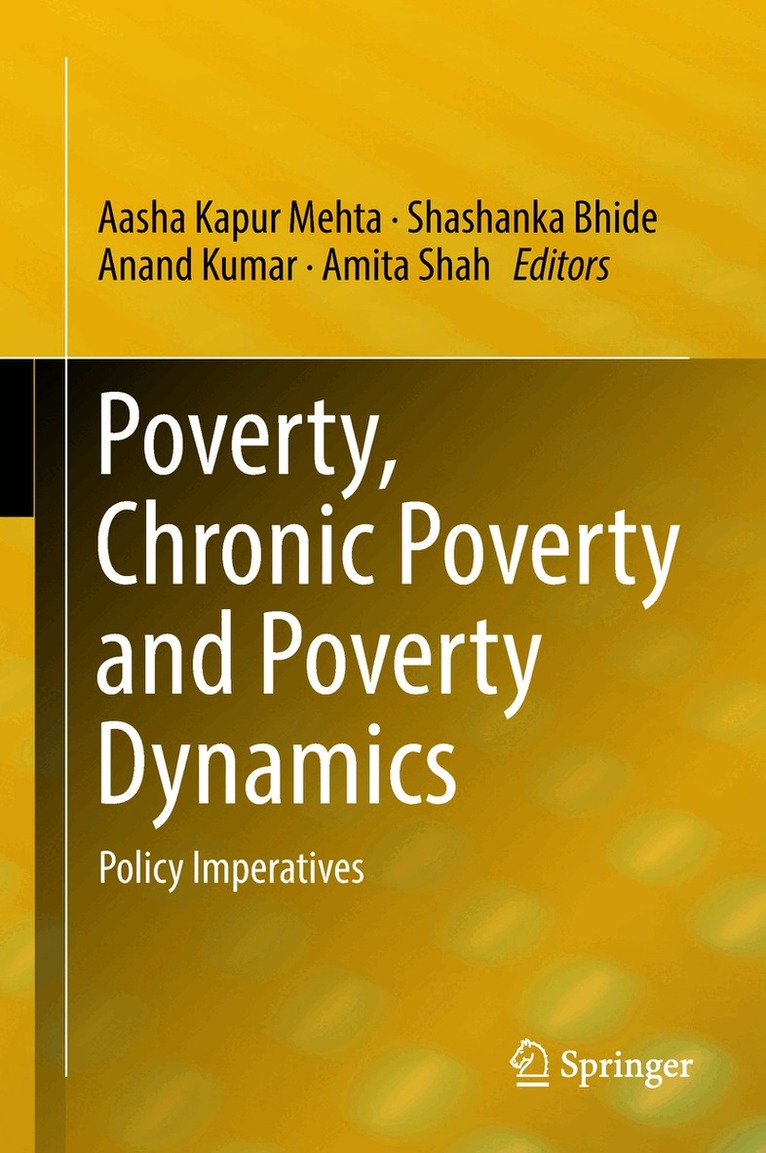
This book discusses critical policy issues that need to be addressed if India wishes to achieve the SDG 1 based elusive goal of ending poverty in the country. In its nine chapters, it takes the readers through trends and estimates of poverty in India, explains changes in the way it has been measured over time and the factors that lead to persistence of poverty, draws attention to the fact that hunger is both a cause and an effect of poverty and has gender and age dimensions too. The book revisits strategies that were successful in addressing poverty emanating from situations of conflict, presents a discussion on migration as a critical coping mechanism among poor, analyses the links between ill health and poverty as well as education and poverty to draw attention to the policy imperatives that need attention.India’s report card on poverty remains dismal even though there is recognition of the importance of reducing or eliminating or endingit at both national and global levels. Despite rapid economic growth and improvement on a range of development indicators, an unacceptably high proportion of India’s population continues to suffer poverty in multiple dimensions. SDG 1 or “ending poverty in all its forms everywhere” cannot be achieved unless policies and poverty alleviation programmes understand and address chronic poverty and its dynamics. This requires that we estimate and understand the extent of poverty, the factors that lead to people getting stuck in it and the ways this can be addressed. It also requires understanding the dynamic nature of poverty or the fact that many of those who are poor are able to move out of poverty as well as the fact that many others who are not poor become impoverished. These are the issues that are comprehensively examined and addressed in this book.In addition to students, teachers and researchers in the areas of development, economic growth, equity and welfare, the book is also of great interest to policy makers, planners and non‐government agencies who are concerned with understanding and addressing poverty-related issues in the developing countries.
E-bok
Engelska, 2018159 kr
Läs direkt efter köp
This book discusses critical policy issues that need to be addressed if India wishes to achieve the SDG 1 based elusive goal of ending poverty in the country. In its nine chapters, it takes the readers through trends and estimates of poverty in India, explains changes in the way it has been measured over time and the factors that lead to persistence of poverty, draws attention to the fact that hunger is both a cause and an effect of poverty and has gender and age dimensions too. The book revisits strategies that were successful in addressing poverty emanating from situations of conflict, presents a discussion on migration as a critical coping mechanism among poor, analyses the links between ill health and poverty as well as education and poverty to draw attention to the policy imperatives that need attention.India’s report card on poverty remains dismal even though there is recognition of the importance of reducing or eliminating or endingit at both national and global levels. Despite rapid economic growth and improvement on a range of development indicators, an unacceptably high proportion of India’s population continues to suffer poverty in multiple dimensions. SDG 1 or “ending poverty in all its forms everywhere” cannot be achieved unless policies and poverty alleviation programmes understand and address chronic poverty and its dynamics. This requires that we estimate and understand the extent of poverty, the factors that lead to people getting stuck in it and the ways this can be addressed. It also requires understanding the dynamic nature of poverty or the fact that many of those who are poor are able to move out of poverty as well as the fact that many others who are not poor become impoverished. These are the issues that are comprehensively examined and addressed in this book.In addition to students, teachers and researchers in the areas of development, economic growth, equity and welfare, the book is also of great interest to policy makers, planners and non‐government agencies who are concerned with understanding and addressing poverty-related issues in the developing countries.
Häftad, Engelska, 2018
131 kr
Skickas inom 10-15 vardagar
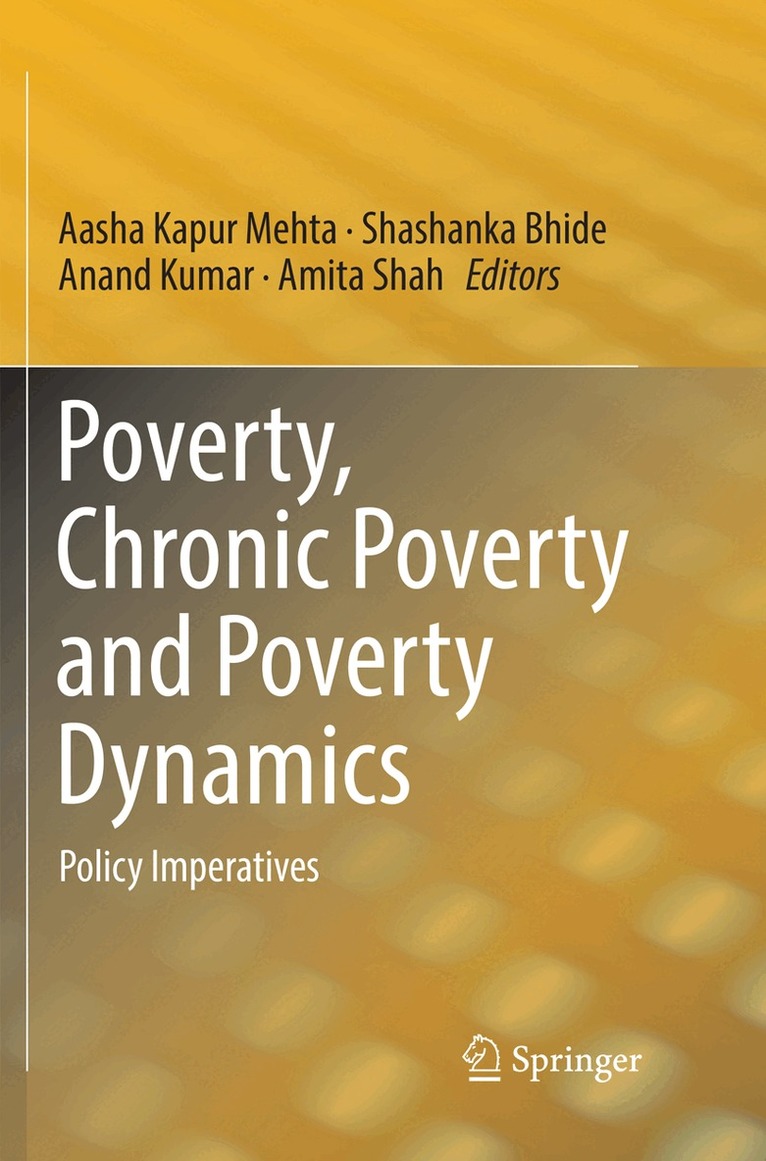
This book discusses critical policy issues that need to be addressed if India wishes to achieve the SDG 1 based elusive goal of ending poverty in the country. In its nine chapters, it takes the readers through trends and estimates of poverty in India, explains changes in the way it has been measured over time and the factors that lead to persistence of poverty, draws attention to the fact that hunger is both a cause and an effect of poverty and has gender and age dimensions too. The book revisits strategies that were successful in addressing poverty emanating from situations of conflict, presents a discussion on migration as a critical coping mechanism among poor, analyses the links between ill health and poverty as well as education and poverty to draw attention to the policy imperatives that need attention.India’s report card on poverty remains dismal even though there is recognition of the importance of reducing or eliminating or endingit at both national and global levels. Despite rapid economic growth and improvement on a range of development indicators, an unacceptably high proportion of India’s population continues to suffer poverty in multiple dimensions. SDG 1 or “ending poverty in all its forms everywhere” cannot be achieved unless policies and poverty alleviation programmes understand and address chronic poverty and its dynamics. This requires that we estimate and understand the extent of poverty, the factors that lead to people getting stuck in it and the ways this can be addressed. It also requires understanding the dynamic nature of poverty or the fact that many of those who are poor are able to move out of poverty as well as the fact that many others who are not poor become impoverished. These are the issues that are comprehensively examined and addressed in this book.In addition to students, teachers and researchers in the areas of development, economic growth, equity and welfare, the book is also of great interest to policy makers, planners and non‐government agencies who are concerned with understanding and addressing poverty-related issues in the developing countries.
Inbunden, Engelska, 2026
1 830 kr
Skickas inom 10-15 vardagar
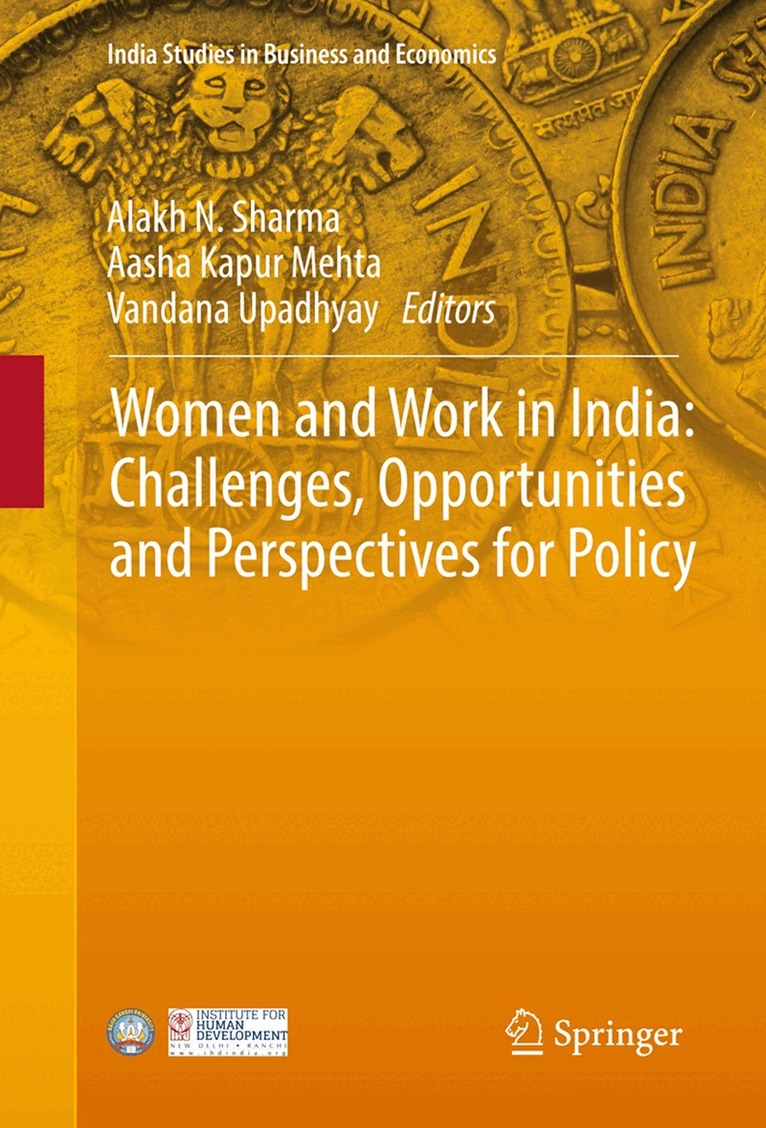
This book consisting of 24 chapters provides a comprehensive analysis of the complexities of women’s work in India. Drawing on a wide range of primary and secondary data sources it offers fresh perspectives on long-term patterns and emerging trends. It sheds light on trends in gender equality in employment, the stubbornly low Female Labour Force Participation Rate (FLFPR), the continued invisibility of women’s work, and the shortcomings of official labour force surveys in capturing women’s economic contributions. It also explores gendered labour market barriers linked to caregiving responsibilities, social group identities, and the high unemployment rates among educated women. Several chapters address persistent issues of discrimination and inequality, including how rising educational attainment among women has shaped labour market outcomes.It critically assesses the growing sectors of childcare and gig work, often viewed as potential pathways to better-paid employment for women, highlighting both their opportunities and limitations. Further, the book provides the policy measures required to enhance women’s labour participation; challenges specific to urban contexts and key policies related to public employment and social protection for women.This volume is a valuable resource for researchers, civil society organisations, development practitioners, and policymakers working on women’s employment. It is equally relevant for educators and students in gender studies, labour economics, employment research, and development studies.
2 366 kr
Läs direkt efter köp
This book consisting of 24 chapters provides a comprehensive analysis of the complexities of women’s work in India. Drawing on a wide range of primary and secondary data sources it offers fresh perspectives on long-term patterns and emerging trends. It sheds light on trends in gender equality in employment, the stubbornly low Female Labour Force Participation Rate (FLFPR), the continued invisibility of women’s work, and the shortcomings of official labour force surveys in capturing women’s economic contributions. It also explores gendered labour market barriers linked to caregiving responsibilities, social group identities, and the high unemployment rates among educated women. Several chapters address persistent issues of discrimination and inequality, including how rising educational attainment among women has shaped labour market outcomes.It critically assesses the growing sectors of childcare and gig work, often viewed as potential pathways to better-paid employment for women, highlighting both their opportunities and limitations. Further, the book provides the policy measures required to enhance women’s labour participation; challenges specific to urban contexts and key policies related to public employment and social protection for women.This volume is a valuable resource for researchers, civil society organisations, development practitioners, and policymakers working on women’s employment. It is equally relevant for educators and students in gender studies, labour economics, employment research, and development studies.